Even though it’s February after Ipchun (the start of spring), Jeju’s camellias are still showing off their beautiful 모습. To meet Hallasan’s native camellias, we headed to Wimi-ri in the south of Jeju Island.
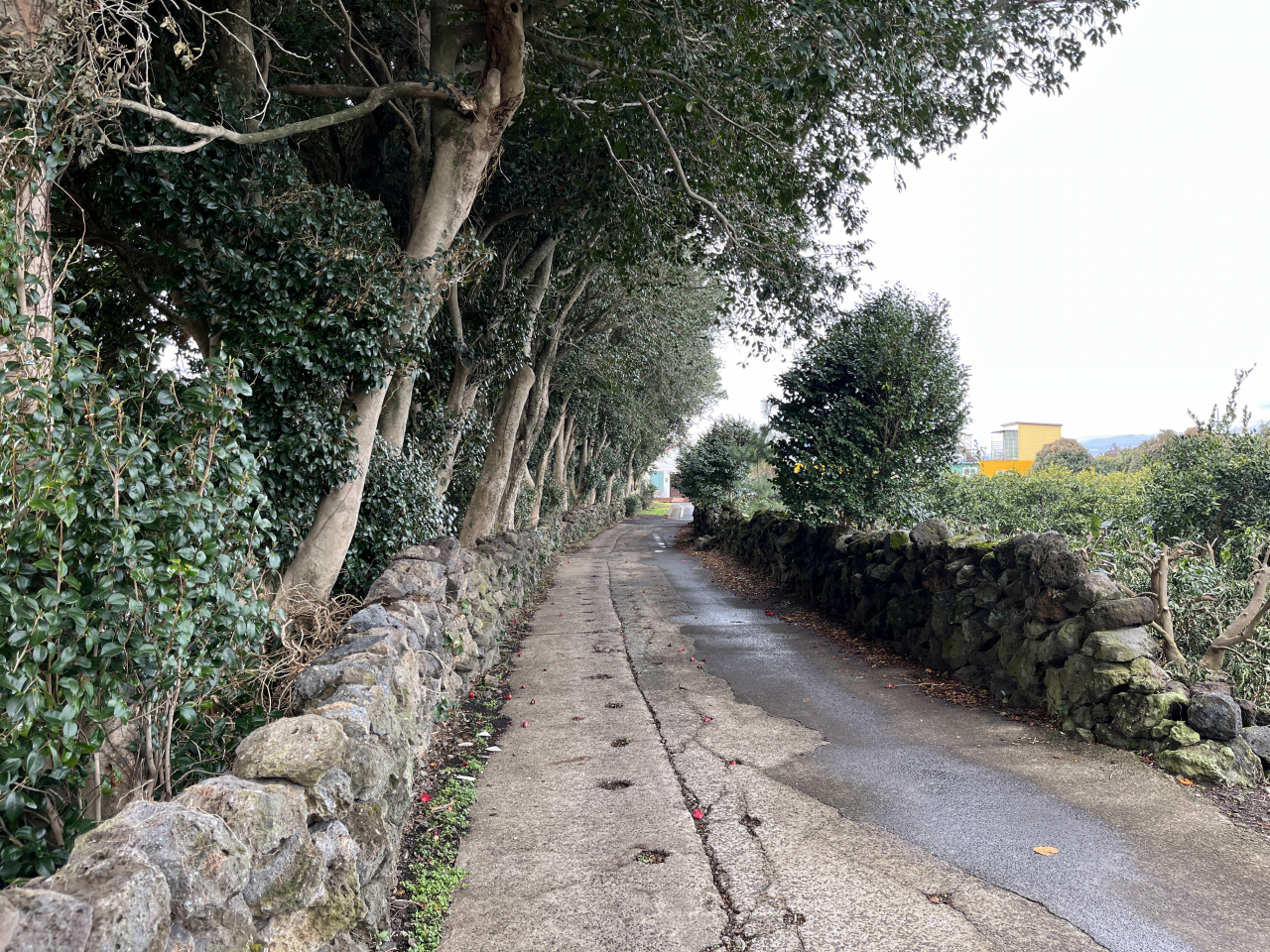
It should be peak season for camellias, but there weren’t many flowers to see. I asked an elderly local over the stone wall, and he said this year is a bad year, so not many blossoms came out. As a bonus, he also told me that in years when camellias have a poor bloom, typhoons don’t come either.
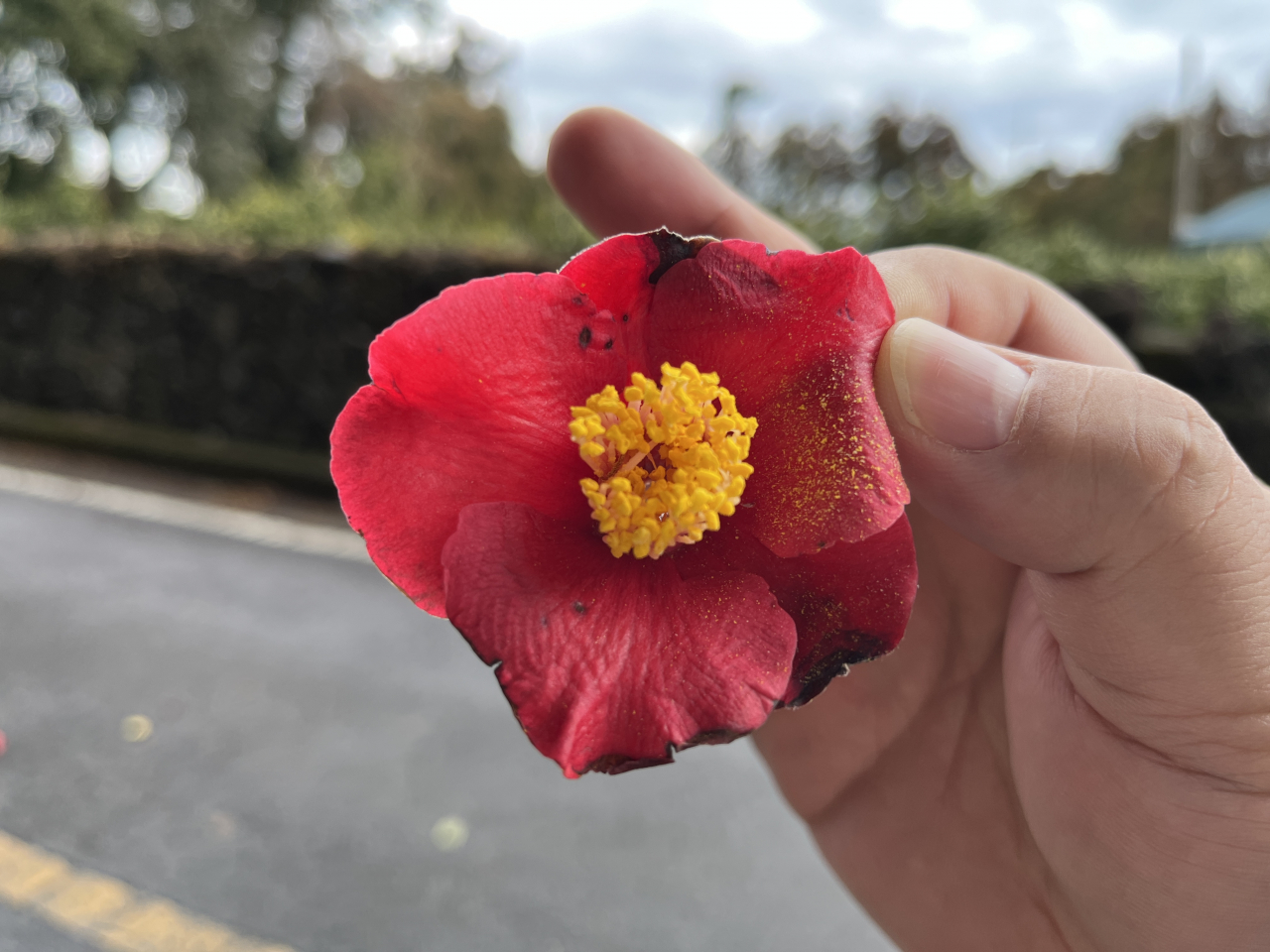
When people think of Jeju camellias, they often picture red petals scattered thickly on the ground. But in the native camellia grove, the small buds fall to the ground still as whole blooms. I don’t know why, but it somehow reminded me of a Korean hanbok.
Leaving with a bit of regret, we stopped by a nearby café where you can see camellias. Even the name is Dongbaknang (Jeju dialect for a camellia tree).
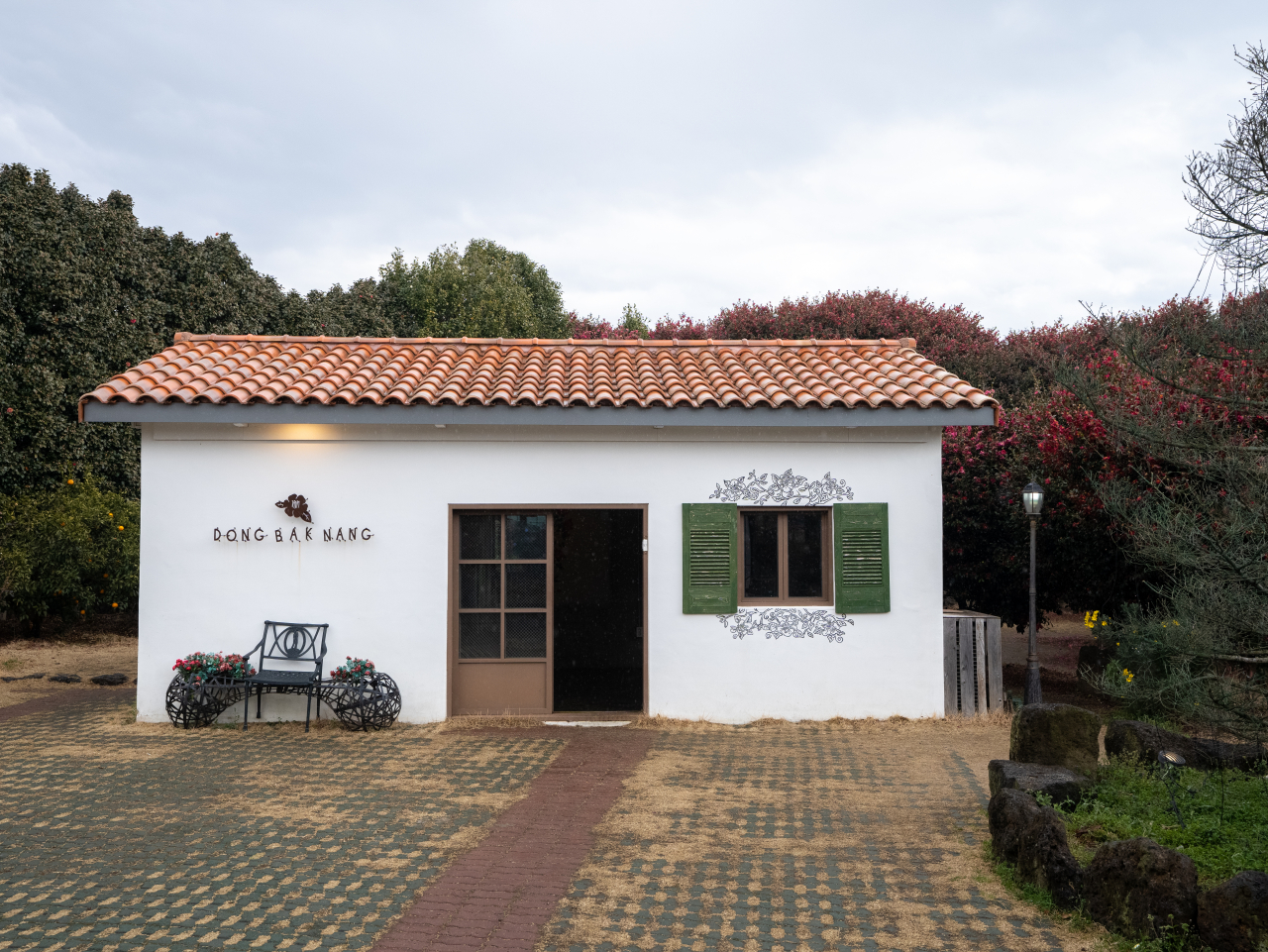
Compared to when I visited last December, the baby camellias had wilted quite a bit. But there was no need to worry—because the Chanel camellias surrounding the café were just starting to open their buds.
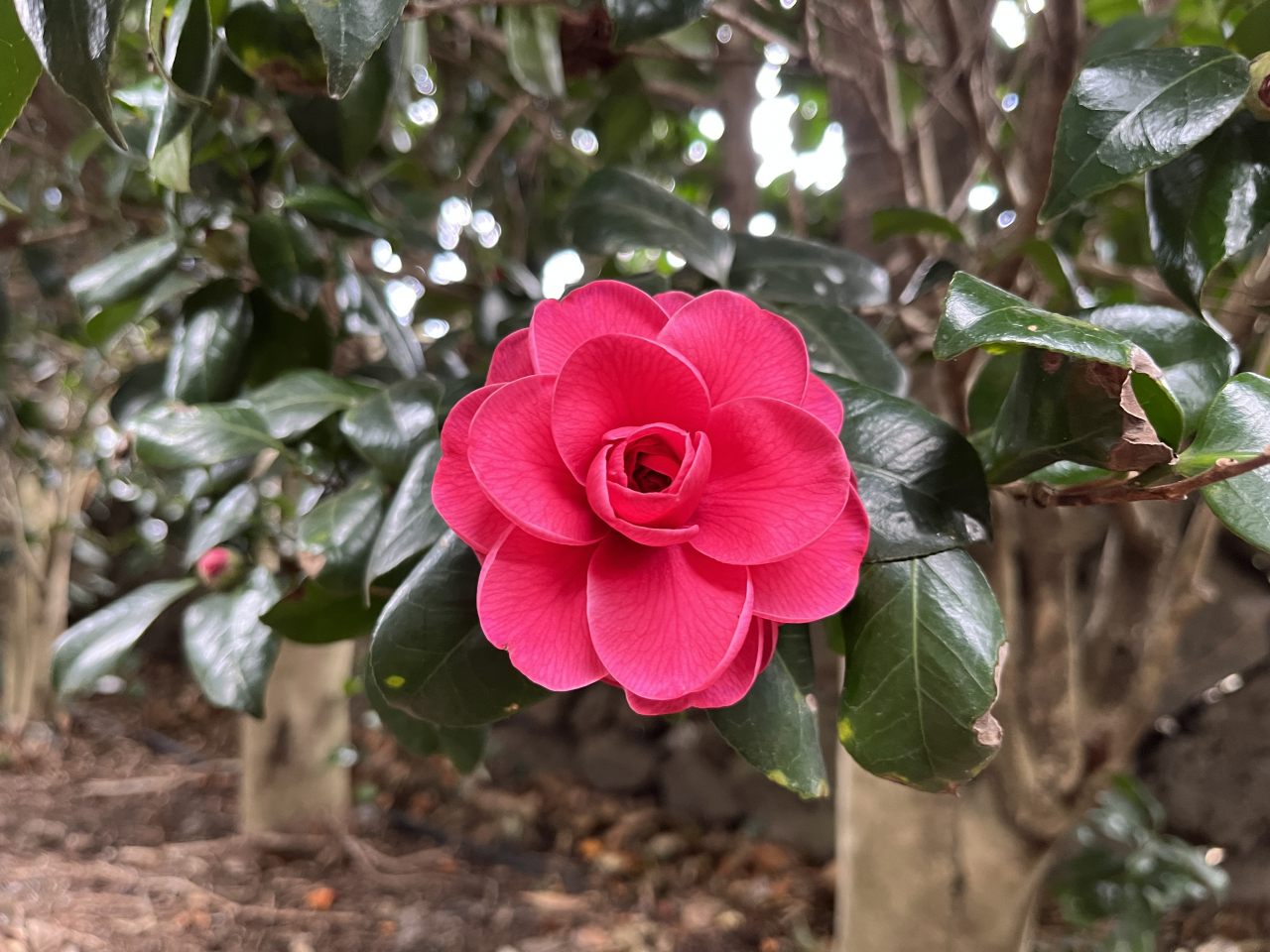
I knew there were many kinds of camellia trees, but “Chanel camellia” was new to me. The petals layer up lushly, and the flower was truly beautiful. When fully in bloom, you can see yellow stamens between the layers of petals—sometimes it looks like a mugunghwa (rose of Sharon), and sometimes like a rose.
After a 30-minute drive from Wimi-ri, we arrived at the Kimjungmun Aloe Farm in Seongeup.
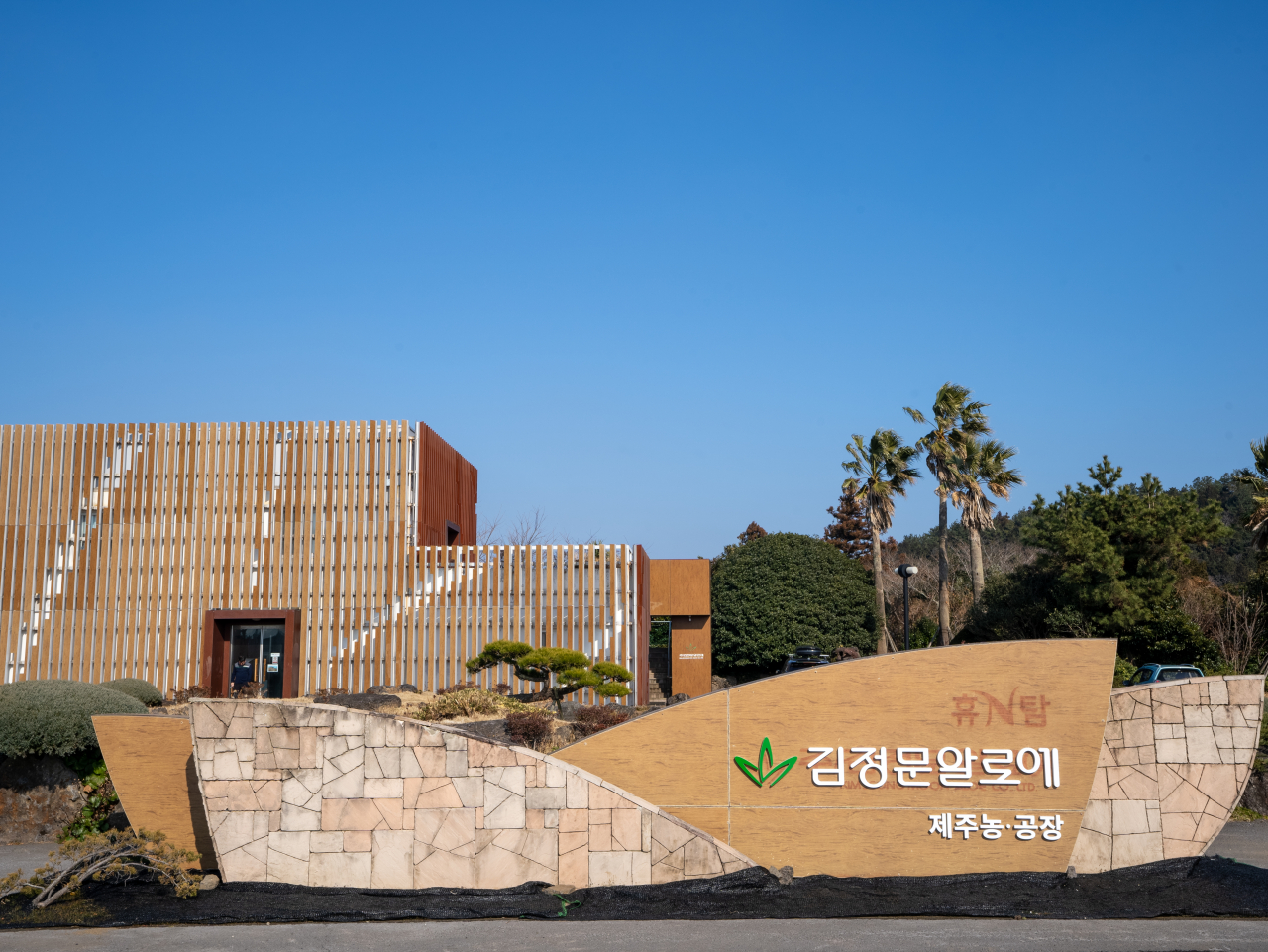
I’ve seen plenty of green tea farms, on the mainland and in Jeju. But an aloe farm? That felt unfamiliar. And for good reason: it’s the only aloe farm in Korea. I’m simply grateful that you can meet that “only in Korea” title right here on Jeju Island.
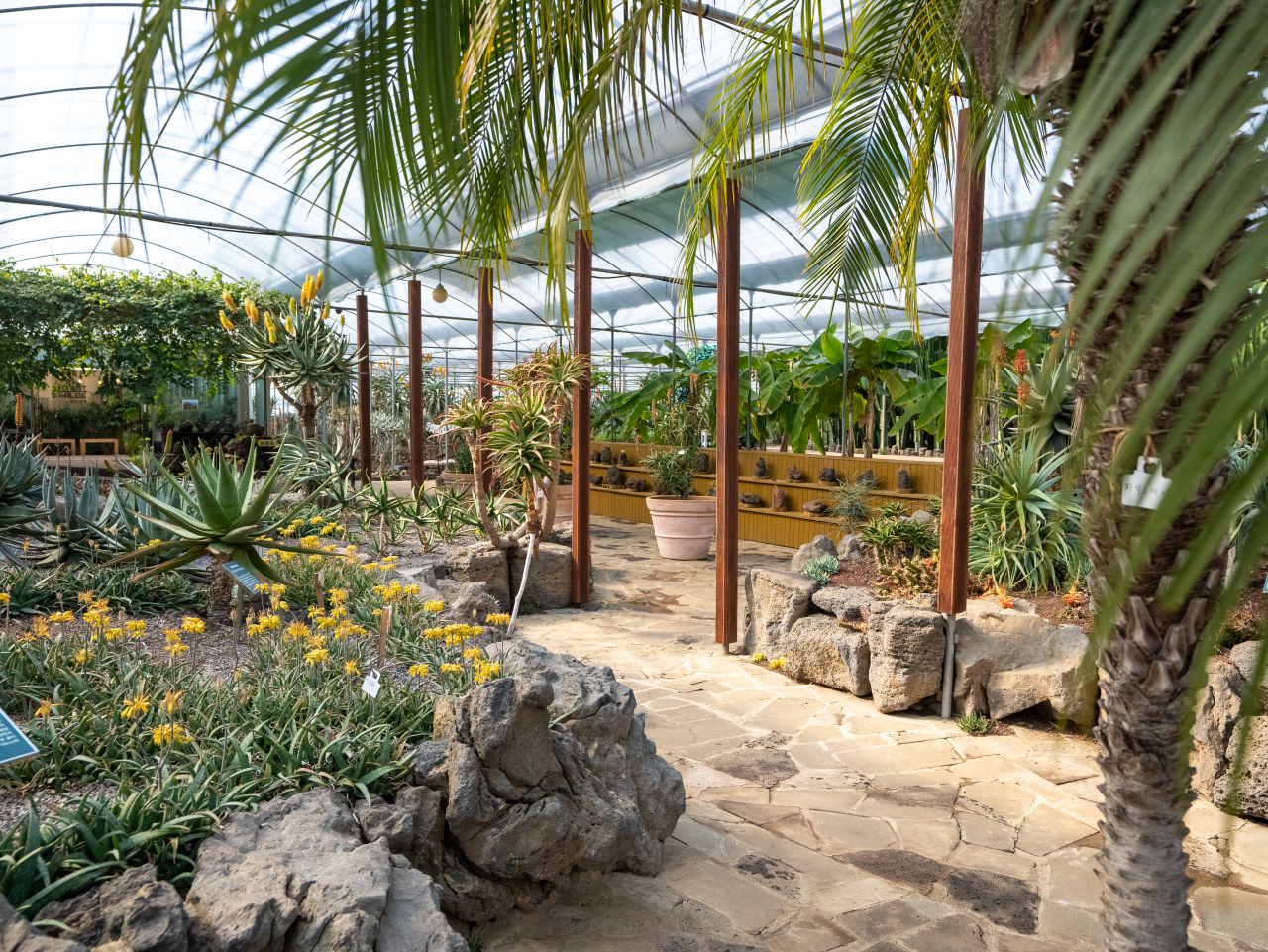
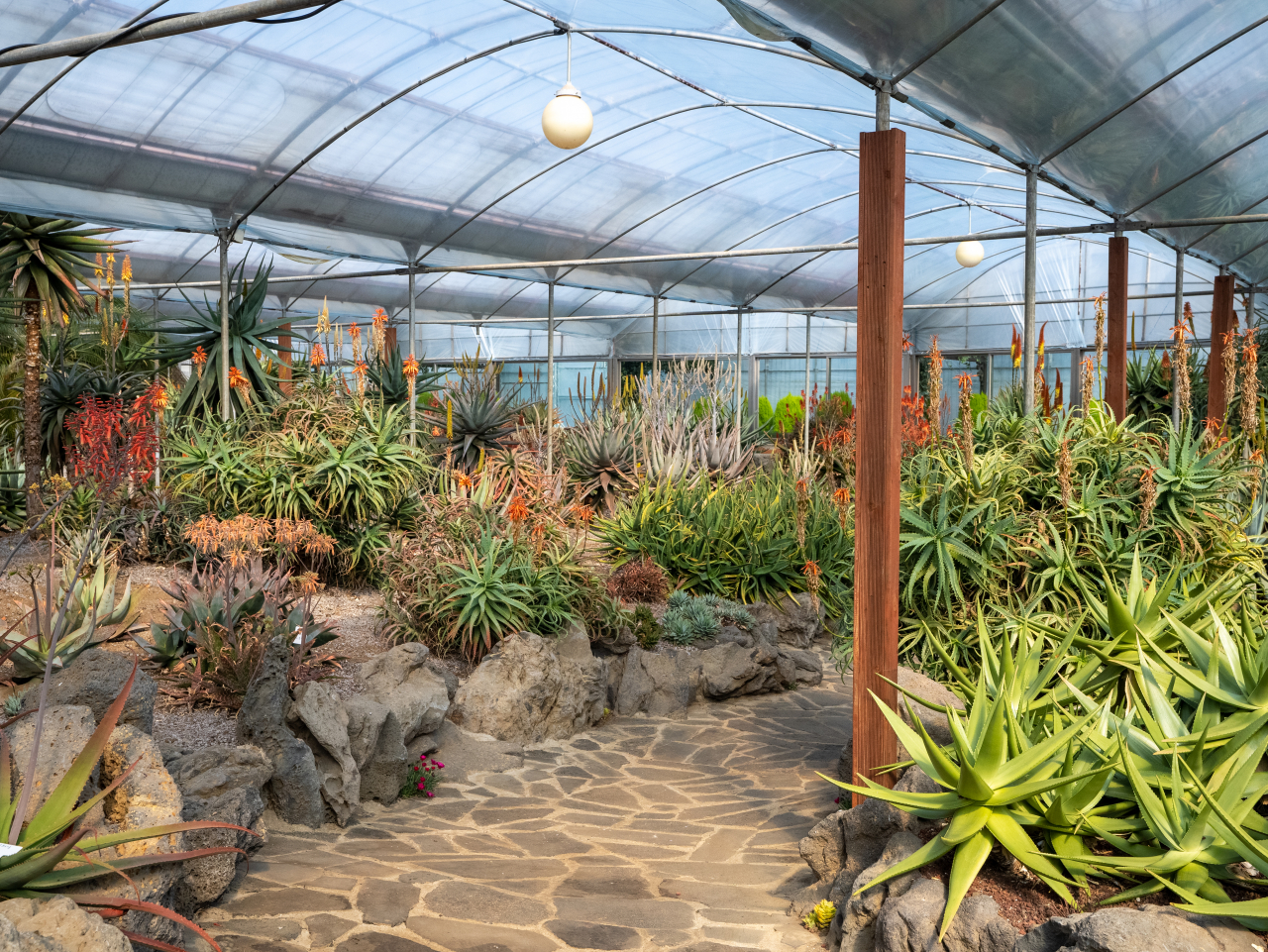
To grow tropical aloe plants, they’ve set up an enormous greenhouse complex. Inside, it felt incredibly fresh. There was none of that stale, musty greenhouse smell, and since it was a very windy day my hands and feet had been freezing—but it was so warm indoors that it felt wonderful.
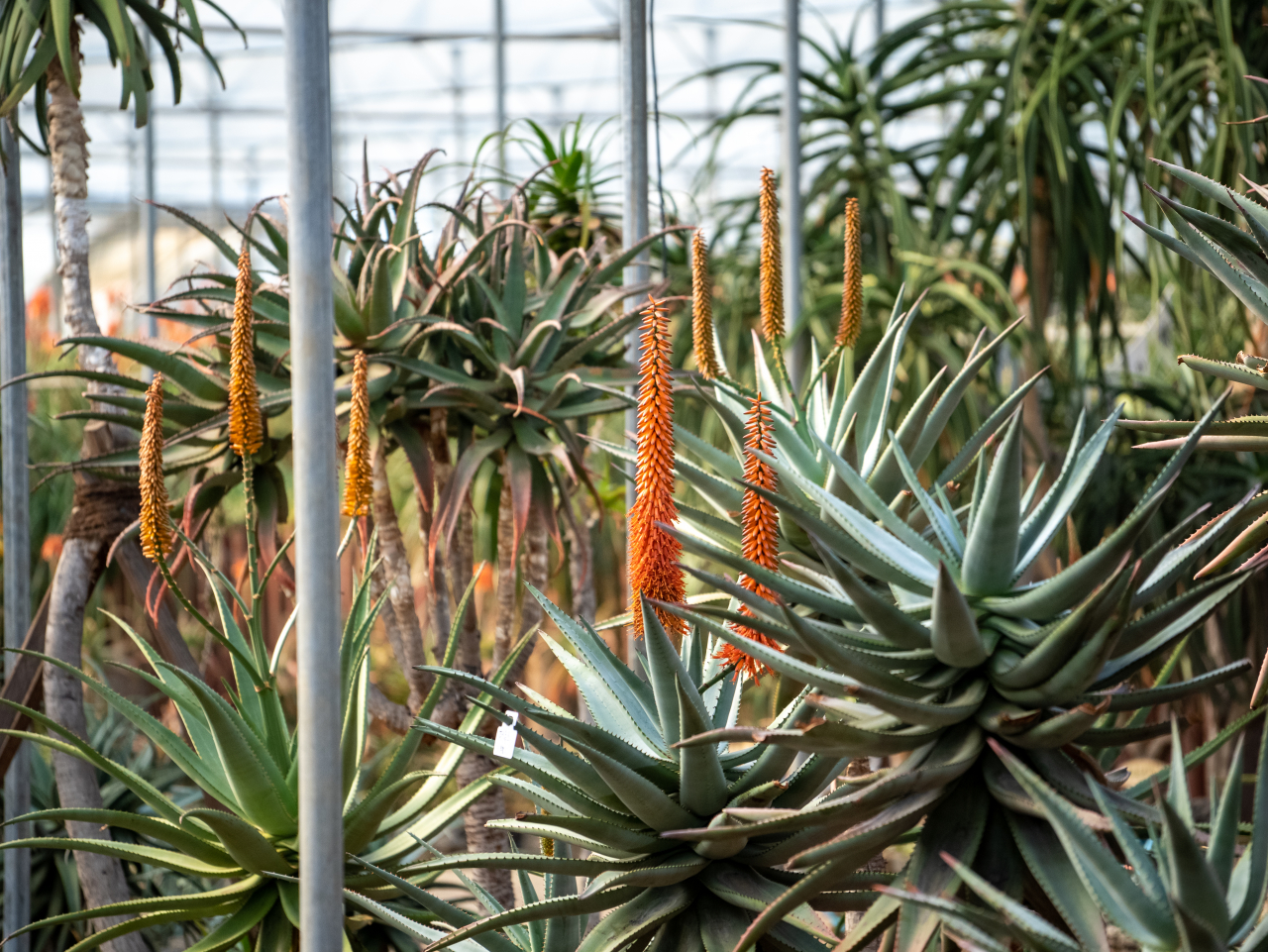
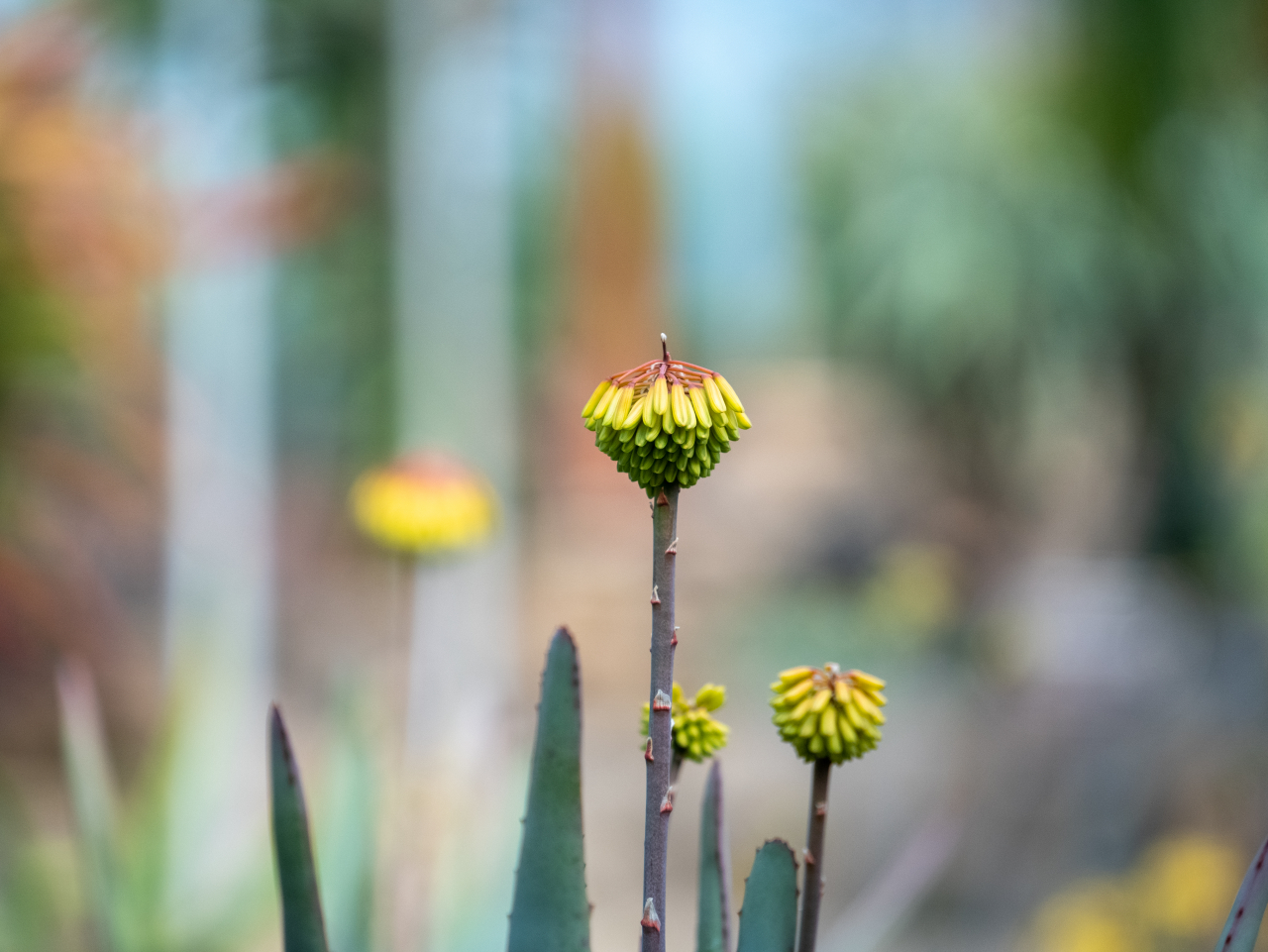
You can see an incredible variety of aloe and tropical plants. It’s even better to visit in winter, when the aloes bloom. And in Jeju, where the weather changes constantly, I thought this would be a perfect place to come when it rains or when it’s too cold.
Best of all, it’s a place where you can fully enjoy yourself away from the crowds of travelers that seem to be everywhere.
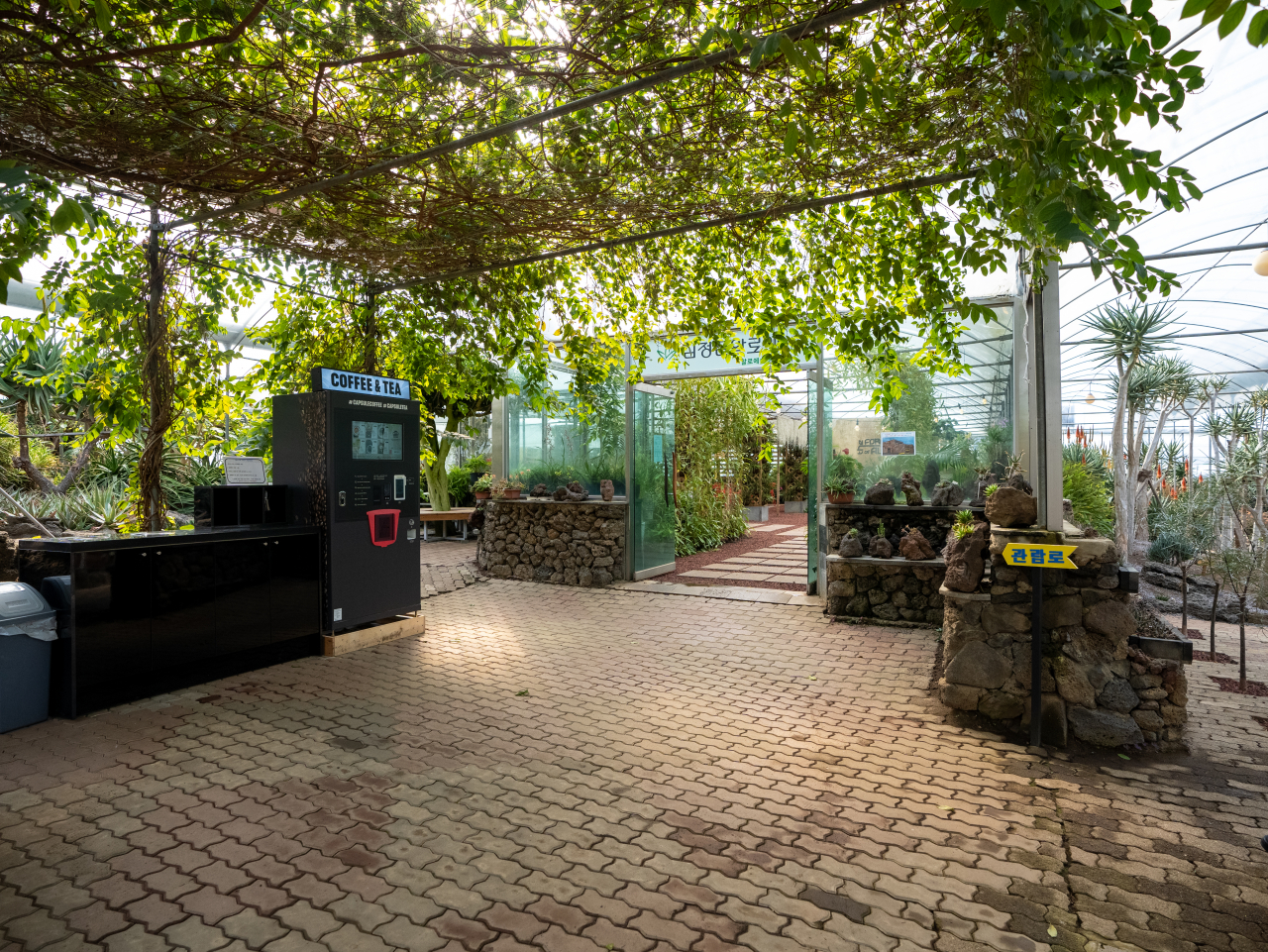
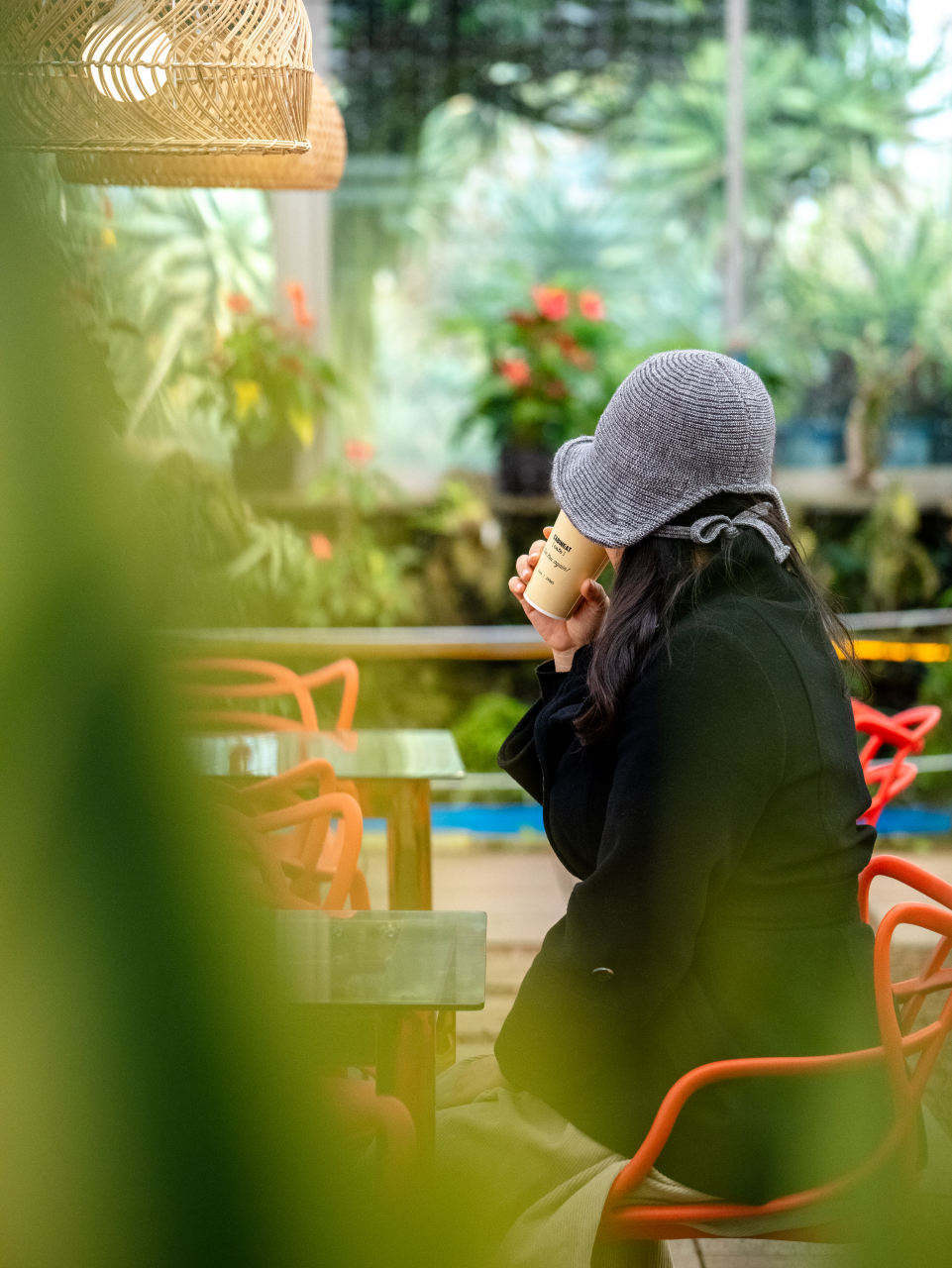
At the Aloe Forest unmanned café, we enjoyed a cozy chat, sipped coffee, and had a lovely time.
After leaving the Kimjungmun Aloe Jeju Farm, we decided to look around Seongeup Folk Village right across the road. From the entrance, bright yellow canola flowers were already in full bloom to welcome us.
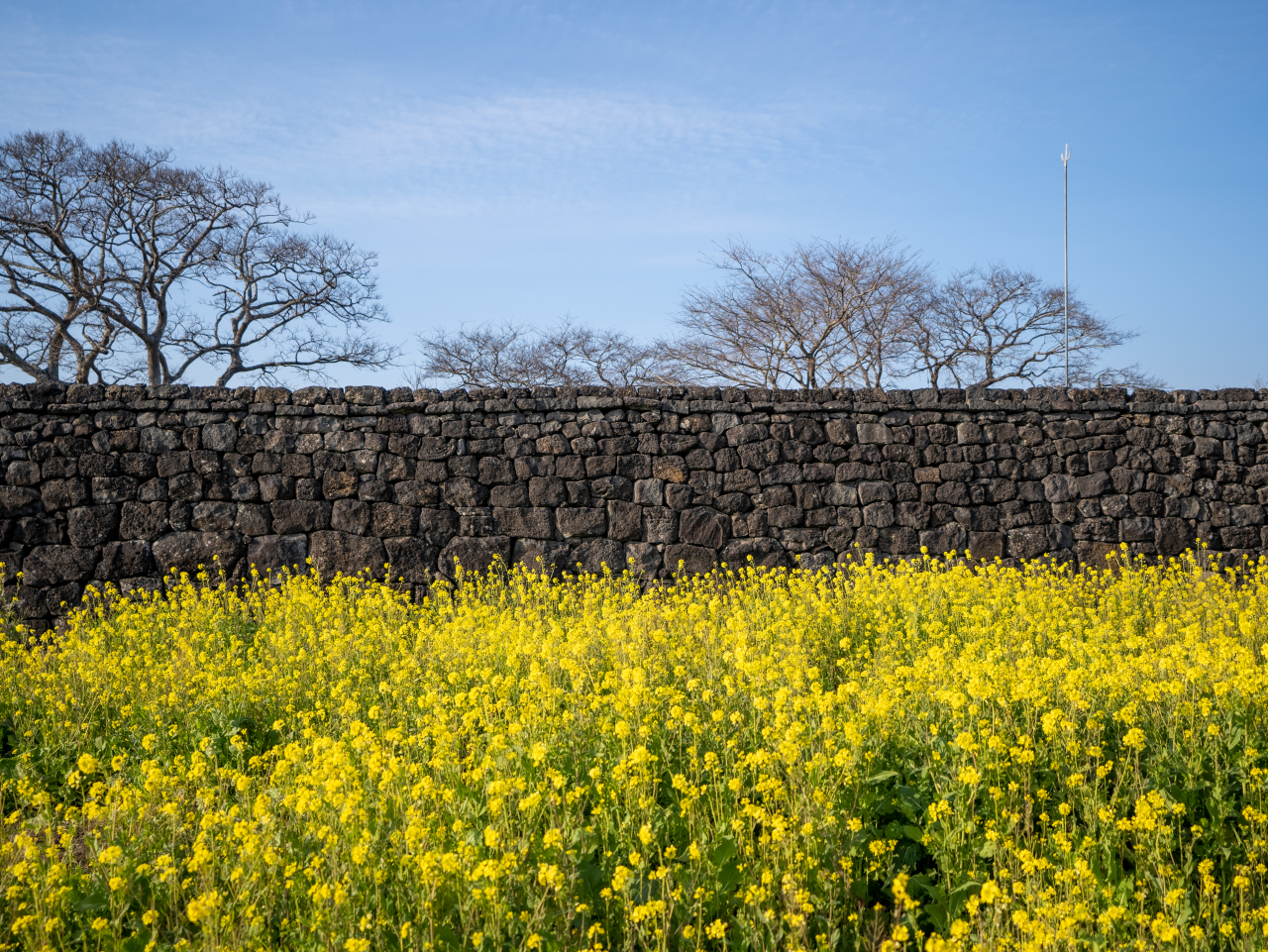
Seongeup Folk Village was the seat of Jeongui-hyeon during the Joseon era (the town where the local government office was located). Because it has been well preserved for a long time, the entire village is designated as a folk cultural heritage site—one of the must-do courses for a Jeju trip.
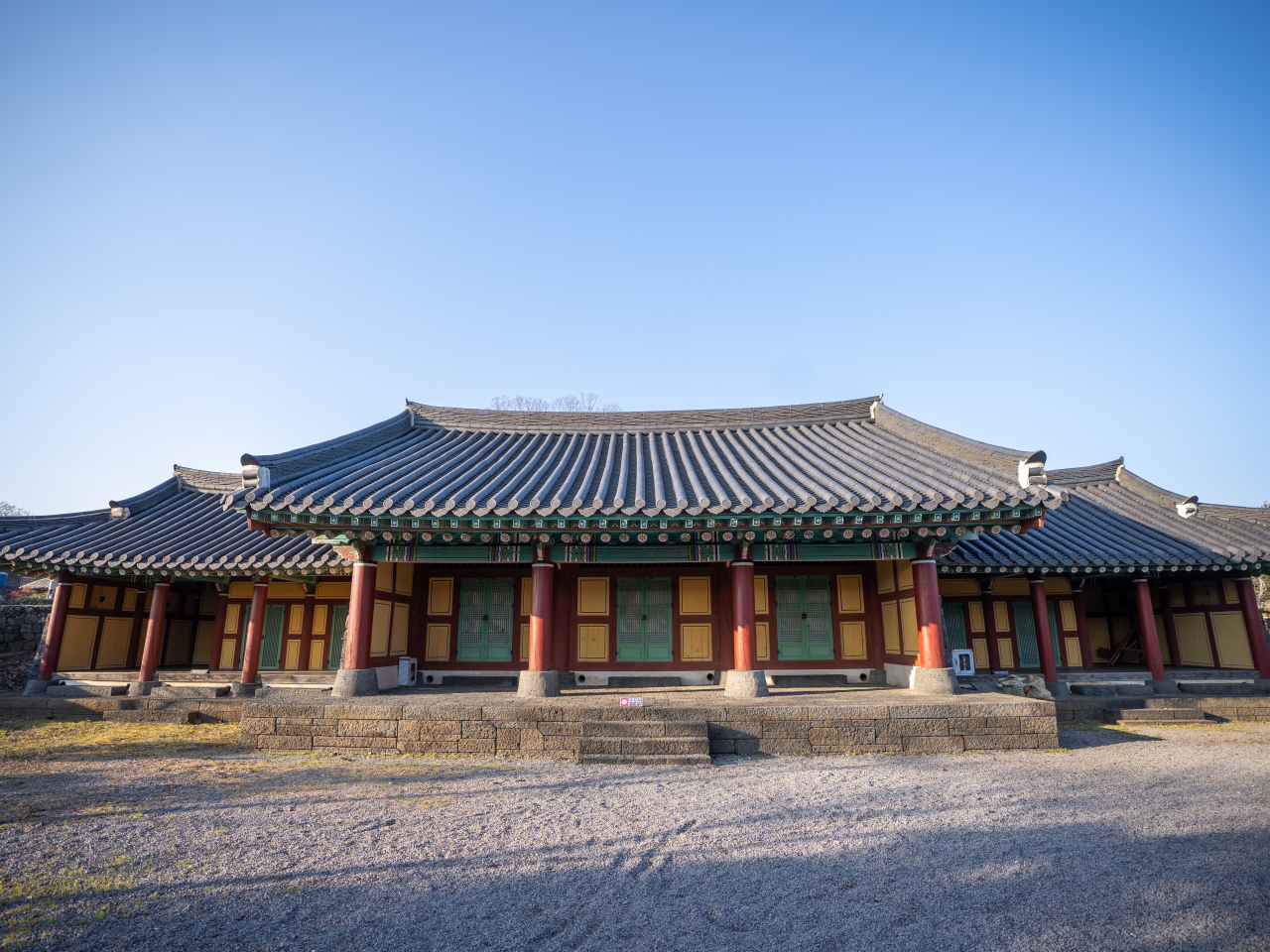
Seongeup Folk Village is still a living village where locals maintain traditions as part of everyday life. That means you can experience various aspects of Jeju’s traditional culture, and you can make reservations through the website. Of course, it was beautiful enough that simply walking around the village felt more than sufficient.
While we were strolling through the village, the sun was already sinking low. To catch the sunset, we hurried to Yeongjusan.
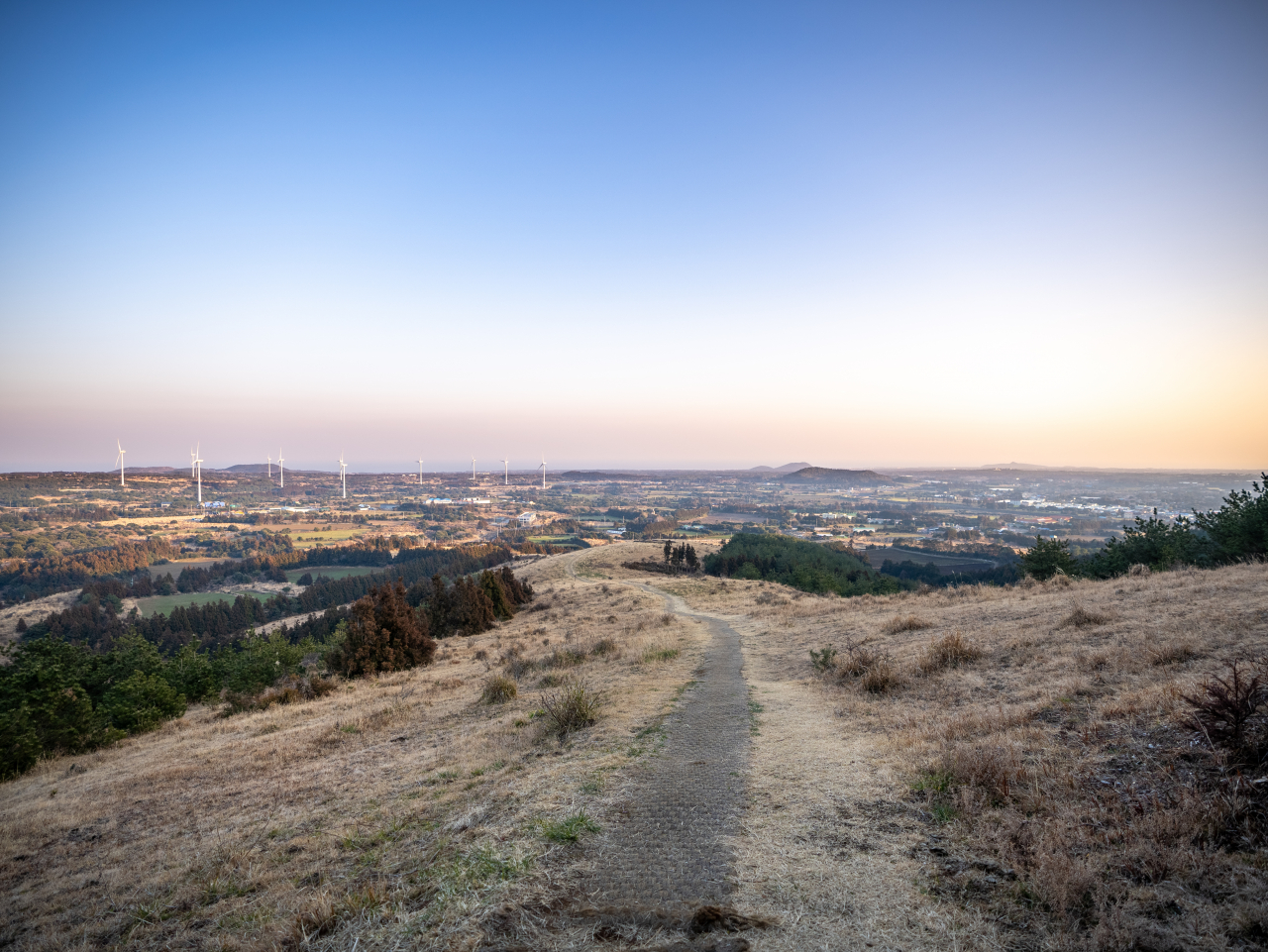
Yeongjusan is known as the “Stairway to Heaven”—the more steps you climb, the more stunning the views become. Every direction is picture-perfect, but it’s especially ideal for watching the sun hang over Hallasan at dusk.
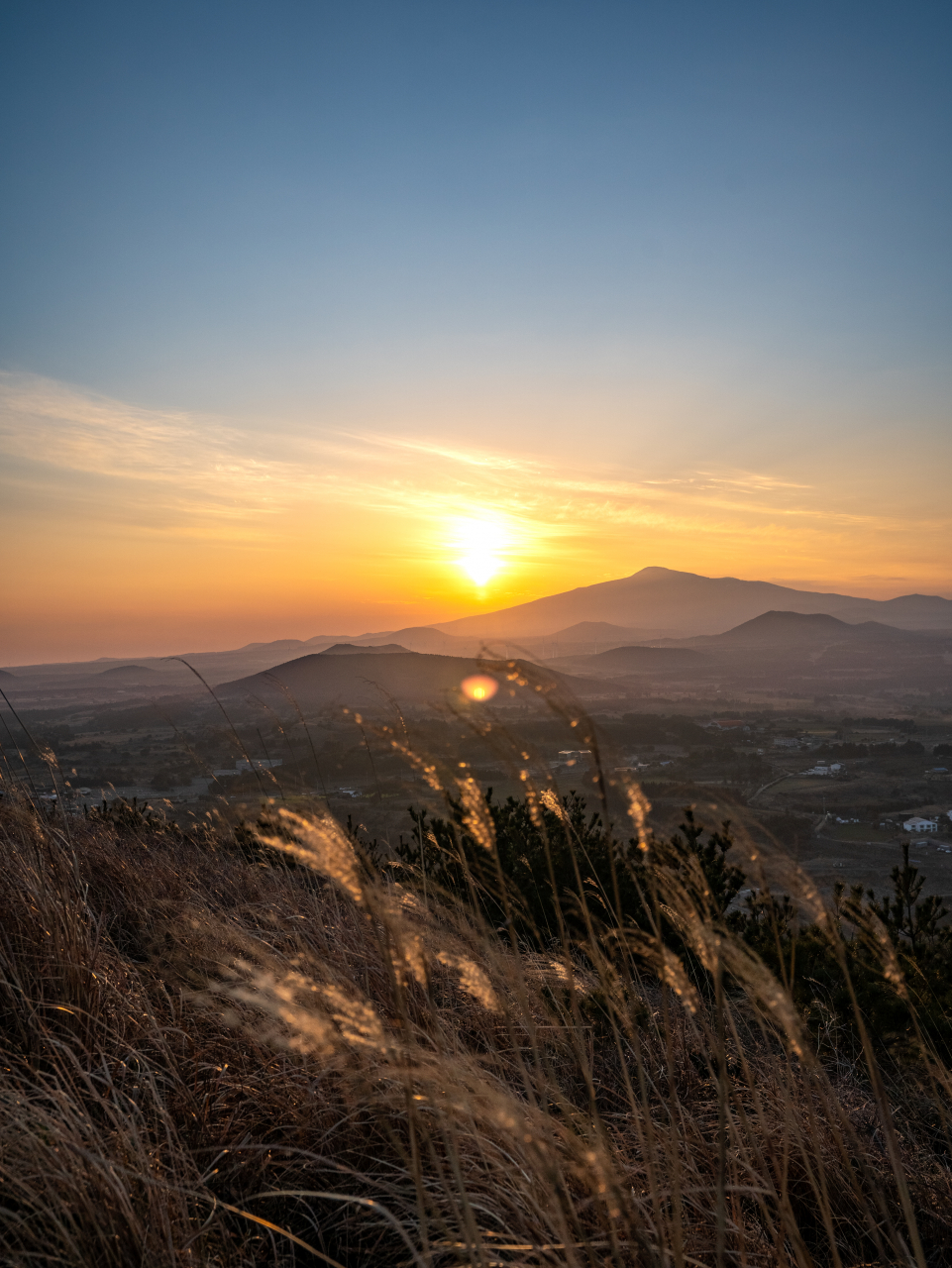
A sunset setting behind mountains rather than the sea has its own charm. Between the withered silver grass, the sun lowered its head and slipped away.

제주살이 10년 차, 일상 속 여행을 기록하는 크리에이터입니다. 바다와 바람, 낯선 골목에 스며든 제주를 좋아하고, 그 안에서 느꼈던 순간들을 글과 사진으로 전하고 있어요. 여행지보다는 여행의 온도를 담는 일을 합니다.

Comments
0No comments yet.