Itami Jun, the “architect of the wind.”
His museum has newly opened near Jeoji Artists’ Village.
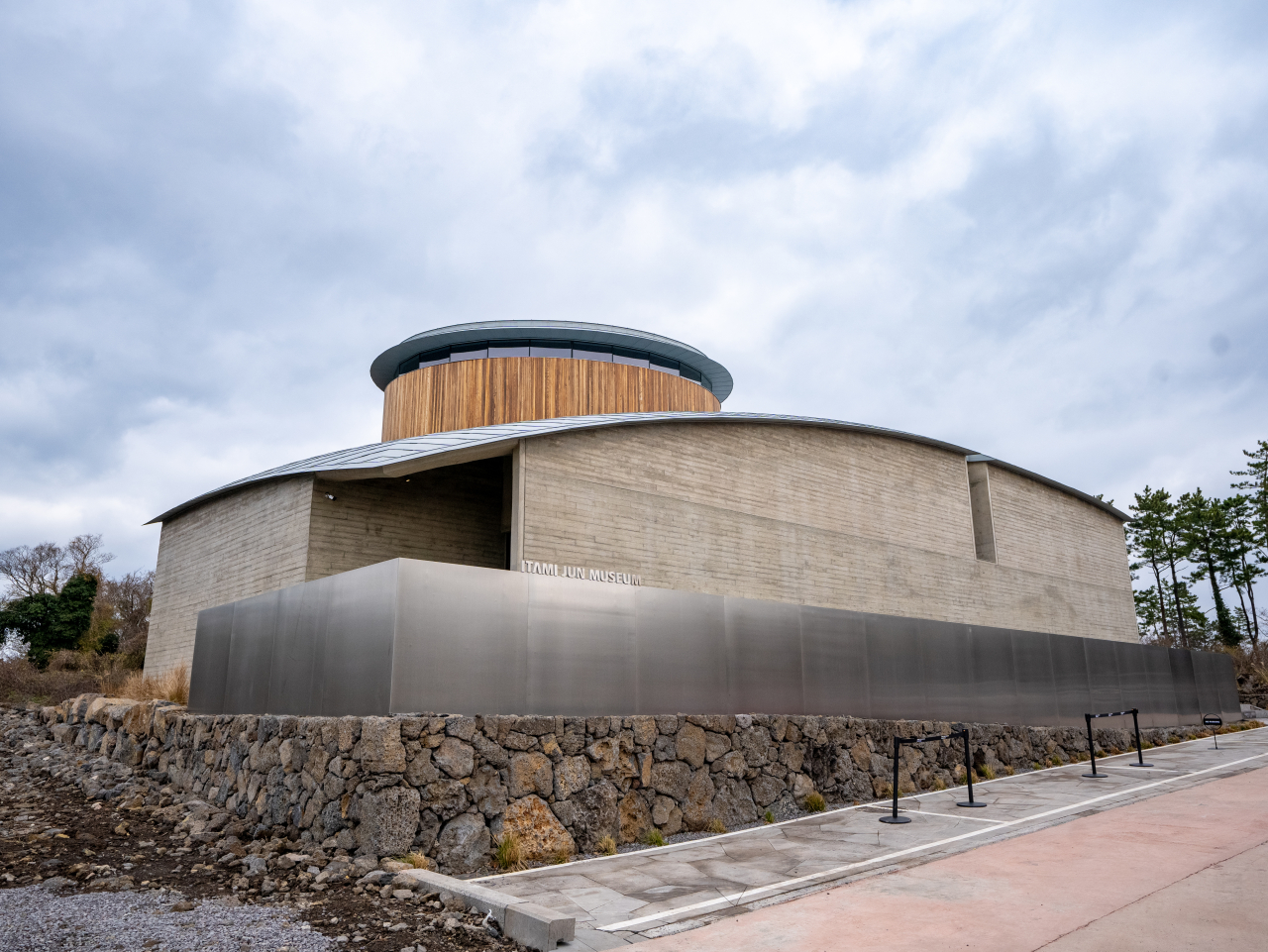
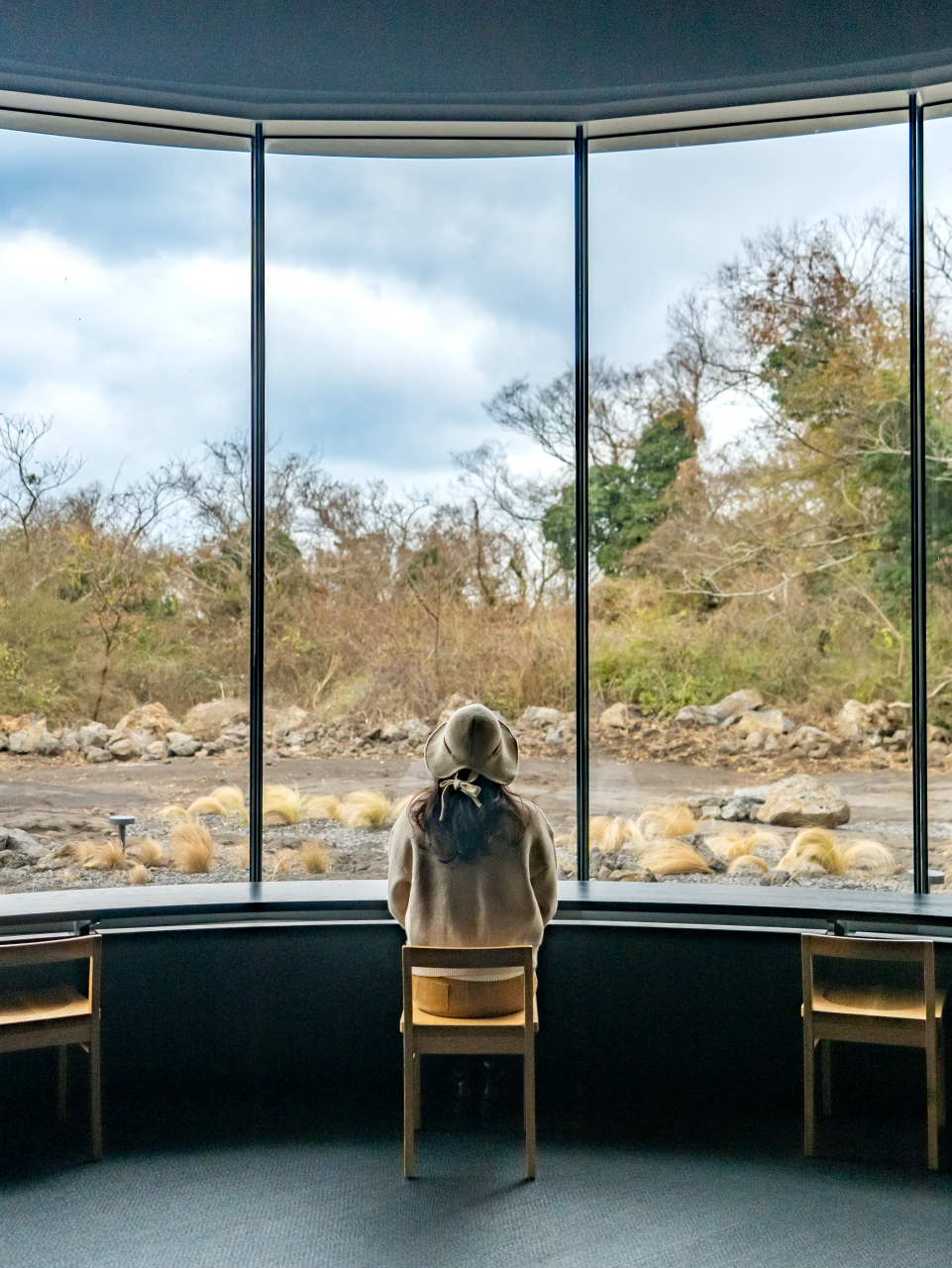
As you’d expect from a museum dedicated to the architect famous for Jeju landmarks like Podo Hotel, Bangju Church, and Supungseok Museum, the building itself carries the mood and sensibility of his works.
It’s said to have been designed by architect Yoo Ihwa, Yoo Dong-ryong’s daughter.
It really resembles her father’s architectural philosophy—living in harmony with nature.
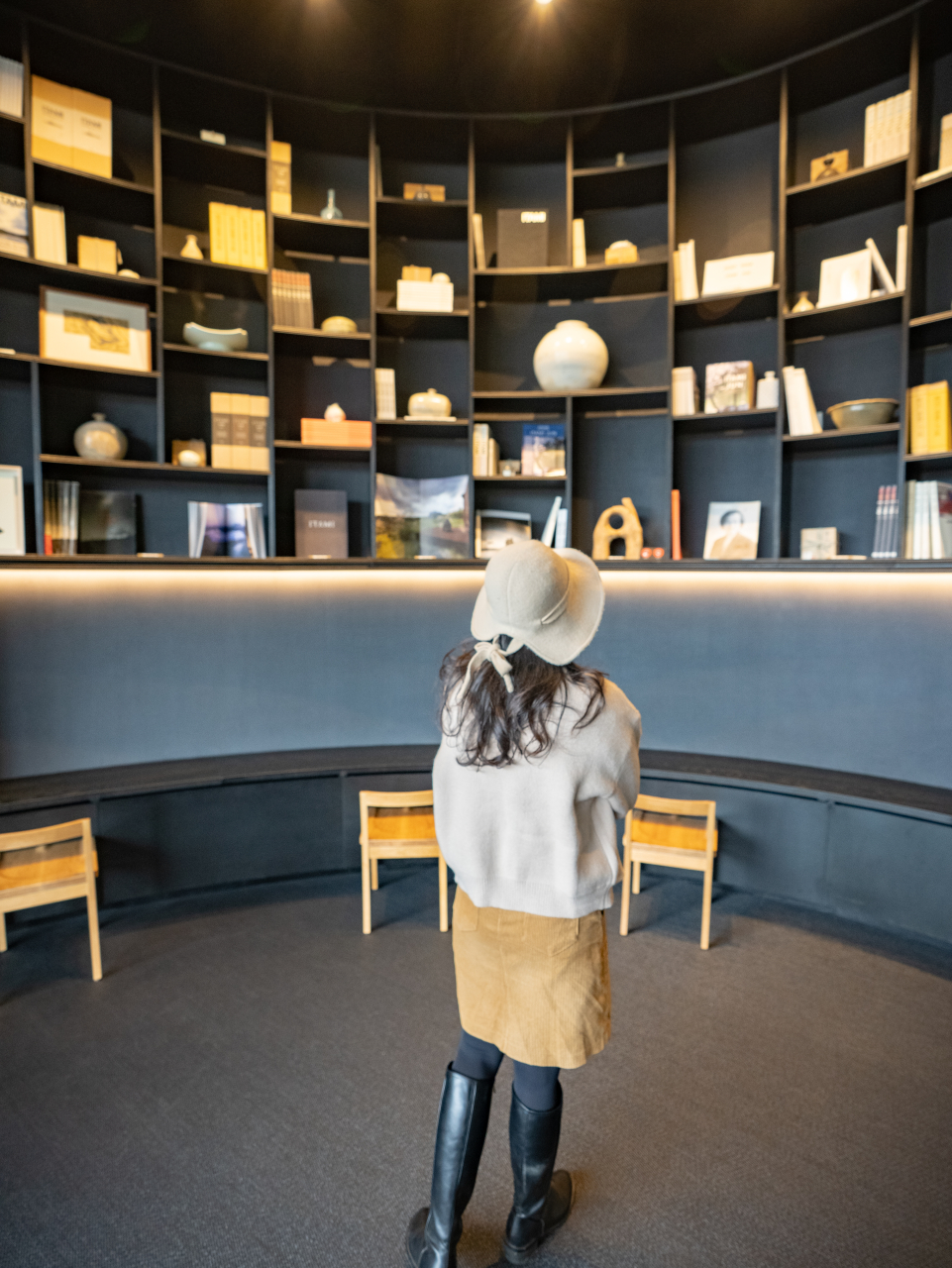
The museum is a two-story building. On the 1st floor, there’s a space that brings together Yoo Dong-ryong’s books and collections of his works, a classroom where various programs are held for children, and a tea lounge.
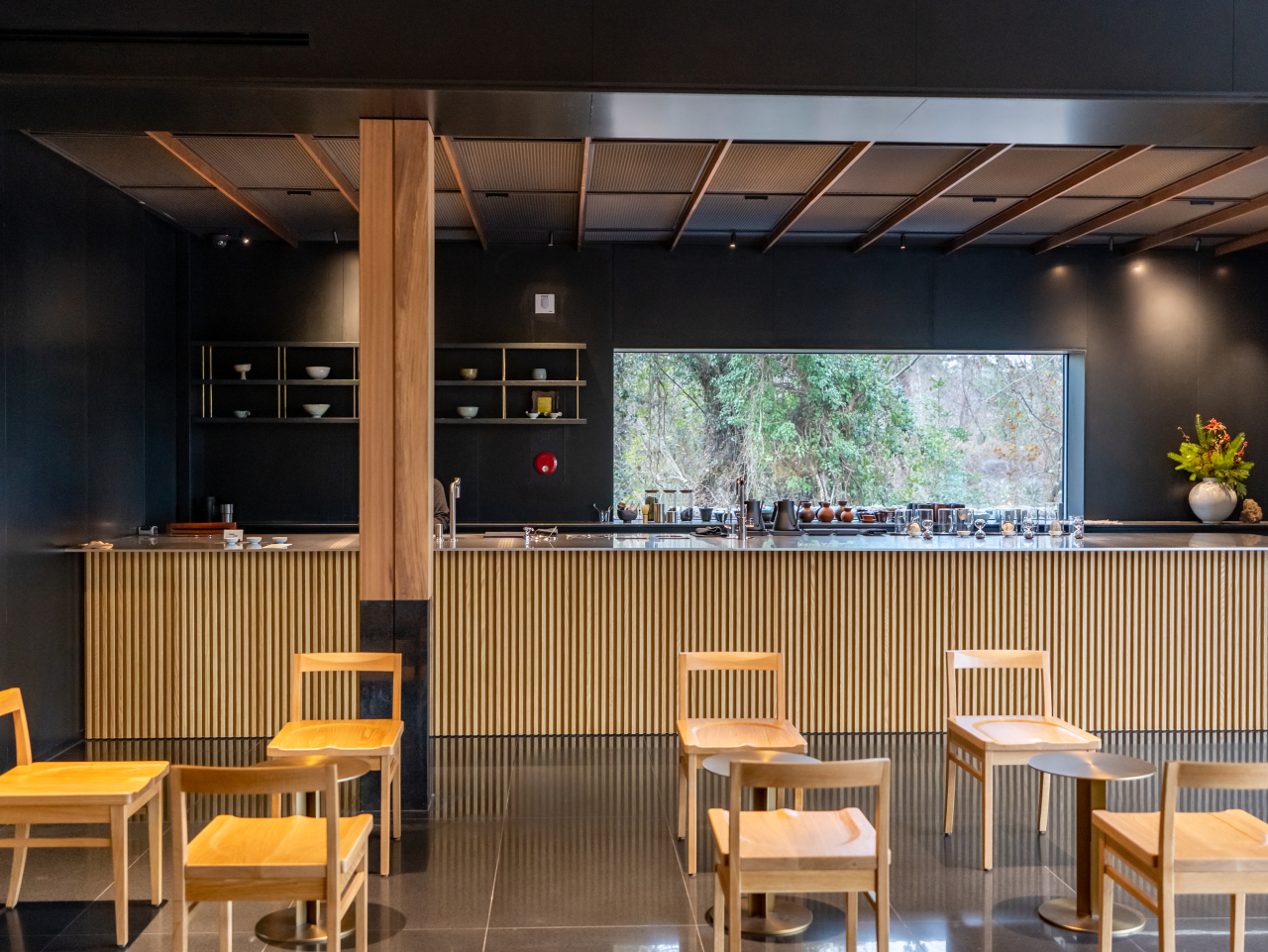
At the tea lounge, you can enjoy fragrant teas inspired by Yoo Dong-ryong—who loved tea and often shared it with guests as they spent time together.
We visited during the residents-free-admission period in December, so we didn’t get to try the tea. But we heard that guests who purchase admission tickets receive either a cup of tea or a souvenir.
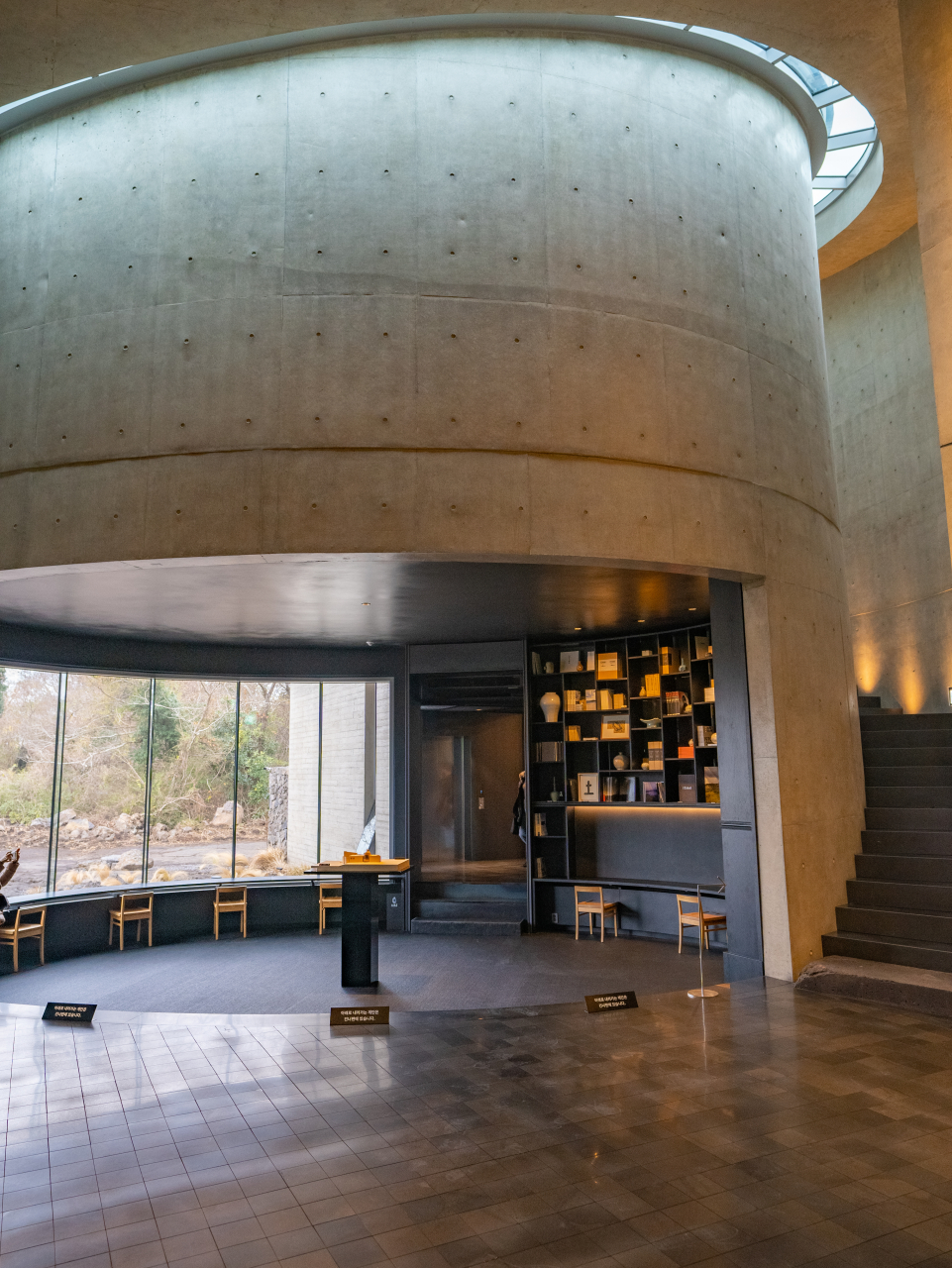
On the 2nd floor, there are three galleries in total.
The theme of the first exhibition is “Architect of the Wind, Itami Jun.”
From 1970 to 2011, architectural works by Yoo Dong-ryong as well as artworks such as paintings, calligraphy, and sculptures are on display.
You can see everything from sketches to bird’s-eye renderings of well-known buildings such as Podo Hotel, Pinx Biotopia, Supungseok Museum, and Bangju Church.
It was even better with the audio docent narrated by the voices of actors Moon So-ri and Jung Woo-sung, along with aespa’s Giselle and Karina—making it more than just a museum you look at, but one you experience through sound as well.
Photography and video recording are not allowed on the 2nd floor, so there are no photos.
It felt even better because we could put the camera down and really focus on the exhibition.
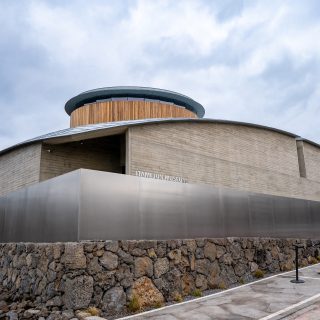
This is a multi-purpose cultural space where you can experience the architectural world and artistic philosophy of Korean-Japanese architect Yoo Dong-ryong (Itami Jun). Designed to harmonize with Jeju’s natural surroundings, the building itself is regarded as a work of art, and its exhibition spaces, garden, and contemplative areas come together to offer a memorable experience. Stroll slowly through spaces that embody Jeju’s natural elements—water, wind, and stone—and feel the beauty of architecture, art, and nature meeting as one.
플레이스 보기


제주의 사계절을 글과 사진으로 담아내는 로컬 크리에이터, 제주 쏭입니다. 도민의 시선으로 직접 검증한 알짜 정보와 따뜻한 일상을 기록합니다. 여행자에게는 유용한 팁을, 이웃에게는 공감을 전하며 머무는 모든 순간이 특별해지는 깊이 있는 여정을 제안합니다.

Comments
0No comments yet.