Rain today, rain tomorrow… the nationwide rainy season has begun.
In Jeju, June marks the start of the wet season. The monsoon that begins around mid-June can end as early as late June, or linger into July.
That’s why I don’t particularly recommend traveling to Jeju in June—but you can’t exactly stop a trip that’s already planned!
Let’s look at Jeju travel spots you can enjoy without worry, even with raindrops pouring down.
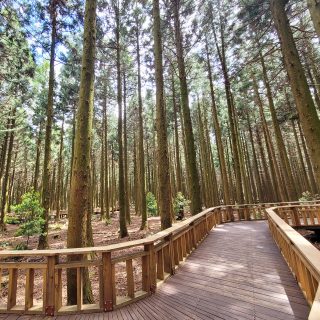
A well-known Jeju nature spot featuring a signature cedar-and-cypress forest path, famous for its tranquil atmosphere created by the lush woods and its fresh, clean air. The trail is relatively gentle and well maintained, making it easy for visitors of all ages to enjoy a light walk. Each season brings its own charm, from vivid green scenery to mystical, foggy landscapes. Located in the mid-mountain area of eastern Jeju, it lets you experience the region’s natural ecology as it is, and it remains a beloved healing course for travelers who want to escape busy tourist areas and walk in peace.
플레이스 보기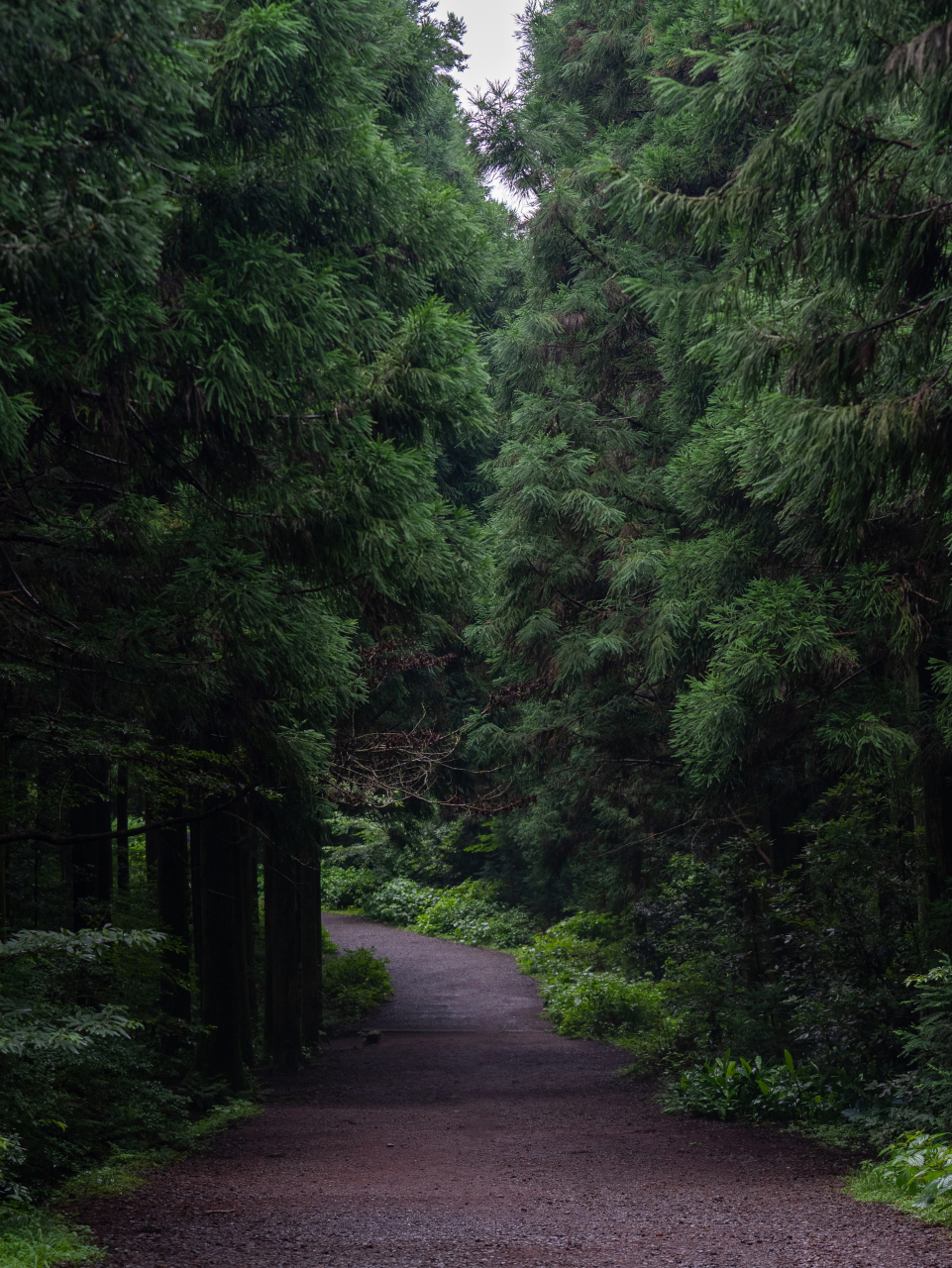
How about walking a forest trail after the rain?
Located in Gyorae-ri, Jocheon-eup, Saryeoni Forest Path is a popular spot many travelers seek out. With that popularity, it can feel so crowded that it’s hard to find a sense of healing. But when it rains, it’s a different story.
The romance of walking an empty forest trail alone will be there to welcome you.
Especially after rainfall, the forest smells richer—earth and trees—and the wind-driven rain brushing past the trunks sounds like the forest’s own song.
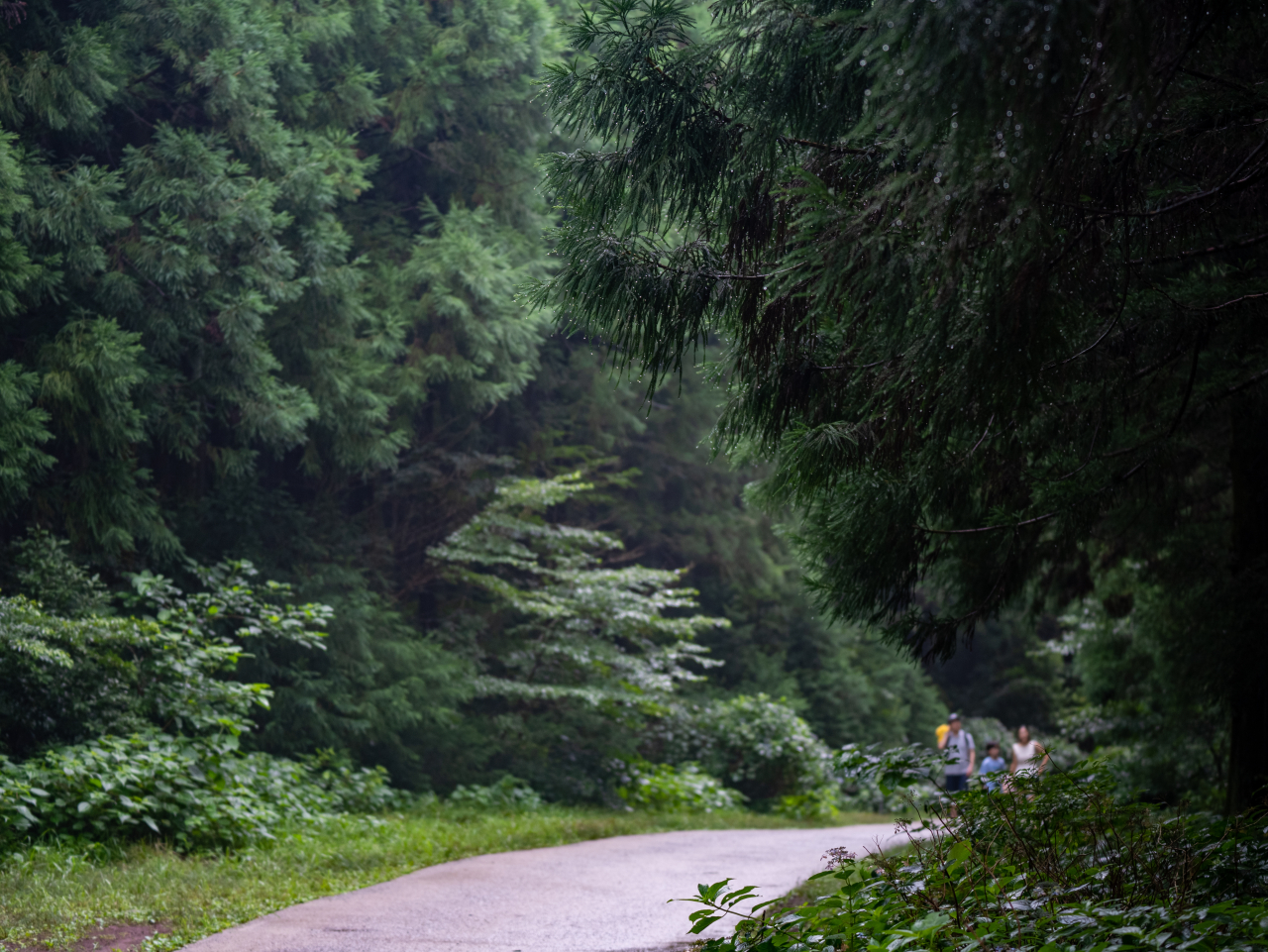
Raindrops beading and sparkling on green leaves create a beautiful, almost mysterious view.
If it starts raining during your Jeju trip, don’t hesitate—head to Saryeoni Forest Path! For peak rainy-day romance, all you need is a raincoat.
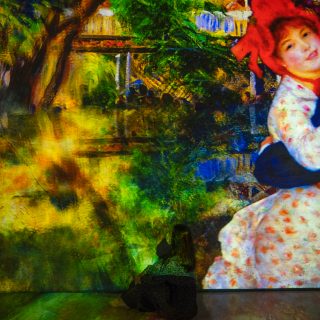
This is an immersive media art exhibition hall created by repurposing a former national communications facility bunker. Light, visuals, and music unfold across the vast walls and entire floor, delivering a special experience that feels like stepping into the artwork itself. Exhibitions reimagine works by world-renowned artists through digital art, and the space itself is distinctive for feeling like one enormous piece of art. It’s a great place to visit during a Jeju trip as you can enjoy it regardless of the weather, and it remains a beloved 대표 indoor attraction in Jeju for travelers who want to enjoy art, culture, and something a little different.
플레이스 보기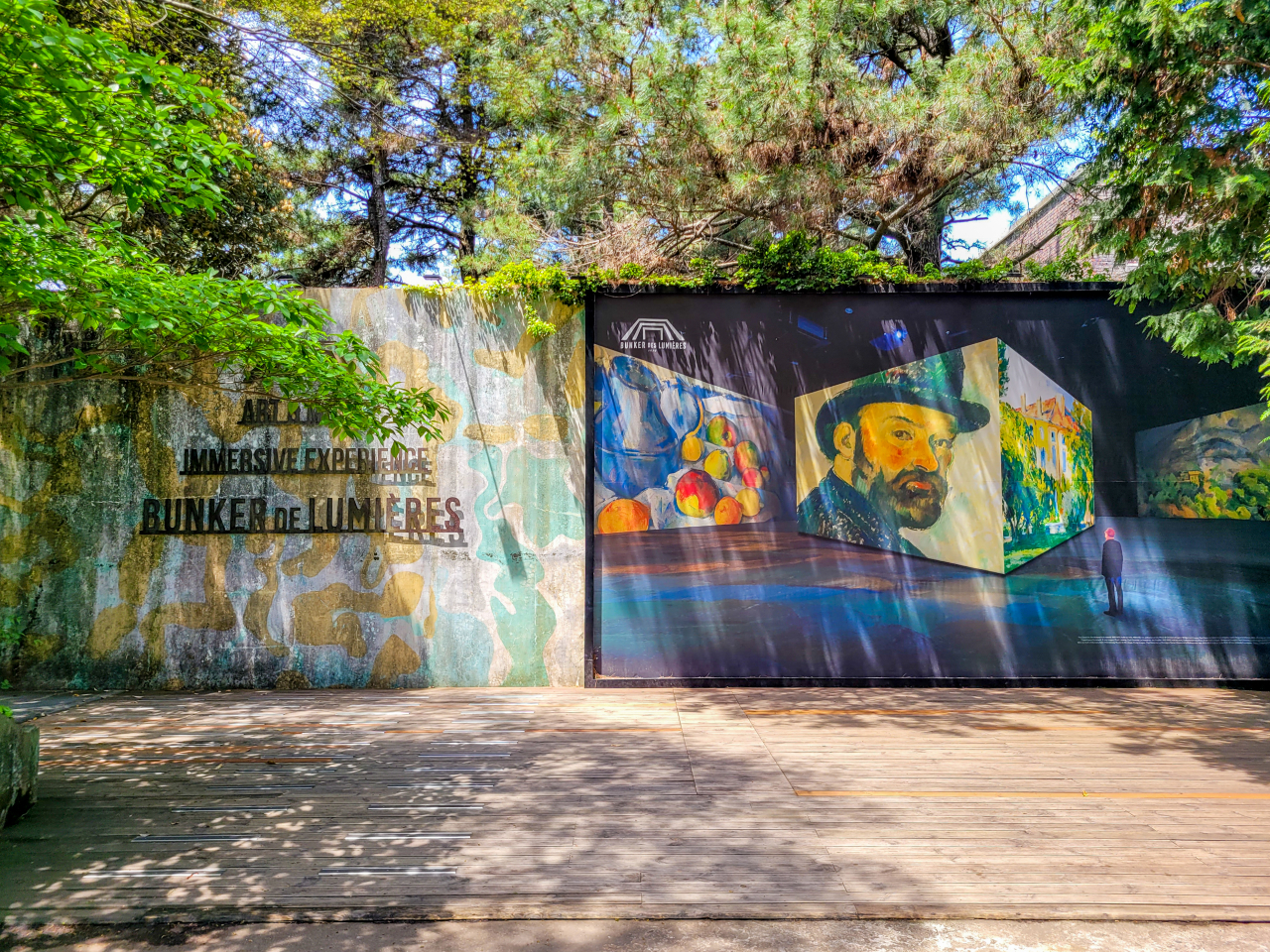
Visit Bunker de Lumières, where you can experience artists’ works through media art.
This exhibition space repurposes an underground bunker that once served as a national communications facility, making it unique not only for the shows but also architecturally.
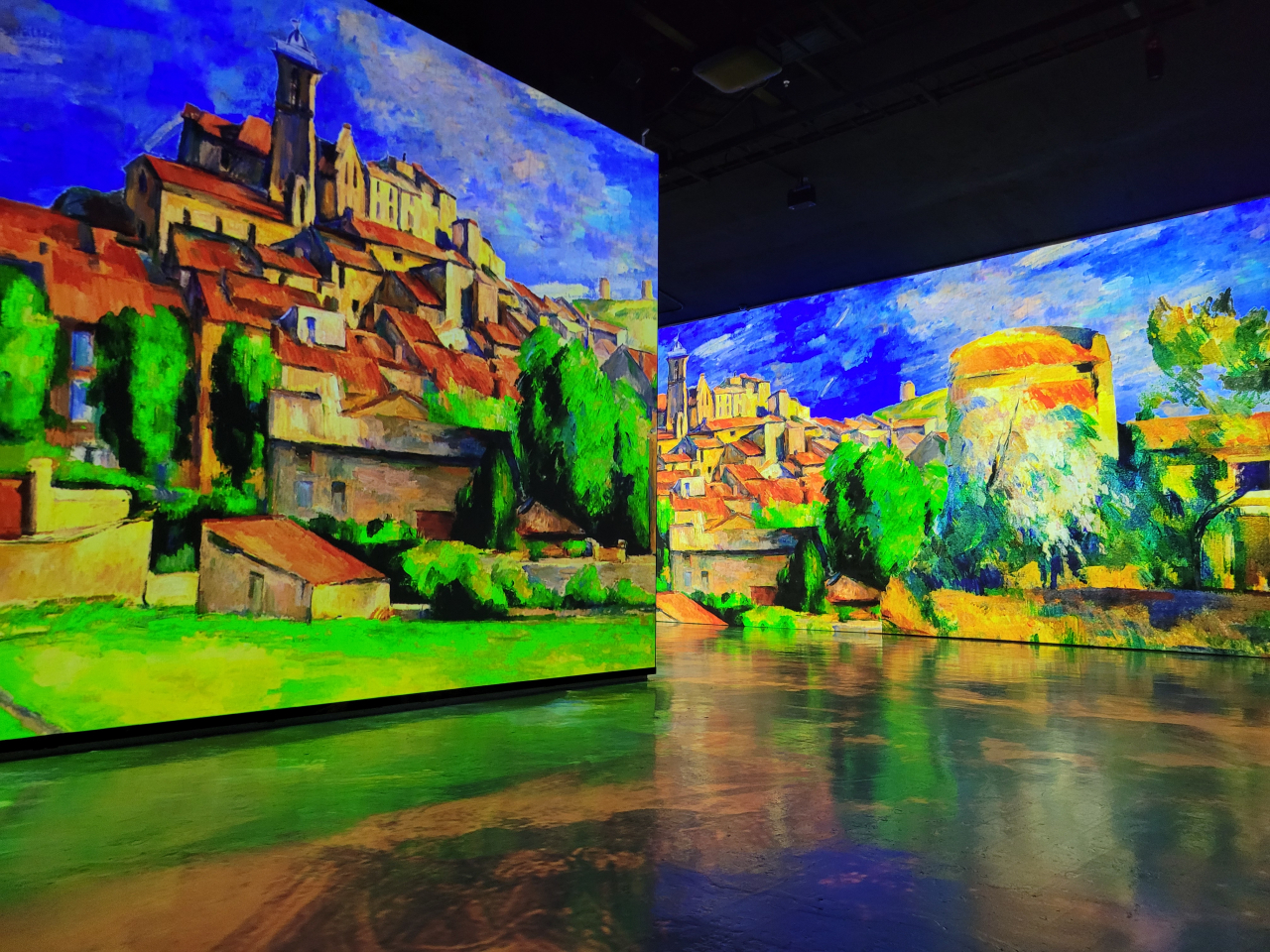
Currently, an exhibition themed “Cézanne, Light of Provence” is underway. It reimagines works painted by French artist Cézanne after returning to his hometown, transforming them into immersive media art.
Find a seat in a quiet corner of the hall and take it in at your own pace.
This is a multi-purpose cultural space where you can experience the architectural world and artistic philosophy of Korean-Japanese architect Yoo Dong-ryong (Itami Jun). Designed to harmonize with Jeju’s natural surroundings, the building itself is regarded as a work of art, and its exhibition spaces, garden, and contemplative areas come together to offer a memorable experience. Stroll slowly through spaces that embody Jeju’s natural elements—water, wind, and stone—and feel the beauty of architecture, art, and nature meeting as one.
플레이스 보기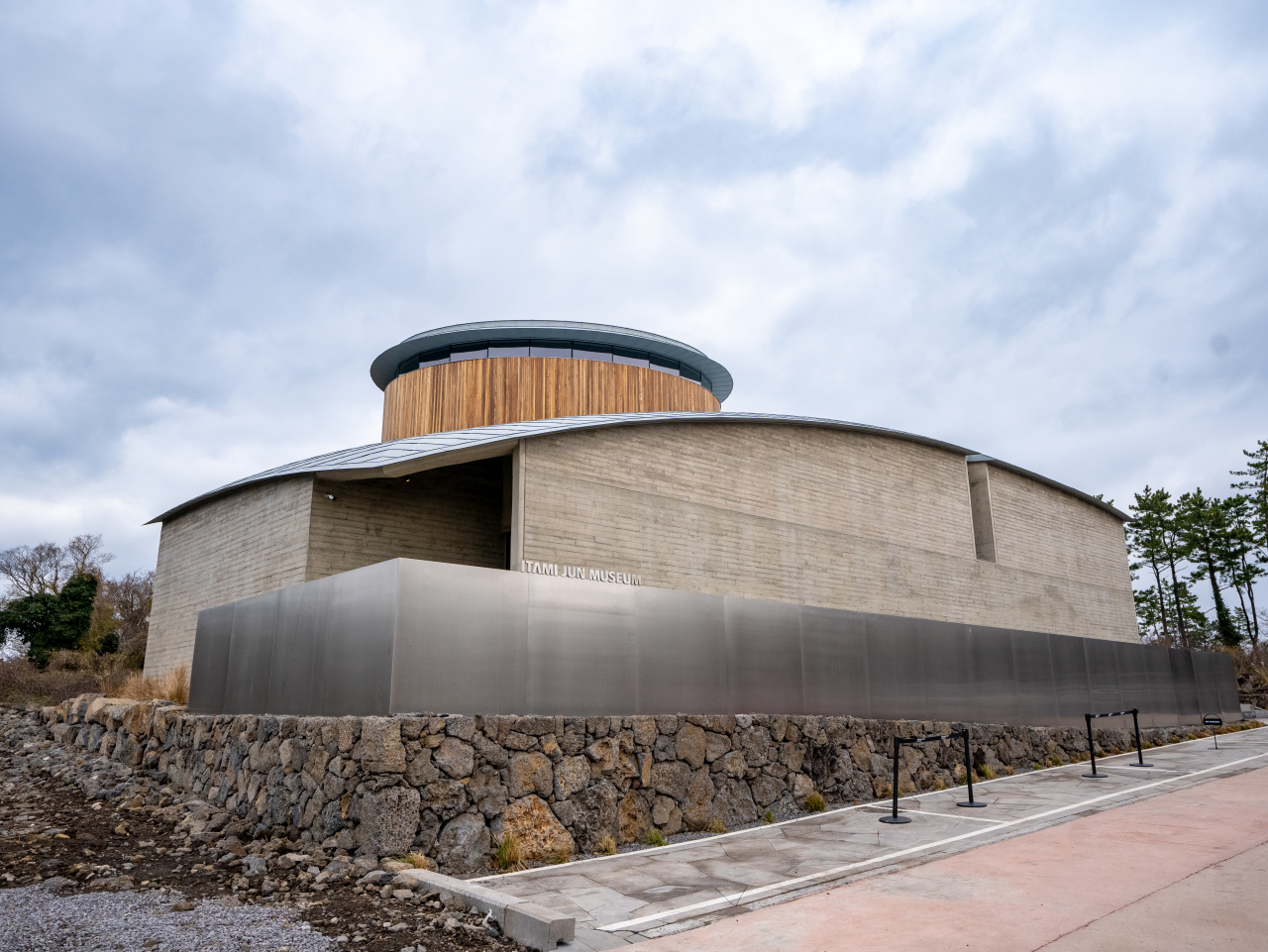
This exhibition hall traces the architectural life of the world-renowned architect Yudongryong, better known by his Japanese name, Itami Jun.
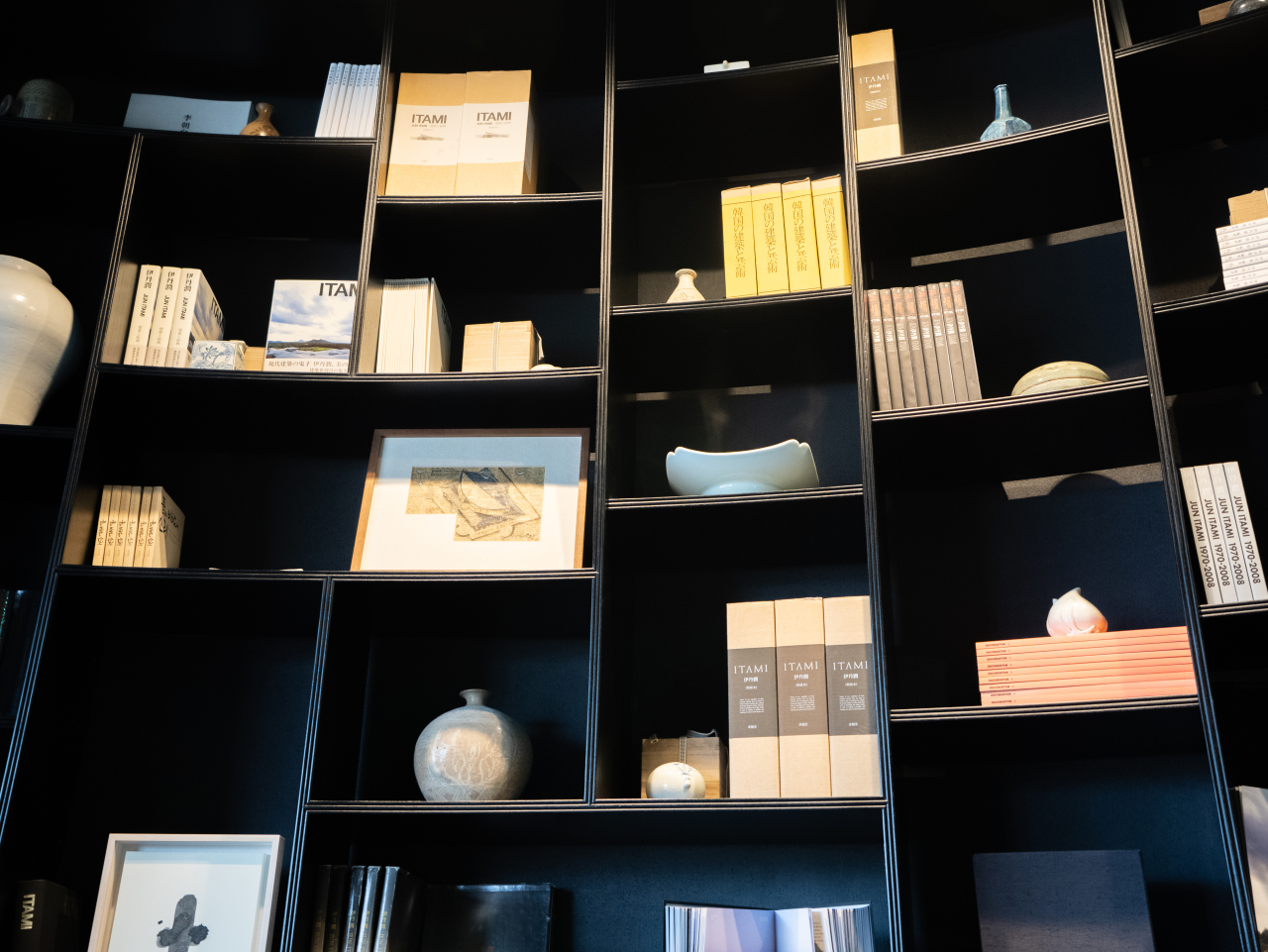
Through photos of his buildings and his diaries, you can catch glimpses of his thoughts.
It’s a shame I can’t show you more, since photography is not allowed for the exhibits.
His works in Jeju—such as “Bangju Church”, “Podo Hotel”, and “Soopungseok Museum”—speak for his architectural world.
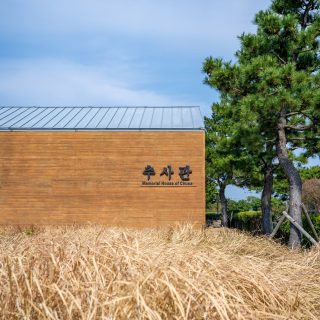
This cultural space was created to honor Chusa Kim Jeong-hui, a great scholar and artist of the late Joseon period. Visitors can delve into his academic and artistic world through various materials and exhibitions, including works in the Chusa style of calligraphy. Behind the hall, the actual site of his exile has been restored, making the historical significance feel more vivid. The distinctive architecture designed by architect Seung Hyo-sang also draws much attention, and the calm, serene atmosphere makes it an excellent place to experience Jeju’s history and culture. If you’re traveling around Daejeong, it’s a 대표 cultural heritage stop to visit along with Songaksan and the Altteureu Airfield.
플레이스 보기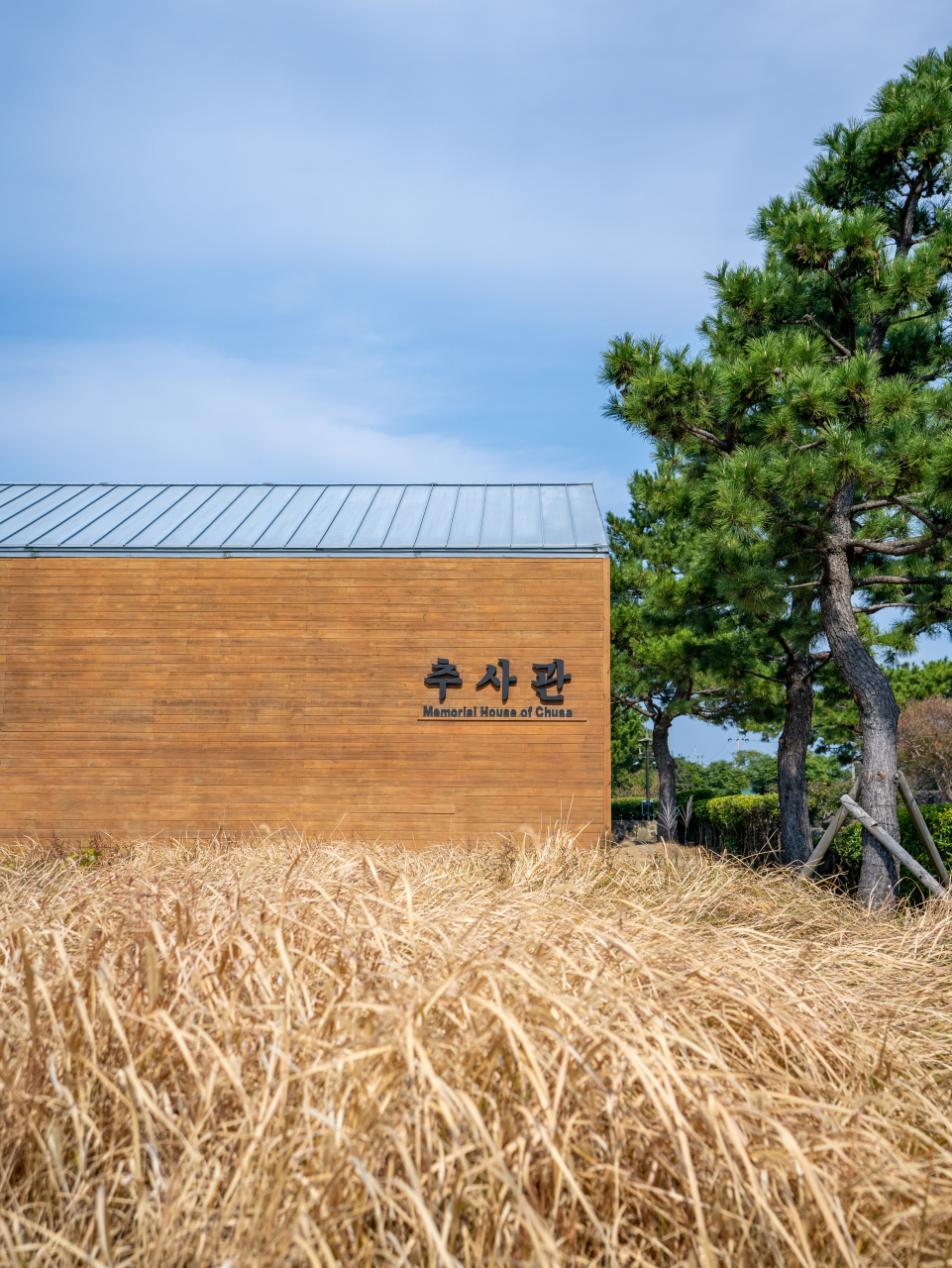
This exhibition hall preserves the exile life of Chusa Kim Jeong-hui, a civil official from the late Joseon period.
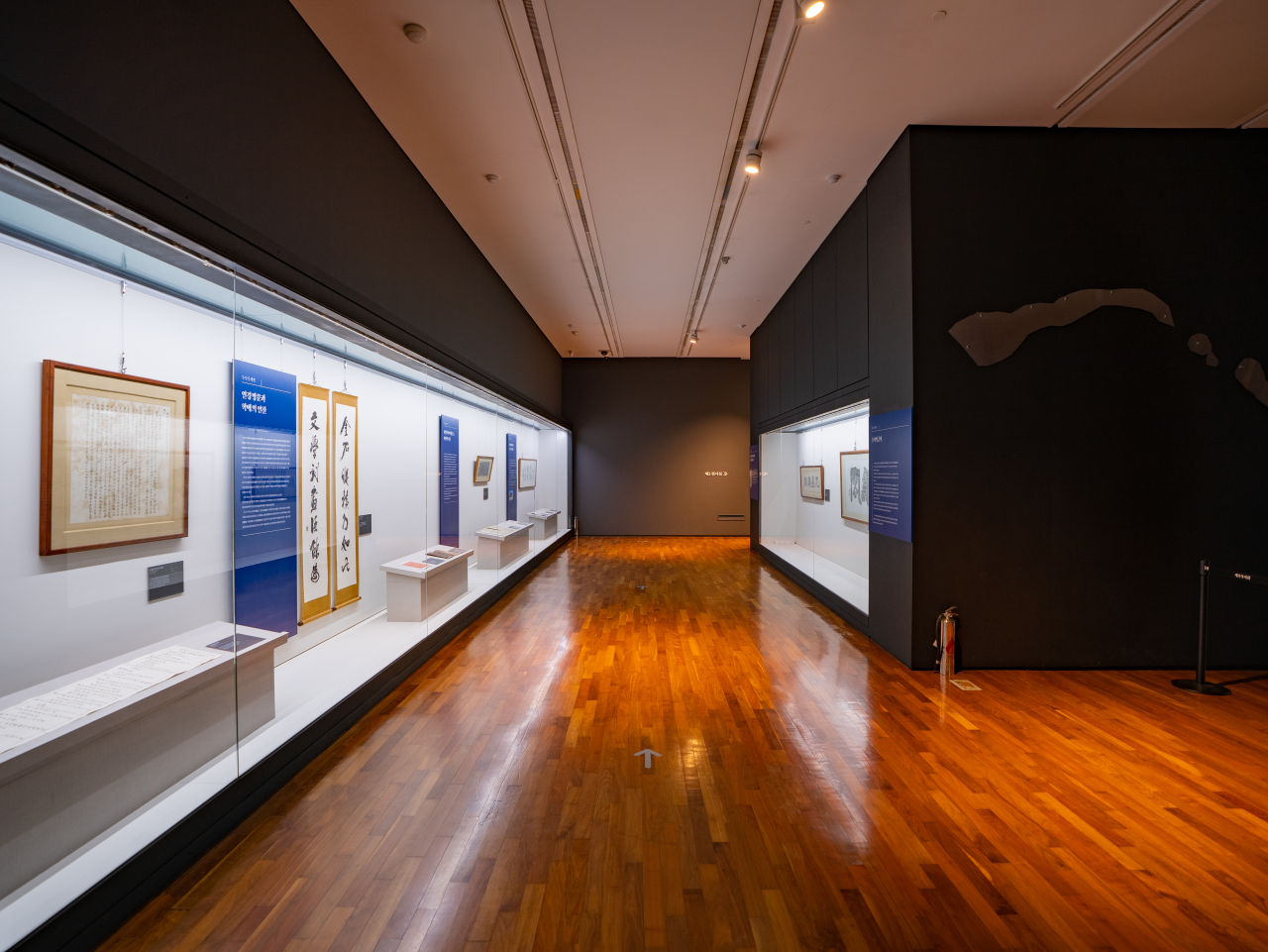
It was opened to remember his dedication and works left behind in Jeju, and I recommend it—there’s a lot to see even though admission is free.
The residence where Kim Jeong-hui lived has also been restored as it was, so you can experience a traditional Jeju house as well.

제주살이 10년 차, 일상 속 여행을 기록하는 크리에이터입니다. 바다와 바람, 낯선 골목에 스며든 제주를 좋아하고, 그 안에서 느꼈던 순간들을 글과 사진으로 전하고 있어요. 여행지보다는 여행의 온도를 담는 일을 합니다.

Comments
0No comments yet.