There are two places in Jeju I love most, and they’re both views: the scenery you see when crossing Songaksan from Mosulpo, and the view that opens up as you head down toward Daepyeong-ri village.
Both are so breathtaking they make you exclaim out loud—you can really feel the grandeur of nature.
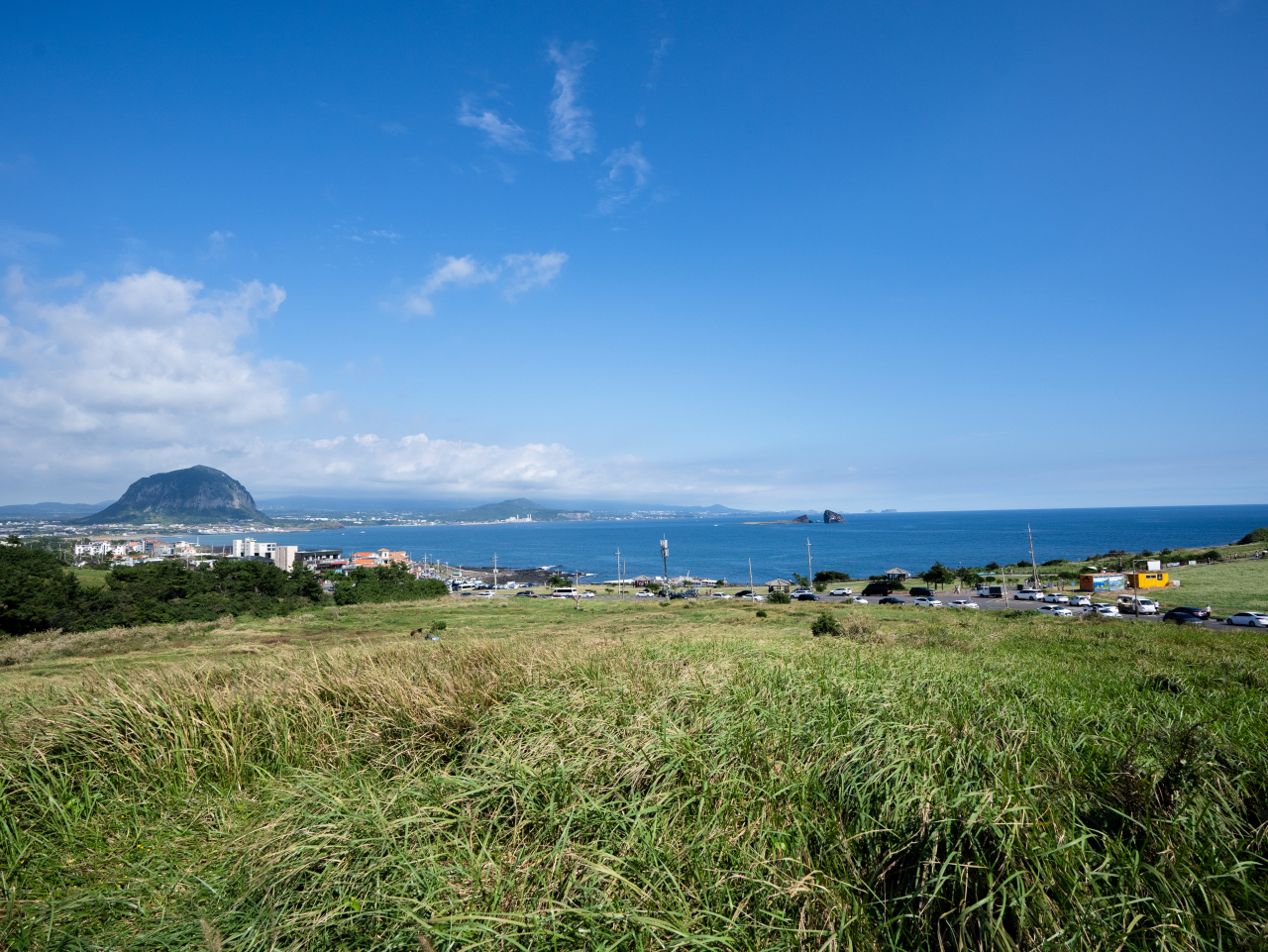
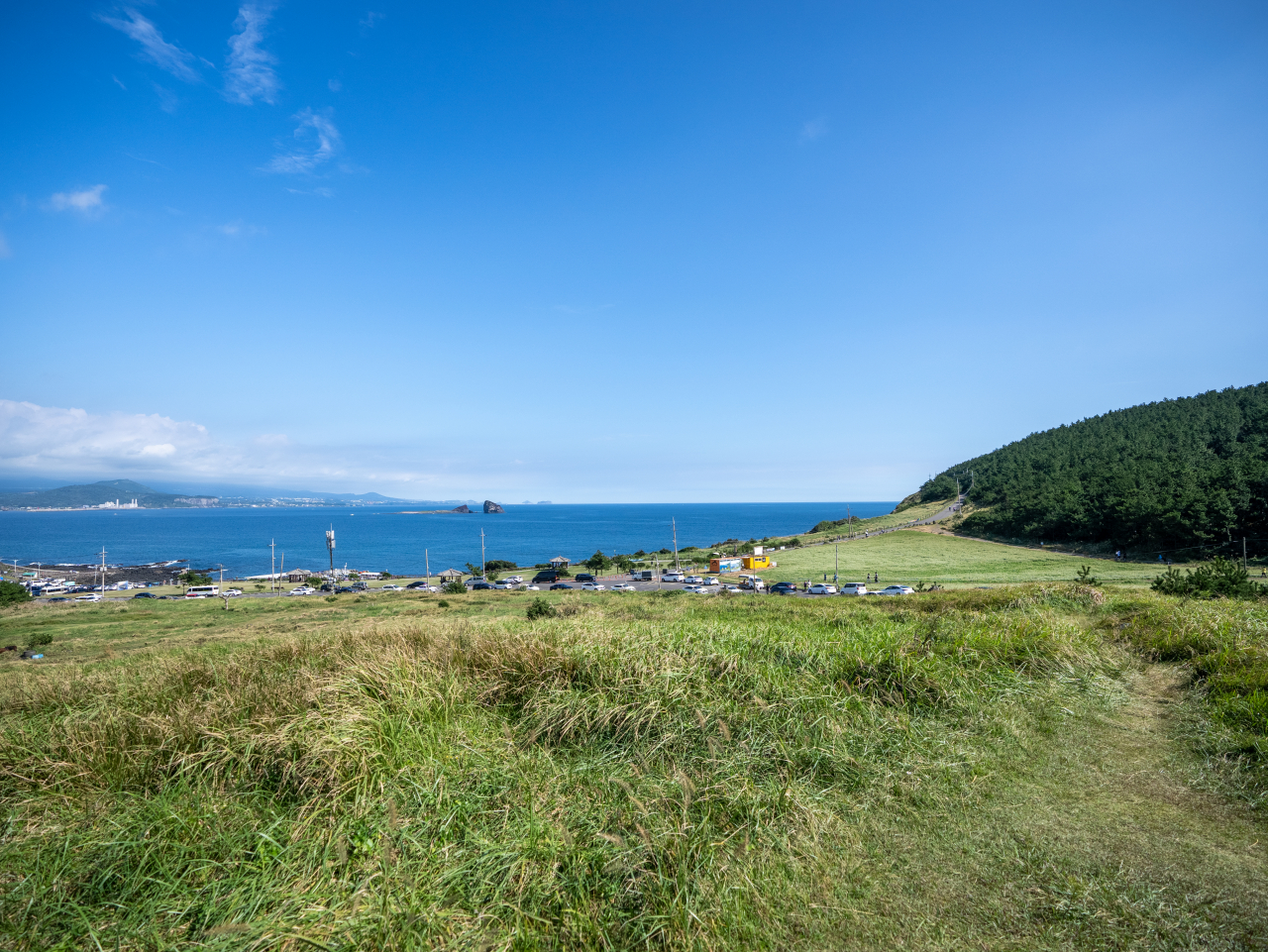
Jeoluri Oreum, Songaksan
After the heat of summer, the best season for trekking has returned. Whenever the weather is nice, I often walk the Songaksan Coastal Trail. As you walk immersed in nature, the sound of waves echoing up from beneath the rugged cliffs seems to seep into your entire body. The sound feels refreshingly cool, yet at times it can also resemble a sorrowful cry—and because Songaksan’s waves are said to sound like sobbing, it’s also called Jeoluri Oreum.
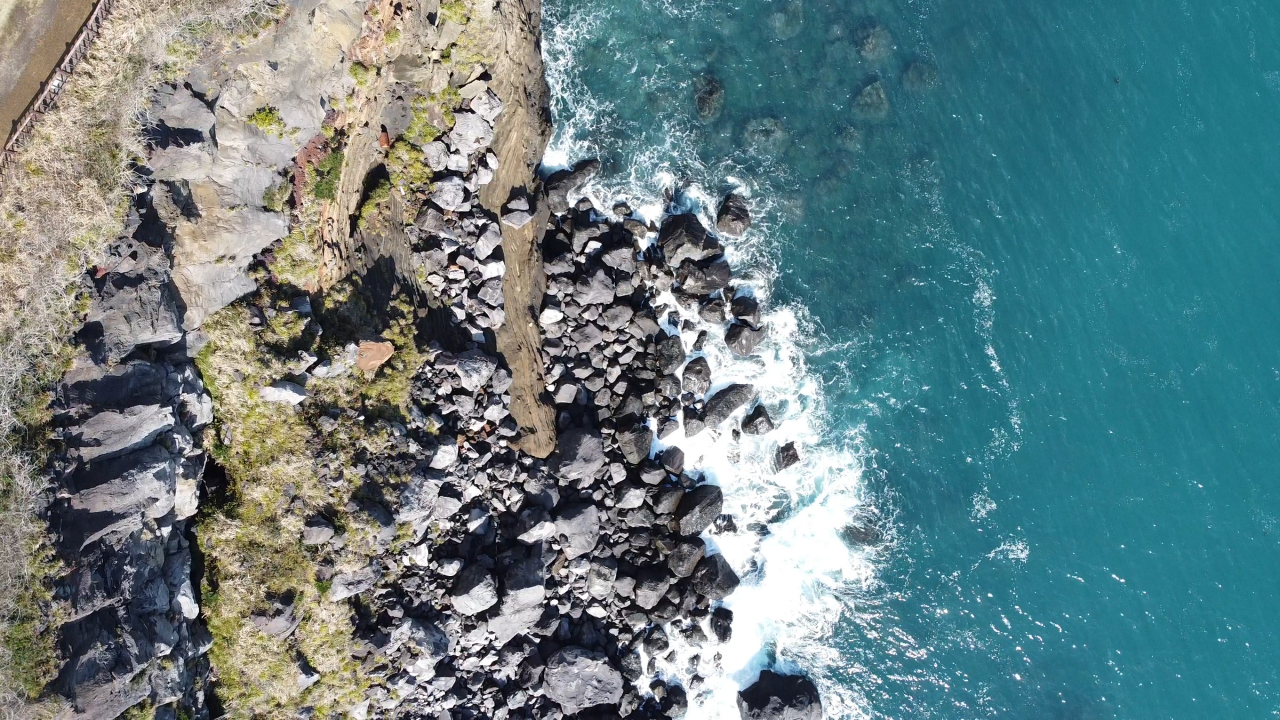
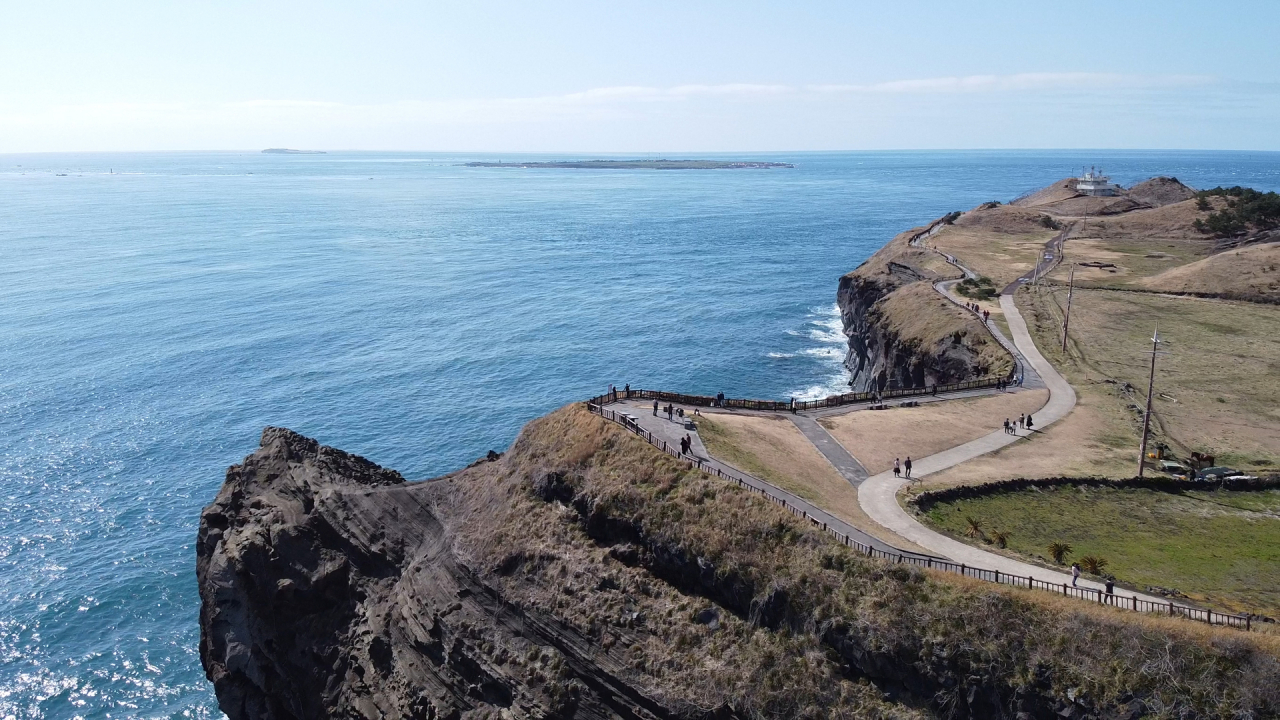
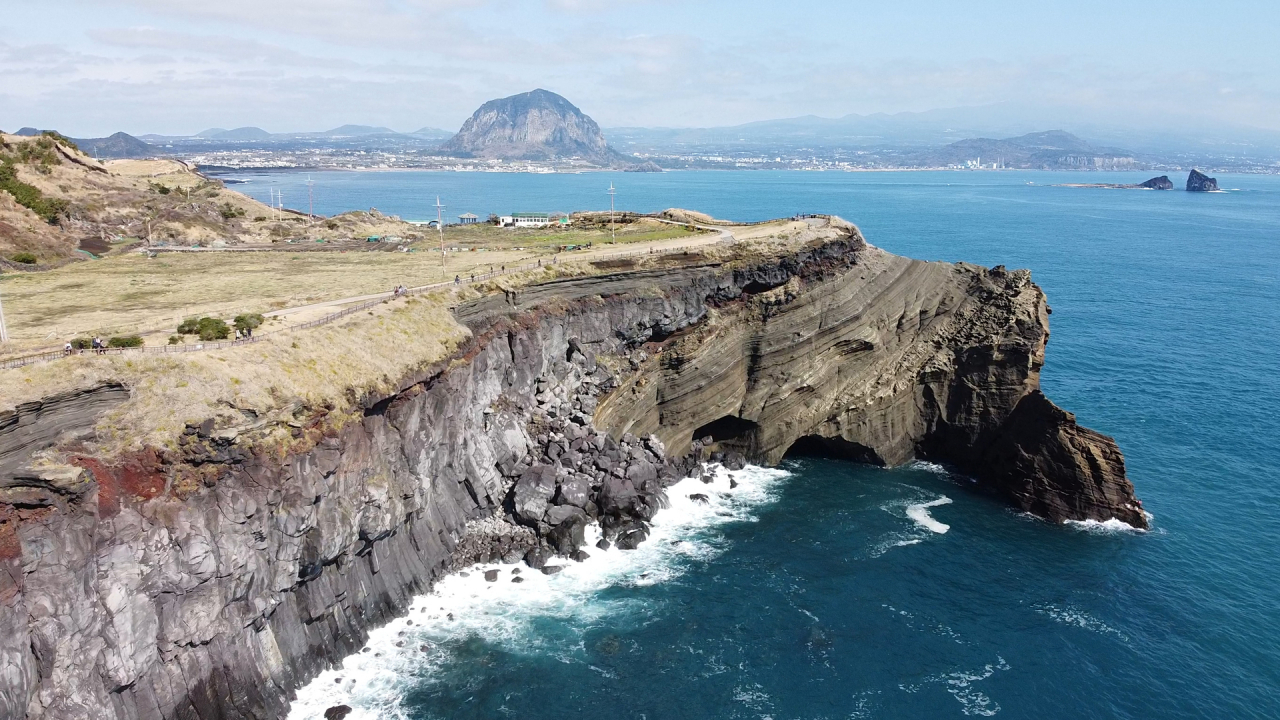
Songaksan is also a place that carries painful history. As you walk the Songaksan Coastal Trail, you can find countless military tunnels left behind from the Japanese colonial period.
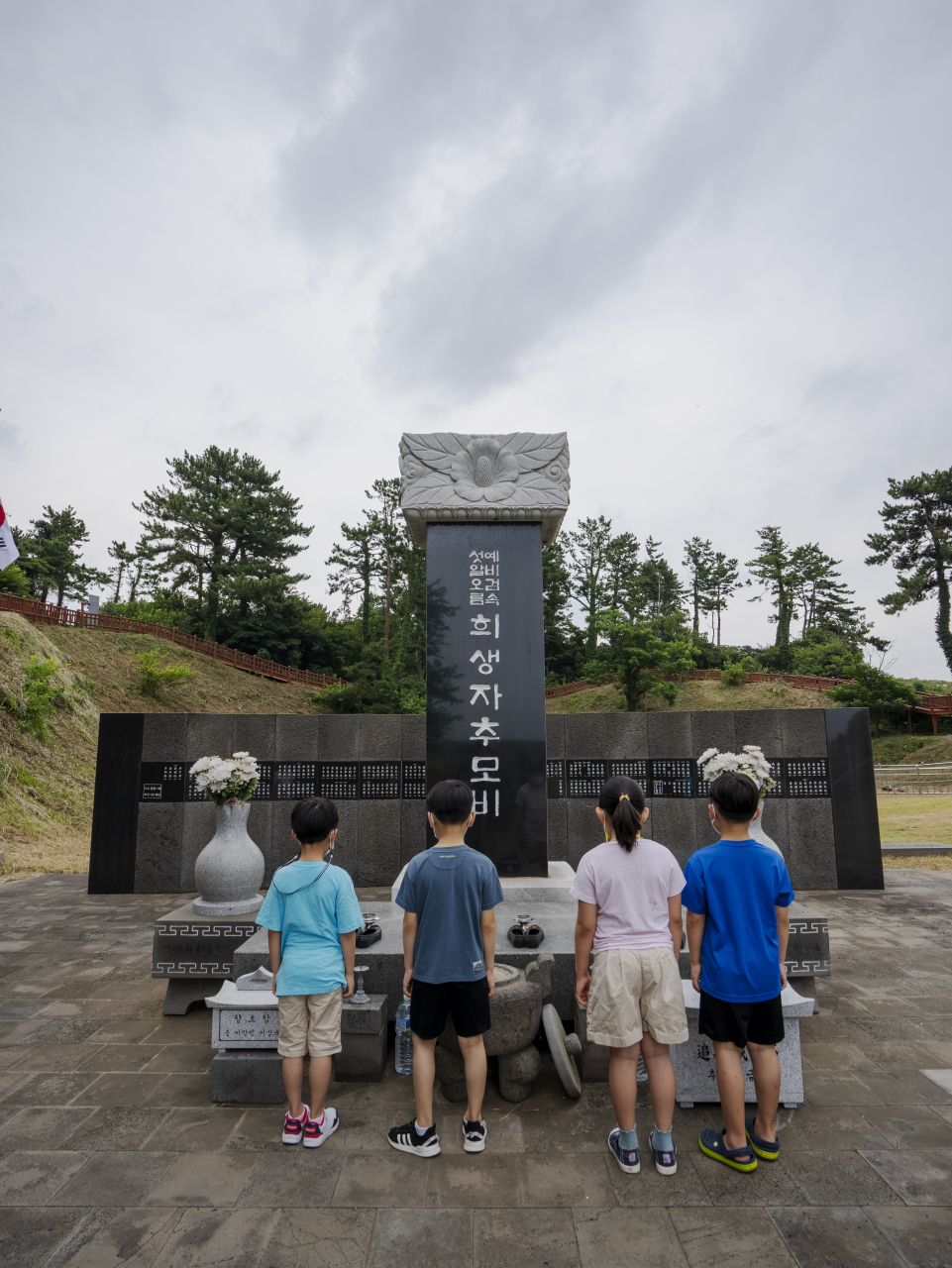
At nearby Seotal Oreum, which connects to Songaksan, a massacre site from the Jeju 4·3 Incident—where many people were killed—still remains. Today, a memorial monument stands there to remember them.
How many people must have suffered such injustice?
That’s why “Jeoluri” in Jeju dialect also carries the meaning of “the crying sound of breath.”
For the past six years, Songaksan’s summit trail had been closed under a nature-rest program. But finally, some sections reopened this year. Still, the main route all the way to the very top has not yet opened, and it seems it may only open about a year from now.
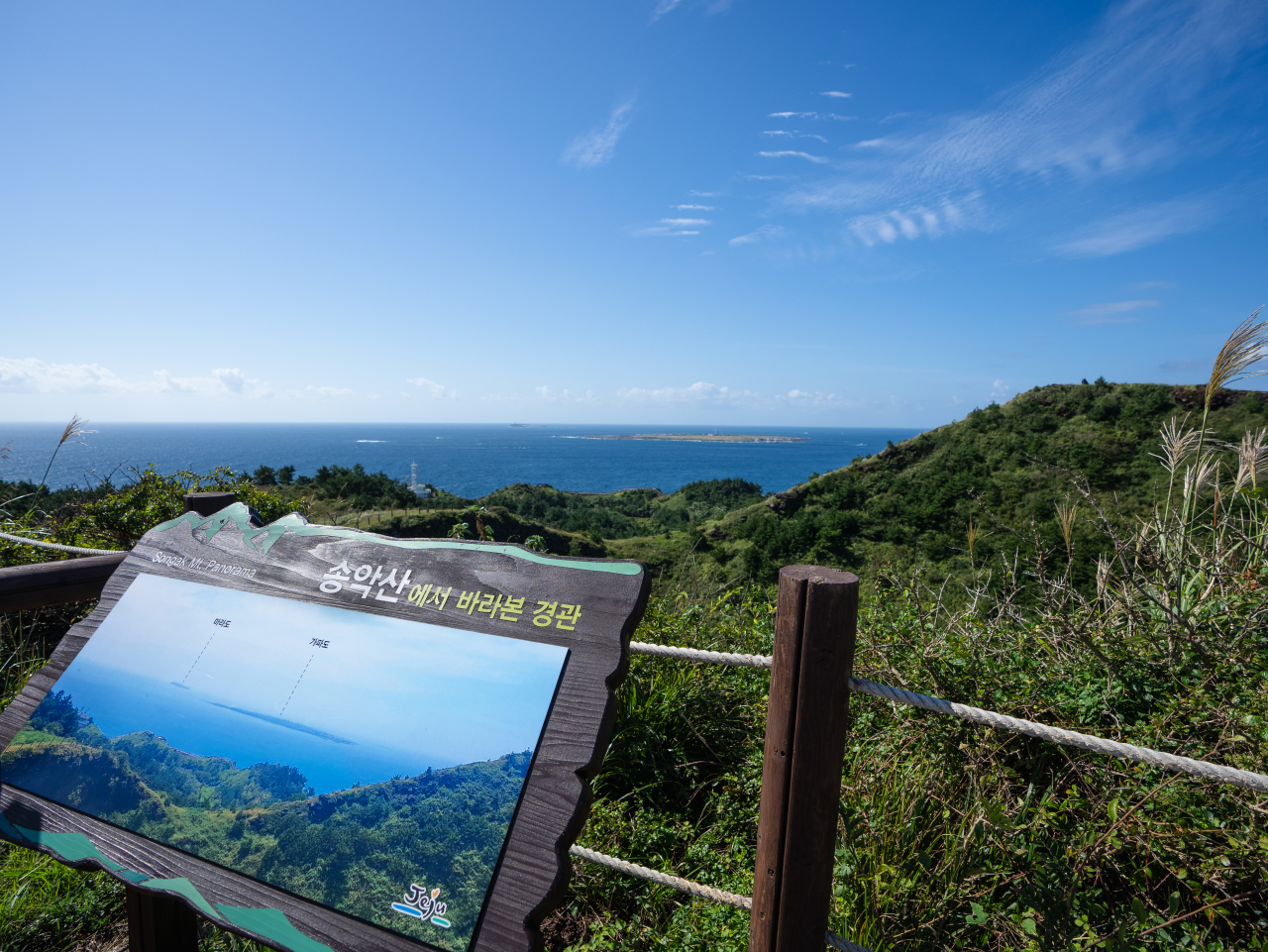
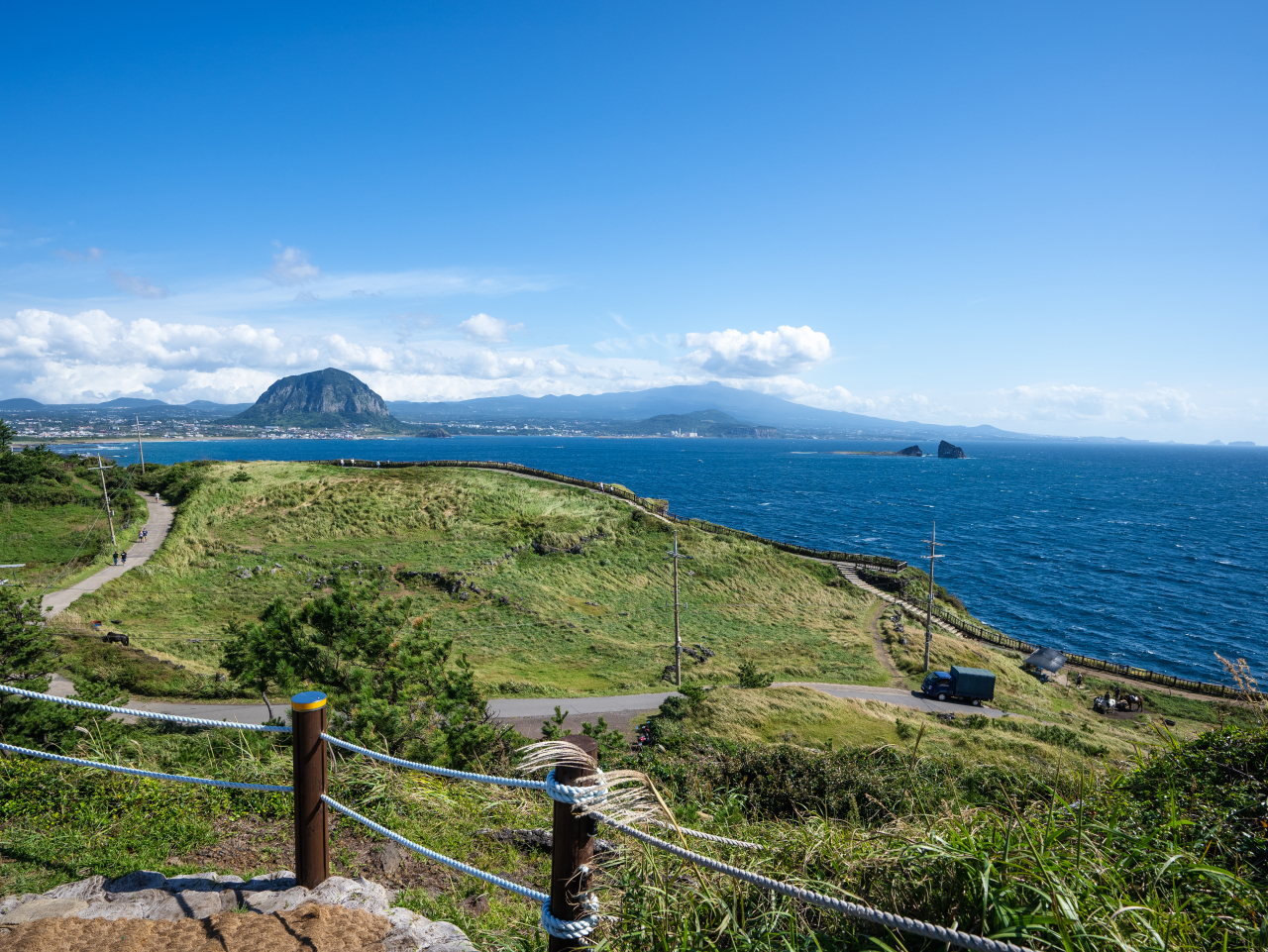
Songaksan offers truly spectacular scenery. From the trailhead, the views of Hallasan, Sanbangsan, Hyeongjeseom, and Jeju’s southern coastline are simply stunning. Around the middle of the coastal trail, the dramatic rock formations let you glimpse the majesty of nature up close, and far out at sea you can take in Marado—the southernmost point of the Republic of Korea—along with Gapado, all at once.
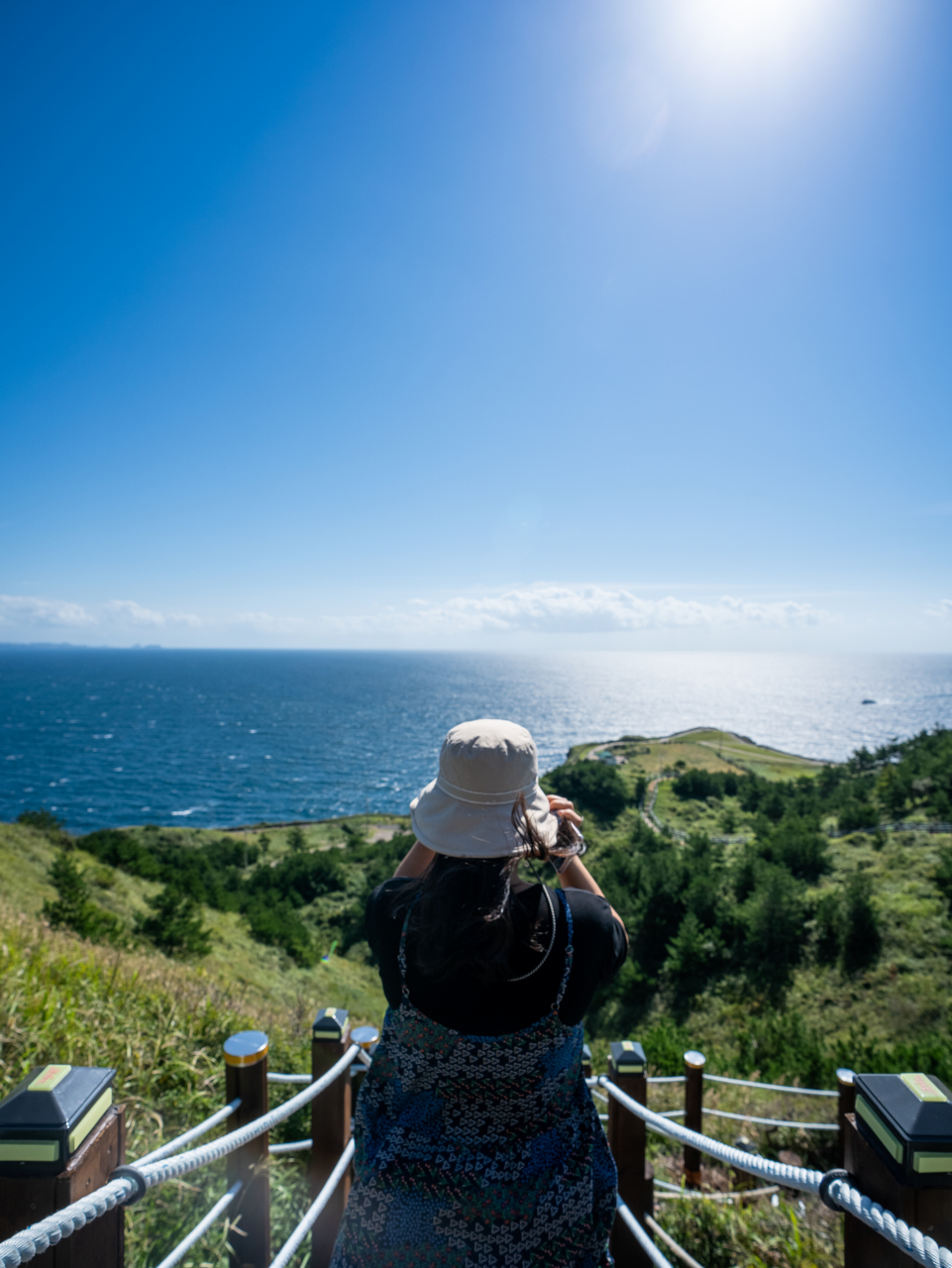
Near the end of the coastal trail, true to the name “Songaksan,” you’ll come to a forest path thick with pine trees—this is my favorite section. The name Songaksan comes from the many pines here, and because from a distance the mountain is said to resemble an alligator’s head.
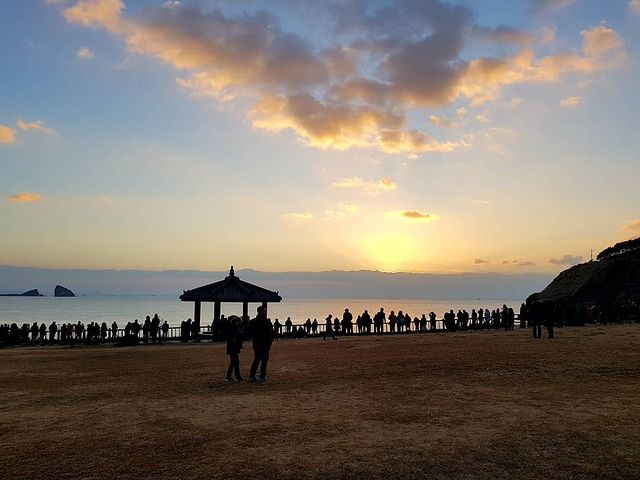
One more thing: Songaksan is also a wonderful spot in Jeju where you can catch both sunrise and sunset. Around New Year’s, so many people come to watch the first sunrise that a sunrise festival is even held here—and at dusk, many others visit to admire the pink-tinged twilight glow.
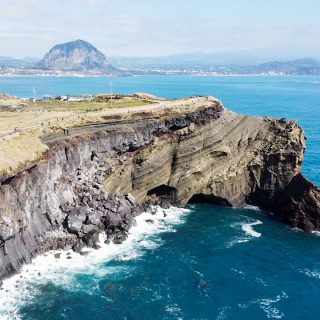
Songaksan is a 104 m-high oreum located in Daejeong-eup, and is considered one of the best spots to enjoy Jeju’s most beautiful coastal scenery. Walking along the gently laid-out trail, you’ll be greeted by wide-open views stretching to Sanbangsan, the Hyeongjeseom Islets, Gapado, and Marado. The ridgeline path that follows the sea and the crater landscape are especially scenic, drawing many visitors. However, access to parts of the summit trail is currently restricted for environmental conservation and safety. You can still enjoy a walk and the views along the sections that remain open. It’s a 대표 travel destination for experiencing the nature of southwestern Jeju up close.
플레이스 보기

제주살이 10년 차, 일상 속 여행을 기록하는 크리에이터입니다. 바다와 바람, 낯선 골목에 스며든 제주를 좋아하고, 그 안에서 느꼈던 순간들을 글과 사진으로 전하고 있어요. 여행지보다는 여행의 온도를 담는 일을 합니다.

Comments
1송악산은 저도 너무 좋아하는 곳이에요~
정상 탐방로가 개방되었다니 조만간 한번 다녀와야겠어요~