When is the best time to travel?
I’d say it might be May! Jeju in May is especially full of nature’s vivid colors. If you’re heading to Jeju in May, shall we travel together through the must-visit spots?
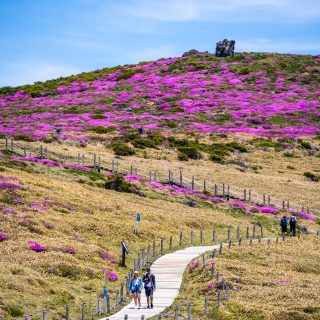
One of the 대표 trails in Hallasan National Park, this course is best known for the majestic Byeongpungbawi rock formation and its wide-open ridgeline views. The Yeongsil course to Witseoreum is relatively short at about 3.7 km, but with an early stair section and steady slopes, it still offers a light yet satisfying hike. With distinct seasonal scenery—spring azaleas, lush green ridges in summer, autumn foliage, and snowy winter landscapes—each visit feels different. At present, the Yeongsil course does not connect directly to the Baeknokdam summit; hiking is allowed only up to Witseoreum, and the trail is operated as a no-reservation entry course. A must-do trekking route for travelers who want to experience Hallasan’s overwhelming scenery in a comparatively short time.
플레이스 보기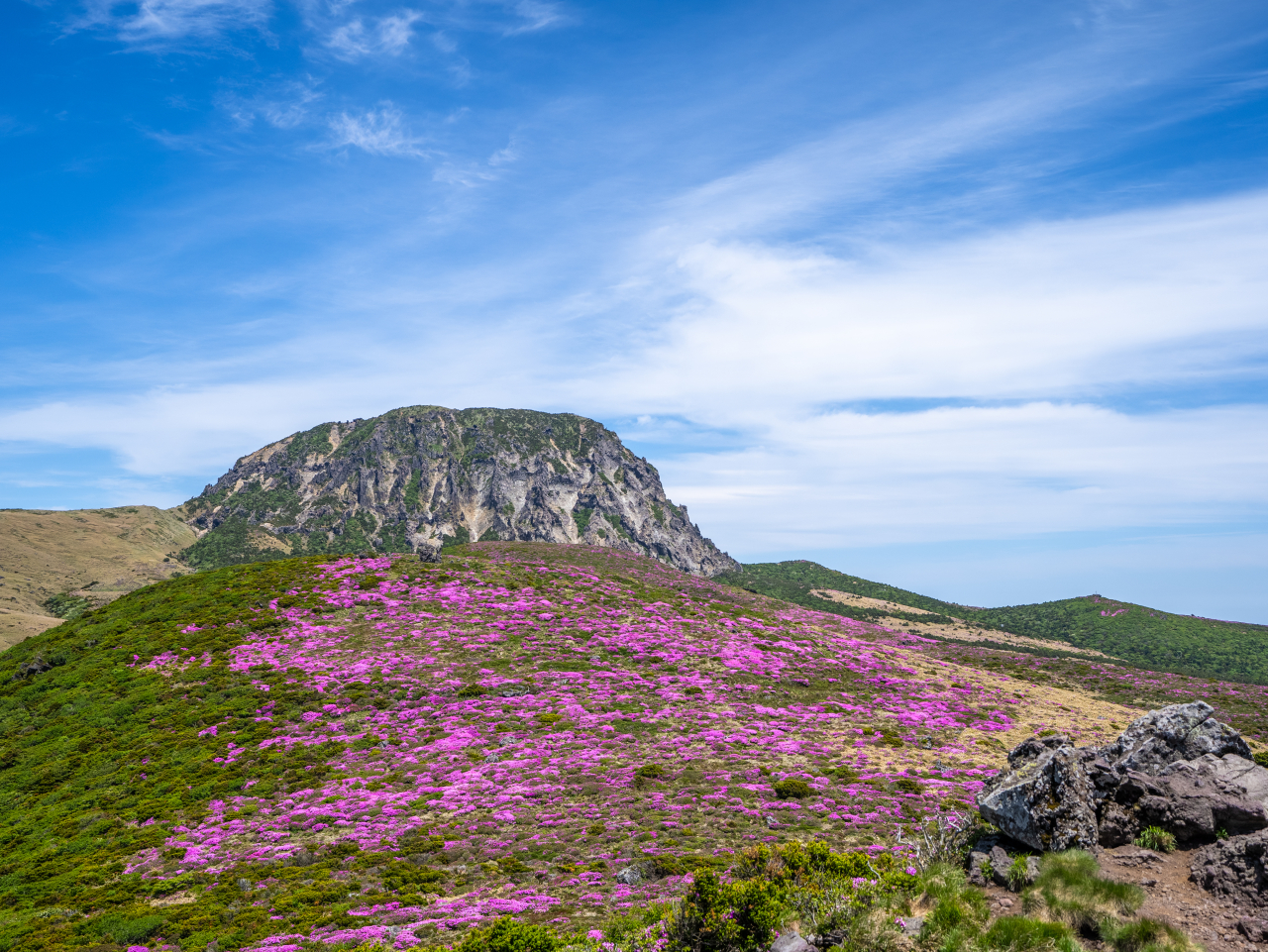
If you come to Jeju, I definitely recommend visiting Hallasan at least once. In May, Hallasan’s ridgelines are filled with pale pink Korean rhododendrons and deep pink azaleas. Seonjakjiwat on the Yeongsil Course, in particular, creates a truly breathtaking scene with its wide alpine flower fields. The Yeongsil Course is manageable even for elementary school kids, so be sure to give it a try!
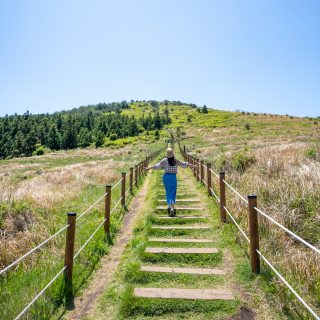
With a wide variety of medicinal herbs growing naturally here, it was named to mean “the oreum where a hundred medicinal herbs grow.” From the summit, a broad, round crater opens up, revealing a unique landscape reminiscent of a giant natural stadium. Walking along the gentle ridge, you can take in views of the many oreum and ranch scenery of eastern Jeju, making it a beloved spot for oreum trekking. The vivid green grassland and open 전망 are especially beautiful, so it’s also popular for photography.
플레이스 보기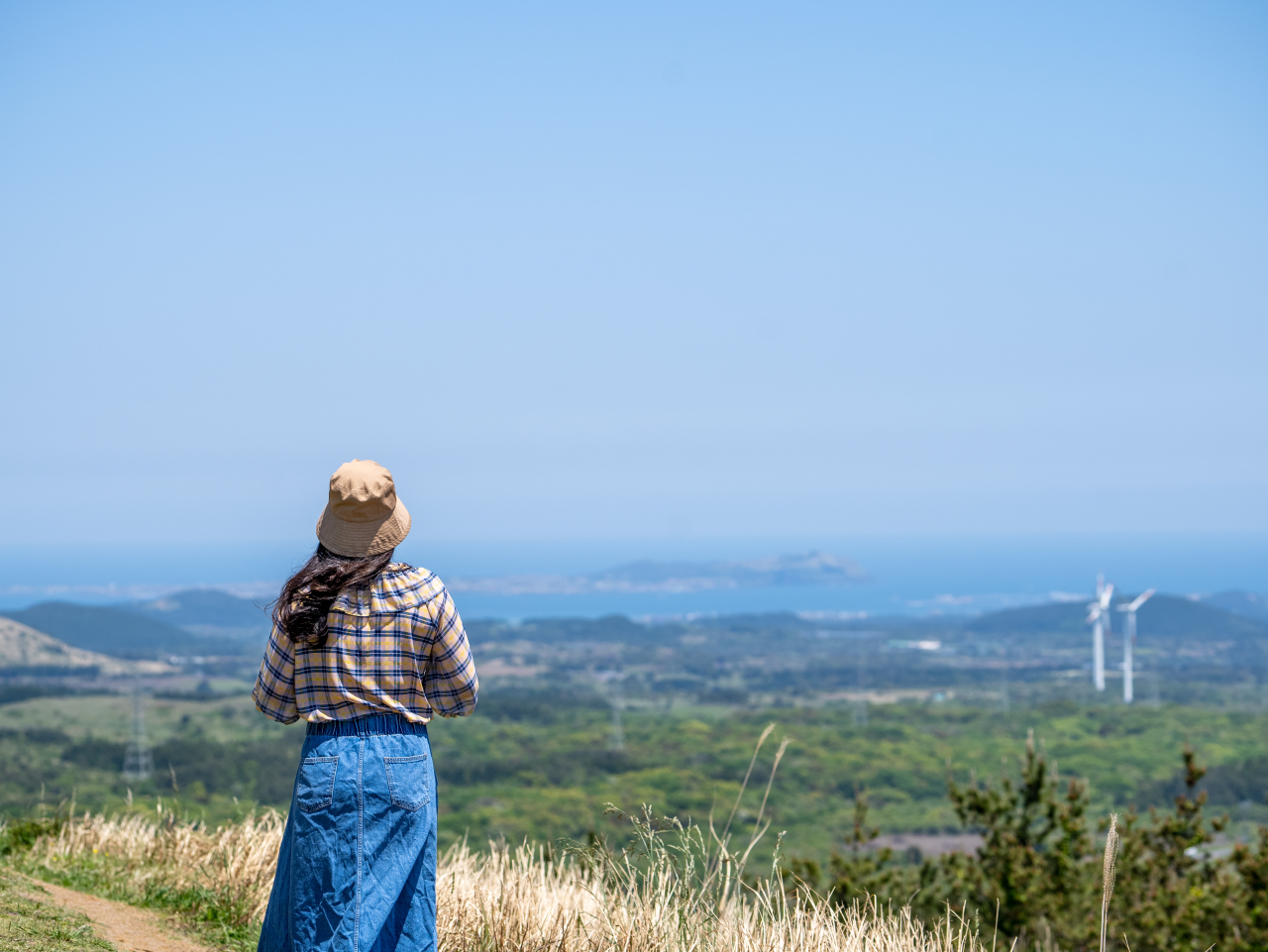
Can’t even dream of hiking because of low stamina like me?
Then how about climbing Baegyagi Oreum, which is easy for anyone?
Located in eastern Jeju, Baegyagi Oreum has a beautiful trail up. From the summit—reachable in just 20 minutes—you can take in all of eastern Jeju at a glance. Everywhere your eyes land is beautiful, and it’ll подар you a stunning landscape unlike anything you’ve seen before!
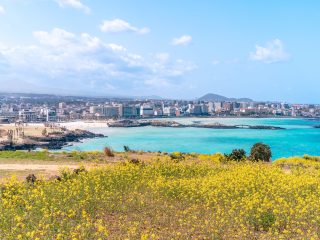
An oreum about 111m high, located next to Hamdeok Beach. It’s a popular spot where you can enjoy both the Jeju sea and coastal scenery. Follow the gentle trail to the summit to see the emerald waters of Hamdeok Beach and the sweeping eastern coastline of Jeju. On clear days, you can even see toward Seongsan Ilchulbong. In spring, canola flowers paint the whole oreum yellow, and the dramatic mix of coastal cliffs and blue ocean is especially beloved by visitors. It’s an easy, walk-like climb, making it a 대표 oreum in eastern Jeju that families can enjoy without 부담.
플레이스 보기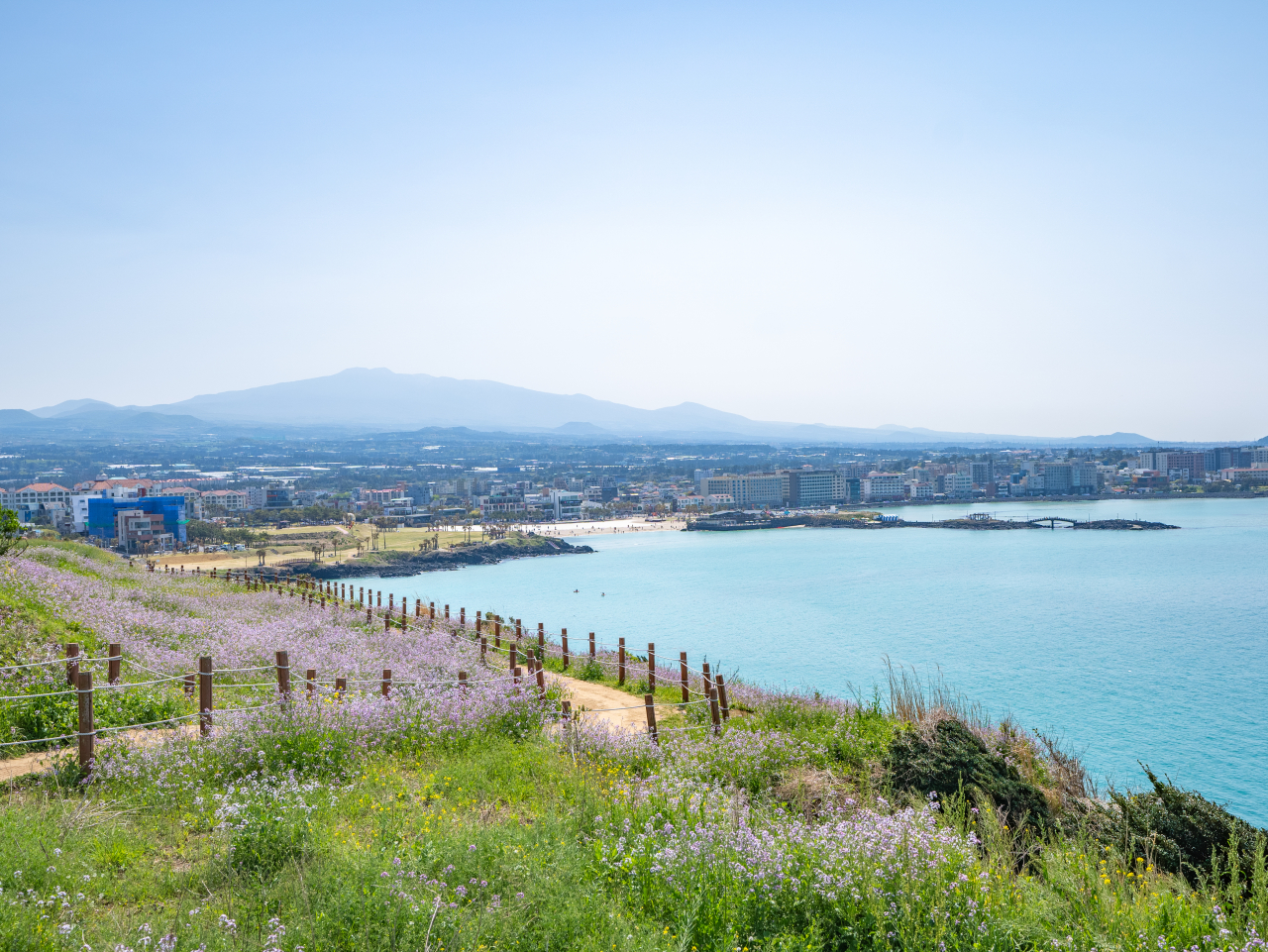
Climb up Seoubong, where the Jeju sea welcomes you!
Right next to Hamdeok Beach, Seoubong has sea radish flowers blooming along the walking path, creating an exotic vibe.
And the view of Hamdeok Beach from Seoubong is one of those best moments where you can fully take in Jeju’s beauty.
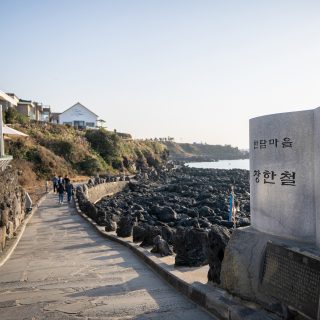
This is a 대표 Jeju coastal walking course of about 1.2 km that follows the shoreline. Also known as the “Gwakgeum Olle Trail,” it offers an impressive view where black basalt coastlines blend with the blue sea. The path is relatively flat, making it easy for anyone to walk without 부담, and it connects directly to Aewol’s café street—one of its biggest advantages, letting you pair a walk with a café tour. Thanks to its west-coast setting, it’s especially famous for beautiful sunsets. Note that some sections have been closed in the past due to rockfall risk, so it’s best to check weather conditions and on-site notices before visiting. If you want to experience Jeju’s sea as close as possible while walking, this is a highly recommended spot.
플레이스 보기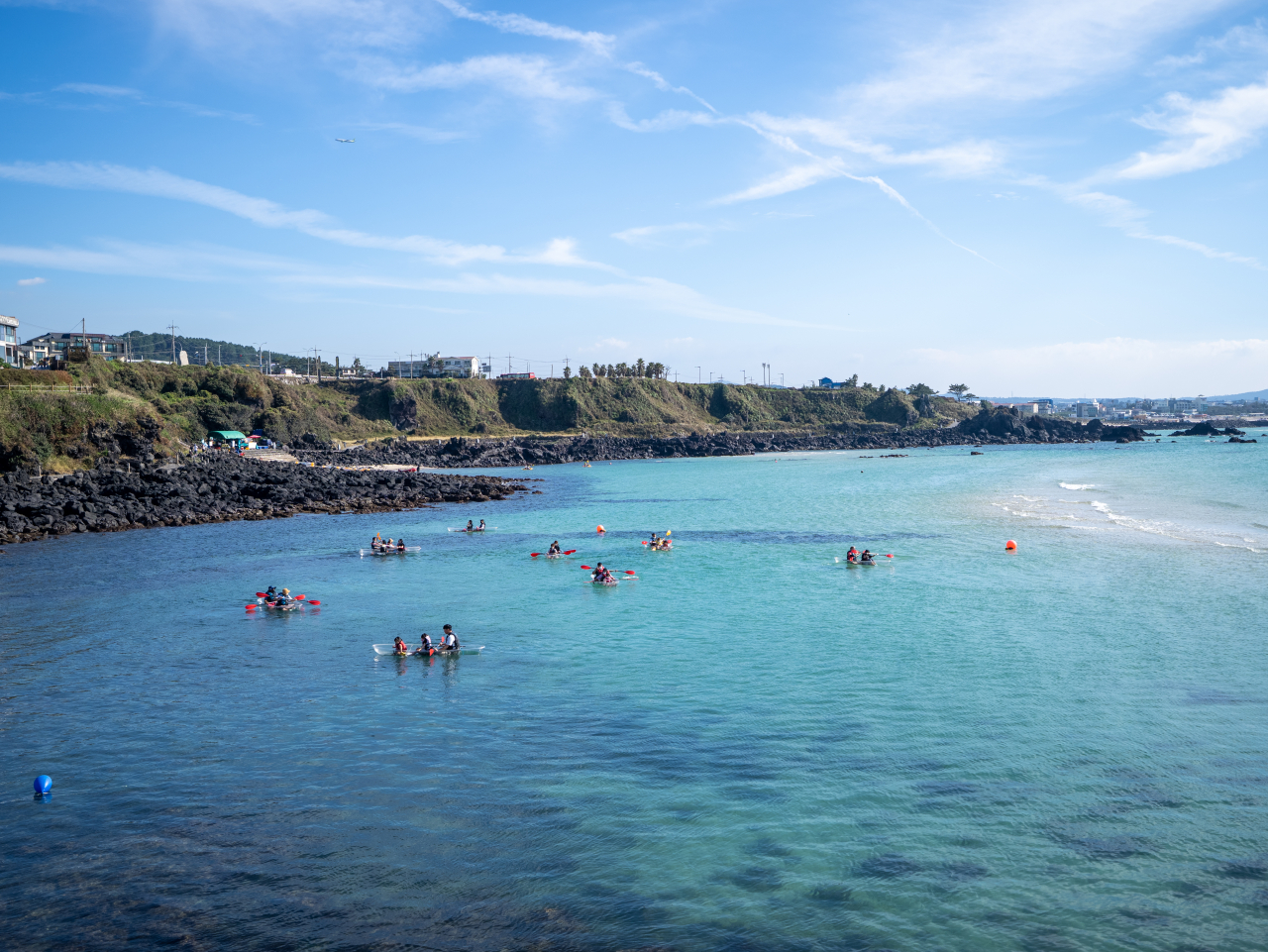
How about enjoying a kayak ride, freely gliding over the emerald sea?
You can find transparent kayaks all around Jeju, and May—when it’s neither too hot nor too cold—is the perfect time to enjoy them.
As you paddle between the blue sky and emerald waters, you’ll feel like you’ve arrived in paradise.
<Recommended places for kayaking>
Handam Beach kayak, Woljeong-ri kayak, Soesokkak kayak
Hop on an e-bike and head out to meet Jeju’s Indo-Pacific bottlenose dolphins. You can often spot them along Jeju’s western Sunset Coastal Road (Noh-eul Haean-ro). Spending time with a dolphin family at such a close distance—close enough to see with the naked eye—is truly magical.
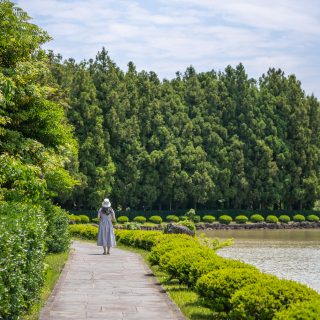
One of the main pilgrimage destinations of the Catholic Diocese of Jeju, this is a spacious place for prayer and meditation created behind Seongisidore Ranch. It features the “Jesus Life Park,” which recreates key scenes from Jesus’ birth to the Last Supper with life-size sculptures, along with the magnificent Trinity Cathedral, drawing many pilgrims. The landscape—wide meadows, a pond, a statue of the Virgin Mary, and a large cross—makes for a peaceful walk where anyone can find a quiet moment of calm, regardless of religion. Located near Geumak Oreum and Seongisidore Ranch, it’s easy to visit together, and it’s a special place to experience healing and contemplation amid the tranquil nature of western Jeju.
플레이스 보기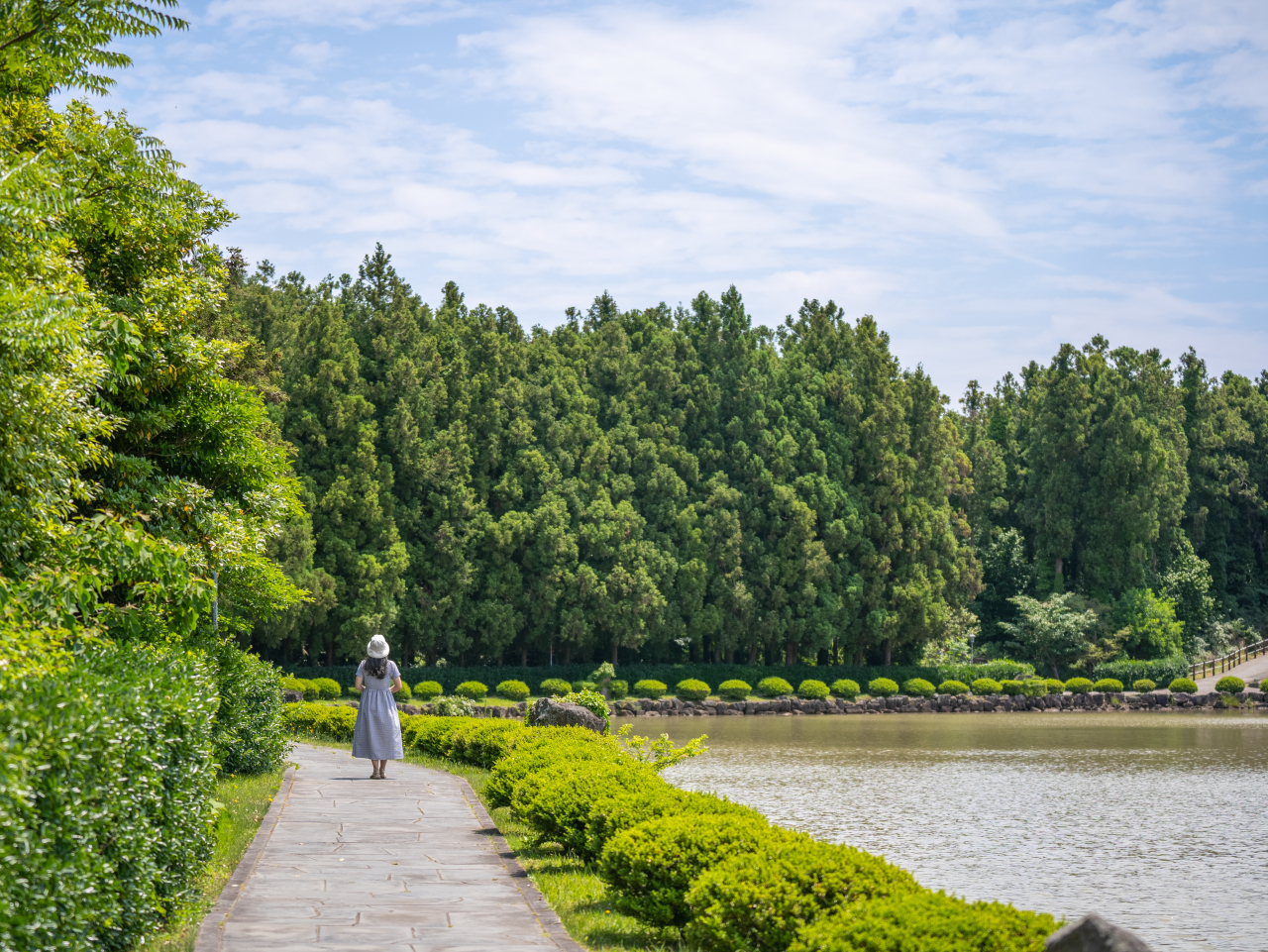
Shall we take a walk through Saemi Grace Garden, with its clear skies, clouds that feel within reach, and wide open grasslands below?
This sacred place is a Catholic pilgrimage trail, but anyone—regardless of faith—can visit and enjoy some quiet reflection. The Sammoeso pond hidden between three oreum is especially wonderful for feeling the calm of Jeju’s mid-mountain region.
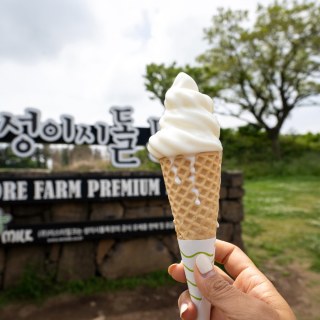
Located within Seong Isidore Ranch, this ranch café offers a variety of desserts and drinks made with the ranch’s organic milk. Signature items like milk ice cream and milk tea let you savor the fresh, natural flavor of milk, drawing many travelers. Surrounding the café, wide grasslands and the exotic Teshphon-style buildings create a uniquely Jeju landscape, making it a popular photo spot. It’s also recommended as part of a Jeju west-side itinerary, easy to visit together with Seong Isidore Ranch, Teshphon, and Saemi Grace Garden.
플레이스 보기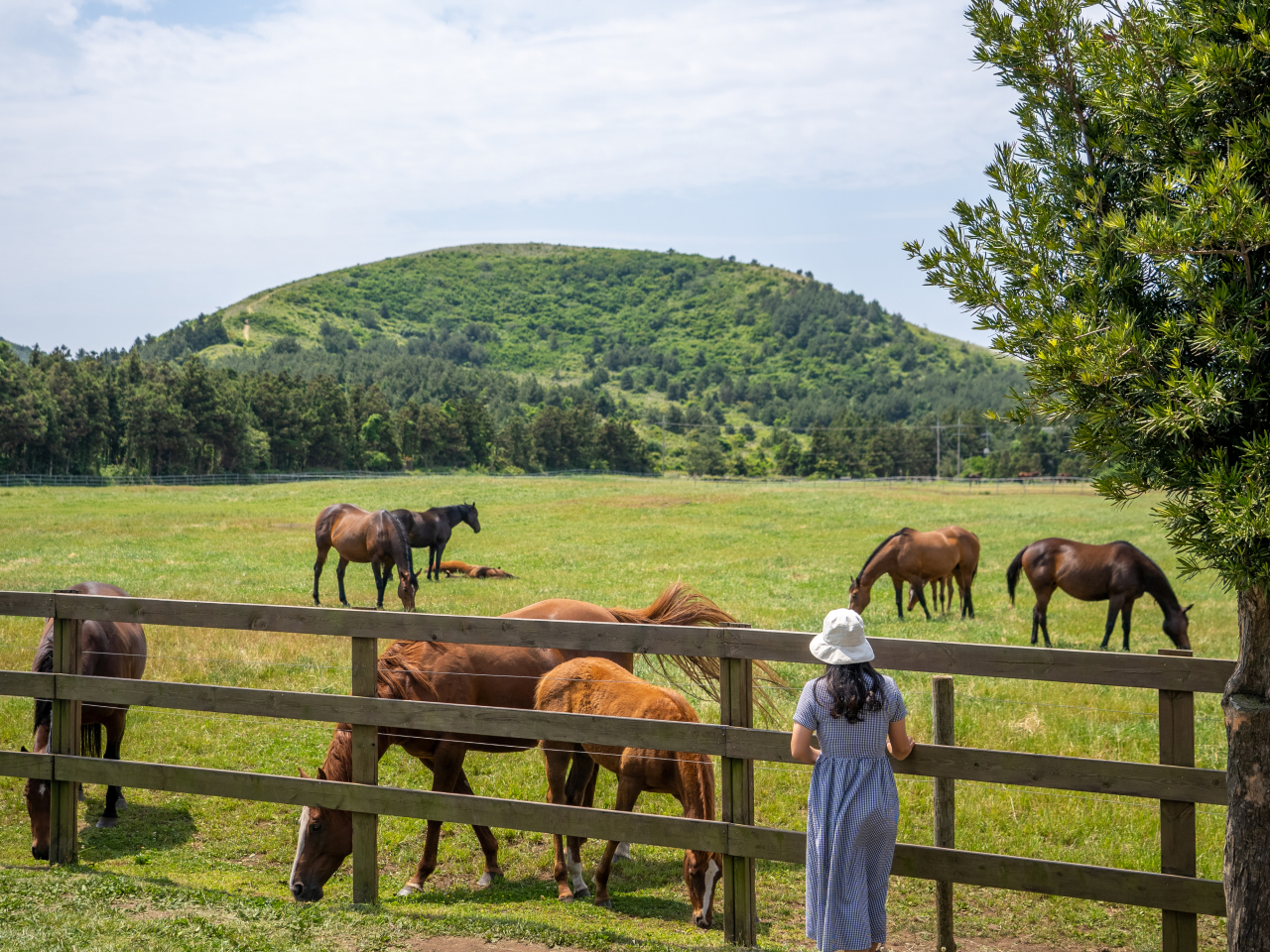
And since Seongisidol Ranch is right nearby, why not make it a two-in-one stop—enjoy some delicious ice cream and watch horses running across the wide grassland?
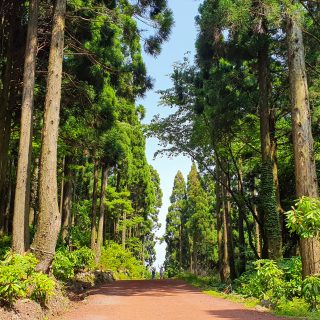
One of Jeju’s 대표 forest-healing destinations. Spanning a vast woodland from 320 m to 760 m above sea level, it’s a place where warm-temperate and temperate forests coexist. With cypress and cedar groves averaging over 60 years in age, you can breathe in rich phytoncides. The gently sloping walking paths and well-designed barrier-free deck trails make it comfortable for visitors of all ages, offering true relaxation in quiet, clean air. Forest interpretation walks and forest-therapy programs are also available, making it a top Jeju healing spot for those seeking deeper rest in nature.
플레이스 보기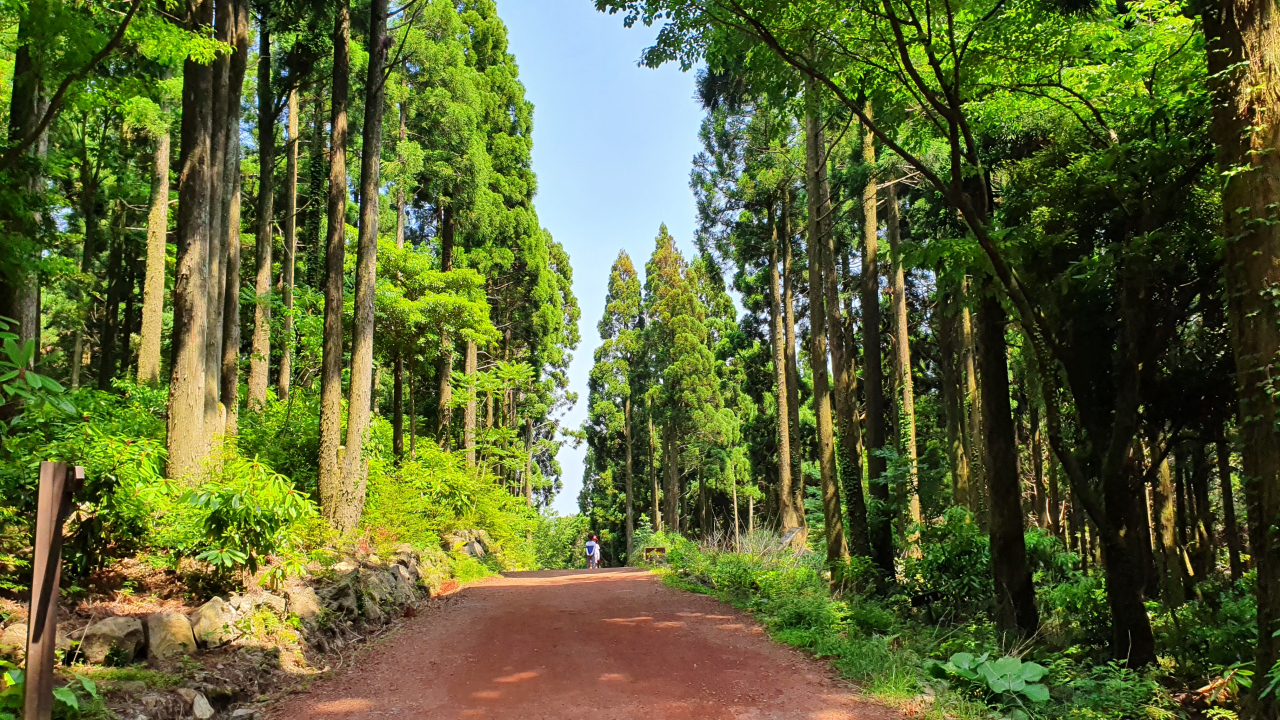
How about losing yourself in a dense cedar forest?
The Healing Forest on Hallasan’s slopes is made up of courses with 12 different themes. Only 600 people can enter per day, so it’s a bit of a hassle to reserve in advance—but that’s exactly why it stays quiet and relaxing.
I hope you’ll lie down at the rest areas along the way and let both your tired body and mind be healed.
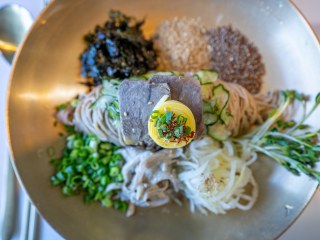
Located in Gwangpyeong-ri, Andeok-myeon, this buckwheat specialty restaurant offers a variety of dishes made with Jeju-grown buckwheat directly cultivated by local Gwangpyeong-ri residents. Signature menu items such as Bibijakjak Noodles, Buckwheat Cold Noodles in Broth, and Spicy Buckwheat Cold Noodles highlight the nutty, savory flavor unique to Jeju buckwheat, drawing many visitors. Set in the pristine nature at the foot of Hallasan, it’s a great place to enjoy a relaxed Jeju countryside view along with your meal, and it’s especially popular with travelers who prefer clean, light flavors. A special local eatery where you can experience Jeju ingredients and the story of the village community together.
플레이스 보기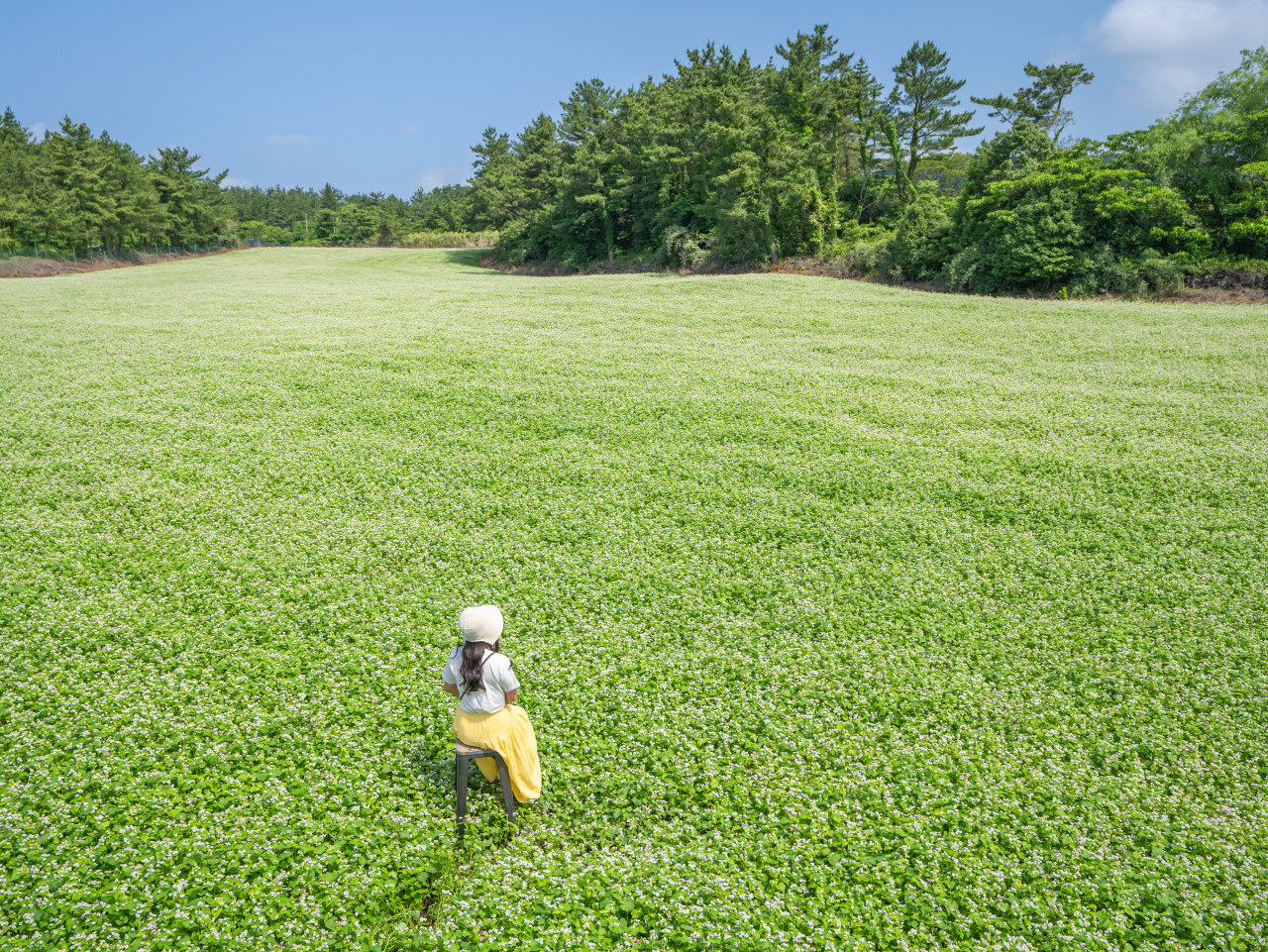
In late May, pure-white buckwheat flowers begin to bloom like snowflakes. If you visit Gwangpyeong-ri, the first village below Hallasan, you can see the beautiful buckwheat blossoms and also try nutty buckwheat naengmyeon (cold noodles).
The broth has a clean, subtle flavor that’s so good I come often. If you enjoy Pyeongyang naengmyeon, this is a dish I highly recommend.
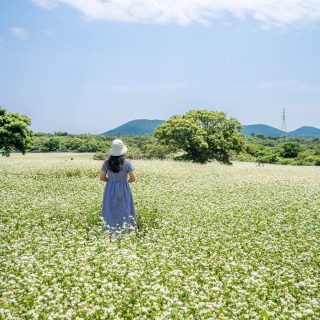
Located in Wahheul-ri, Jocheon-eup, this is one of Jeju’s 대표 buckwheat flower destinations and a rural experience & recreation village known for its vast buckwheat fields spanning approximately 100,000 pyeong. Thanks to Jeju’s double-cropping of buckwheat, white buckwheat blossoms reach full bloom twice a year—in spring and autumn—drawing many travelers and photographers with its beautiful scenery. The village offers facilities where visitors can enjoy buckwheat-based foods and a variety of hands-on rural activities, and from the viewing area you can take in the expansive buckwheat fields at a glance. Especially during peak bloom, a Buckwheat Culture Festival is held, making it a special place to experience the charm of Jeju’s countryside and local culture together.
플레이스 보기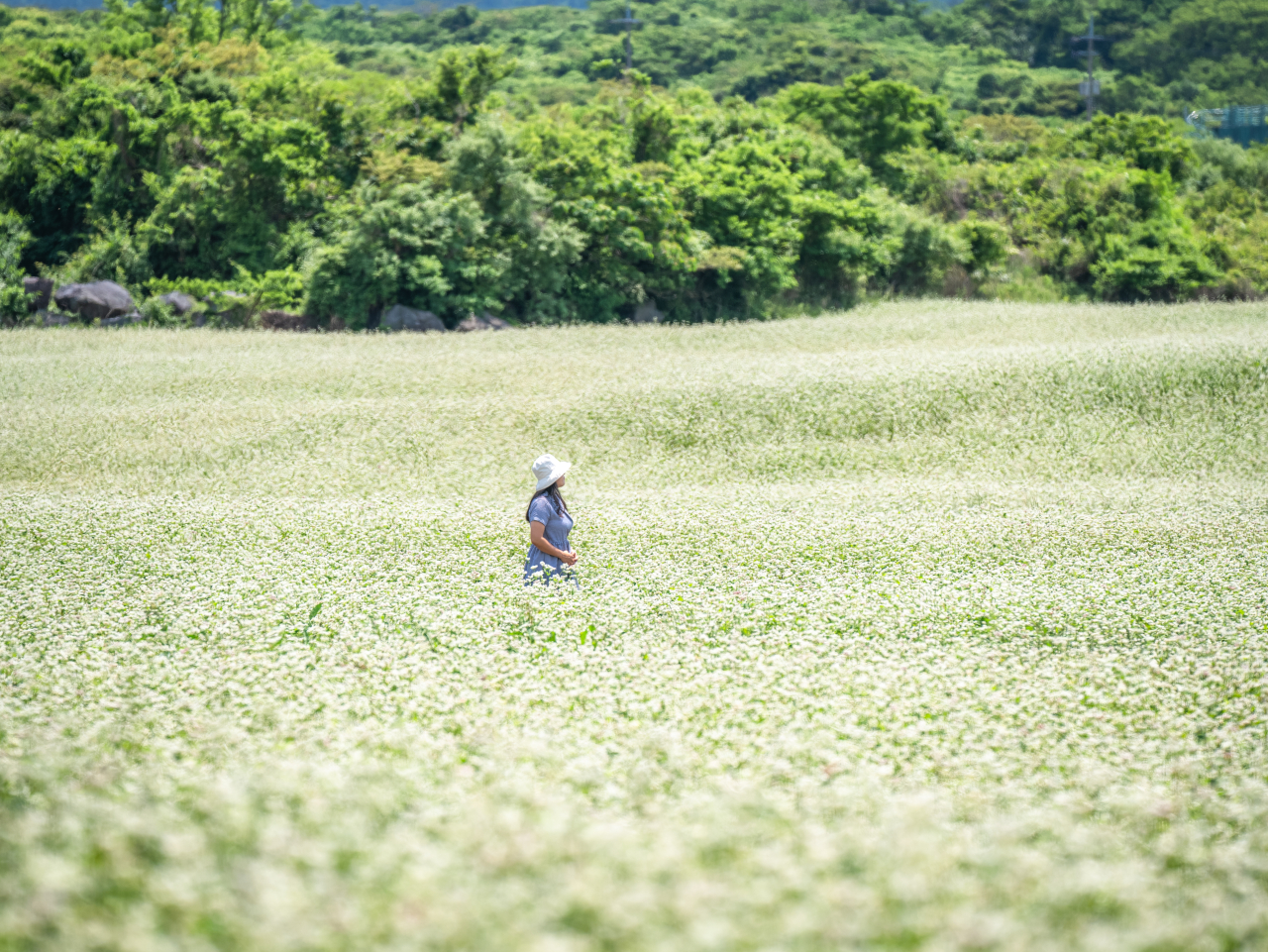
If your travel route is on the east side, I recommend Wahoeul Buckwheat Village.
With buckwheat fields spanning 100,000 pyeong, you’ve got to leave with at least one life-shot photo, right?
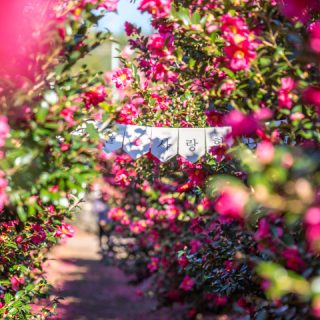
A popular attraction where you can enjoy a traditional Jeju garden along with seasonal flower festivals. In spring, hydrangeas and plum blossoms bloom; in summer, a variety of flower-lined paths; in autumn, pink muhly; and in winter, camellias create beautiful scenery. Stroll leisurely along the spacious walking trails and soak in Jeju’s nature, and try animal feeding experiences with Jeju black pigs, mountain rabbits, and more—especially loved by families. With different views every season, it’s a must-visit spot where you can feel Jeju’s unique nature and atmosphere anytime you come.
플레이스 보기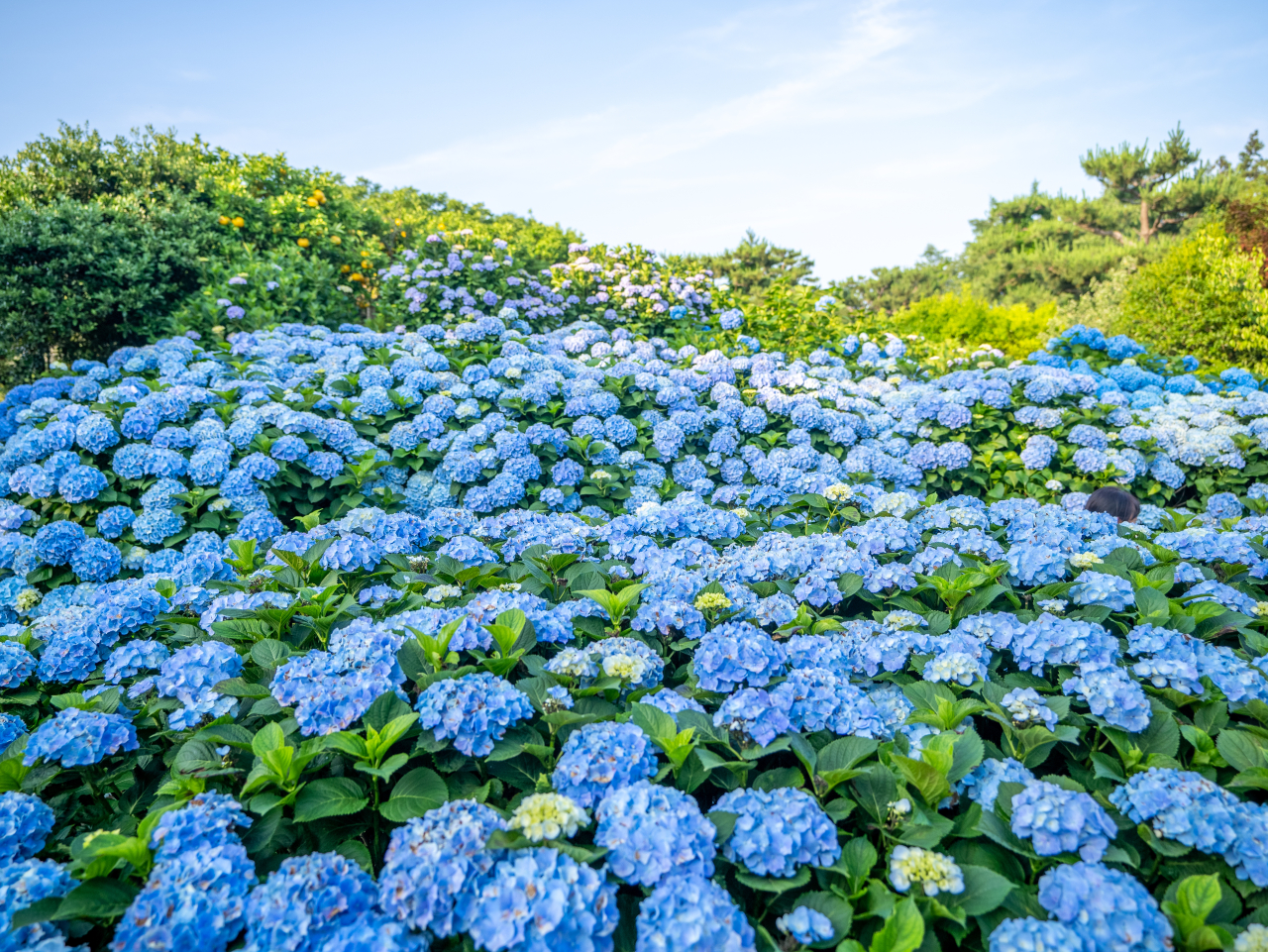
Jeju hydrangeas usually peak in mid-to-late June, so May can feel a bit early. But at Hueree, you can uniquely 만나 meet beautiful hydrangeas. Since Hueree hosts a hydrangea festival from mid-April through July—the earliest place in Korea to see hydrangeas—keep it in mind!
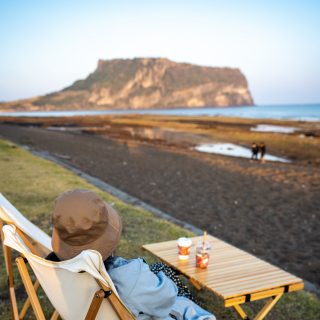
A 대표 natural attraction in eastern Jeju, located between Seongsan Ilchulbong and Seopjikoji. At low tide, unique lava rock layers are revealed, blending with vivid green moss to create a distinctive coastal landscape found only in Jeju. It is especially well known as a photo spot at sunrise, when you can capture the sun rising behind Seongsan Ilchulbong in one sweeping view. With its black sand, broad shoreline, and scenery that changes with the seasons, it’s also a popular place for a walk. Recommended for travelers who want to feel Jeju’s raw grandeur and atmosphere up close.
플레이스 보기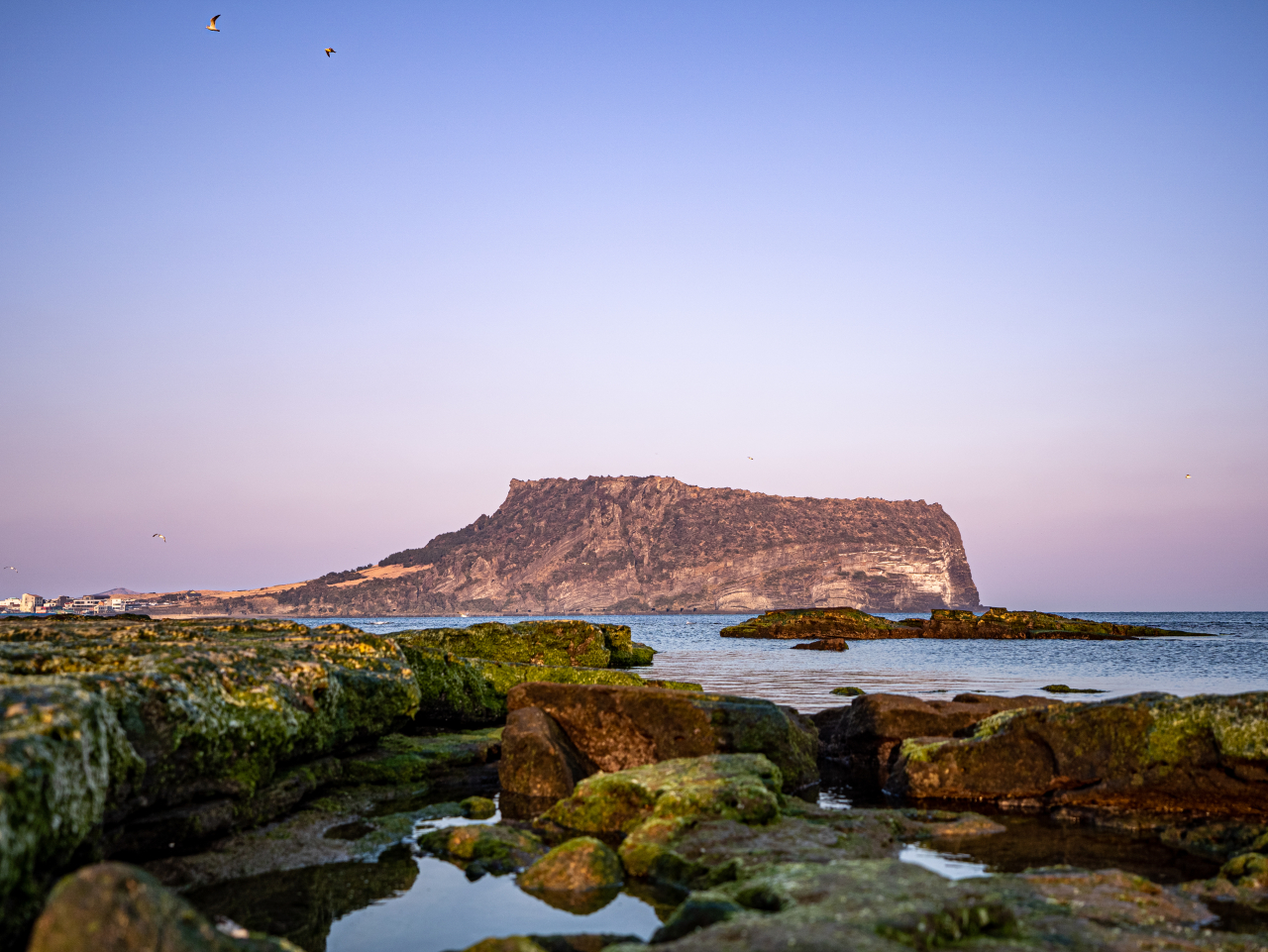
Sit by the sea at dusk and savor Jeju.
When the red glow of sunset reaches Gwangchigi Beach—watched over by Seongsan Ilchulbong—it creates a unique atmosphere. Just imagining the Jeju breeze and the warmth of the sand as you sit on the shore feels wonderfully sentimental, doesn’t it?
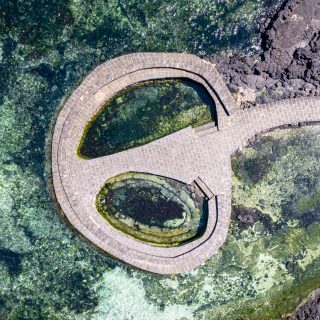
This is a living heritage site where people once collected and used clear spring water bubbling up near the shore. Its distinctive scenery—round stone water basins set against the sea—has made it a 대표 photo spot in eastern Jeju. The view changes with the tides, and you can enjoy the unusual landscape created by the calm ocean and the freshwater spring. It’s a great hidden gem to visit along with a walk at Gimnyeong Beach.
플레이스 보기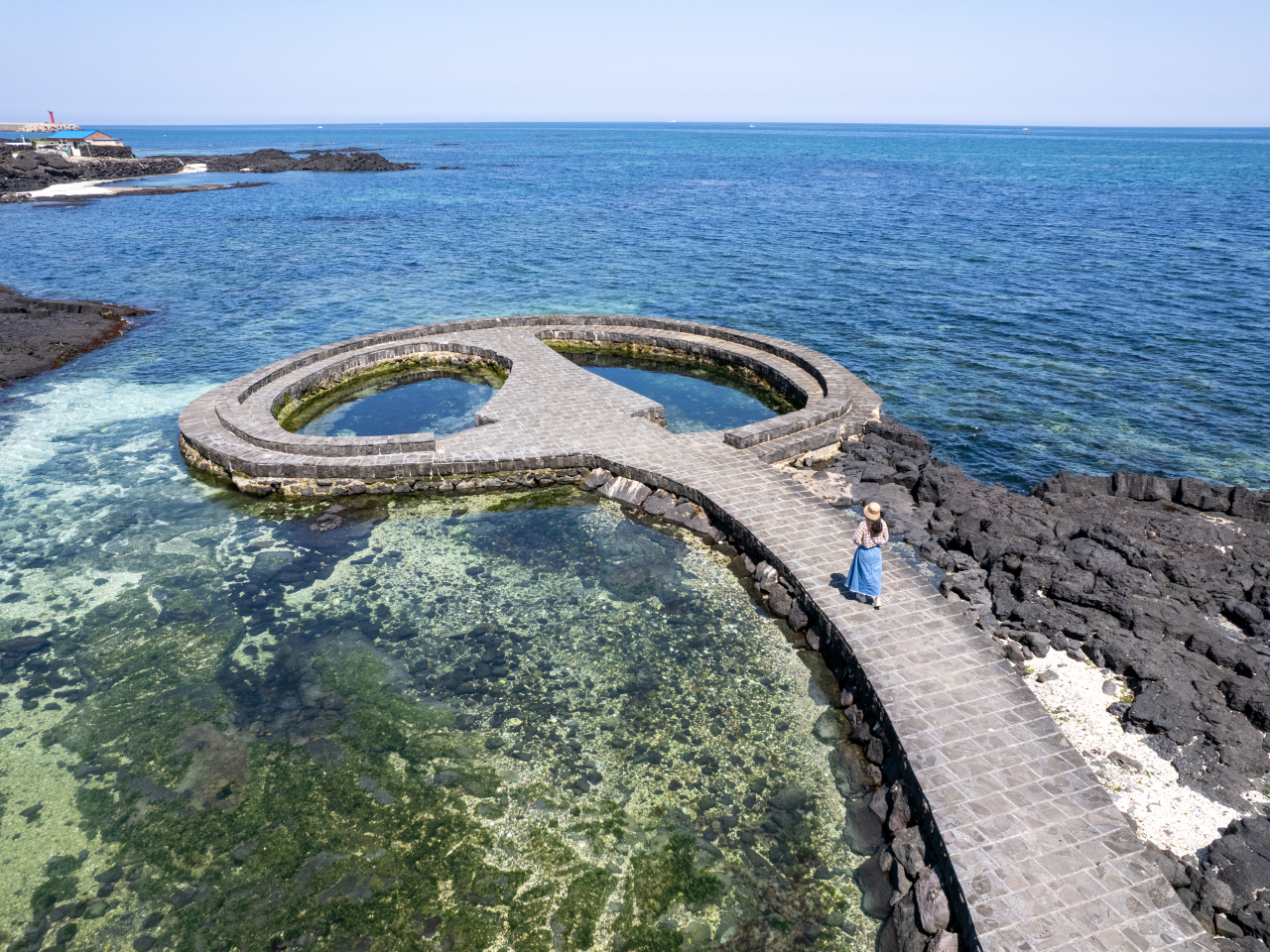
Yongcheonsu, a spring where rainwater that seeped in from Hallasan flows through underground waterways and gushes up through cracks in the rocks, can be found only on Jeju in Korea. Cheonggulmul in Gimnyeong is impressive for its unique terrain where yongcheonsu meets the sea, as well as the distinctive structures once used by local residents. Migratory birds often visit, so if you’re lucky, you might even spot a black-faced spoonbill—rare to see worldwide.

제주살이 10년 차, 일상 속 여행을 기록하는 크리에이터입니다. 바다와 바람, 낯선 골목에 스며든 제주를 좋아하고, 그 안에서 느꼈던 순간들을 글과 사진으로 전하고 있어요. 여행지보다는 여행의 온도를 담는 일을 합니다.

Comments
25월 일정 짜다가 저장해뒀어요. 영실코스는 체력 좀 봐가면서 넣어야겠네요ㅎㅎ
아름다운 곳이 많네요. 가보고 싶어요