Trips around eastern Jeju often end at Seongsan Ilchulbong or Seopjikoji. Even when heading down toward Seogwipo, travelers tend to go straight to Jungmun, quietly leaving Pyoseon and Seongeup out of their itineraries.
However, Pyoseon deserves more than a quick visit to the sea. An oreum, an old village, a photography gallery, Jeju Folk Village, and a broad beach are all clustered nearby, making it easy to fill an entire day.
If you have a day in Pyoseon, the most comfortable order is to hike Yeongjusan Mountain before the sun grows strong, pass through Seongeup and Samdal-ri, and finish the day at Pyoseon Beach.
Recommended One-Day Itinerary in Southeastern Jeju
08:00 Yeongjusan Mountain → 09:40 Seongeup Folk Village → 11:10 Kim Young Gap Gallery Dumoak → Lunch → 14:00 Jeju Folk Village → 17:00 Pyoseon Beach
Allowing around 8–9 hours, including walking and sightseeing, makes for a relaxed trip.
Starting the Day at Yeongjusan Mountain at 8 a.m.
The first stop was Yeongjusan Mountain, which rises behind Seongeup Folk Village. From the entrance, it looks like an oreum with gentle ridgelines, but the long flight of steps beginning midway up soon reveals that it is more challenging than expected.
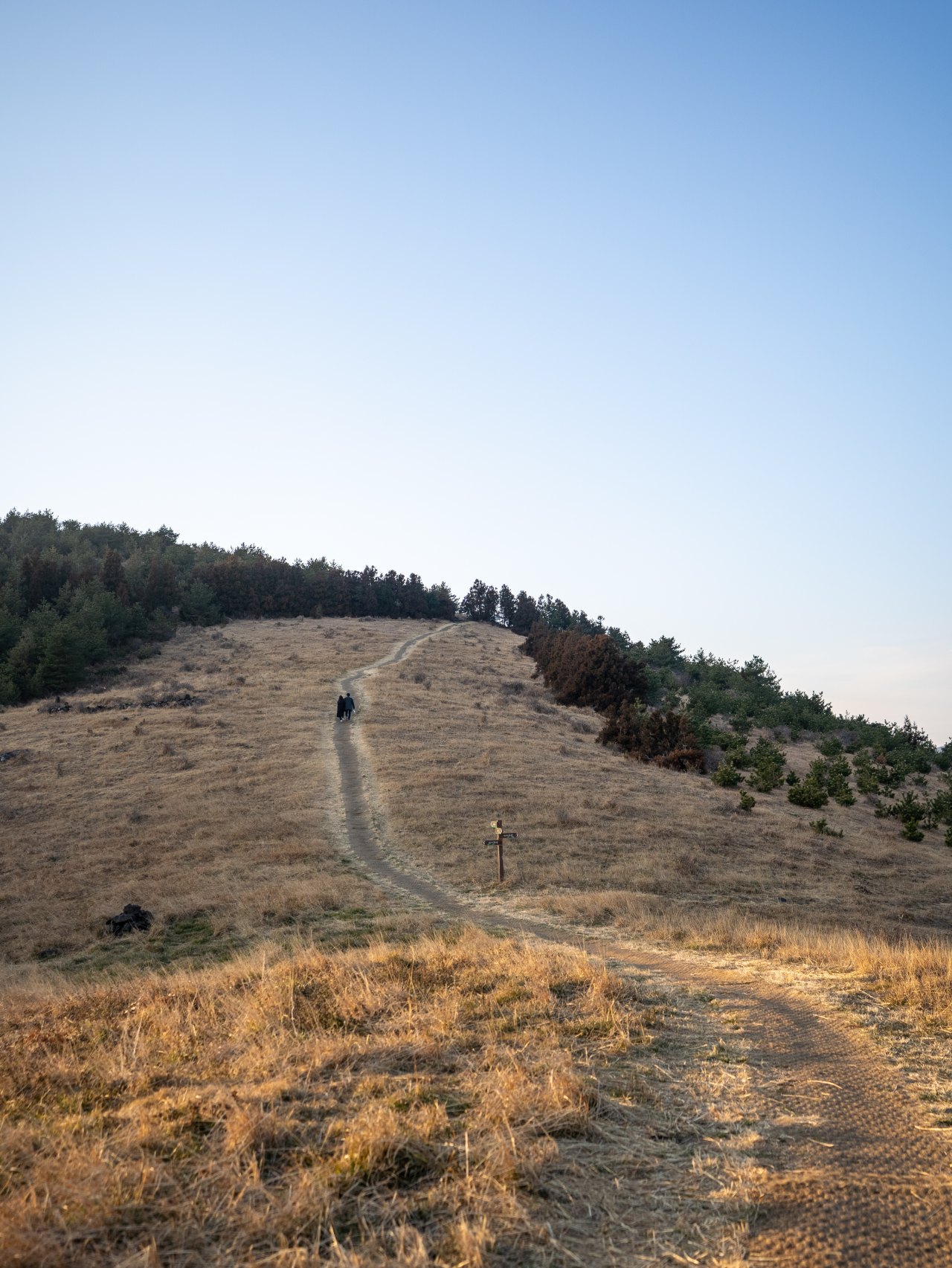
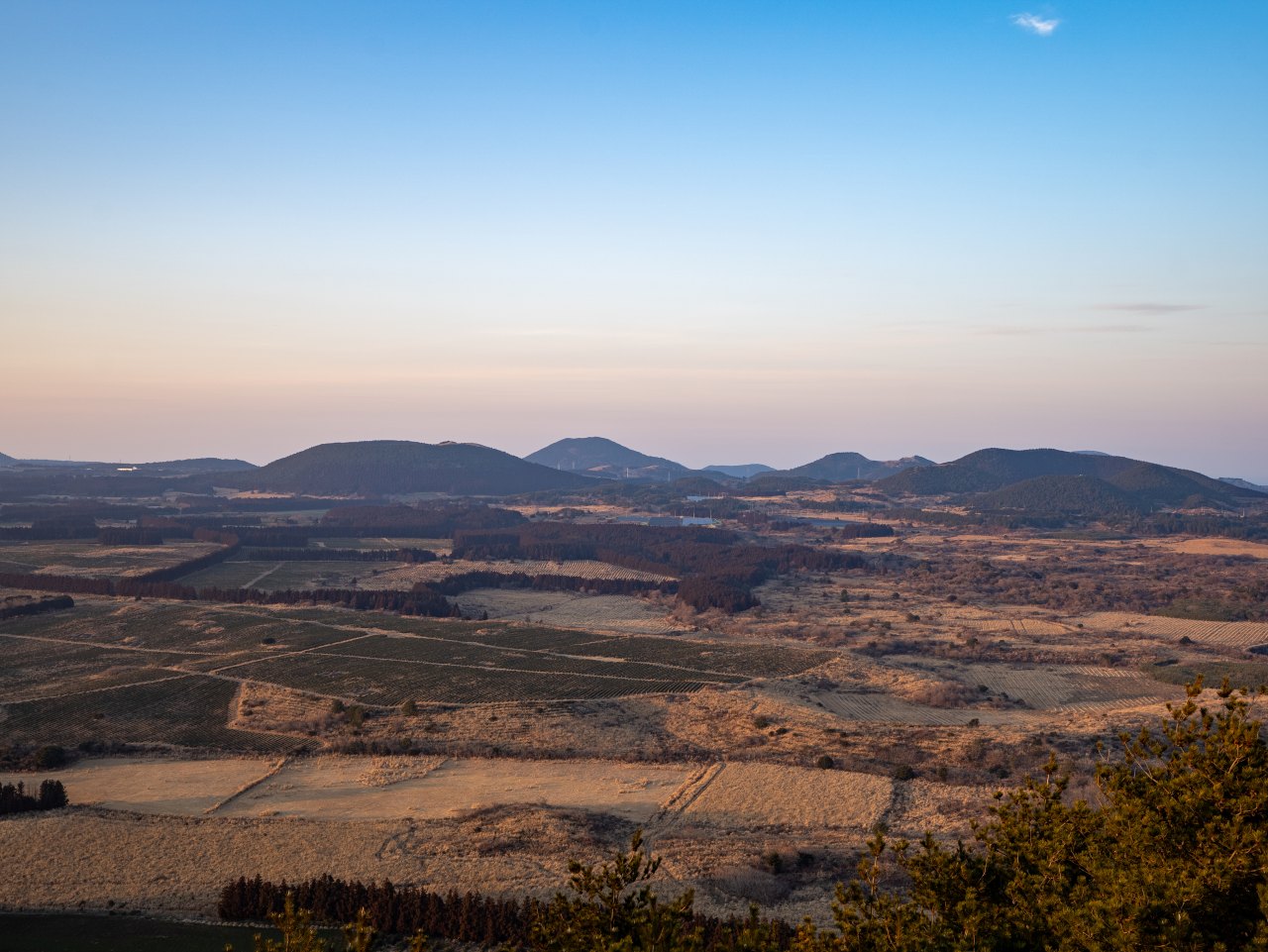
After slowly climbing the steps, I looked back to see the fields of Seongeup and oreum of all sizes unfolding in overlapping layers. It is not especially high in terms of elevation, but with little nearby to obstruct the view, the scenery was remarkably expansive for the effort required.
There is little shade in midsummer, so it is difficult to recommend scheduling this hike in the afternoon. Starting early in the morning means cooler air and plenty of time to travel to the next stop. It is best to allow about one to one and a half hours for the round trip to the summit, depending on your walking pace and how long you stay.
Discovering Seongeup Folk Village Below the Oreum
A short drive after descending Yeongjusan Mountain brings you to Seongeup Folk Village. Rather than a space displaying a few old houses, it feels like a living village where everyday life continues among stone walls, thatched homes, and old trees.
At first, I planned to see only the main buildings and leave quickly, but the deeper I went into the lanes, the more distinctly Jeju-like scenes appeared. Low stone walls curved naturally along the paths, while canola blossoms or cherry blossoms gave the village a different character with each season.
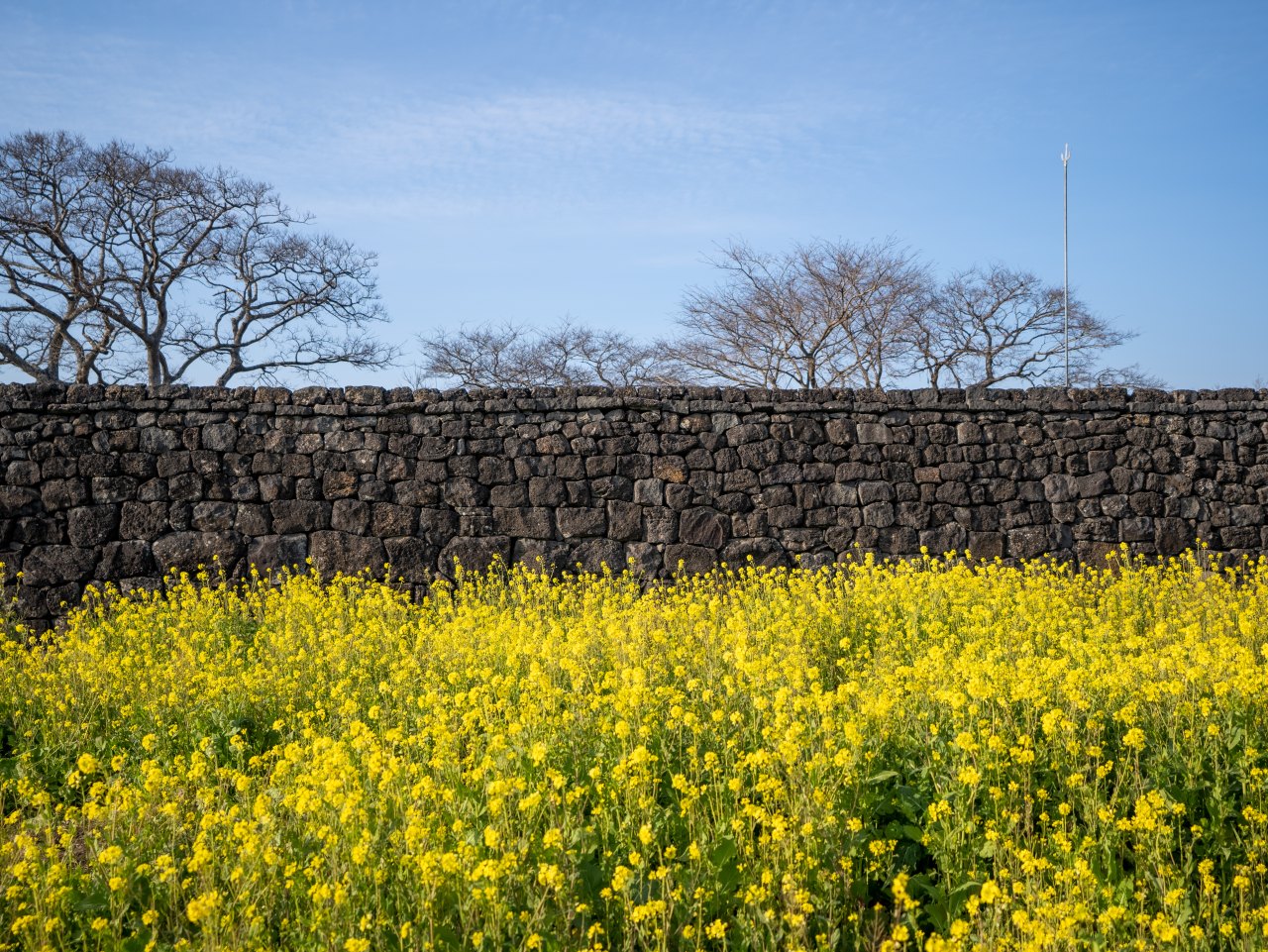
Seongeup Folk Village is best experienced by strolling slowly through its lanes rather than rushing between highlights. Because actual residential spaces are mixed in, take care not to enter closed homes or disturb residents’ daily lives. An hour is enough to explore the central area at a relaxed pace.
A Midday Pause at Kim Young Gap Gallery Dumoak
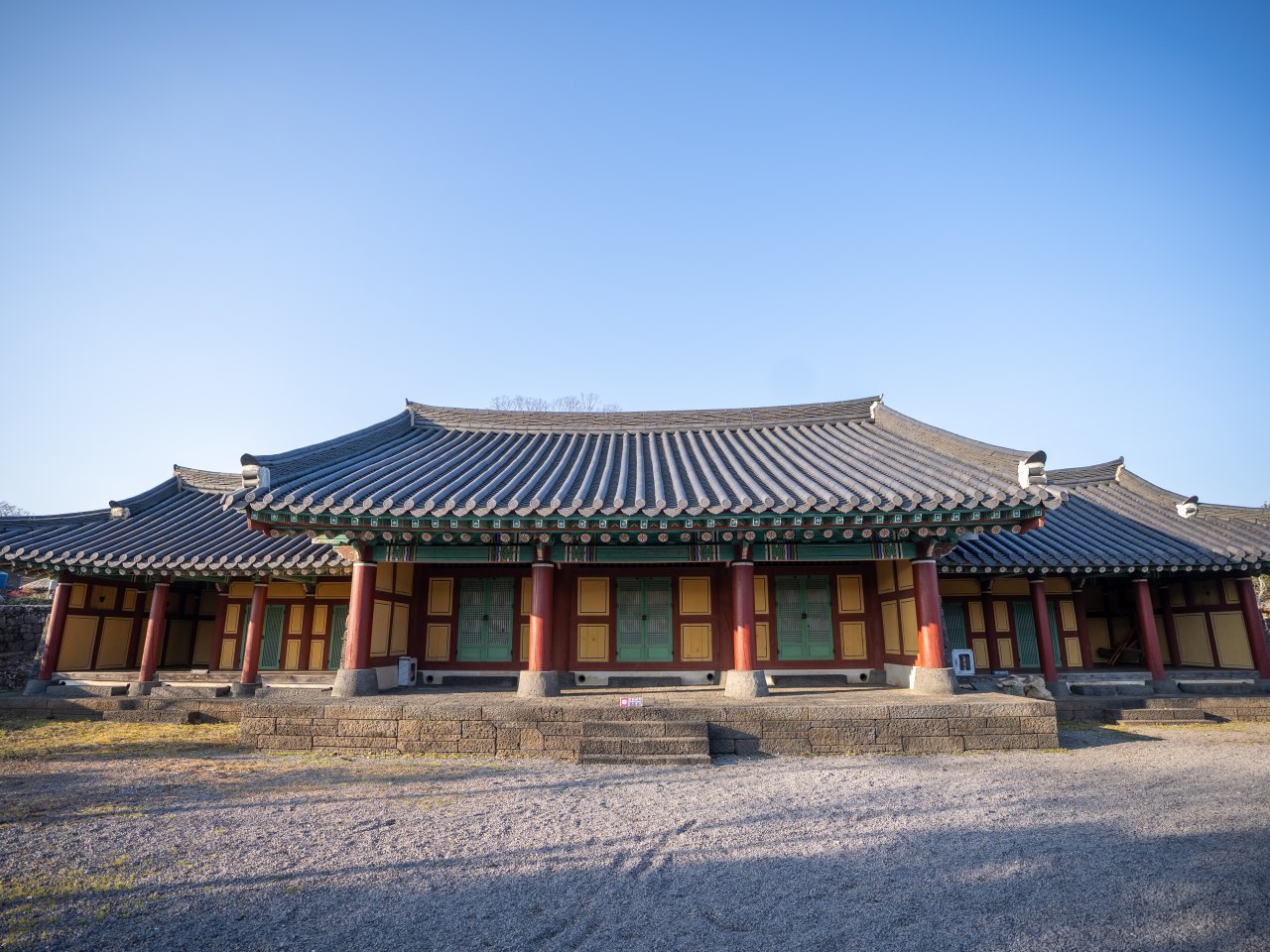
From Seongeup, I traveled southeast to Kim Young Gap Gallery Dumoak. The gallery occupies a former school, and as soon as I entered, it felt more like a quiet woodland studio than a tourist attraction.
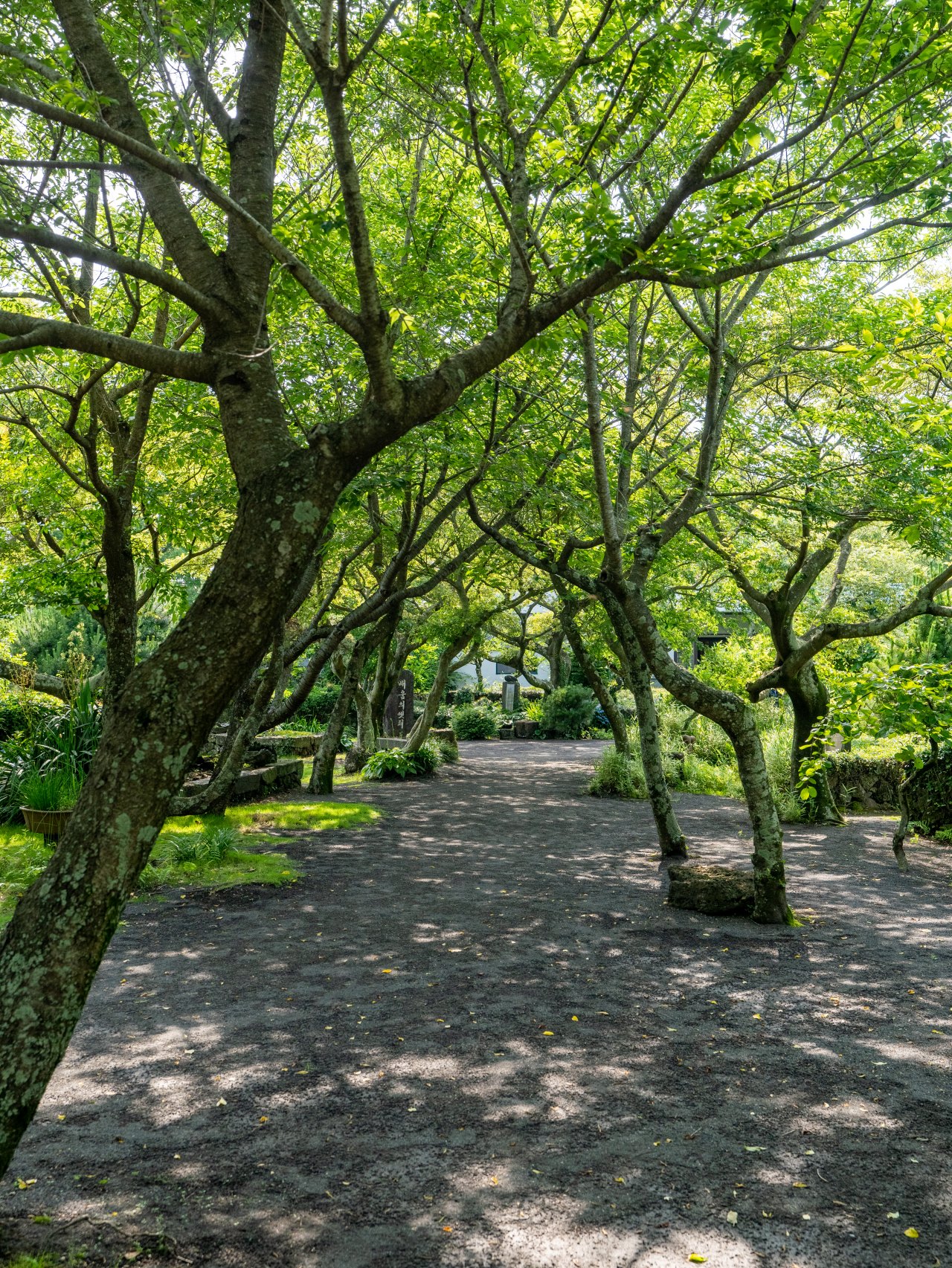
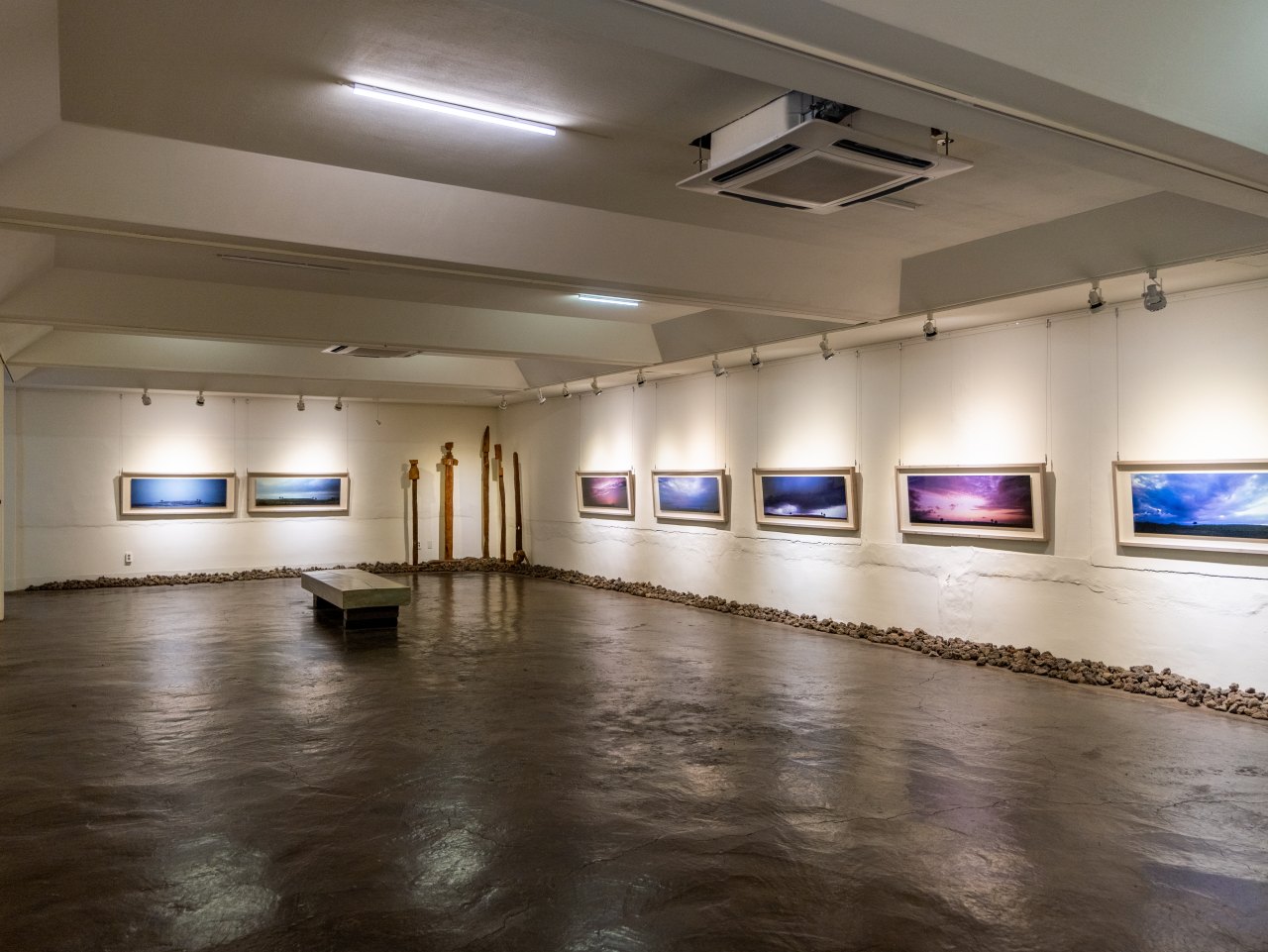
The exhibition rooms held the oreum, winds, and fields of Jeju that photographer Kim Young Gap observed over many years. Even Jeju landscapes I thought were familiar felt completely different when I lingered before a single photograph. Having just walked Yeongjusan Mountain and crossed the fields of Seongeup, the contours of the oreum and the wind captured in the images felt even closer.
After seeing the exhibition, I also took my time exploring the garden. Rather than elaborate decorations, old trees, stones, and traces of the former school blended naturally together. Placing this stop midway through an itinerary with plenty of outdoor activity offers a welcome chance to escape the heat and catch your breath.
Jeju Folk Village Was Larger Than Expected
After lunch, I headed down toward Pyoseon and visited Jeju Folk Village. Its similar name makes it easy to confuse with Seongeup Folk Village, but walking through the two reveals their clearly different characters.
While Seongeup Folk Village is a place to encounter village lanes and scenes of daily life, Jeju Folk Village is closer to an open-air museum that systematically presents Jeju’s traditional homes and culture across several areas. With mountain and fishing village houses, everyday tools, and spaces devoted to folk beliefs, there was much more to see than expected.
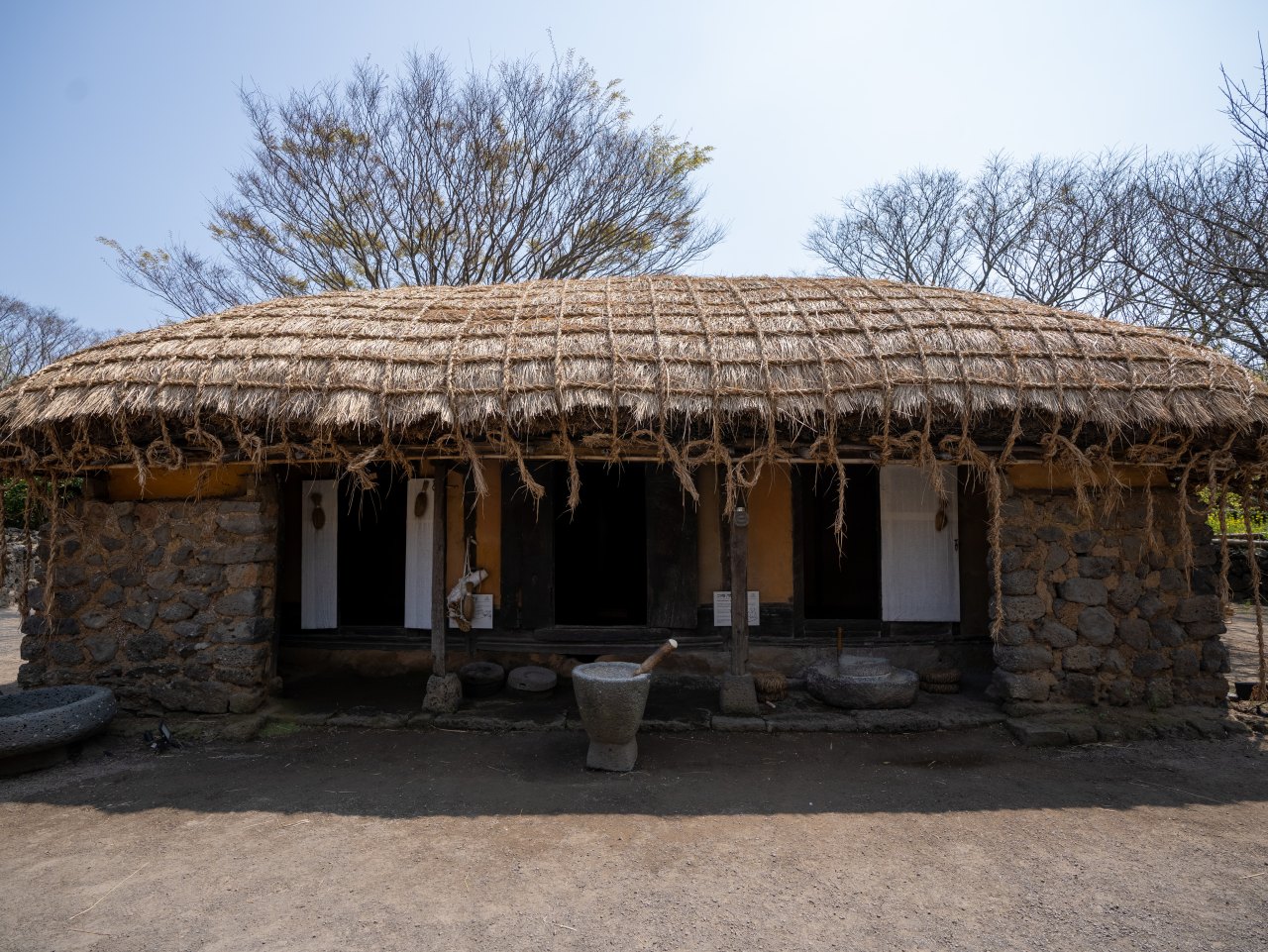
Inside the thatched houses, the low doors, dim interiors, and structures designed to let the wind pass through immediately stood out. Standing inside the actual spaces, rather than viewing the buildings only from outside, made it easier to appreciate how Jeju residents built their homes in response to the island’s wind and rain.
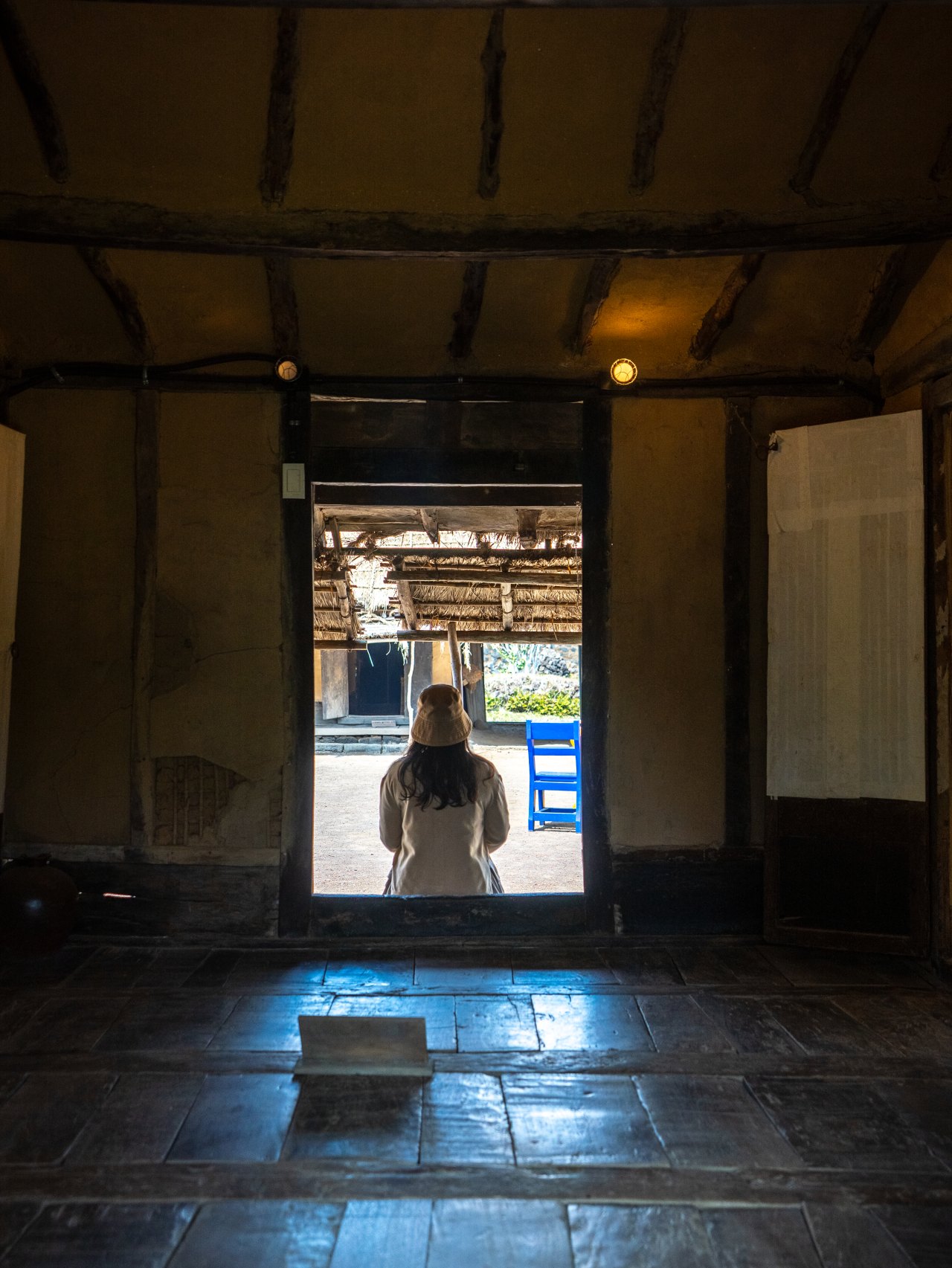
Even two hours can feel short when exploring slowly and taking photographs. Because a summer visit involves a lot of walking outdoors, rest frequently in the shade. If you want to see performances or join hands-on programs, check the day’s schedule when you enter.
Ending a Day in Southeastern Jeju at Pyoseon Beach
After leaving Jeju Folk Village, I headed to the final stop, Pyoseon Beach. One advantage of this itinerary is that the two places are close together, allowing you to shift the mood to the sea without a long drive.
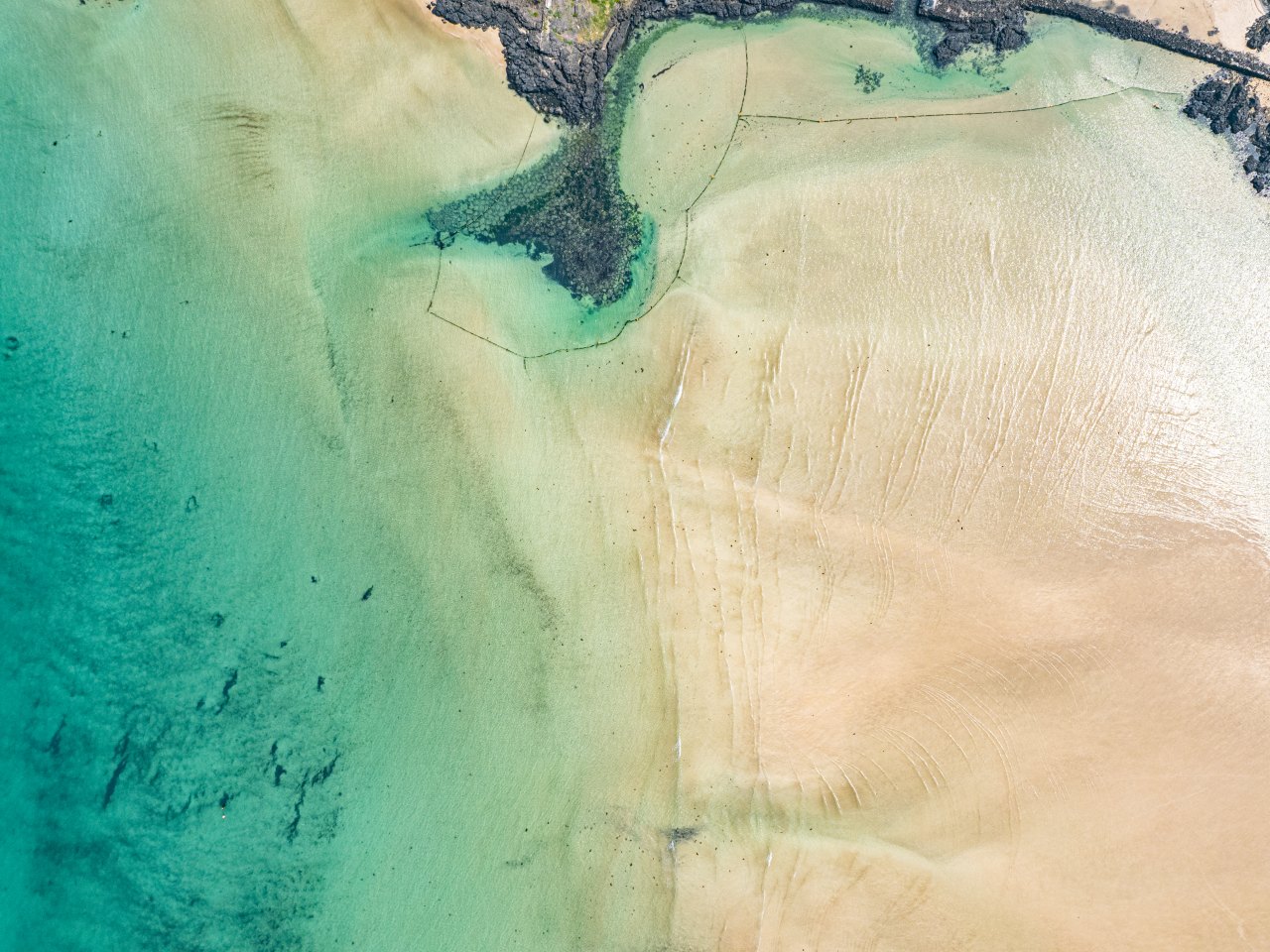
Pyoseon Beach reveals its true scale at low tide. White sand stretches far out toward the sea, with shallow channels left here and there reflecting the color of the sky. Viewed from above, the entire beach looks like one enormous sand island.
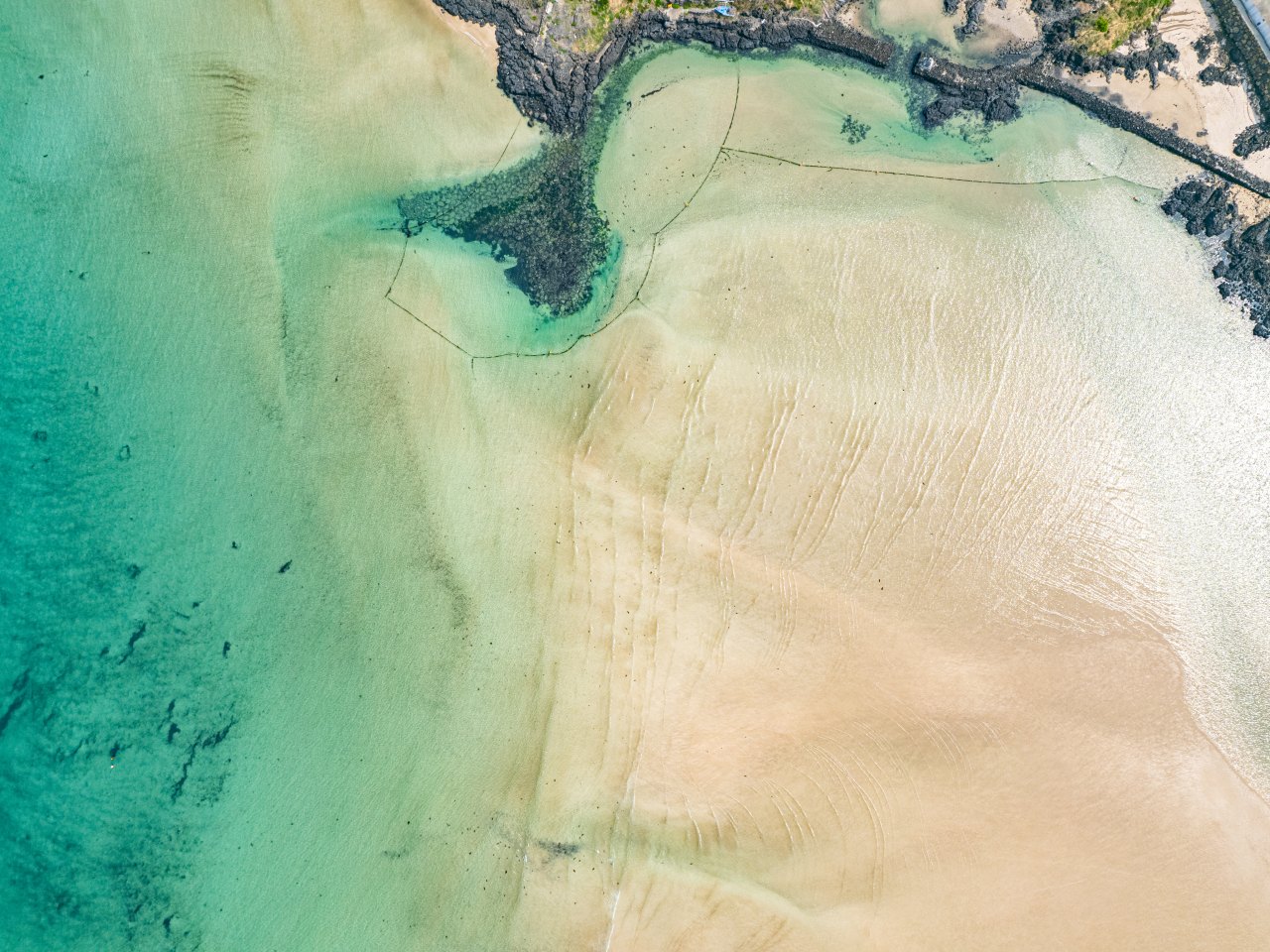
After walking an oreum, a village, and exhibition spaces since morning, I took off my shoes and dipped my feet into the shallow water, gradually feeling the day’s tension melt away. In summer, you can add a swim, while in other seasons, simply walking across the sand is satisfying enough.
How to Make This Itinerary More Comfortable
In summer, begin Yeongjusan Mountain before 8 a.m. and save Pyoseon Beach for last.
If walking is difficult, skip Yeongjusan Mountain and start at Seongeup Folk Village.
If traveling with children, allow plenty of time at Jeju Folk Village and make the Seongeup Folk Village visit shorter.
If it rains, adjust the itinerary to focus on Kim Young Gap Gallery and Jeju Folk Village.
To explore all five places slowly, you will need to set out in the morning. Closing days, last admission times, and programs at Kim Young Gap Gallery and Jeju Folk Village may change, so check the latest operating information before visiting. The scenery at Pyoseon Beach also changes dramatically with the tides, so if you want to see the broad stretch of white sand, check the low-tide time as well.
A day in Pyoseon felt a little different from a trip that quickly strings together famous attractions. I looked across broad fields from the top of an oreum, passed through a stone-walled village and photographic visions of Jeju, peered through the low doors of old houses, and finally reached the sea. Though each place was different, by the end of the day they all flowed together naturally as one landscape of southeastern Jeju.

제주살이 10년 차, 일상 속 여행을 기록하는 크리에이터입니다. 바다와 바람, 낯선 골목에 스며든 제주를 좋아하고, 그 안에서 느꼈던 순간들을 글과 사진으로 전하고 있어요. 여행지보다는 여행의 온도를 담는 일을 합니다.

Comments
0No comments yet.