When you’re traveling on the west side of Jeju, there are moments when you’d rather walk quietly with nature than head to a crowded tourist hotspot. For those times, there’s a perfect place.
It’s the Jeju Chusa Museum, where the late-Joseon scholar and artist “Chusa Kim Jeonghui” lived during his exile.
Located in Daejeong-eup, Seogwipo, it’s a space where nature and history come together—great for a walk, learning something new, and taking mood-filled photos.
Jeju Chusa Museum—what kind of place is it?
Chusa Kim Jeonghui is known as one of the leading calligraphers and thinkers of the late Joseon period. From 1840, he lived in exile on Jeju for about nine years and is said to have left behind many artworks.
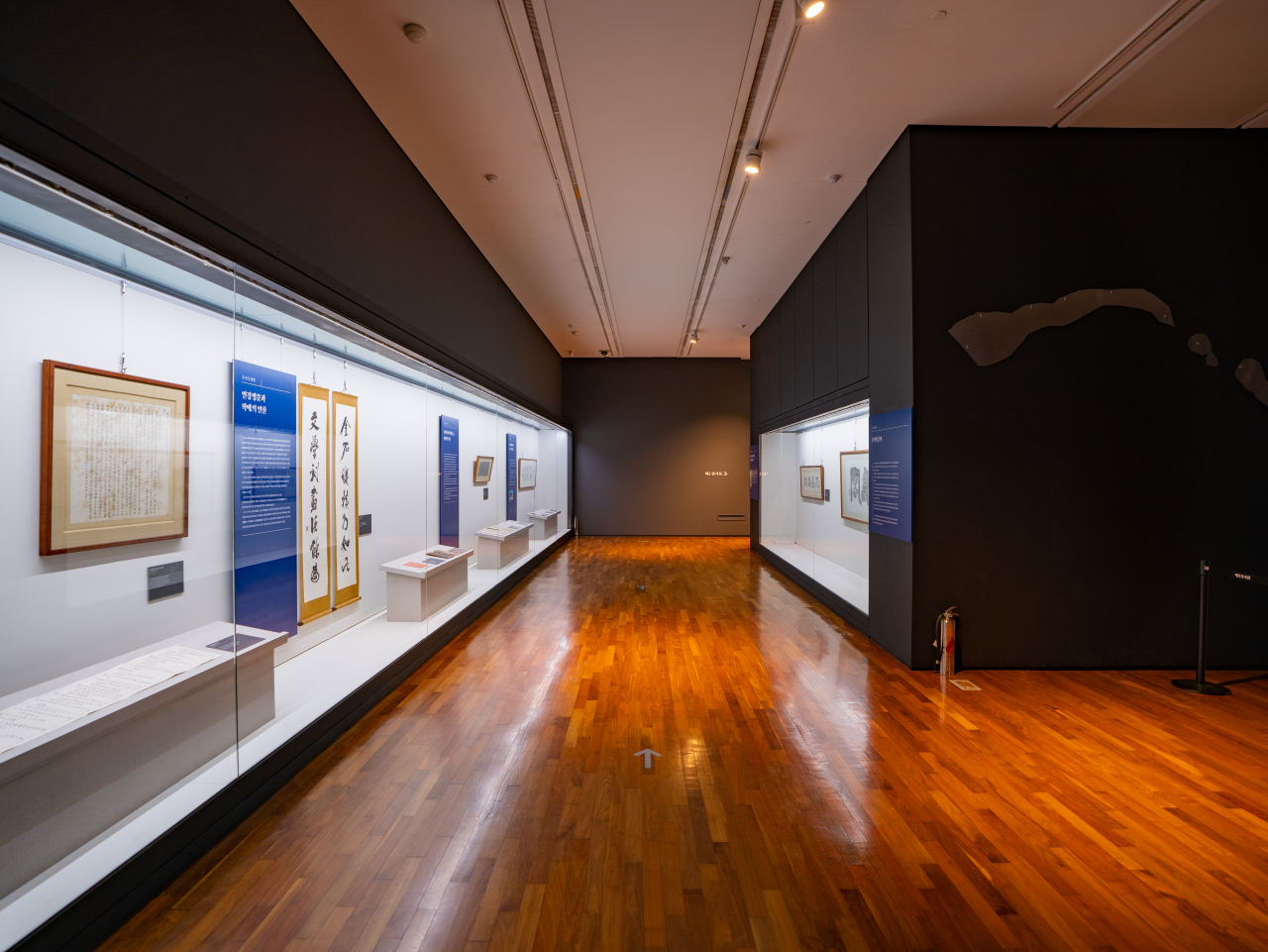
Jeju Chusa Museum restores the thatched-roof house where he spent his exile and showcases exhibitions on his life and artistic world.
Inside, you can see works related to Chusa’s masterpiece “Sehando,” along with calligraphy, literati painting, epigraphy, and more. You can also take a look at diaries from his exile years.
Visitor tips: a healing space for a quiet walk
Address: 44 Chusa-ro, Daejeong-eup, Seogwipo-si
Hours: 09:00 ~ 18:00 (last entry 17:30)
Closed: Every Monday
Admission: Free
Parking: Free parking lot available
It’s a great place to walk slowly and reflect, so we recommend visiting on a weekday morning when it’s less busy.
With free admission, it’s easy to drop by, and there’s plenty of parking space as well.
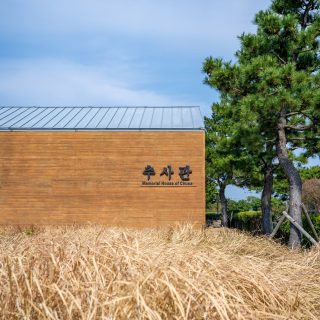
This cultural space was created to honor Chusa Kim Jeong-hui, a great scholar and artist of the late Joseon period. Visitors can delve into his academic and artistic world through various materials and exhibitions, including works in the Chusa style of calligraphy. Behind the hall, the actual site of his exile has been restored, making the historical significance feel more vivid. The distinctive architecture designed by architect Seung Hyo-sang also draws much attention, and the calm, serene atmosphere makes it an excellent place to experience Jeju’s history and culture. If you’re traveling around Daejeong, it’s a 대표 cultural heritage stop to visit along with Songaksan and the Altteureu Airfield.
플레이스 보기
What did it feel like to visit?
The exhibition was great, but personally, the restored Jeju-style traditional thatched-roof house and the stone-wall paths left the strongest impression.
The photo zone inspired by “Sehando” is full of atmosphere, and the walking trail through nature is healing in itself.
We also saw many families with kids—making it a solid spot for a history-focused outing too.
Good places to pair with a west Seogwipo itinerary
Nearby, you’ll find Songaksan Coastal Trail, Sanbangsan, and Moseulpo Port, so it’s easy to build a travel route.
It fits especially well into a west-side drive course—the flow feels natural and relaxed.
In closing
It may not be one of Jeju’s typical “hot spots,” but that’s exactly what makes it special.
Jeju Chusa Museum, where the traces of Joseon intellectual Chusa Kim Jeonghui still live on, felt like a unique place that adds depth to your trip.
If you’re looking for nature, history, and unhurried time, we highly recommend stopping by at least once.


제주의 사계절을 글과 사진으로 담아내는 로컬 크리에이터, 제주 쏭입니다. 도민의 시선으로 직접 검증한 알짜 정보와 따뜻한 일상을 기록합니다. 여행자에게는 유용한 팁을, 이웃에게는 공감을 전하며 머무는 모든 순간이 특별해지는 깊이 있는 여정을 제안합니다.

Comments
0No comments yet.