Looking out from Hallim, famed for the emerald sea on Jeju’s west coast, there is a picture-perfect island in view. It’s the small island of Biyangdo, a miniature look-alike of “mother island” Jejudo.
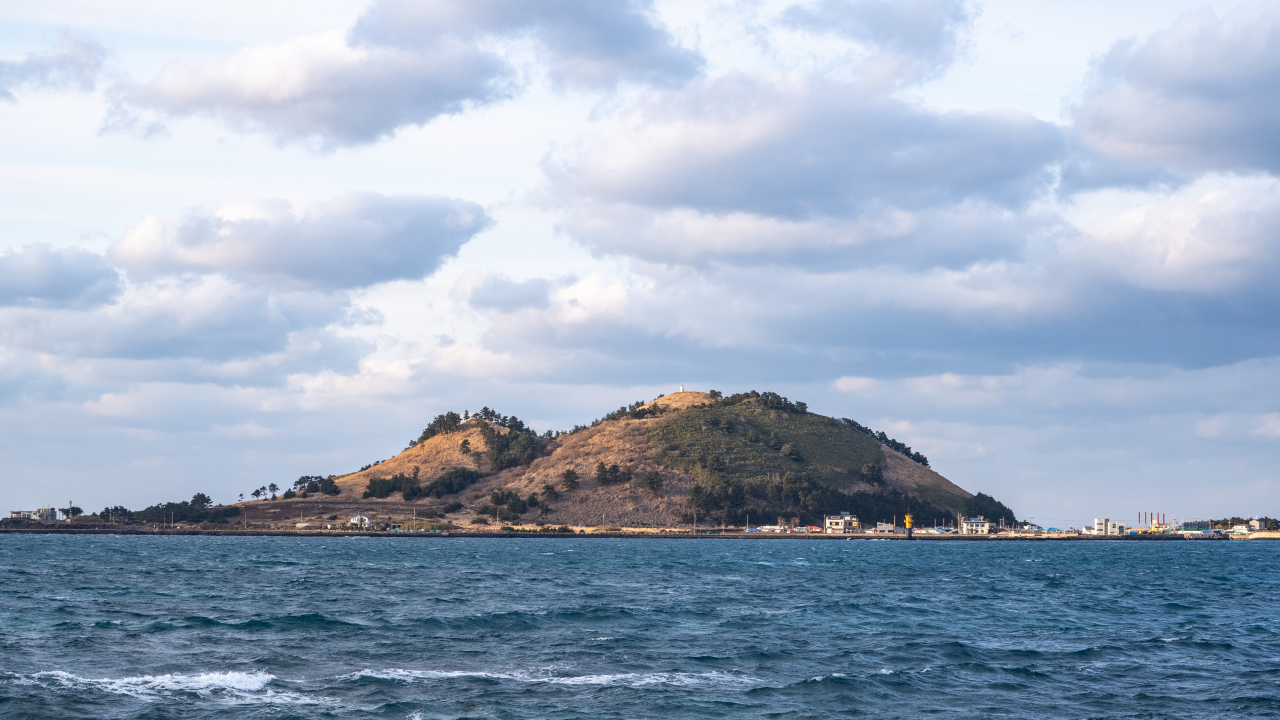
Black Land Across the Sea
Biyangdo is a very small island with a coastline of only 3.5 km, yet it holds everything you can only see in Jeju—lava fields, an oreum, wetlands, and even the ecology of Jeju’s forests. It’s the one place where you can feel Jeju in its original form.
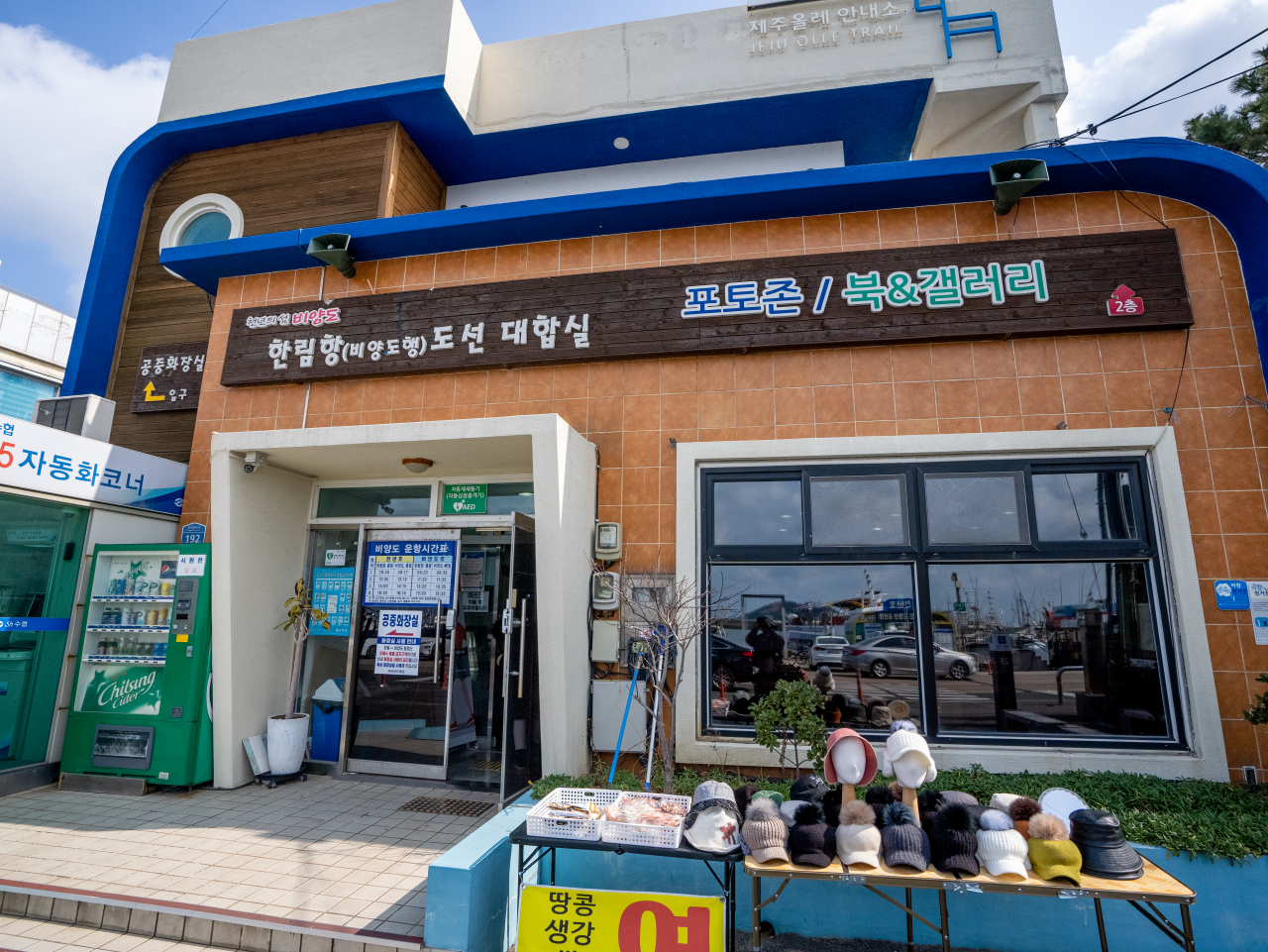
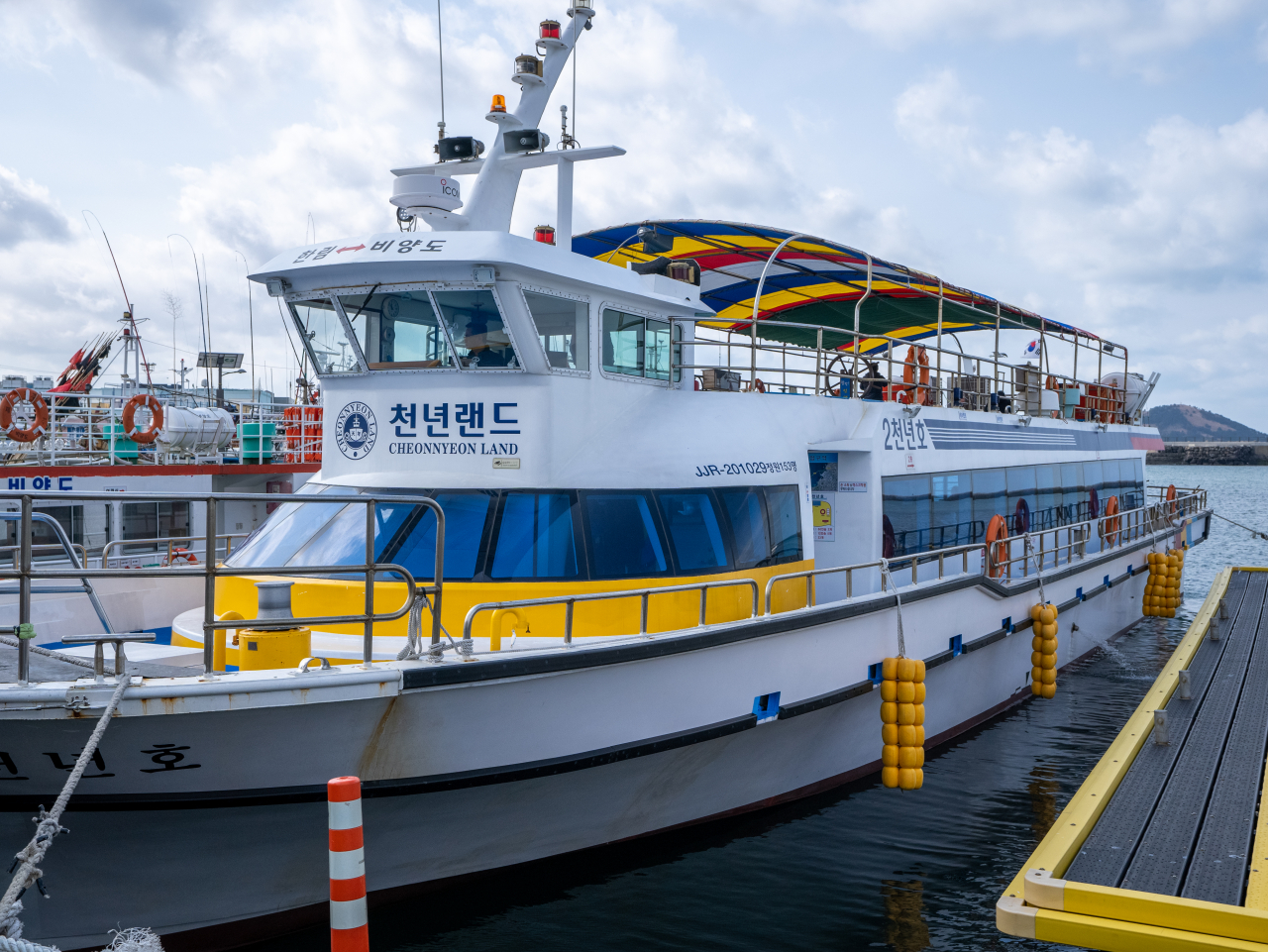
From Hallim Port, it takes just 15 minutes by ferry to reach Biyangdo. When I visited last time, there were only four sailings a day, but as tourism has grown, a new boat called Cheonnyeonho was added in addition to Biyangdoho—now there are eight sailings per day.
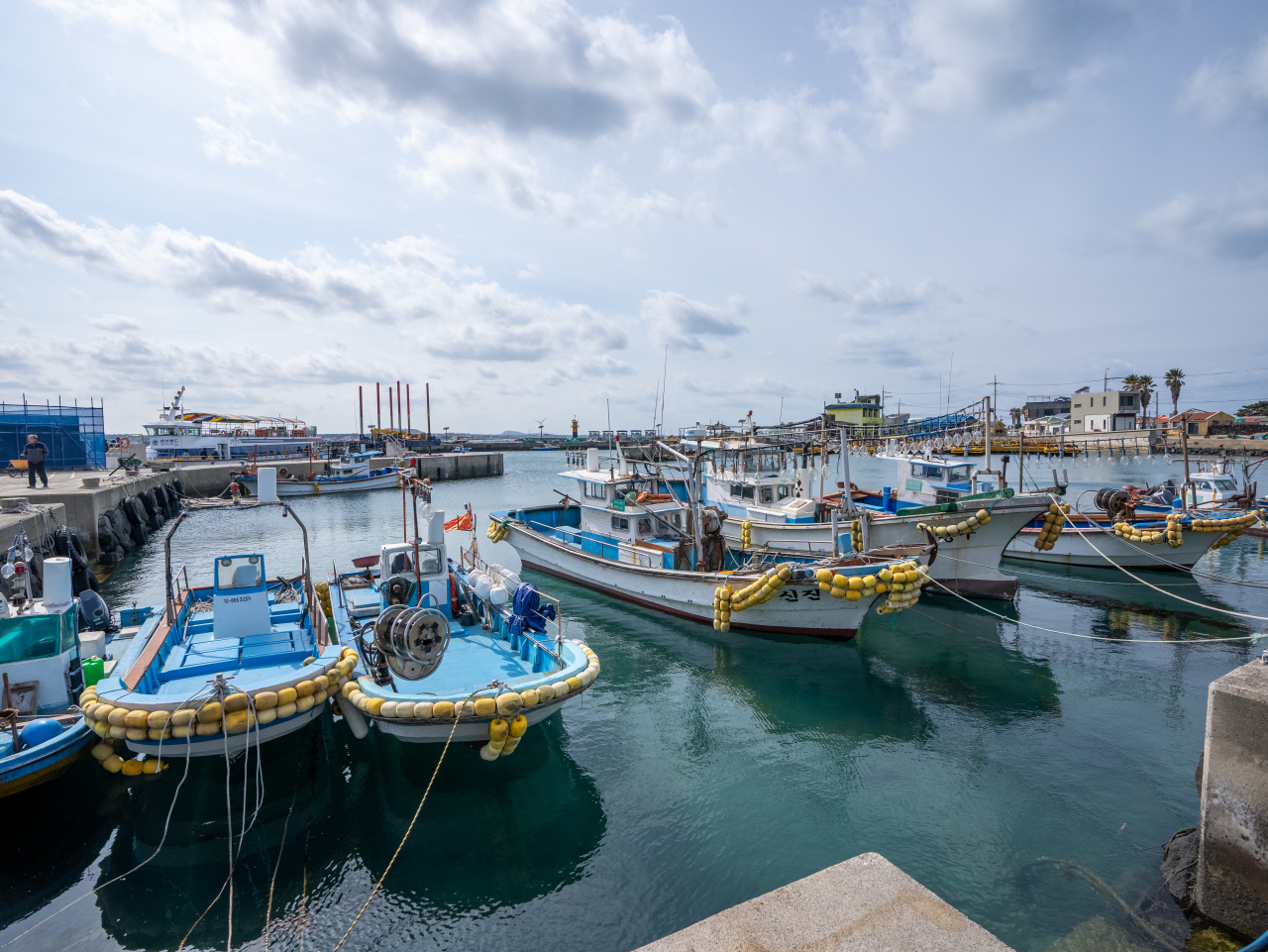
Stepping off at Biyangdo Port, my first impression was of a calm fishing village—full of ease and a hint of romance. It makes sense: Biyangdo has only around 50 households.
Not long after I moved to Jeju, I once heard news that Biyangdo was recruiting parents of school-age children. They offered the extraordinary conditions of providing housing and a job—an emergency measure by the village head to save the school, which was facing closure due to a lack of students. If I’d been a little braver back then, would I be a Biyangdo resident now?
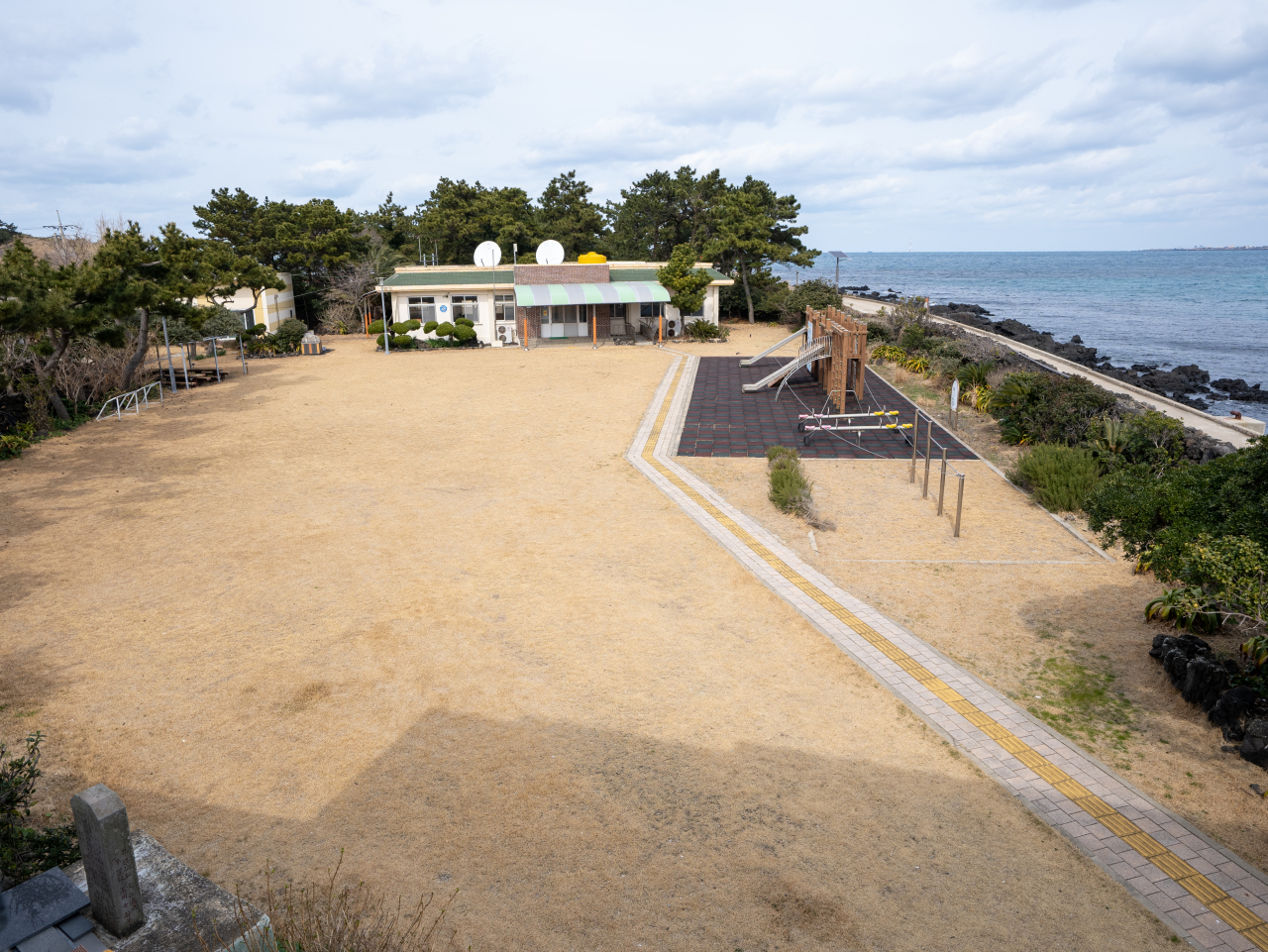
Volcanic Island, Biyangdo
We began circling Biyangdo along the coastal path. Even at a child’s pace, it’s a distance you can comfortably walk in about an hour.
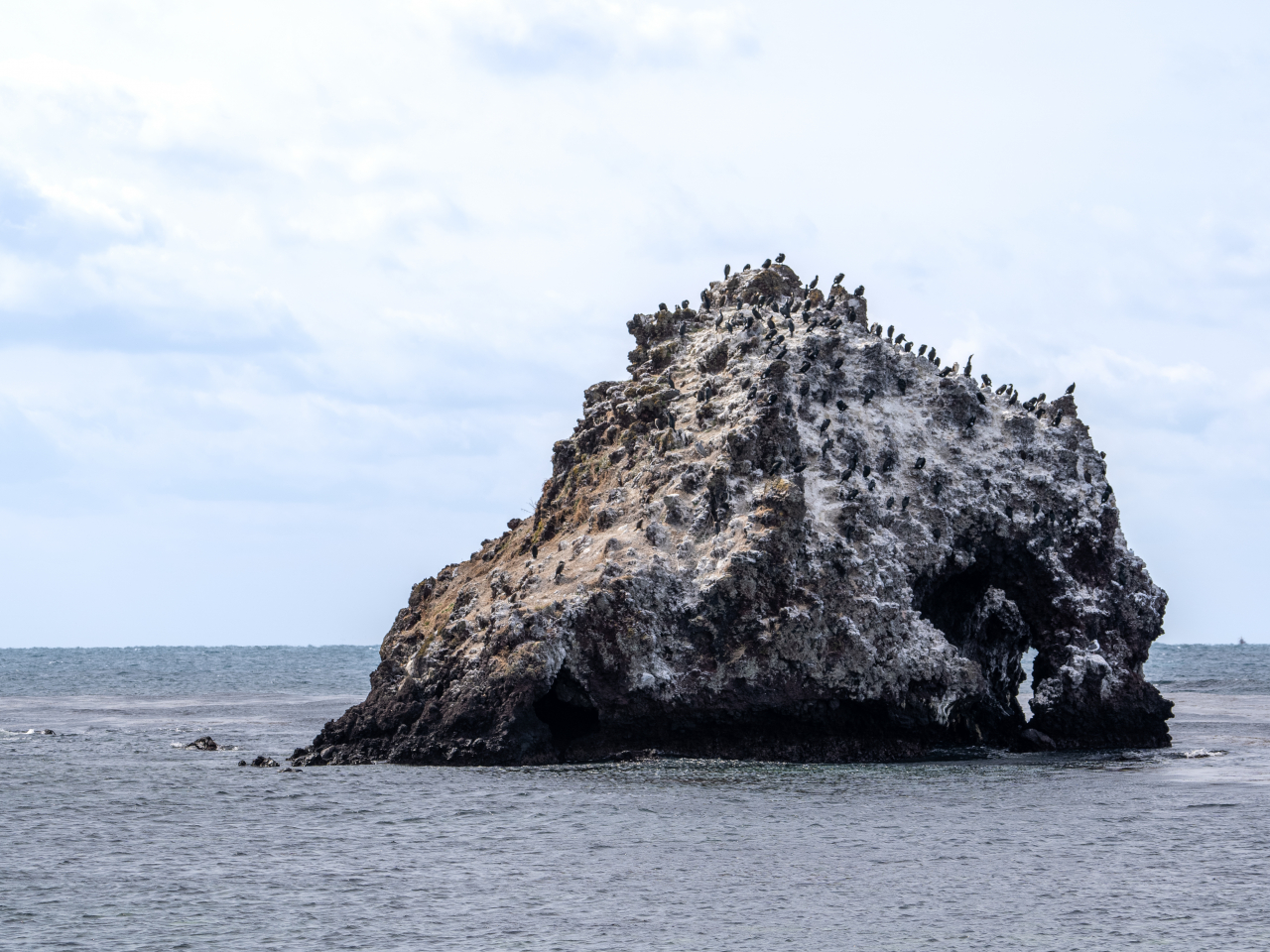
The first thing that caught my eye was Elephant Rock. Shaped like an elephant, it is another crater separate from Biyangbong, the cone that created Biyangdo. Though you can’t see it, it’s geological evidence that a large lava field also formed under the sea. There are also hornitos known as Aegieobeundol, and volcanic bombs scattered throughout, all showcasing Jeju’s volcanic terrain. Biyangdo’s volcanic field is considered highly valuable academically as well.
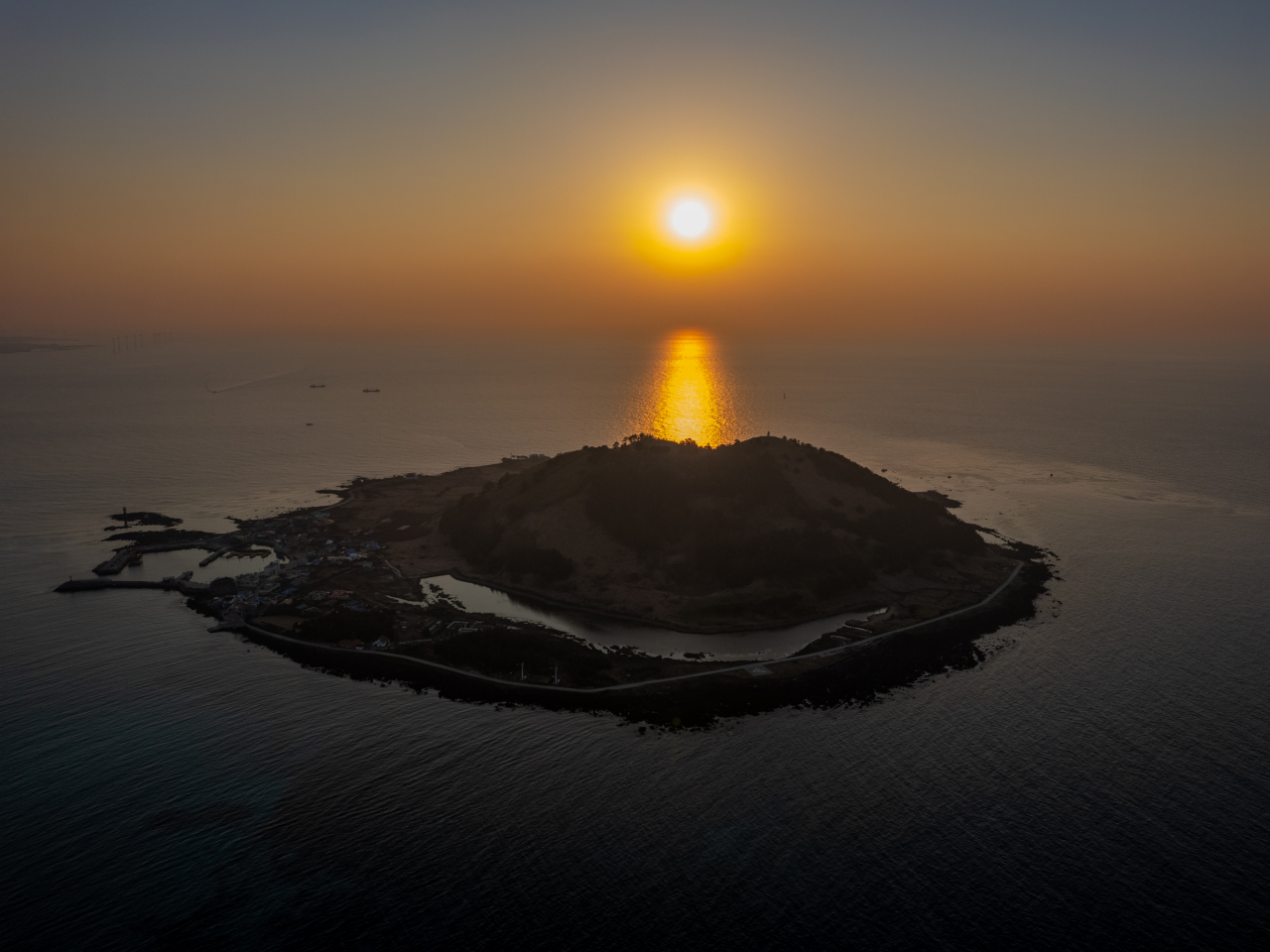
Oreum, and the Sunset
Late in the afternoon, after the last ferry left Biyangdo, silence settled in again. We headed for Biyangbong, the oreum rising tall over the island.
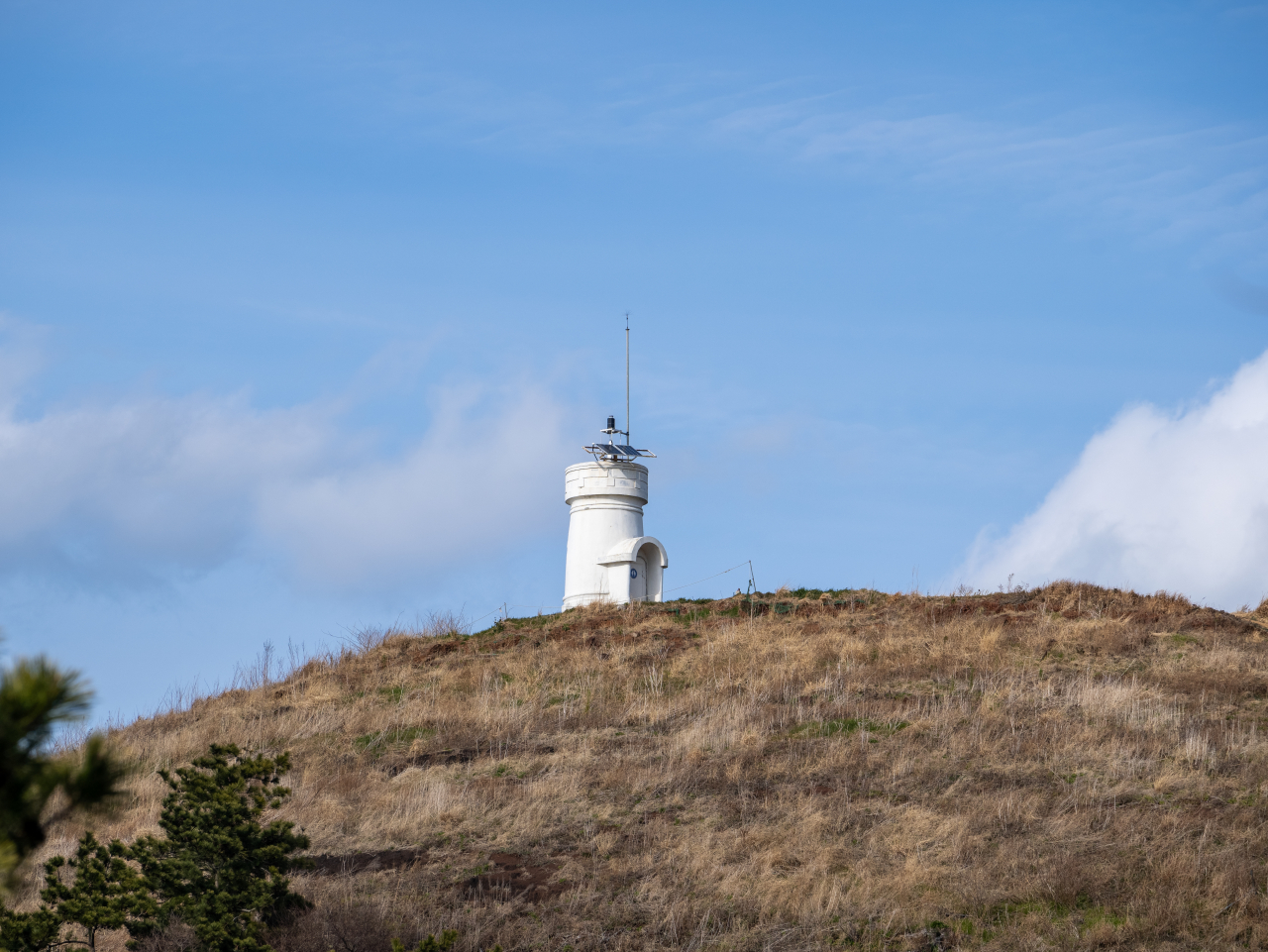
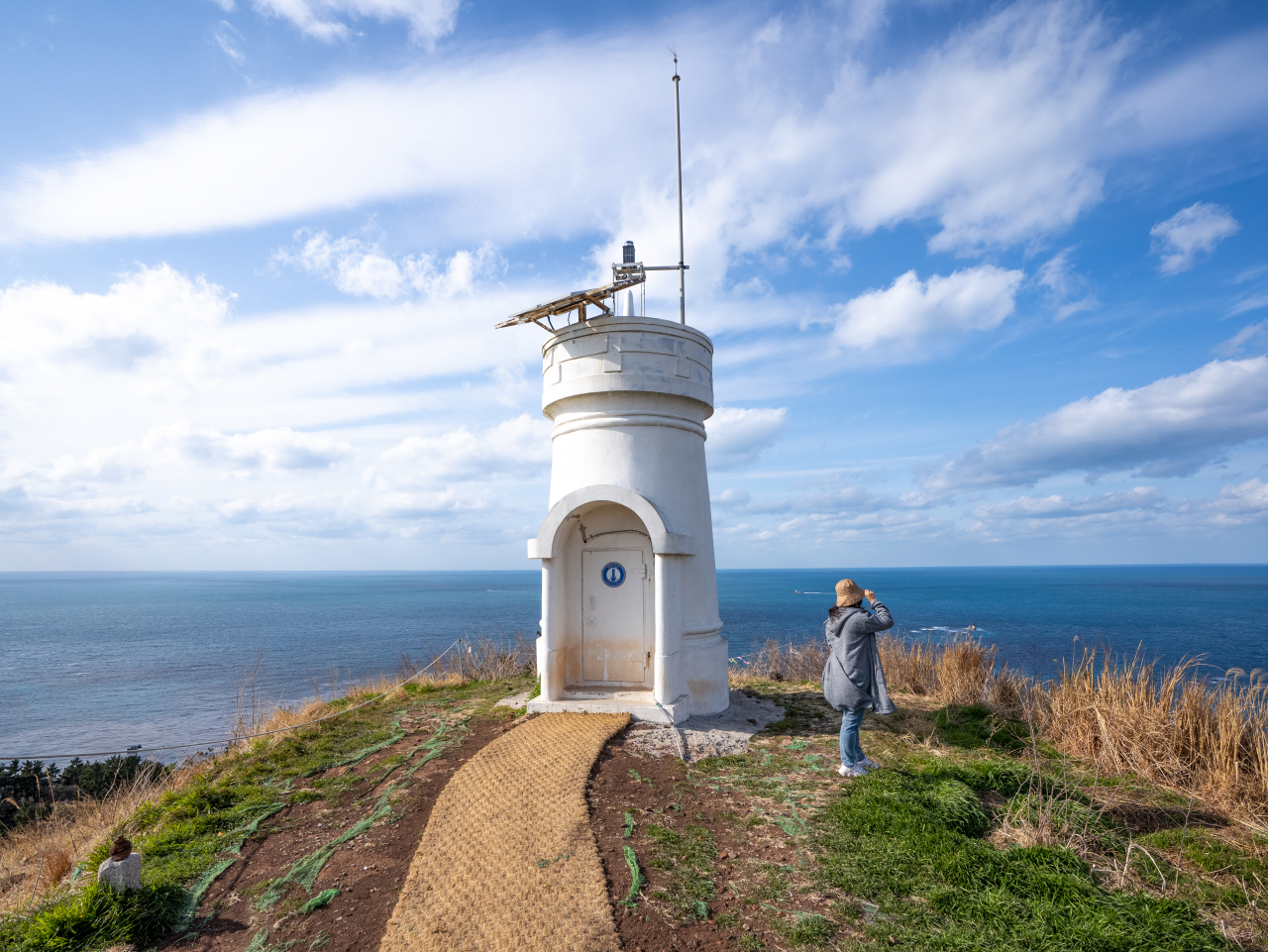
Jeju’s oreum have an odd charm that keeps drawing you back. Even when I lived on the mainland, I would hike now and then, but the view from the top was always layers of mountains. Jeju’s oreum offer a different kind of emotion—the endless horizon and skyline unfolding at the summit.
Perfect Darkness, and the Night Sky
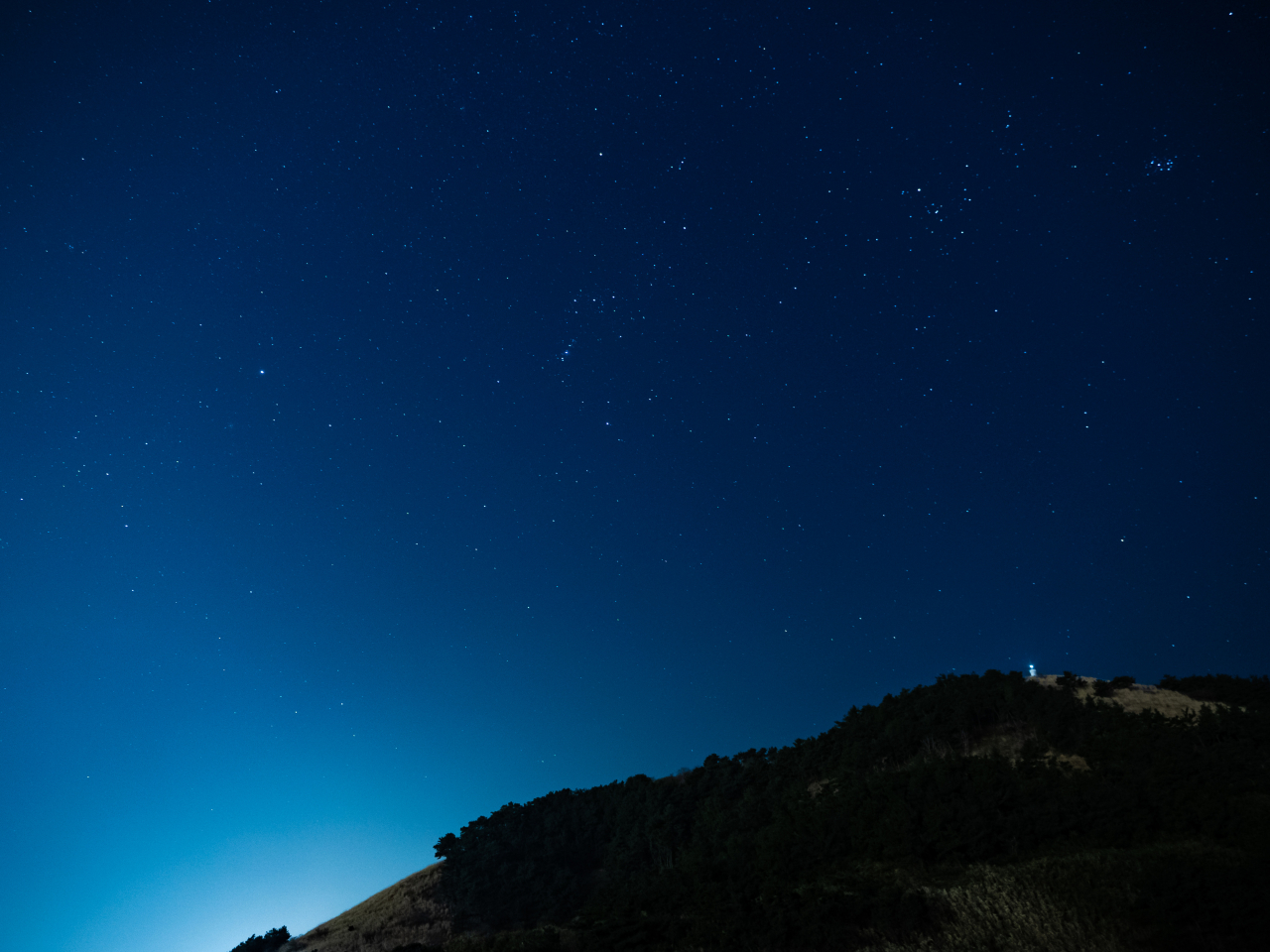
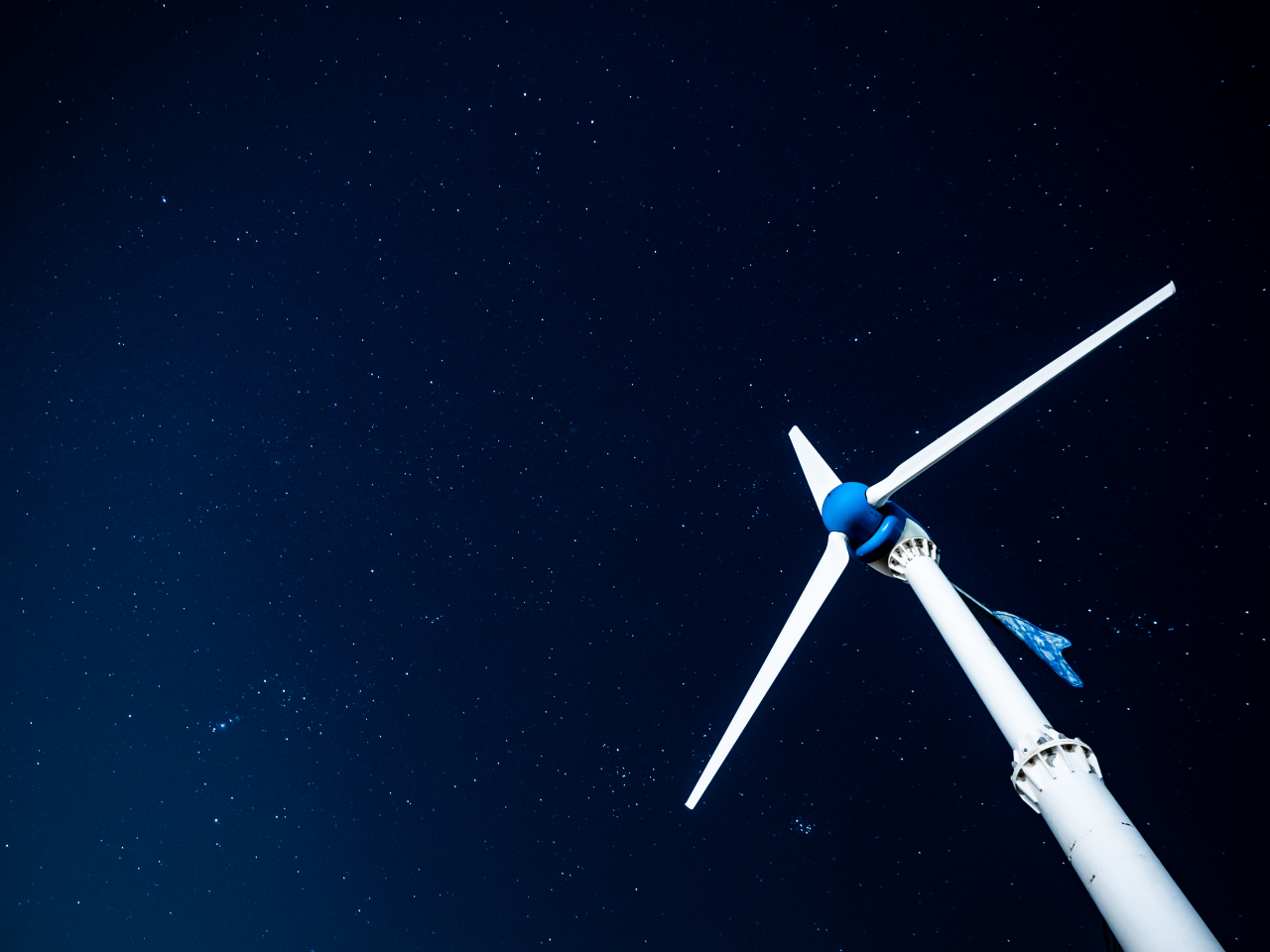
Whenever I take a night flight from the mainland, the dazzling city lights glitter beyond the window. It’s beautiful, but it also means we live amid light pollution. Cities brighten the world with artificial lights; Jeju doesn’t have that kind of glamour, but it has starlight that sparkles even more. To see the countless stars—so many you can’t even tell where they begin—you need, above all, perfect darkness.
Harsh Lava Fields, and Peollangmot—A Treasure House of Life
We welcomed the morning on Biyangdo. Mornings in a small fishing village are full of romance. Riding bicycles around the island, we arrived at Peollangmot, a salt marsh wetland.
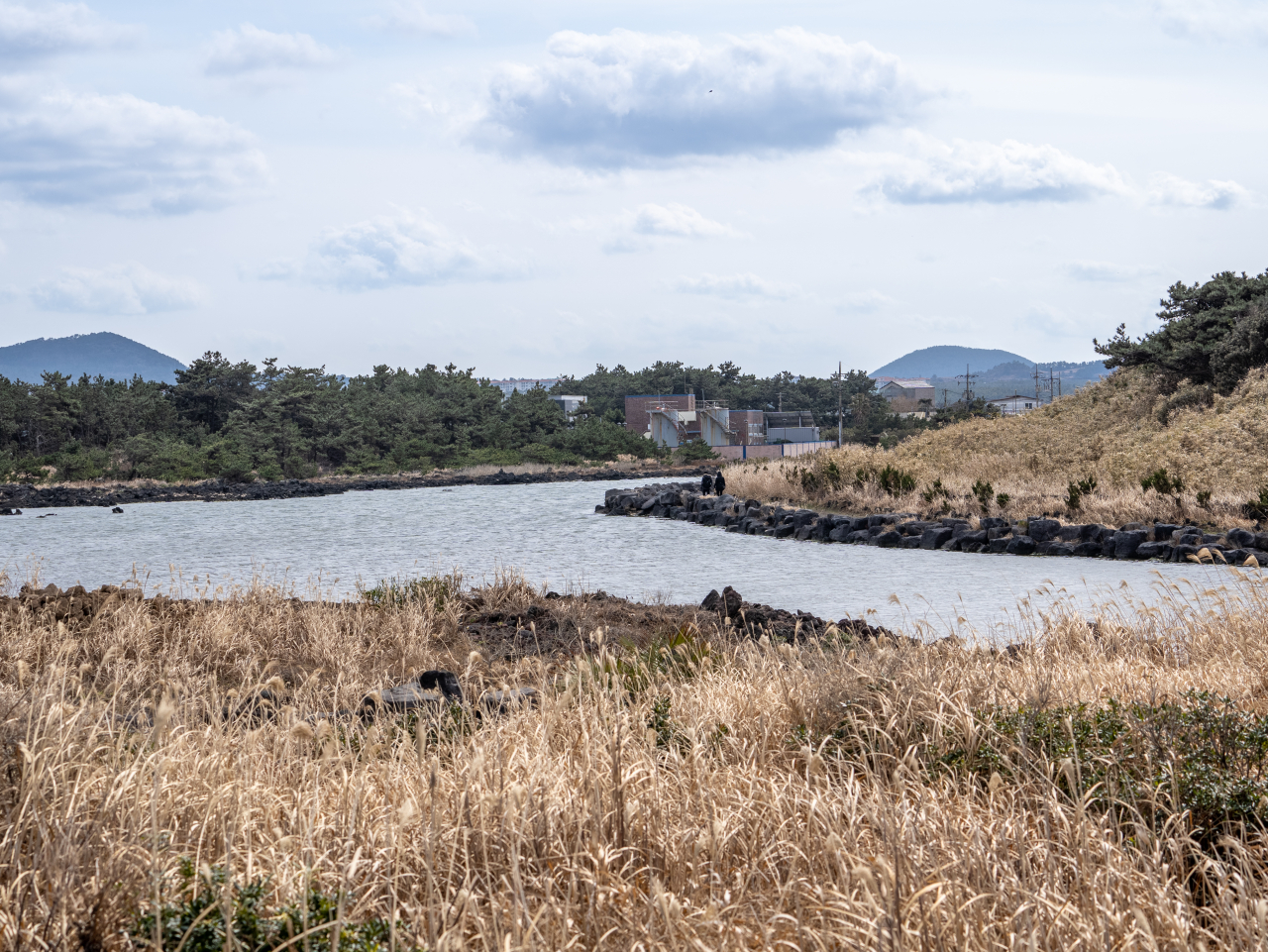
It isn’t easy for wetlands to form in volcanic terrain where water drains quickly. But Peollangmot became a salt marsh thanks to its unique structure that lets seawater move in and out through the wetland floor. At high tide seawater flows in; at low tide it drains out, turning it into freshwater. Like Vishnu’s island in the film “Life of Pi,” it feels as if a strange energy is held here—different by day and by night.
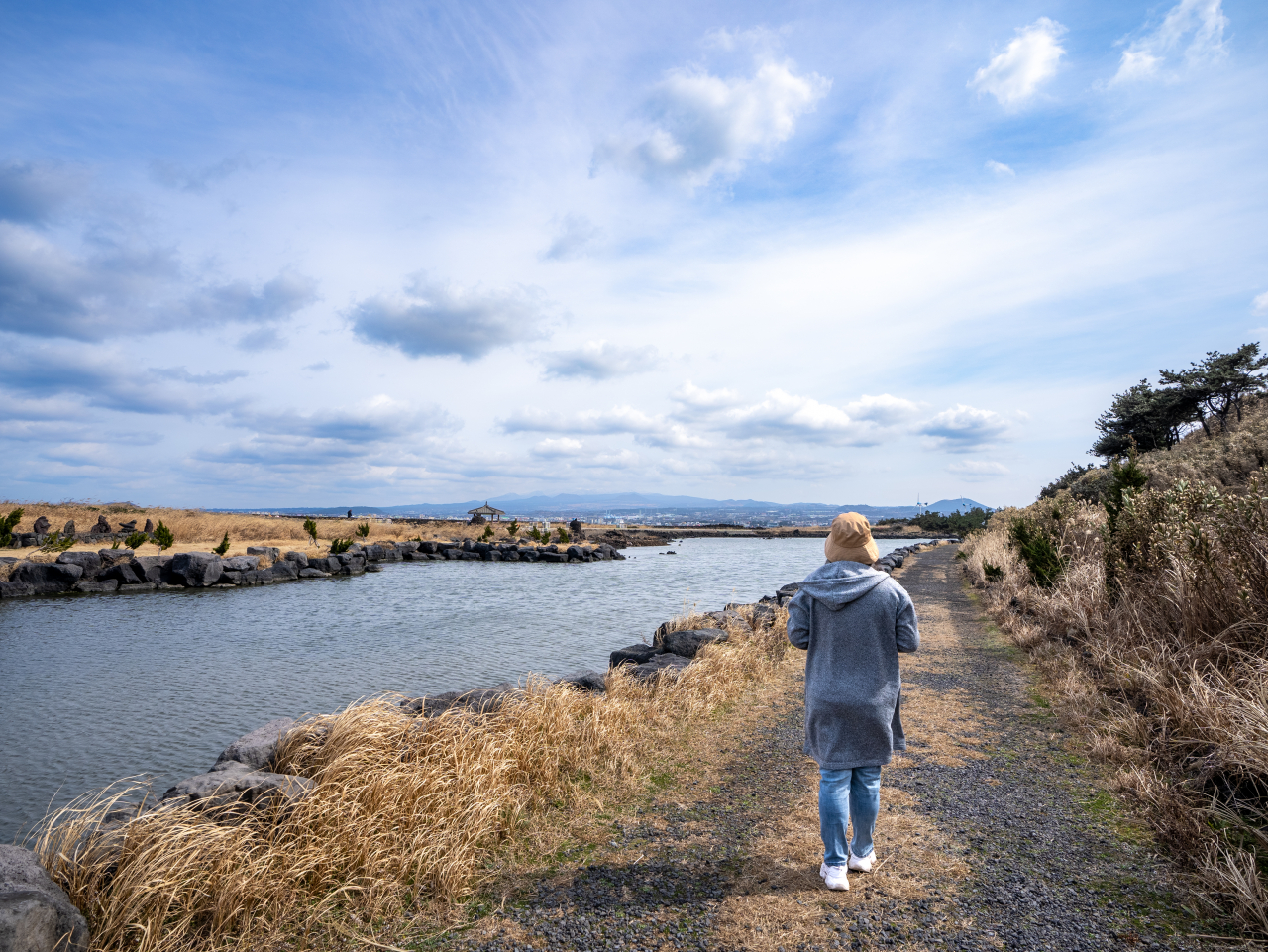
For people born and raised on Biyangdo, Peollangmot was their only playground and a part of everyday life. An elderly villager shared memories of swimming and playing there as a child, but said that now the circulation of seawater isn’t as smooth, so the water isn’t as clear as it used to be.

제주살이 10년 차, 일상 속 여행을 기록하는 크리에이터입니다. 바다와 바람, 낯선 골목에 스며든 제주를 좋아하고, 그 안에서 느꼈던 순간들을 글과 사진으로 전하고 있어요. 여행지보다는 여행의 온도를 담는 일을 합니다.

Comments
0No comments yet.