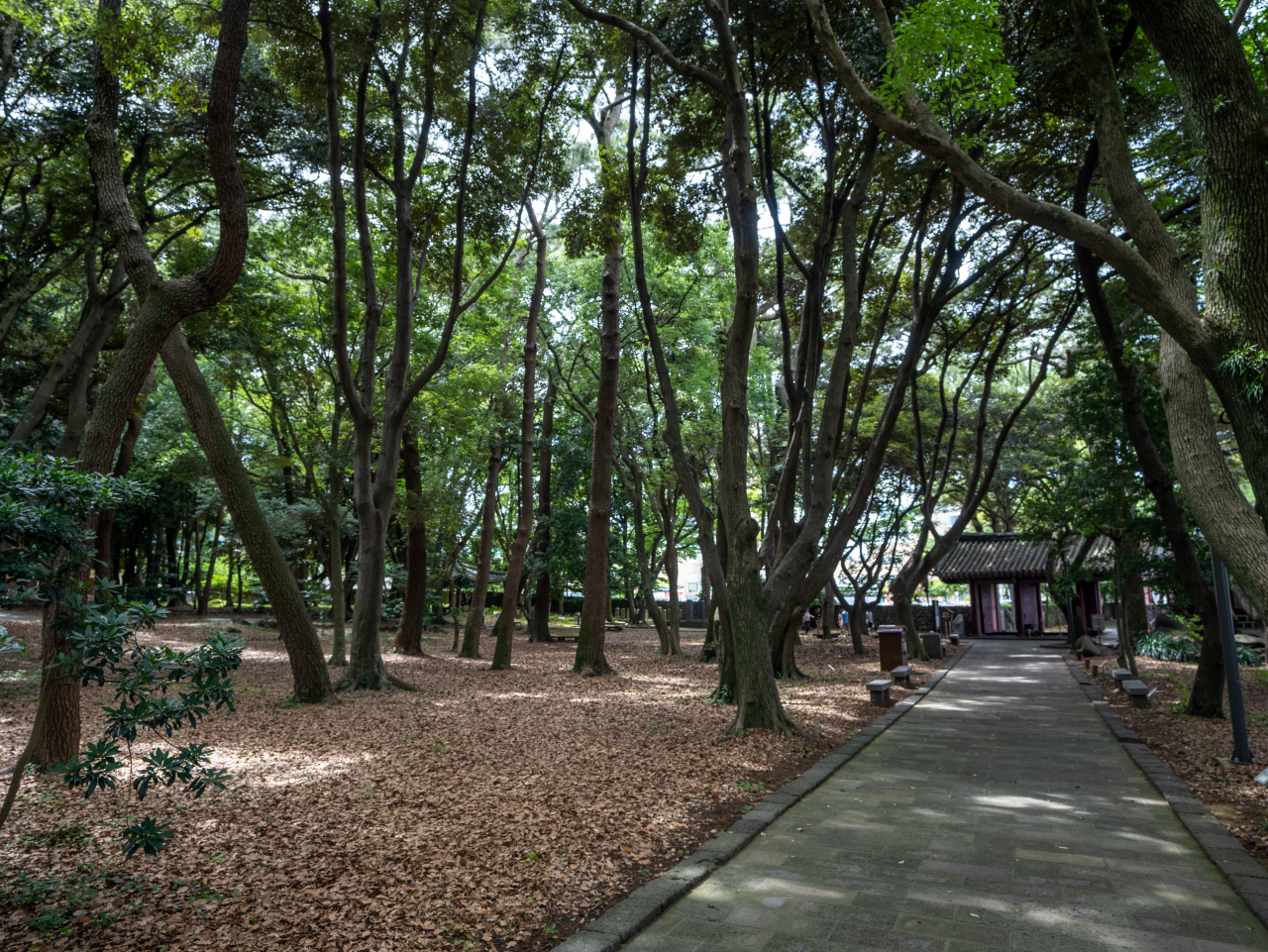
Our first stop was Samseonghyeol Stop. Samseonghyeol is a must on a Jeju City trip. It’s a place where stories about the Jeju lineages of the Go, Bu, and Yang clans have been passed down, and it’s also a lush destination filled with greenery—43 species of trees, with as many as 700 trees growing here.
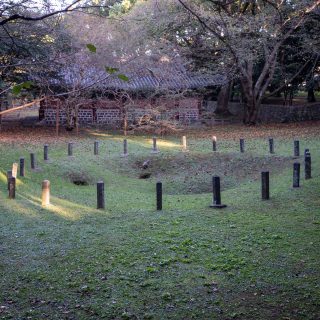
This is a sacred place believed to be where the three divine founders of the Tamna Kingdom—Go-eulna, Yang-eulna, and Bu-eulna—emerged. Designated as Historic Site No. 134, it is a symbolic space at the heart of Jeju’s founding legend and is visited by many travelers. Within the spacious grounds, centuries-old trees and well-maintained walking paths create a calm atmosphere that’s pleasant to stroll through even in the middle of the city. Inside, there are also an exhibition hall and a video theater introducing Jeju mythology, helping visitors gain a deeper understanding of Jeju’s history and culture. If you want to experience Jeju’s unique identity and origins—quite different from its flashy tourist spots—this is well worth a visit. Opening hours are 9:00 AM to 6:00 PM.
플레이스 보기
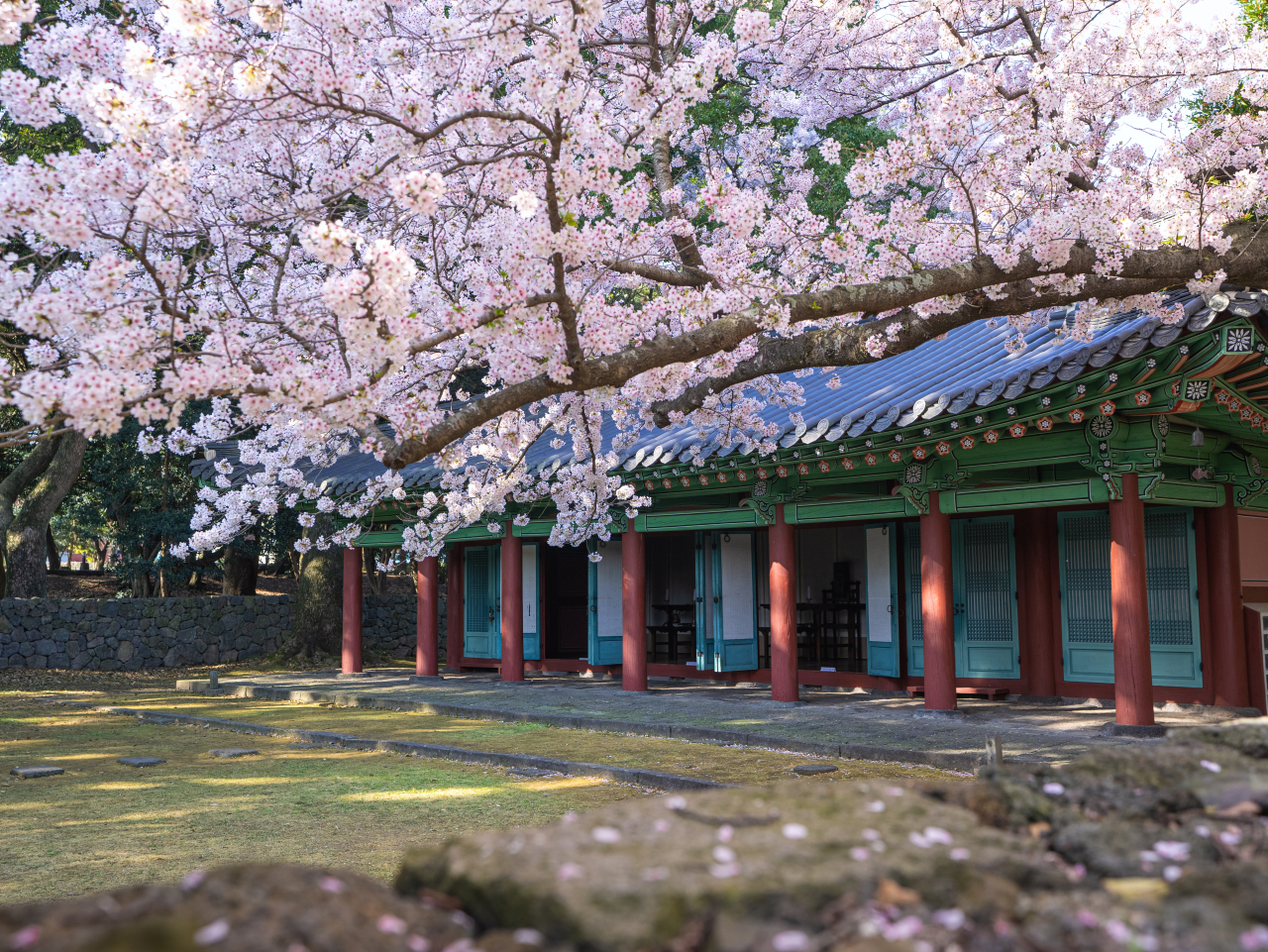
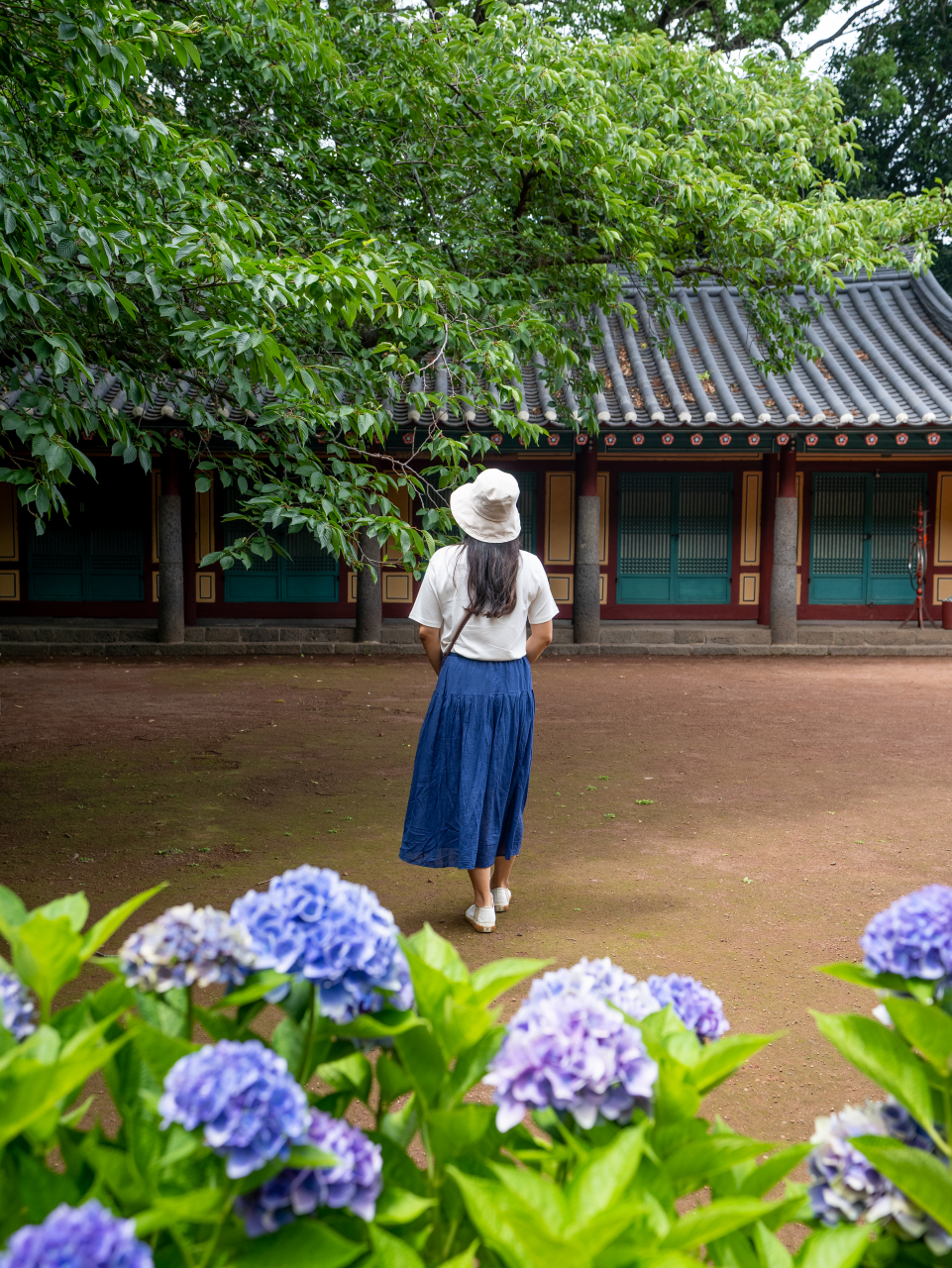
In spring, cherry blossoms bloom like popcorn and help many travelers capture their once-in-a-lifetime shots, and in summer, a cool breeze blowing under the shade of the trees welcomes visitors.
We got back on the bus and headed to Dongmun Market, a place overflowing with things to see and eat.
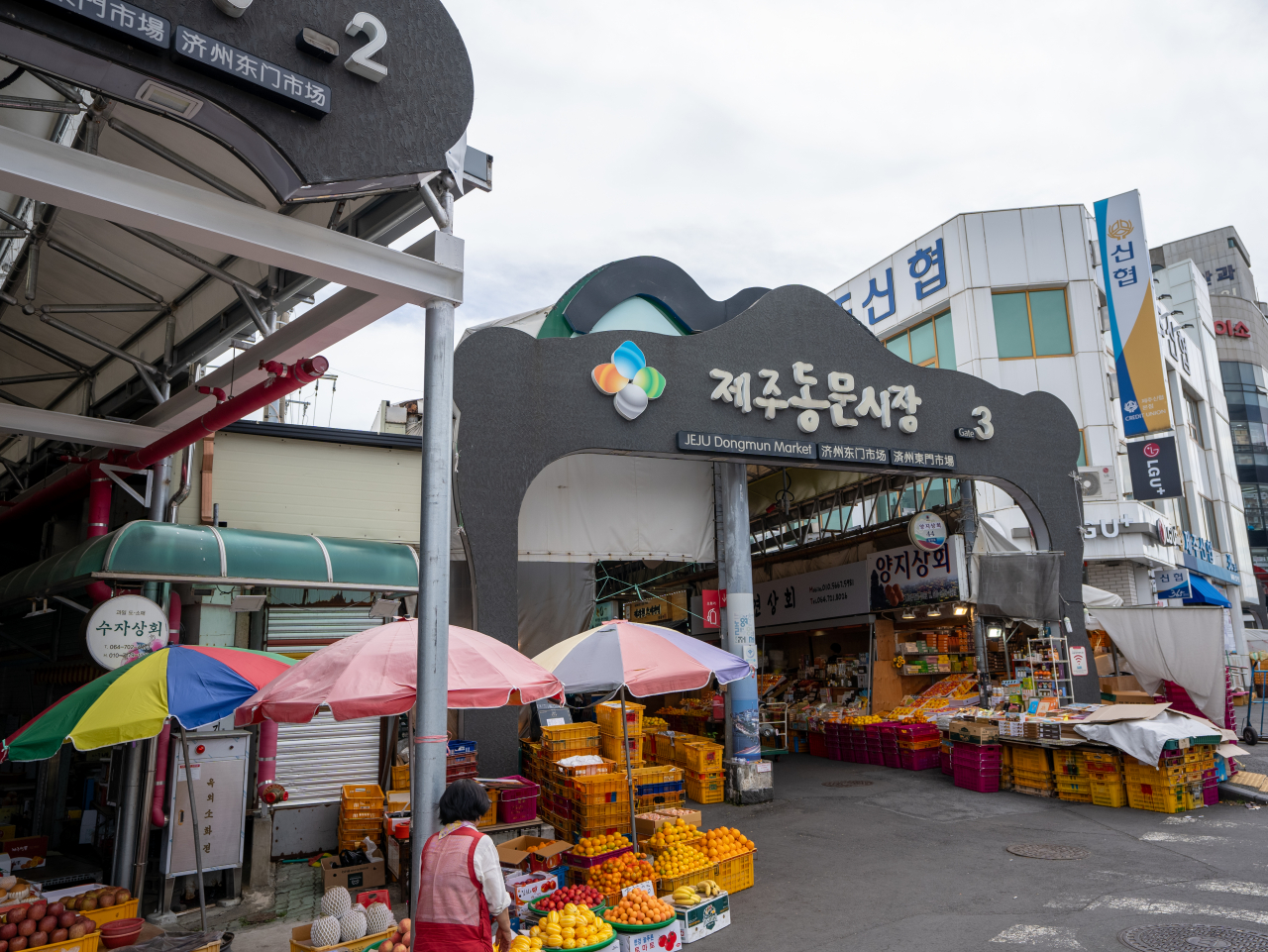
Dongmun Market is always packed with people, so the parking lot is always total chaos. Traveling by bus like this is great because you can explore without worrying about parking.
Jeju’s largest traditional market and a major tourist attraction with a long history. Here you’ll find not only fresh seafood and local agricultural and marine products, but also a wide range of Jeju specialties such as black pork, hairtail, Hallabong citrus, and omegitteok. It draws a steady stream of visitors year-round. The night market in particular is a must-stop on any Jeju trip, offering Jeju-style local dishes and street food. With plenty of food stalls and souvenir shops throughout, it’s fun to browse and a great place to experience Jeju’s local culture up close.
플레이스 보기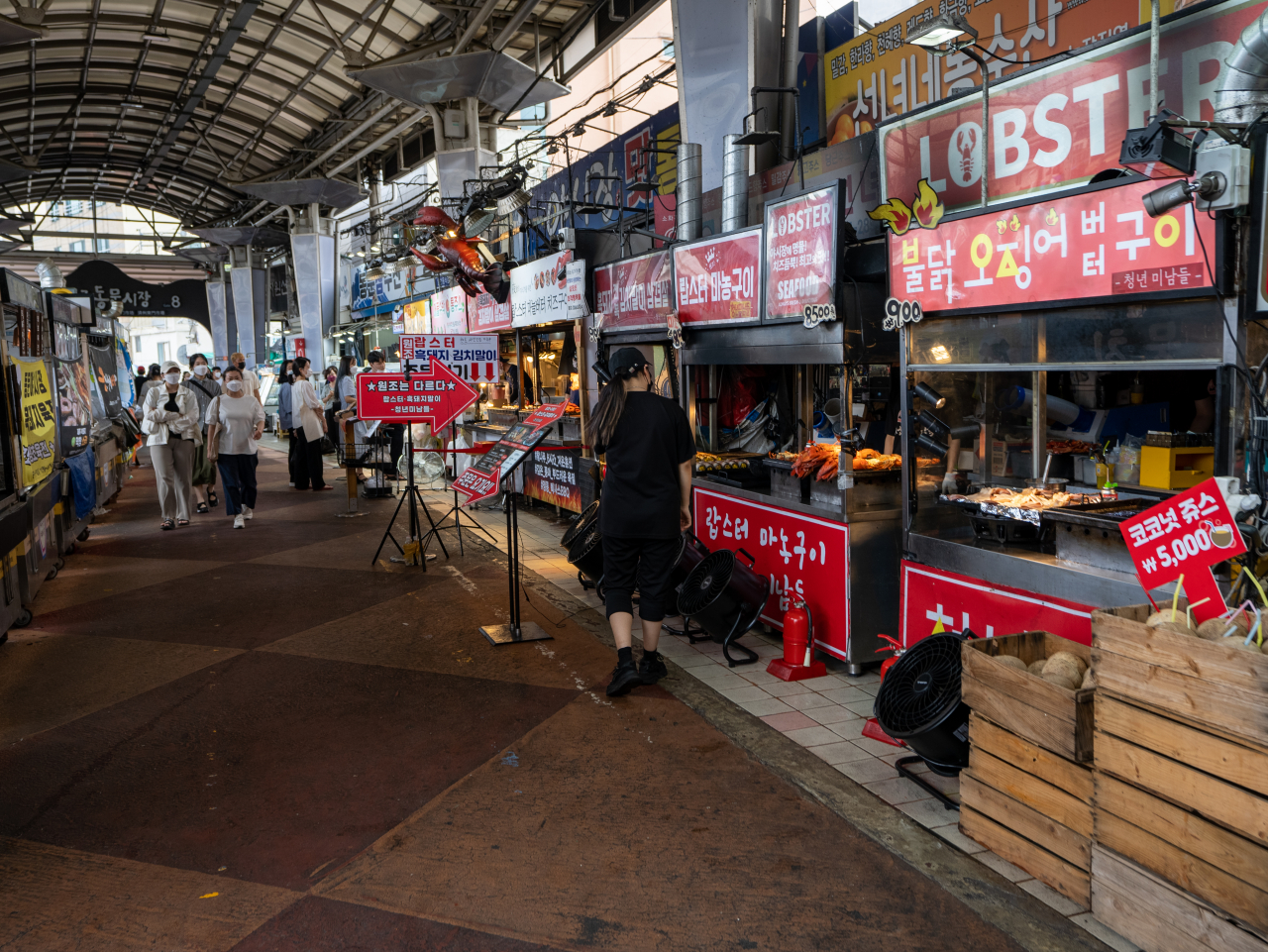
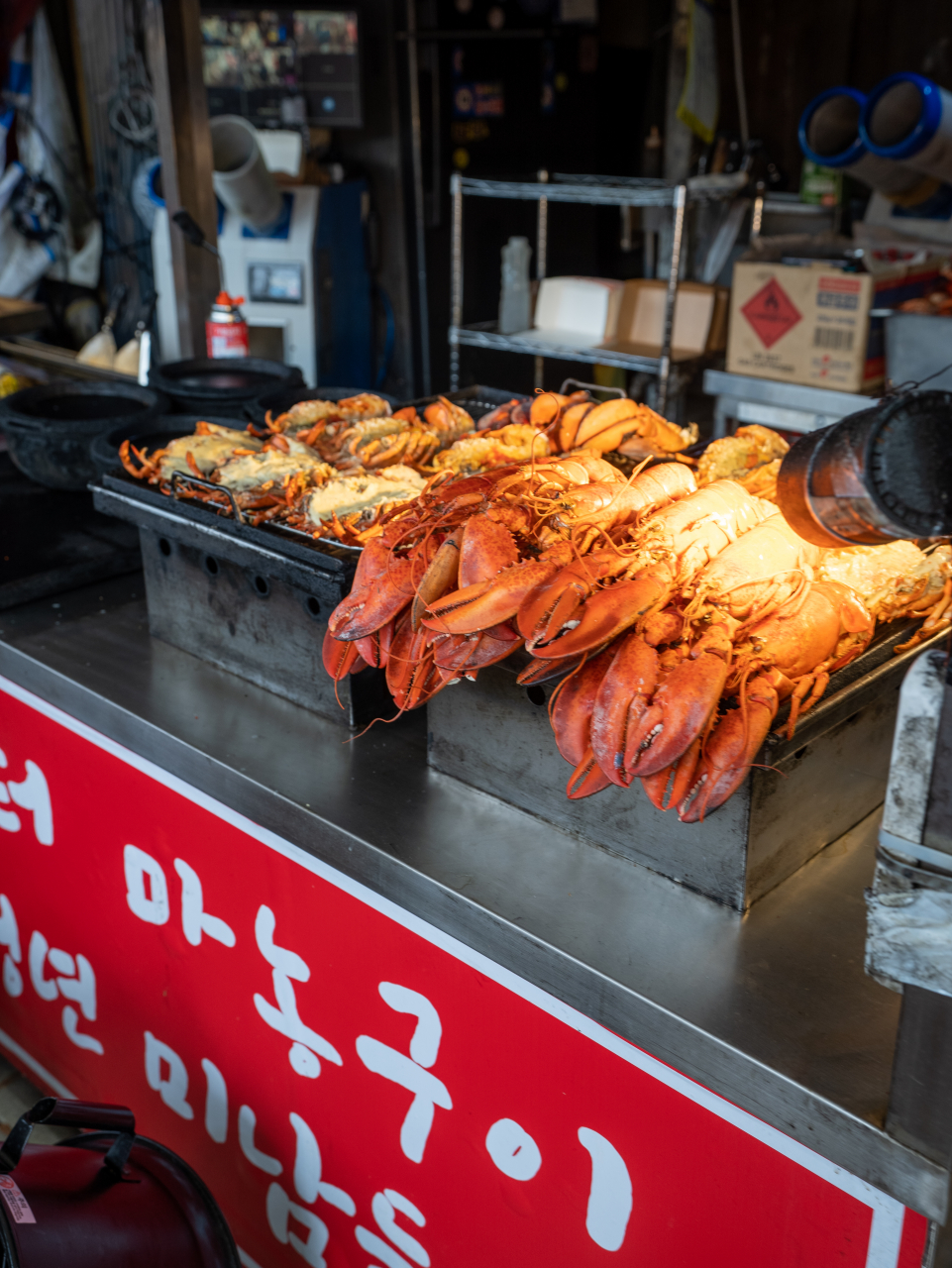
Market food you can’t skip~!
All kinds of street food grabbed our attention. If you step just a little away from the night-market street, you’ll find cafes & pubs with signs that say outside food welcome. You can sit comfortably there and eat with a beer or a drink.
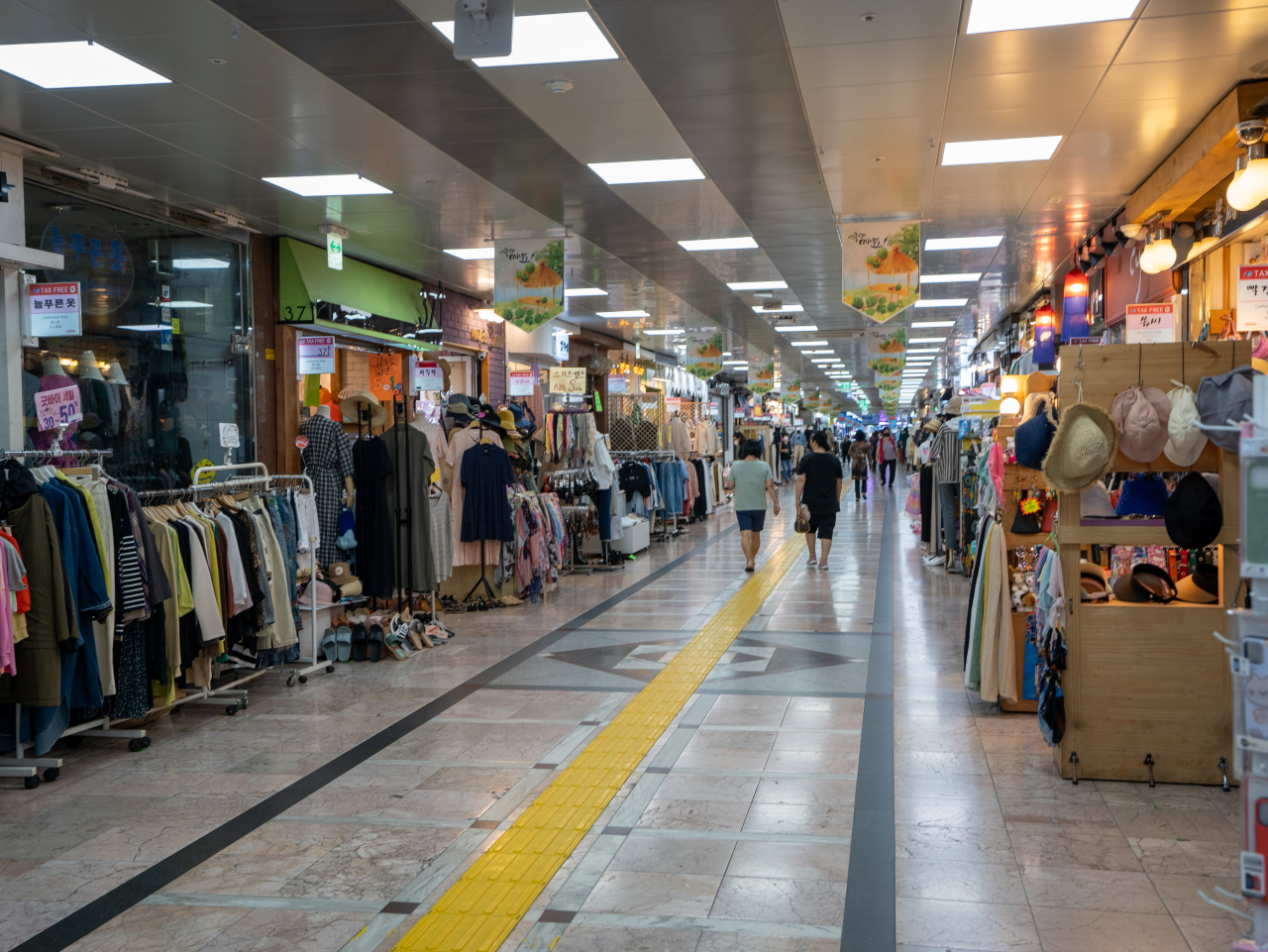
Instead of taking the bus, we walked along Jungang Underground Shopping Center to Jejumok Gwana. The cool air conditioning feels like a welcome break, making it a great place to rest for a bit.
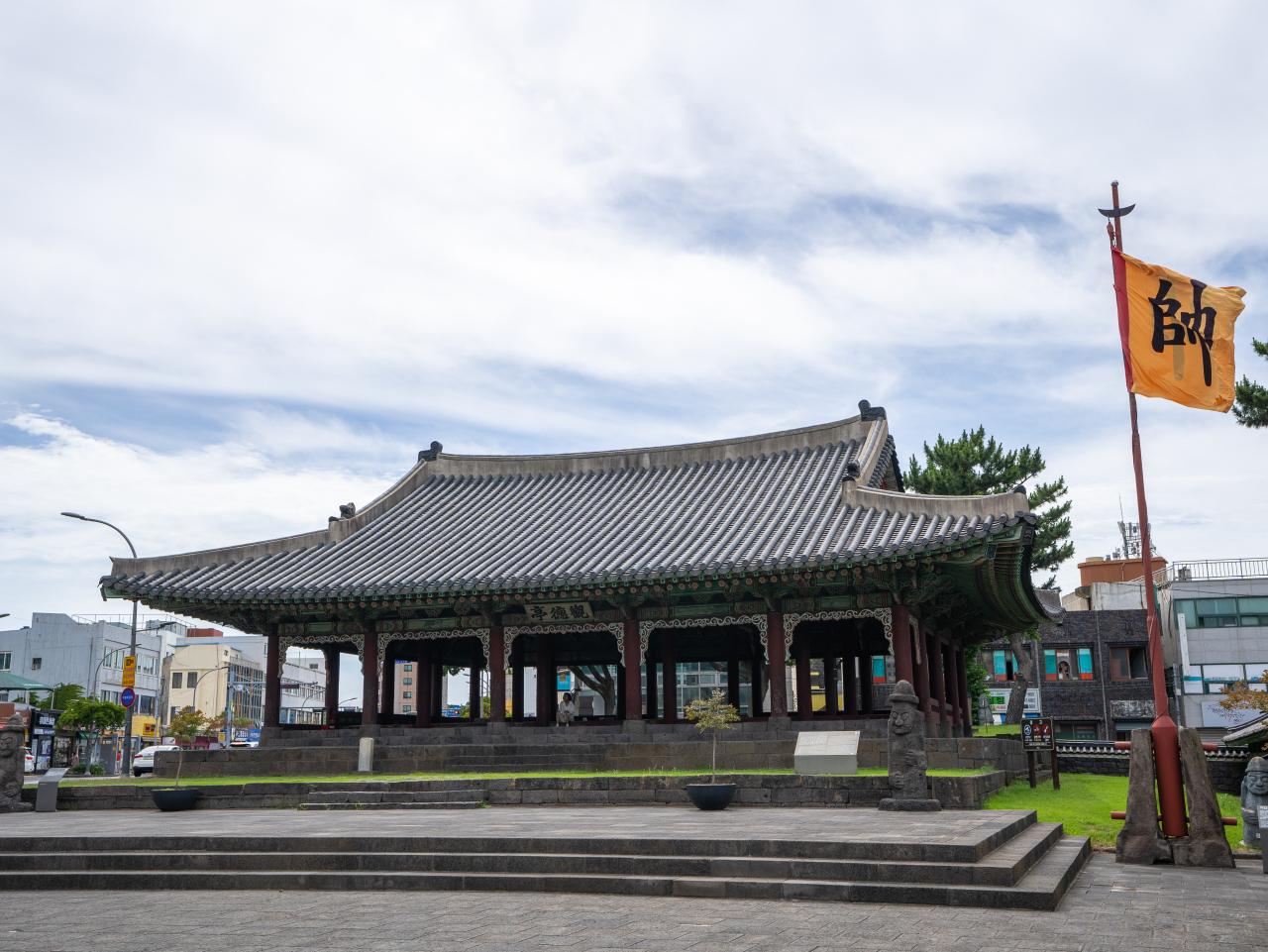
When we arrived at the entrance to Jejumok Gwana, Gwandukjeong—said to be the oldest surviving building in Jeju—greeted us. Having stood here since the Joseon era, Gwandukjeong feels like it has countless stories to tell.
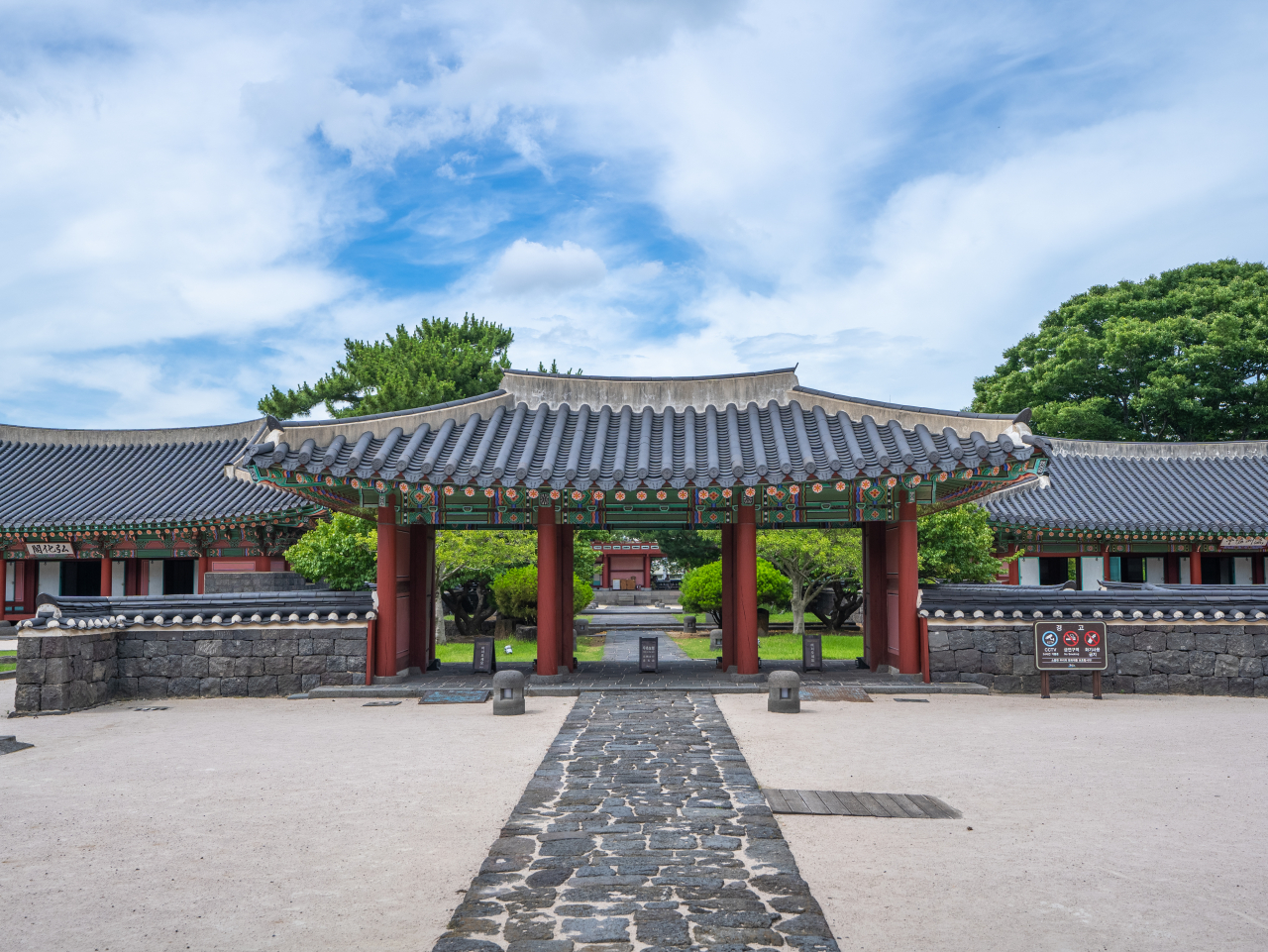
The traditional houses are impressive. This was once the site of the Jejumok government office. It was demolished during the Japanese occupation and only the site remained, but it was restored through excavation work.
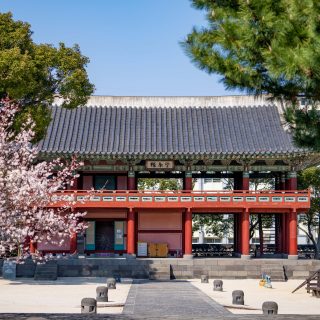
Jejumok Gwana is a government office complex where the Jeju Magistrate (Jejumoksa) carried out official duties during the Joseon Dynasty, serving as a key historical space at the heart of administration, military affairs, and trials in Jeju. Today, restoration projects have reconstructed the office buildings of the period, allowing visitors to vividly feel the atmosphere of the time along with Jeju’s traditional architectural style. Major buildings inside include Honghwagak, Yeonhuigak, and Gyullimdang, offering a glimpse into what a Joseon-era local government office in Jeju looked like. At night, lighting enhances the tranquil ambiance, and it is also a popular stop on Old Downtown Jeju itineraries. It is close to Dongmun Market, Gwandeokjeong Pavilion, and Sanjicheon Stream, making it easy to explore together, and is a signature cultural heritage attraction for a deeper experience of Jeju’s history and culture.
플레이스 보기
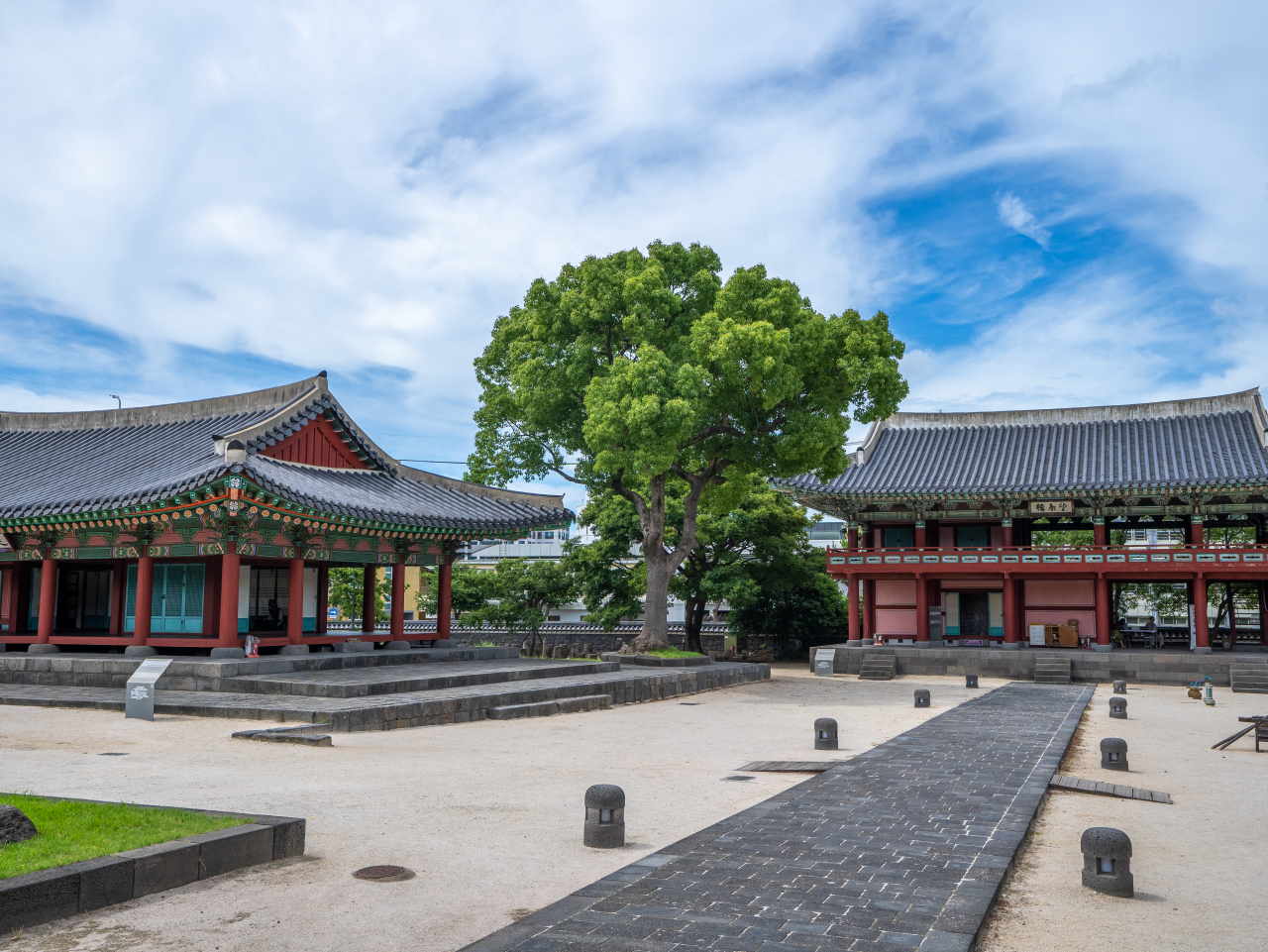
I personally found it very satisfying—you can try traditional games right in the middle of the city and take great photos with traditional houses as the backdrop.
From Jejumok Gwana, we took the bus again to the next stop, Yongyeon Valley. After getting off and walking down along the valley, we were able to take a once-in-a-lifetime photo at Yongyeon Cloud Bridge before reaching Yongduam.
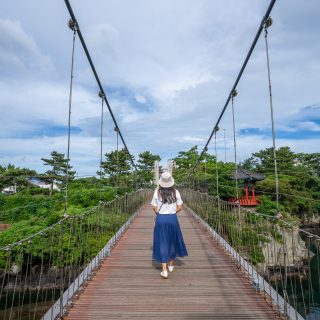
This is a place where you can enjoy beautiful natural scenery as you cross Yongyeon Valley. From the bridge, you can look down at Yongyeon’s distinctive landscape, where steep basalt cliffs and a clear blue waterway come together in one view. Located close to downtown Jeju, it’s easy to visit without much hassle. At night, lights illuminate the bridge and the surrounding scenery, offering a different charm from the daytime, and it’s considered one of Jeju’s 대표 night-view spots. It’s also a great place to stroll along the Yongyeon Valley walking path and spend some relaxing time.
플레이스 보기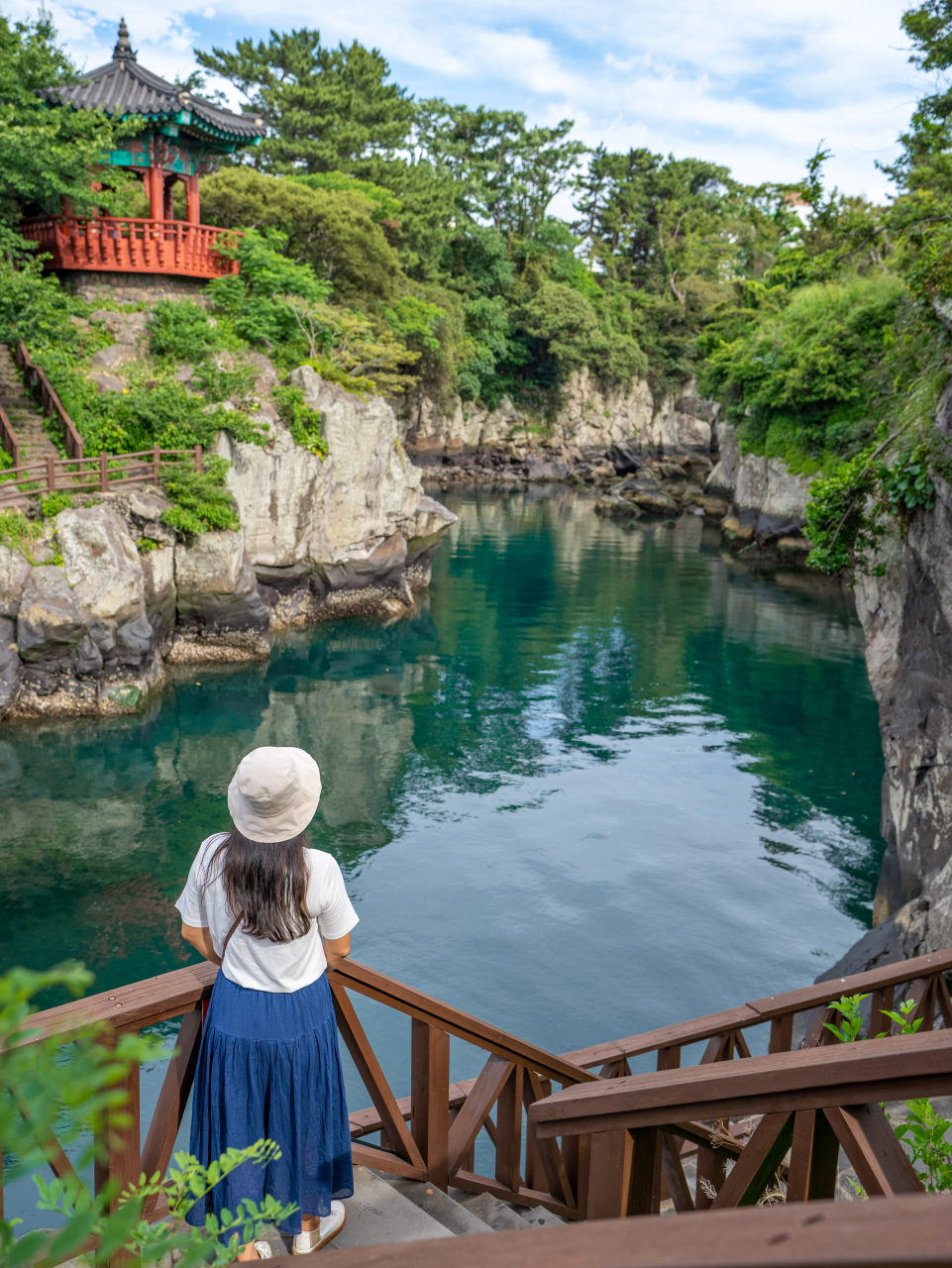
Yongduam got its name because it’s said to resemble a dragon’s head, though it doesn’t really look like that.
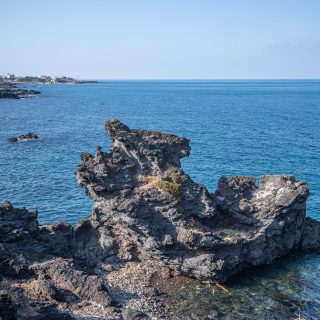
One of Jeju’s 대표 tourist attractions located along the coast of Jeju City, this massive rock is tied to a legend that a dragon turned to stone while trying to ascend to the heavens. Shaped over centuries by waves and wind, the basalt formation resembles a dragon’s head, creating a striking seascape. Close to Jeju International Airport, it’s a popular stop at the beginning or end of a trip, and a great place to enjoy coastal views blending with the blue sea. At sunset in particular, the red-tinted sky and Yongduam Rock come together to form one of Jeju’s most beautiful scenes.
플레이스 보기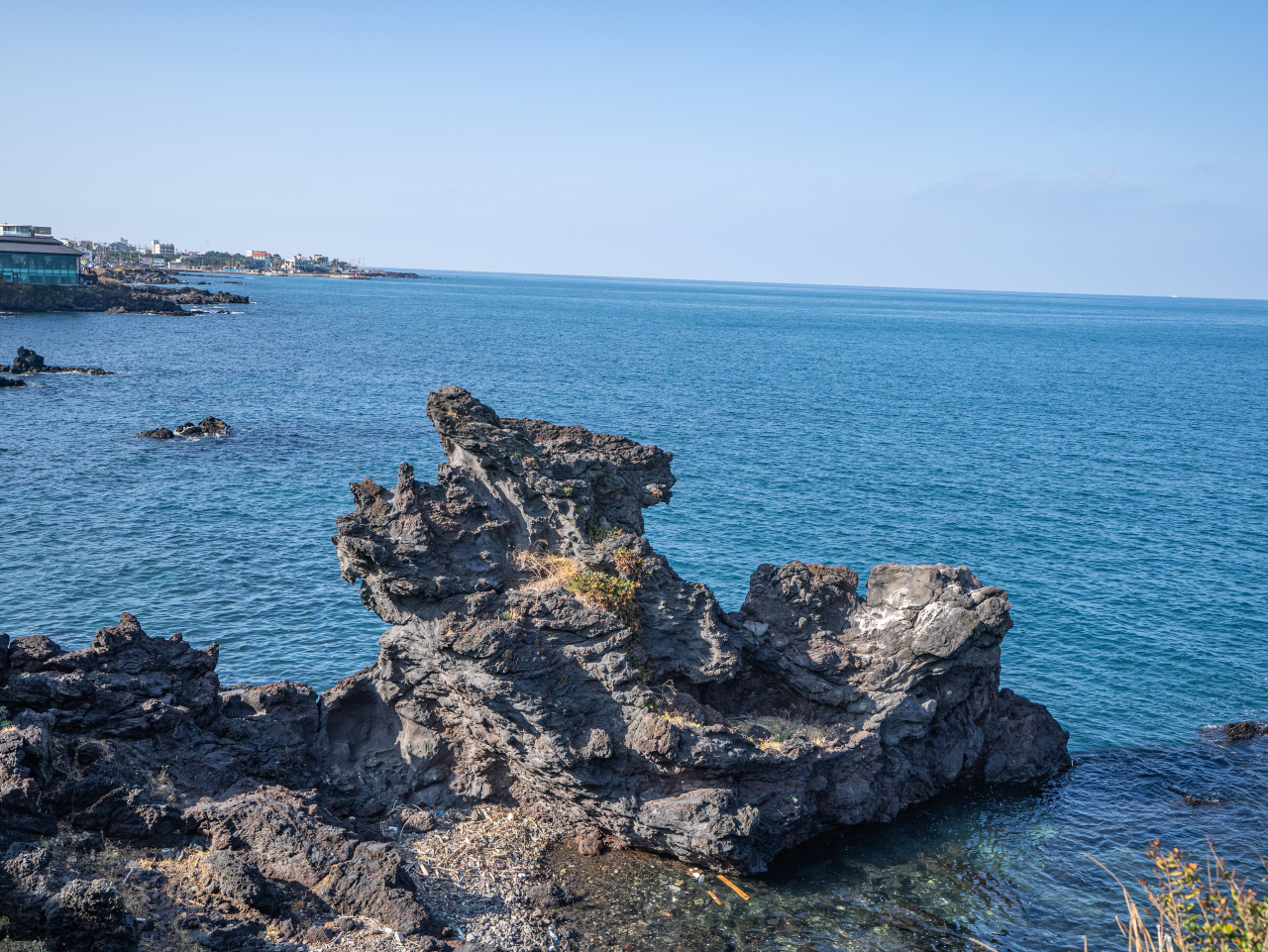
Whenever I visit Yongduam, I always wonder: how did this become such a famous tourist spot? But something I happened to hear made me think about this place again.
They said that when they were young, whenever their father went out to work at sea, they would always wait for him here at Yongduam. These days Jeju has become Korea’s biggest tourist destination, but back then this was just a tiny fishing village. Yongduam was a place to wait for fathers who had gone out to sea—and the best playground for kids.
For those who lived through that time, Yongduam holds unforgettable longing and memories.
Looking out at the beautiful Jeju sea, we walked along the coastal road to Yongma Village Bus Stop to take an airplane photo—something you can only capture in Jeju.
Located next to Jeju Airport’s runway, this spot is known as a photo location where you can see aircraft takeoffs and landings up close. Along the coastal road, it offers a distinctive view where the sea, sky, and airplanes come together, drawing many visitors who come to take photos with landing planes in the background. Although it is a regular local bus stop used in daily life, it has become popular on social media as a Jeju-style “airplane vibes” photo spot. Thanks to its proximity to the airport, it’s an easy place to stop by briefly and capture travel photos.
플레이스 보기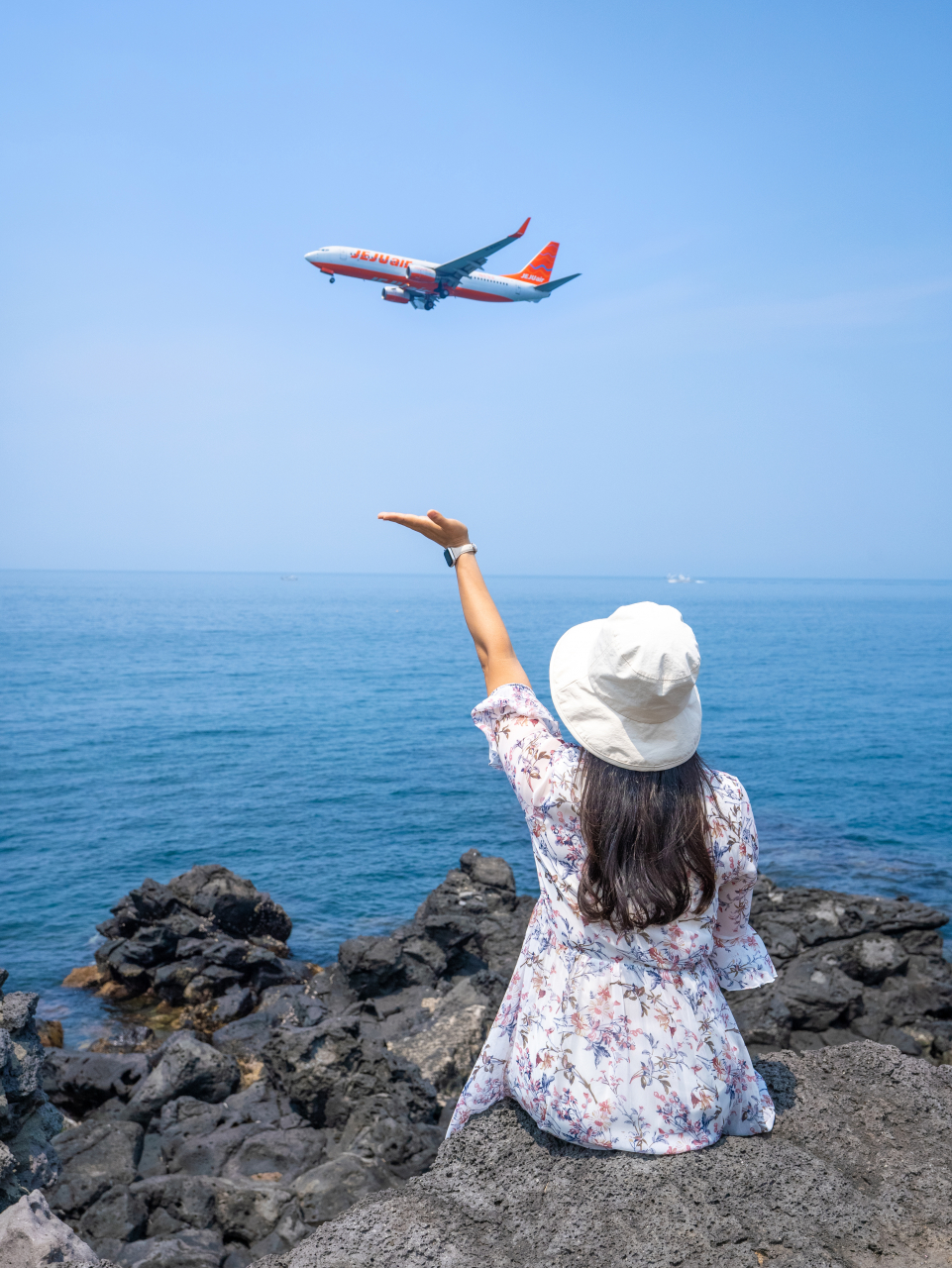
There used to be a popular airplane photo spot in Jeju, but it was blocked off for safety reasons—this is a newly rising spot.
You can capture an amazing shot with a landing airplane in the background.
If you come to Jeju, shouldn’t you snag at least one photo like this?
We got off at Dodubong, checked out Dodu Rainbow Coastal Road, and then climbed Dodubong.
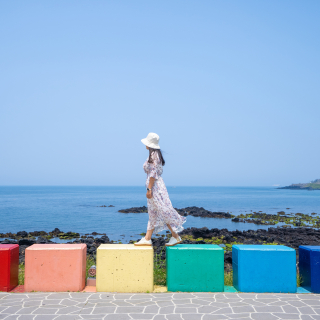
A coastal road lined with a long stretch of vividly colored rainbow seawalls, and one of Jeju’s 대표 photo spots. The striking colors contrast beautifully with the deep blue ocean, making it a great place to take a walk or enjoy a drive while experiencing Jeju’s seaside up close. On clear days in particular, many travelers visit to capture atmospheric photos with refreshing ocean views. Located near Jeju International Airport, it’s ideal as a starting or ending stop for your trip, and pairing it with a visit to nearby Dodubong makes for an even more rewarding outing.
플레이스 보기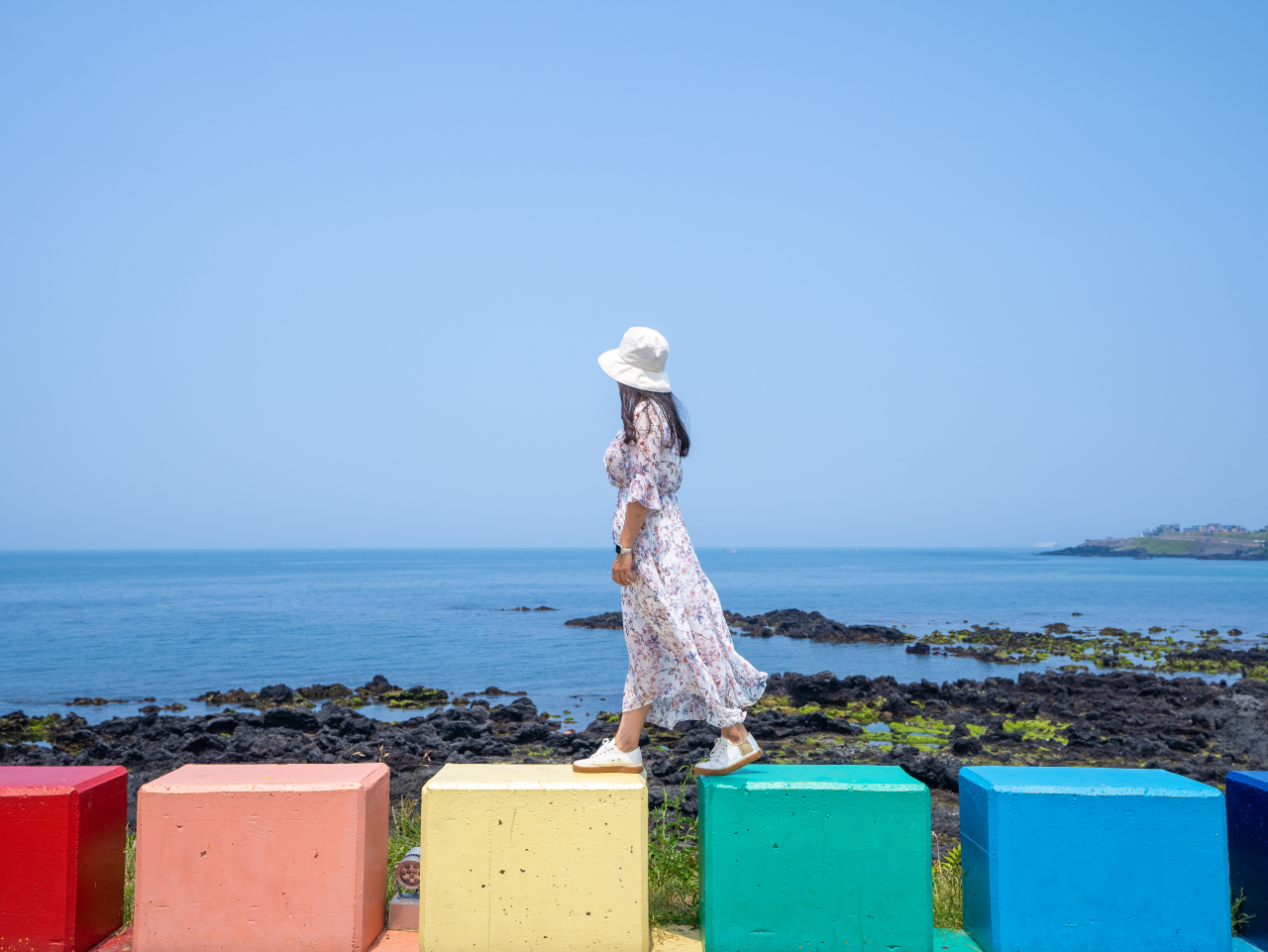
Dodubong is a very small oreum. It takes just 5 minutes to reach the top, so if you want to see a panoramic view of Jeju City, I recommend the climb.
At the summit, there’s a photo spot called the “Kisses Zone.”
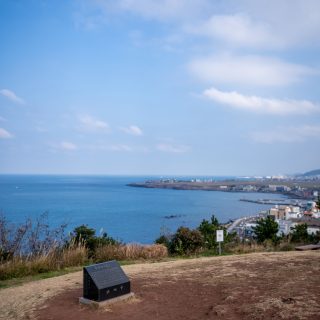
Dodubong is an oreum about 67 m high located along the coast of Dodu-dong, north of Jeju Airport. Thanks to its short and gentle trail, it’s an easy climb for just about anyone. From the summit, you can enjoy wide-open views of the Jeju sea, Dodu Port, and Iho Tewoo Beach, as well as the runway of Jeju International Airport and even Hallasan. It’s especially popular for watching planes take off and land up close—an only-in-Jeju scene—and the “Kisses Zone” near the top is a well-known photo spot. Included in Jeju Olle Trail Course 17, it’s a 대표 oreum in Jeju City that’s perfect for a light walk paired with great views.
플레이스 보기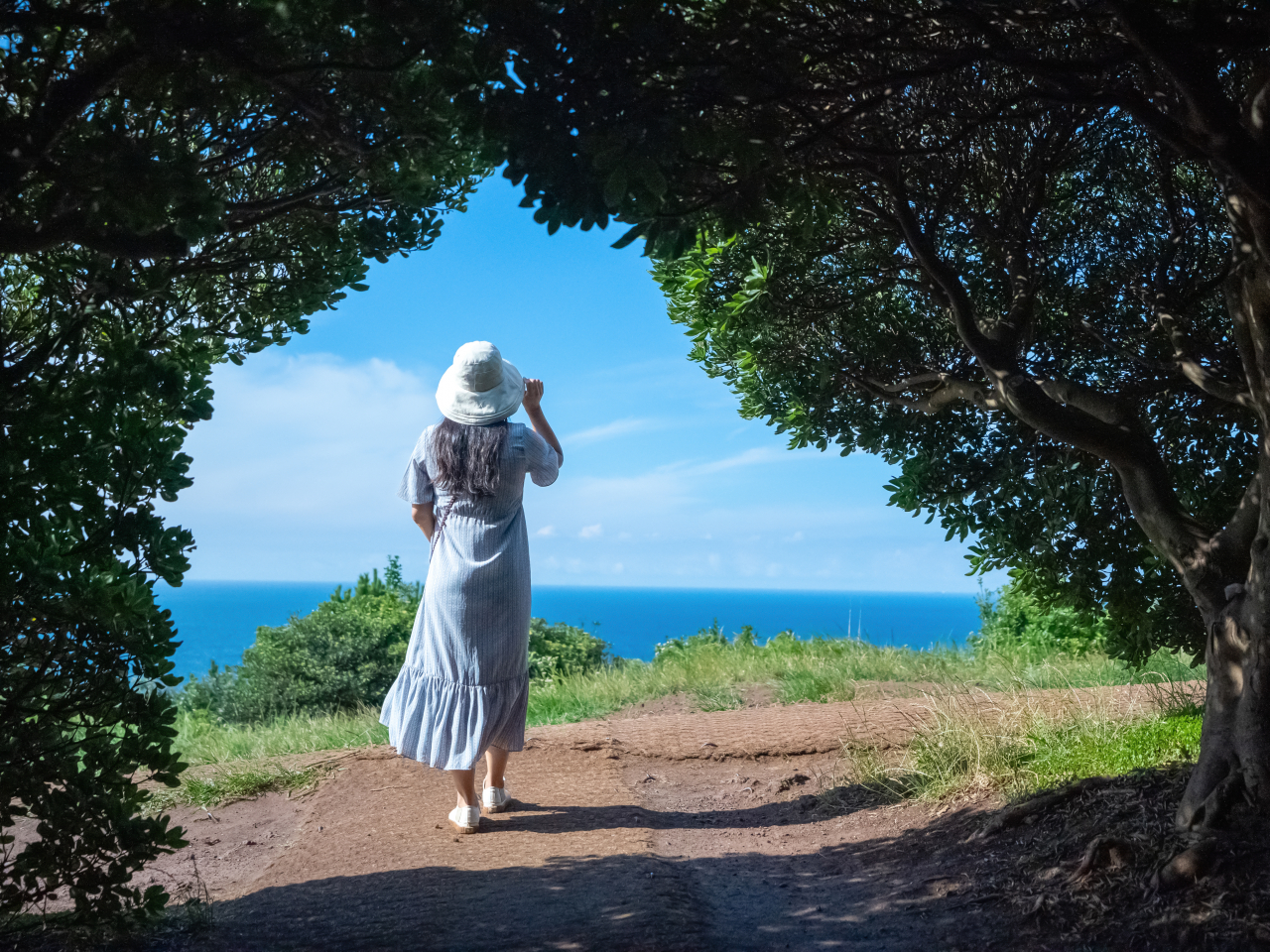
To catch the setting sun, we headed to today’s final stop: Iho Tewoo Beach.
In Jeju, each breakwater has lighthouses with their own distinctive features. The lighthouse at Iho Tewoo Beach is a unique, horse-shaped lighthouse loved by many people.
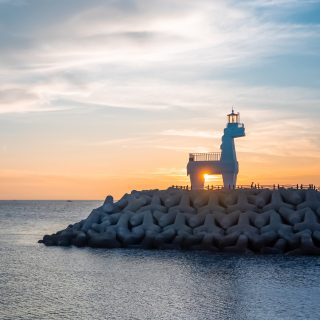
A landmark of Iho Tewoo Beach in Jeju, this popular attraction draws many visitors thanks to its unique design inspired by Jeju pony horses. Located close to downtown Jeju City and Jeju International Airport, it’s an ideal stop at the beginning or end of your trip. With the blue sea and sky as a backdrop, the red horse lighthouse and white horse lighthouse stand side by side, making it a famous photo zone that captures Jeju’s distinctive vibe. It’s especially beautiful at sunset, when the scenery becomes even more stunning in the glow of the evening sky. It’s also a great place to enjoy a leisurely beach walk. If you want to experience one of Jeju’s most iconic sights, it’s well worth a visit.
플레이스 보기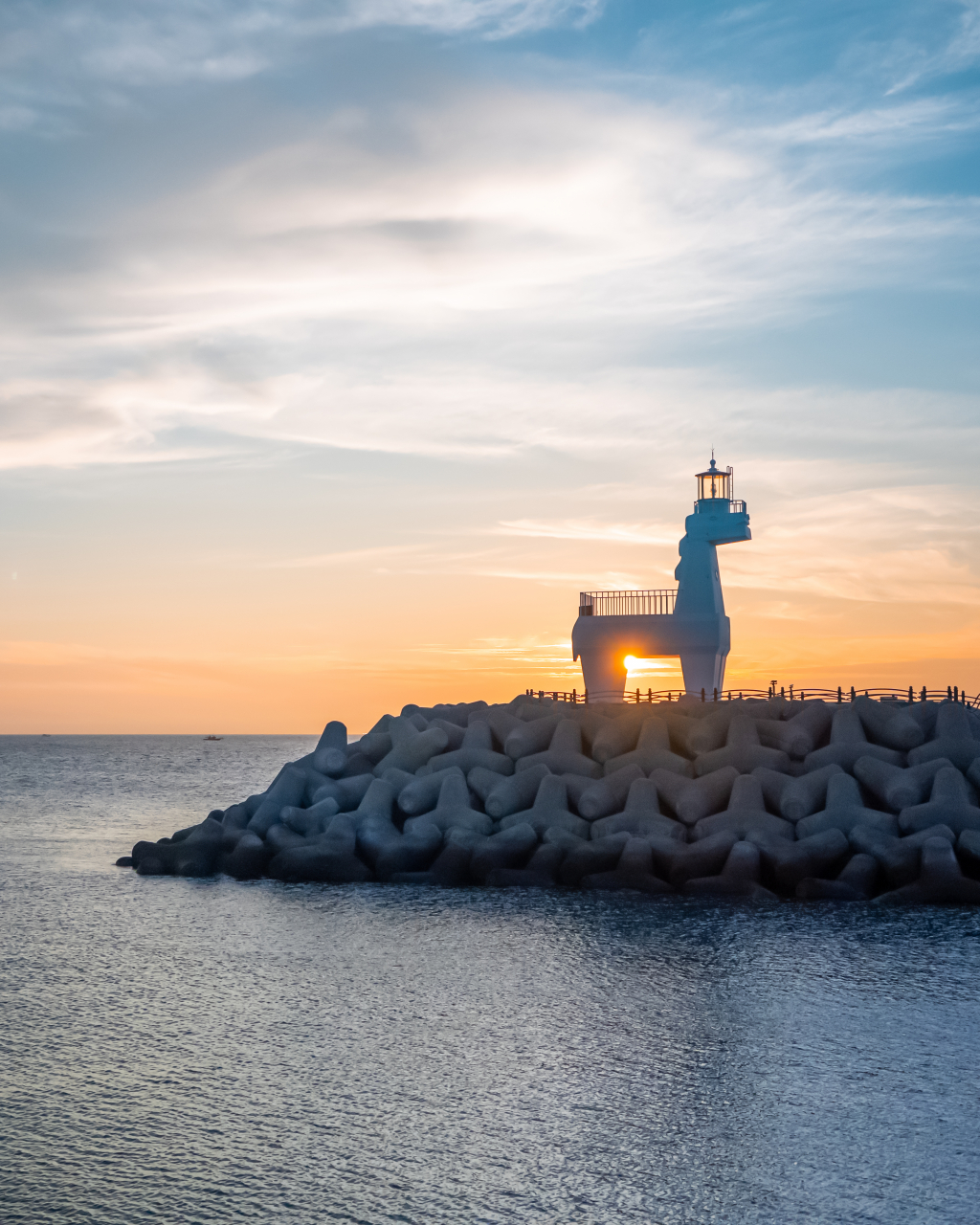
Sitting at Iho Tewoo Beach and watching the sunset, I reflect once more on everything I saw, heard, and felt throughout today’s trip—looking forward to tomorrow’s journey..

제주살이 10년 차, 일상 속 여행을 기록하는 크리에이터입니다. 바다와 바람, 낯선 골목에 스며든 제주를 좋아하고, 그 안에서 느꼈던 순간들을 글과 사진으로 전하고 있어요. 여행지보다는 여행의 온도를 담는 일을 합니다.

Comments
2조카랑 뚜벅이 여행 하려고 하는데 도움이 많이 되었어요
다른 자료도 많이 올려주세요~♡
24년5월 제주시관광지로 버스타고15일여행하는데 가고싶은장소
소개해주어 감사합니다
서귀포는23년10월 20일동안여행하고 제주시로 옮겨갑니다