Some days, you want a change of scenery without boarding a plane. Across Jeju are landscapes that naturally evoke different parts of Japan, from expansive fields and deep forests to crystal-clear seas, tea plantations, museums, and quiet villages.
Of course, this does not mean that the landscapes of Jeju and Japan are exactly alike. Rather than forcing comparisons, this map groups 10 destinations in Jeju according to the atmosphere they may unexpectedly bring to mind during a trip. Choose a theme that suits your taste and connect the locations into a day trip.
Themes at a Glance
Fields like Hokkaido · Forests reminiscent of Kyoto · Clear seas like Okinawa · Tea plantations of Uji · Museums that evoke Naoshima · Village spaces with the atmosphere of a small Japanese town
Jeju Landscapes Reminiscent of Hokkaido’s Expansive Fields
1. Wahul Buckwheat Village
When white buckwheat blossoms fill the fields, the scenery of Wahul Buckwheat Village looks more like a sprawling farm in a northern region than Jeju. Flower fields stretch beyond low stone walls, and with no tall buildings blocking the view, the sky becomes part of the scene.
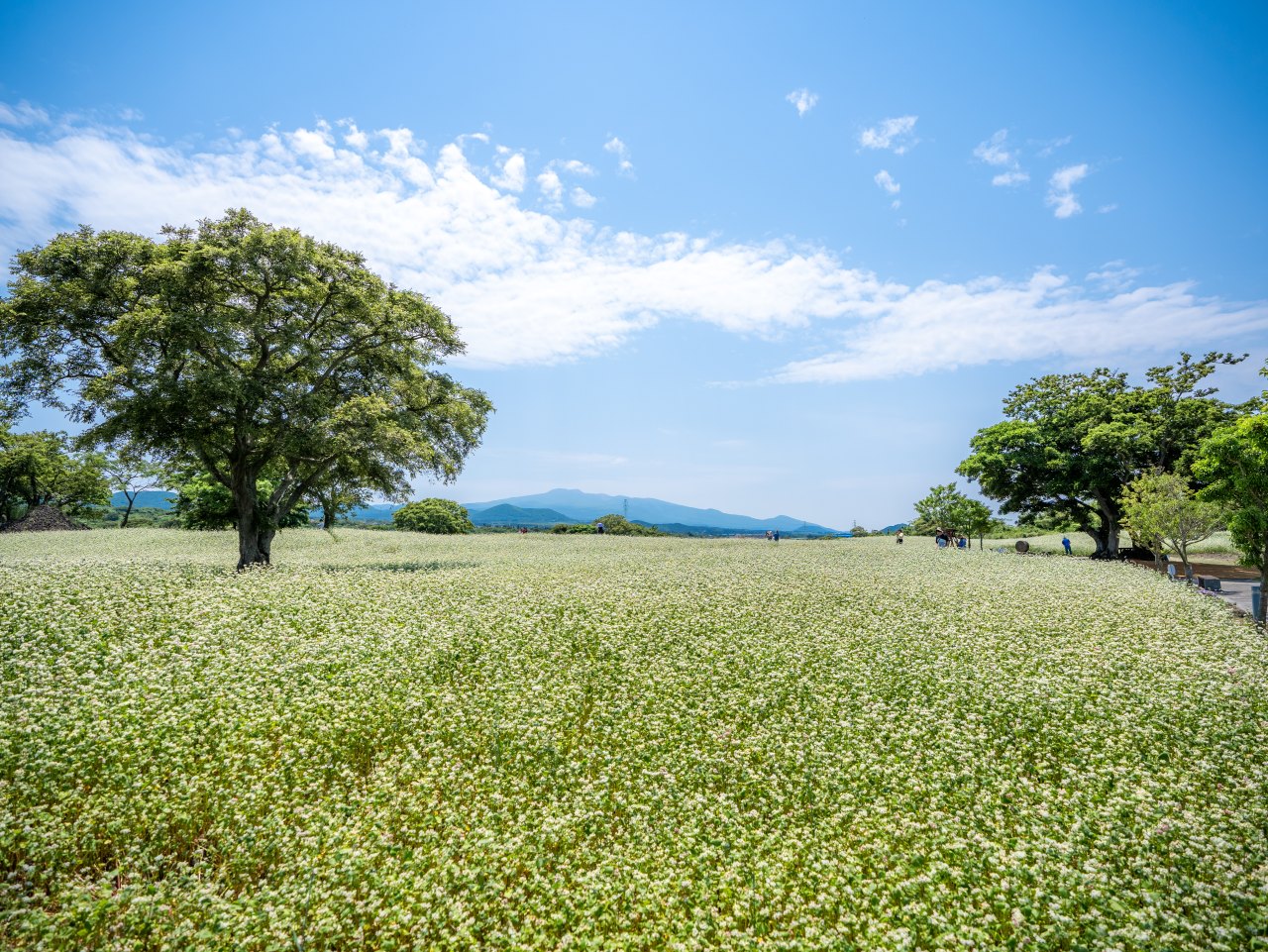
The scenery changes significantly depending on the buckwheat blooming season. Check the flowering conditions before visiting, and come in the morning or late afternoon when the sunlight is soft to capture both the flowers and people in gentle tones.
2. Mabang Ranch
Encountered while driving through the mid-mountain area of Hallasan Mountain, Mabang Ranch evokes the pastoral landscapes of Hokkaido. Horses graze leisurely across the grassland beside a long road, while the changing colors of the grass in each season tempt travelers to pull over for a while.
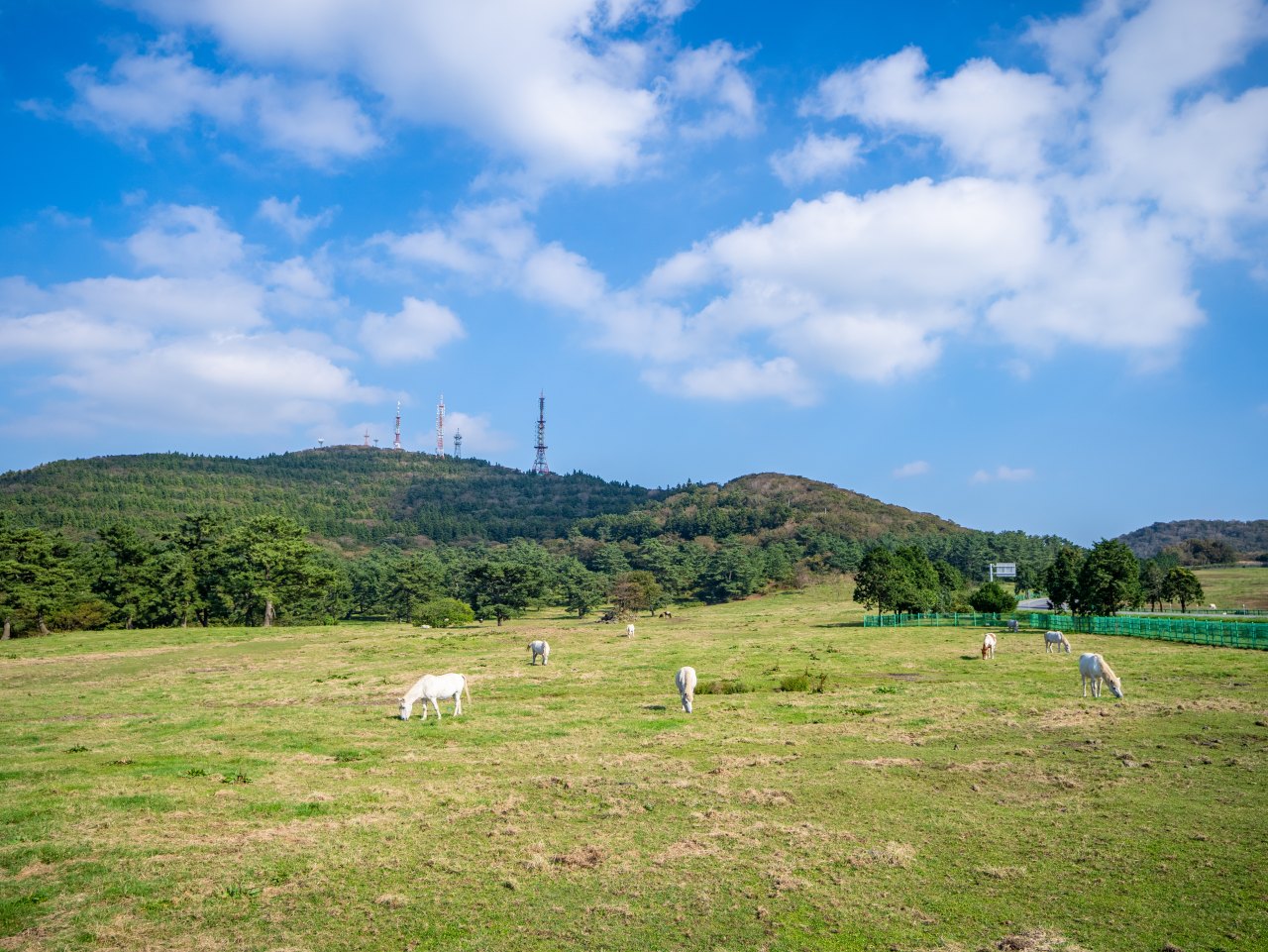
This is more of a roadside viewpoint than a hands-on ranch attraction. Use designated viewing and parking areas, and avoid approaching or feeding the horses.
A Deep Forest Like Kyoto’s Arashiyama
3. Iseung-i Oreum Cedar Forest Trail
As you enter the path between tall, straight cedars, the surrounding sounds grow noticeably quieter. Although the tree species differ from a bamboo grove, the vertical scenery created by the dense, towering trees recalls the calm atmosphere of walking through Kyoto’s Arashiyama.
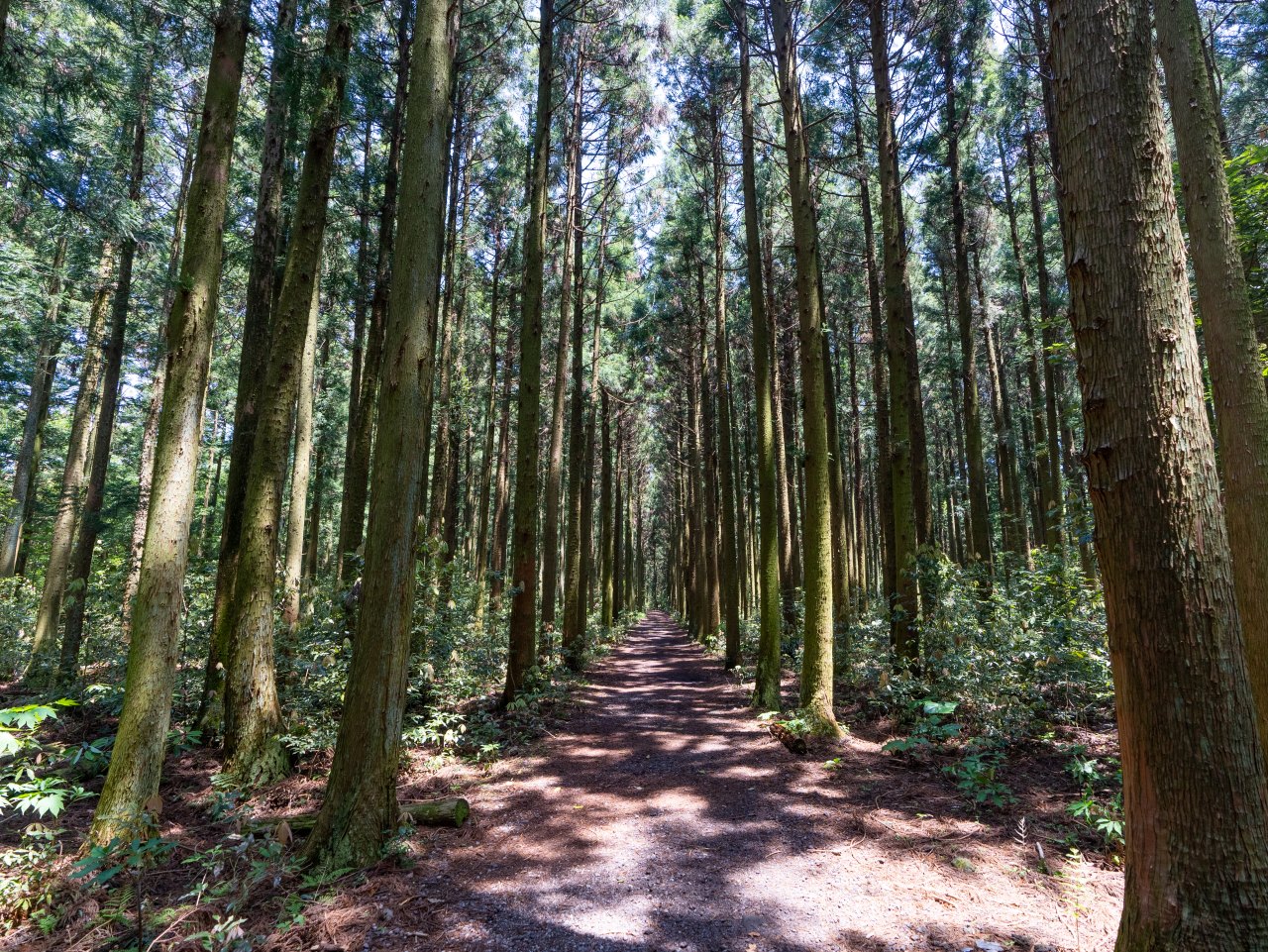
After rain, the forest takes on deeper colors and becomes even more atmospheric, but the path may be slippery. Wear comfortable shoes with good traction and walk while there is still plenty of daylight.
Crystal-Clear Seas That Evoke Okinawa
4. Gimnyeong Segial Beach
Located just beyond Gimnyeong Beach, Segial Beach is small but ideal for seeing the water’s color up close. The striking contrast between black basalt, pale sand, and the turquoise shallows leaves an impression similar to a village beach in Okinawa.
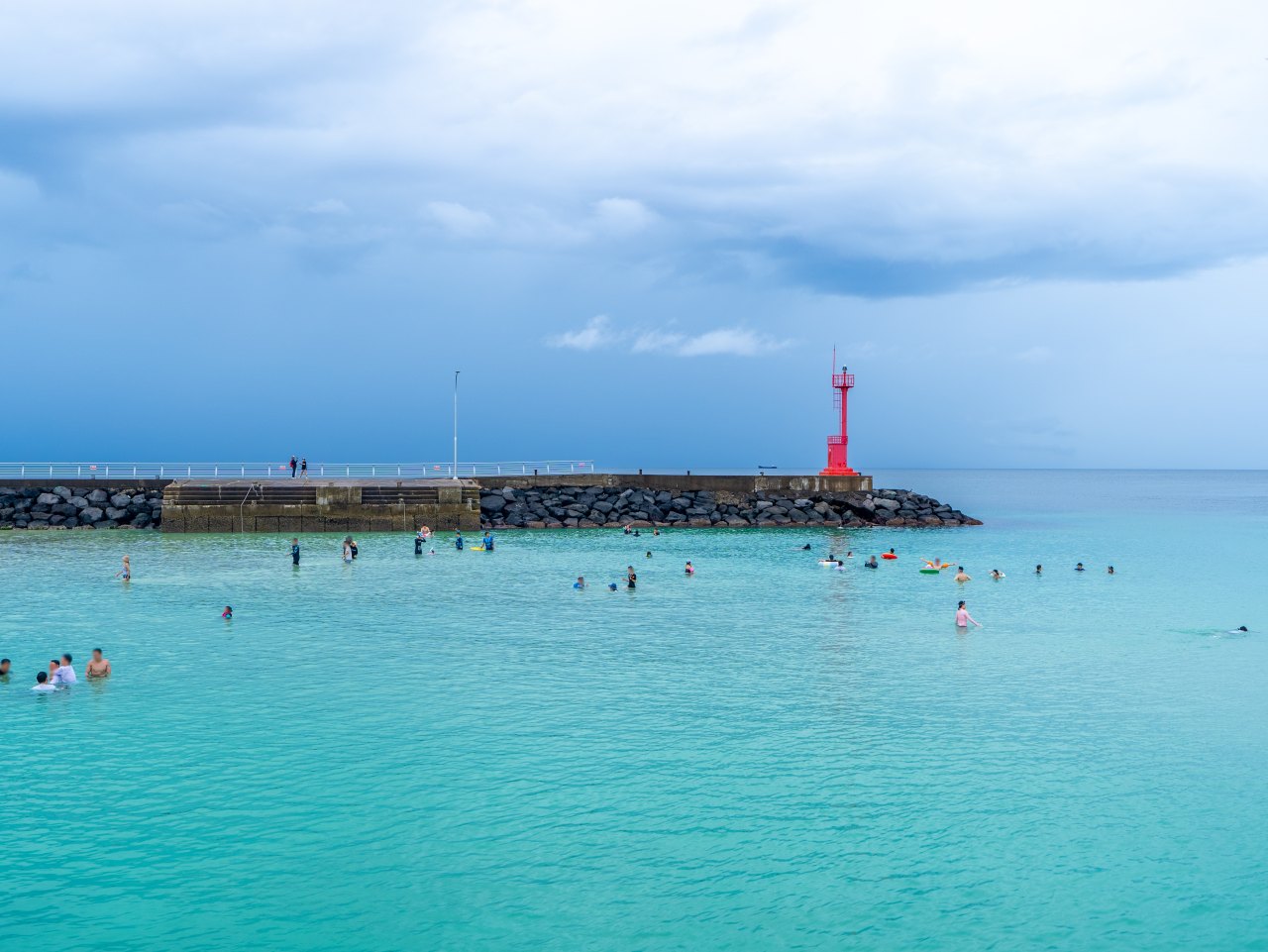
The beach’s atmosphere changes greatly with the wind and tides. If you plan to swim, check the waves and tide times first. For photography, the clearest colors can be expected around noon on a sunny day.
5. Udo Sanho Beach
Sanho Beach on the western side of Udo Island is known for the strong contrast between Jeju’s deep-blue sea and its bright shoreline. When you disembark and encounter this water while traveling along the island road, the pace of your journey naturally slows as if you have arrived on a small Okinawan island.
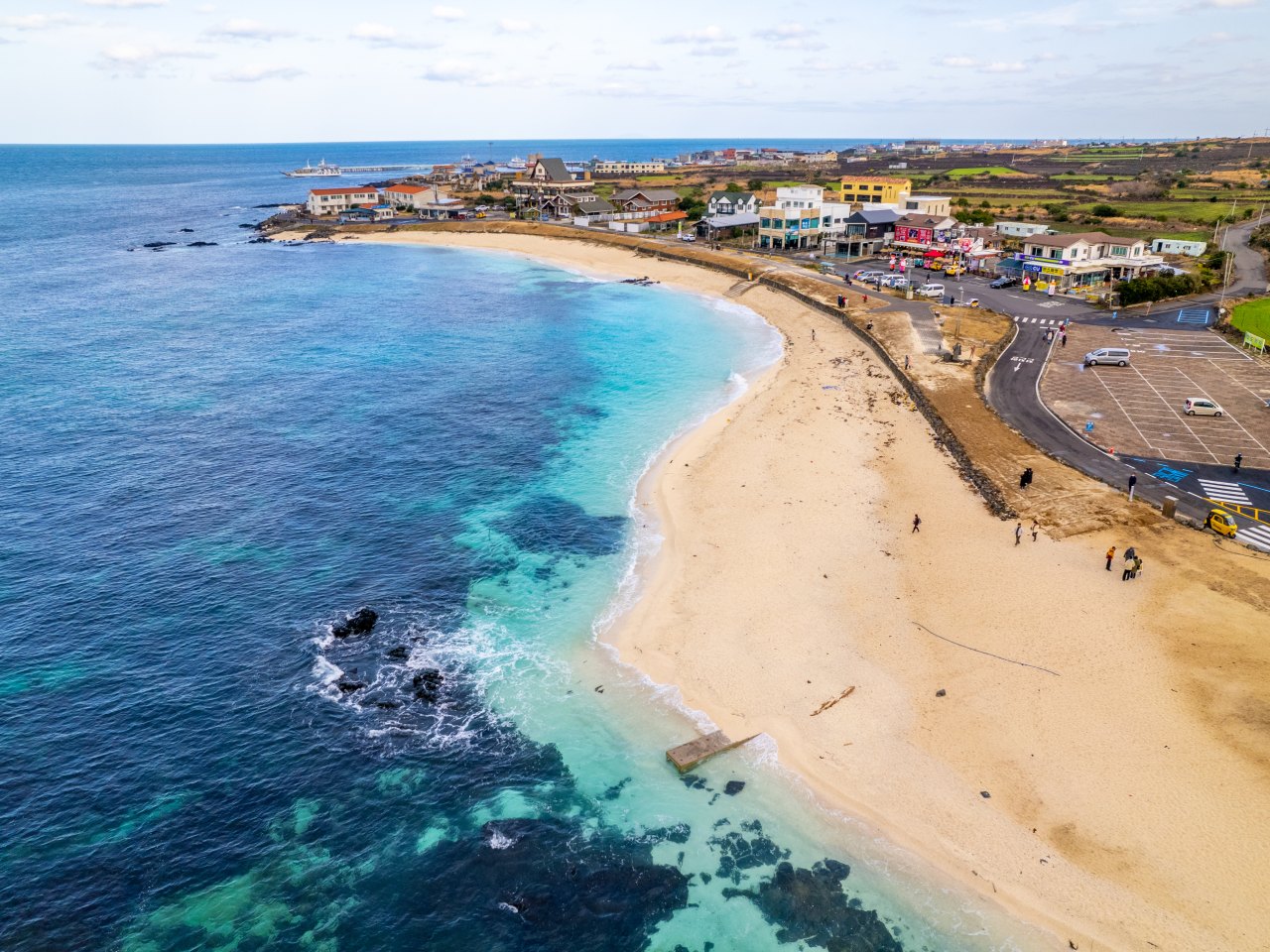
Ferry operations to Udo are heavily affected by the weather. Check the departure schedule from Seongsan Port and the time of the last ferry in advance, and allow plenty of travel time during peak season.
Green Scenery Like Uji’s Tea Plantations
6. Osulloc
The neatly aligned green tea fields and low walking paths evoke Uji, Japan, which is renowned for its tea. From late spring through summer, when the green patterns become especially vivid, you can take travel photos with colors unlike anywhere else in Jeju.
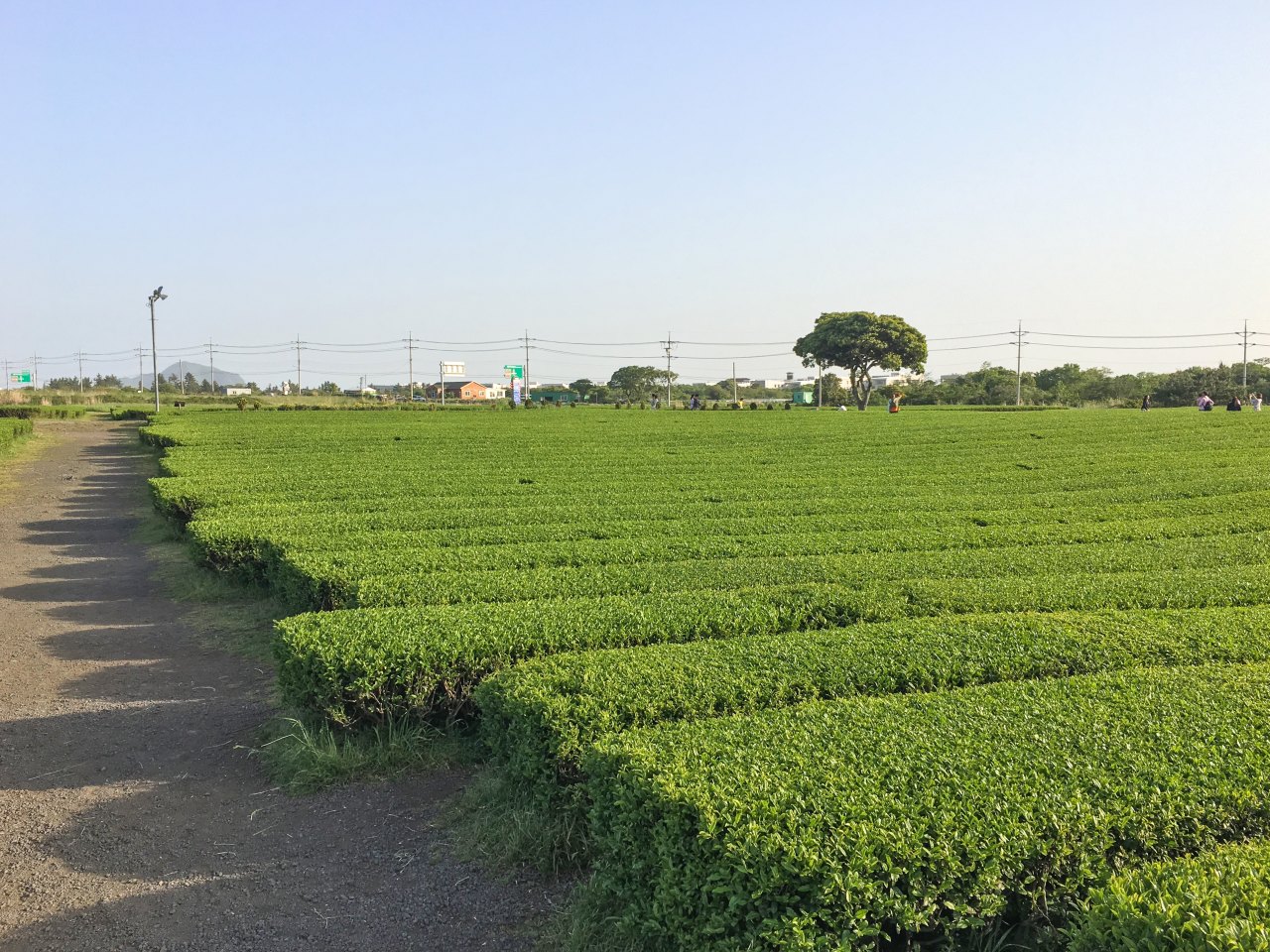
With indoor spaces and surrounding gardens to explore, it is easy to add to your itinerary even on rainy or windy days. During busy hours, you can enjoy a more relaxed visit by walking through the tea fields first and then moving indoors.
A Journey Through Architecture and Art, Like Naoshima
7. ITAMI JUN MUSEUM
Named after Jeju-born architect Itami Jun, the museum invites visitors to slowly appreciate its architecture and surrounding landscape as much as its exhibitions. The textures of its materials, the light, and Jeju’s nature beyond the windows merge into a single scene, drawing attention to the space itself, much like a trip to the art island of Naoshima.
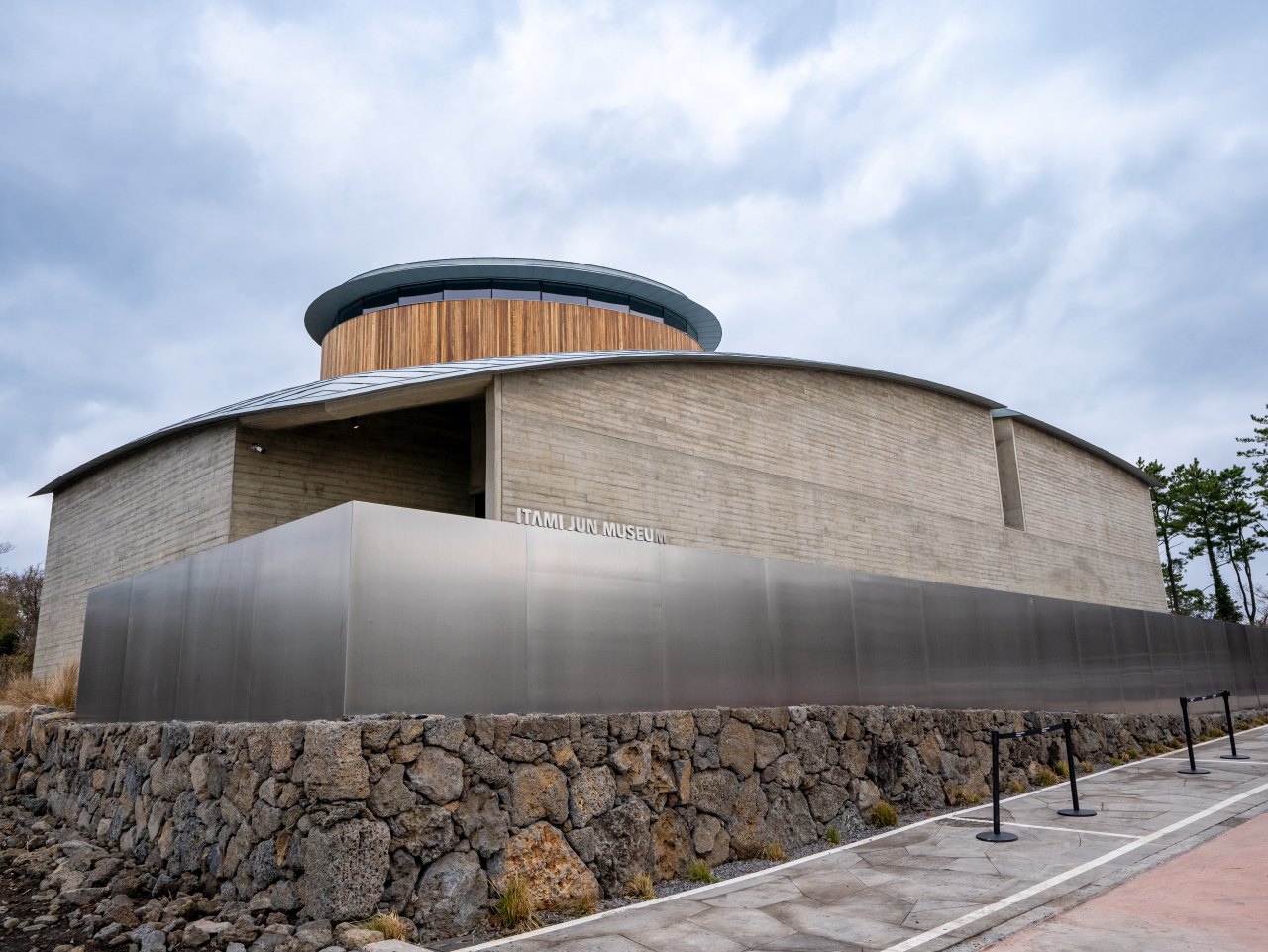
Exhibition schedules and viewing arrangements may vary by season. Check whether reservations are required and confirm closing days. Pairing it with other museums in Jeoji Artists’ Village also makes for an efficient itinerary.
8. PODO MUSEUM
PODO MUSEUM is notable for its thoughtfully curated exhibitions that explore a single theme in depth and its calm spatial design. If you prefer slowly following artworks and their messages over taking flashy social media photos, this is one of the most rewarding places to spend time in Jeju.
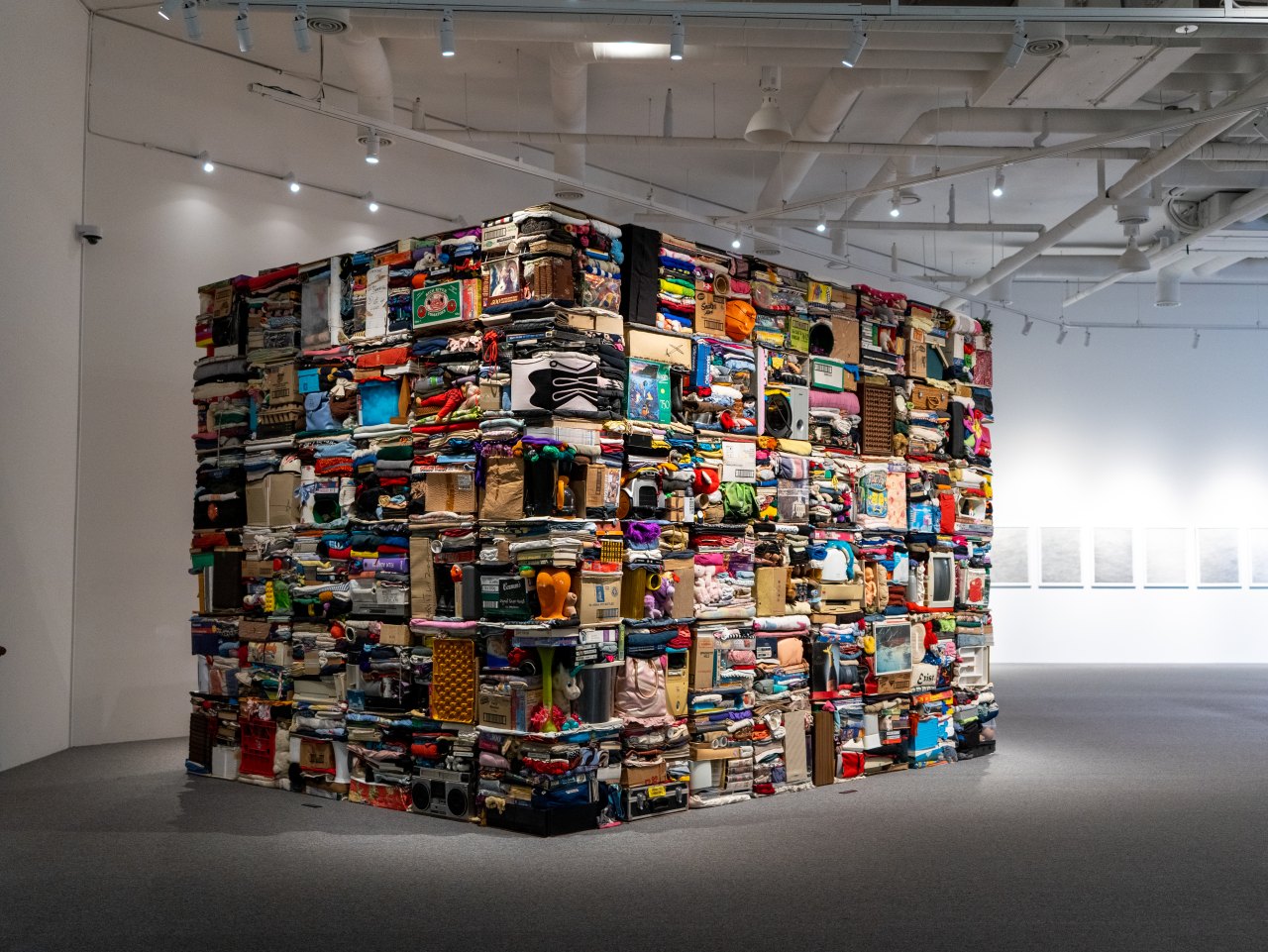
Operating schedules may change while exhibitions are being replaced, so check the official information before visiting. As it is in the same western area as ITAMI JUN MUSEUM, the two can easily be combined into a museum-focused half-day itinerary.
Jeju Villages for Lingering at a Slower Pace, Like Small Japanese Towns
9. Secret Station
Secret Station is not served by actual trains, but its railway- and station-themed setting creates the feeling of visiting a small rural stop. The tranquil surroundings make even a brief visit feel like a distinct change of scene.
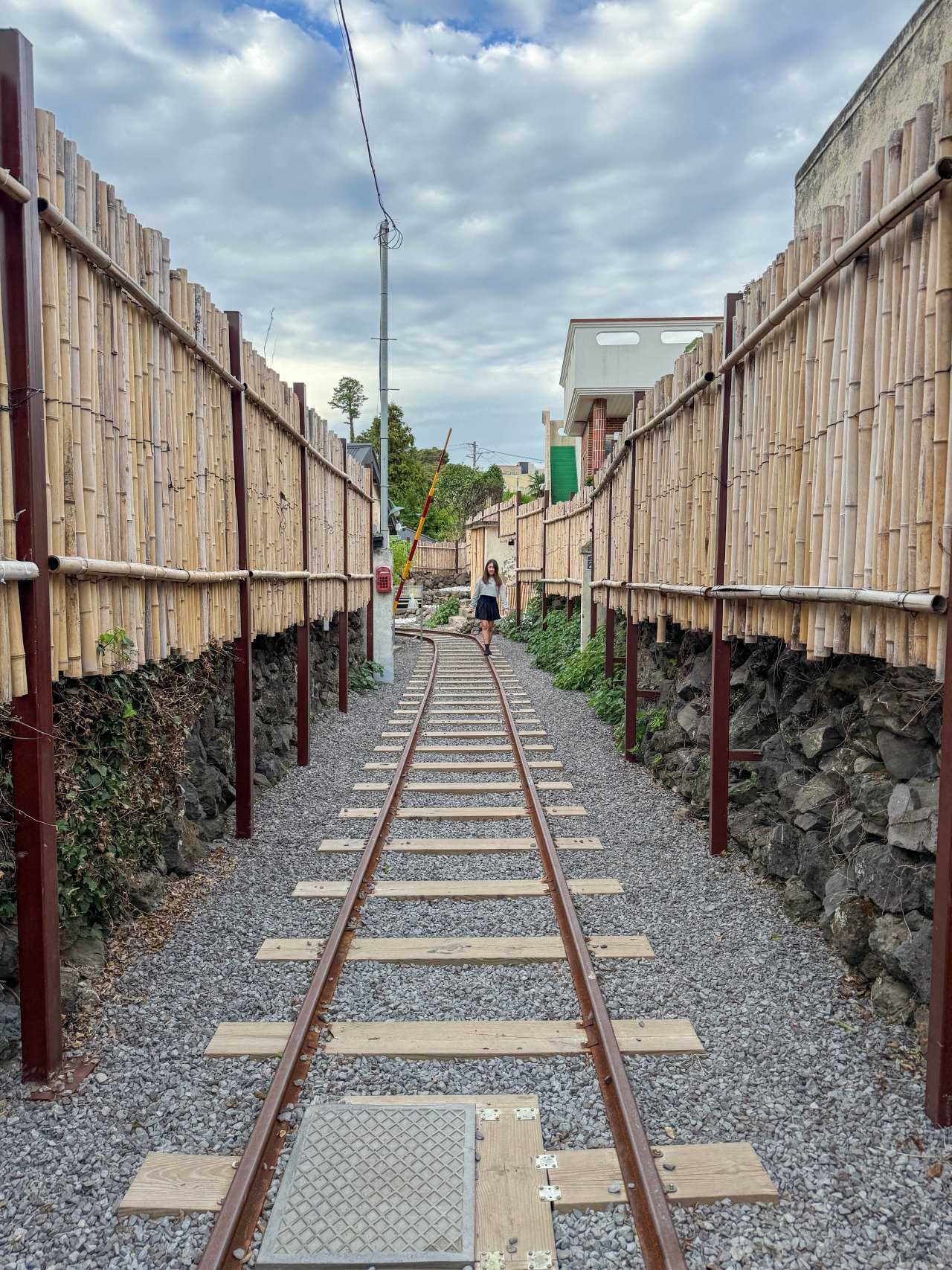
It can easily be mistaken for a railway facility, but it is closer to a themed space for visitors. Check its operating status and which areas are available before visiting.
10. Dongmyeong Bus Stop
Located in a quiet village in Dongmyeong-ri, Hallim-eup, Dongmyeong Bus Stop brings together low buildings, basalt stone walls, and a bus stop sign with an orange chair in one picturesque scene. Rather than the glamour of a tourist attraction, its appeal lies in the unpretentious, leisurely atmosphere of a tiny teahouse discovered by chance in an alley of a small Japanese town.
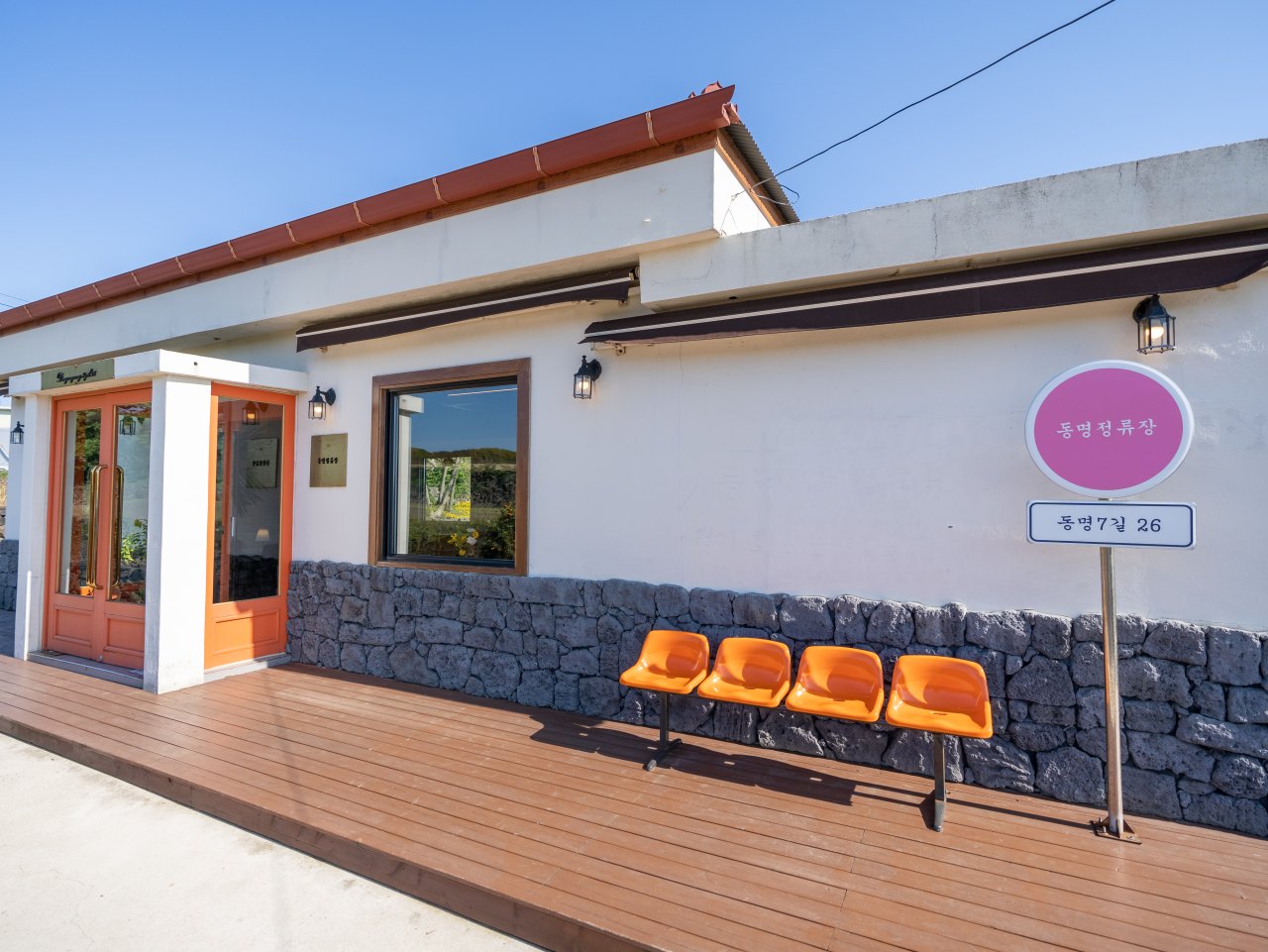
It is a pleasant place to rest while looking out at fields and stone walls through the windows, making it well suited for slowing down during a trip to Hyeopjae and Geumneung. Closing days and business hours may change, so check the official channel on the day of your visit.
Suggested Routes by Area
Eastern area Wahul Buckwheat Village → Gimnyeong Segial Beach
Southeastern area Iseung-i Oreum Cedar Forest Trail
Western area Osulloc → ITAMI JUN MUSEUM → PODO MUSEUM → Dongmyeong Bus Stop
Udo area Sanho Beach and a tour of Udo Island
Mid-mountain area Mabang Ranch
Themed space Add Secret Station as a separate stop depending on the location of your accommodation
These destinations are not intended as a single day itinerary covering every location, but as a travel map for choosing according to your preferred area and interests. Select two or three favorites from the fields, forests, beaches, tea plantations, and museums, then group nearby locations together. This way, you can experience a variety of atmospheres in one trip without feeling rushed between stops.

제주살이 10년 차, 일상 속 여행을 기록하는 크리에이터입니다. 바다와 바람, 낯선 골목에 스며든 제주를 좋아하고, 그 안에서 느꼈던 순간들을 글과 사진으로 전하고 있어요. 여행지보다는 여행의 온도를 담는 일을 합니다.

Comments
0No comments yet.