These days, as you travel around different parts of Jeju, you’ll often run into travelers out trekking—warm sunshine and a gently blowing breeze make it feel like the perfect season.
Jeju Island is truly optimized for trekking. The 26 Olle Trails and the Hallasan Dulle-gil (circumferential trail) prove it. Along with the Olle Trails, another great place for trekking is the oreum. Jeju has more than 300 oreums, and among them, here are the ones with especially beautiful views from the summit.
Dangsanbong
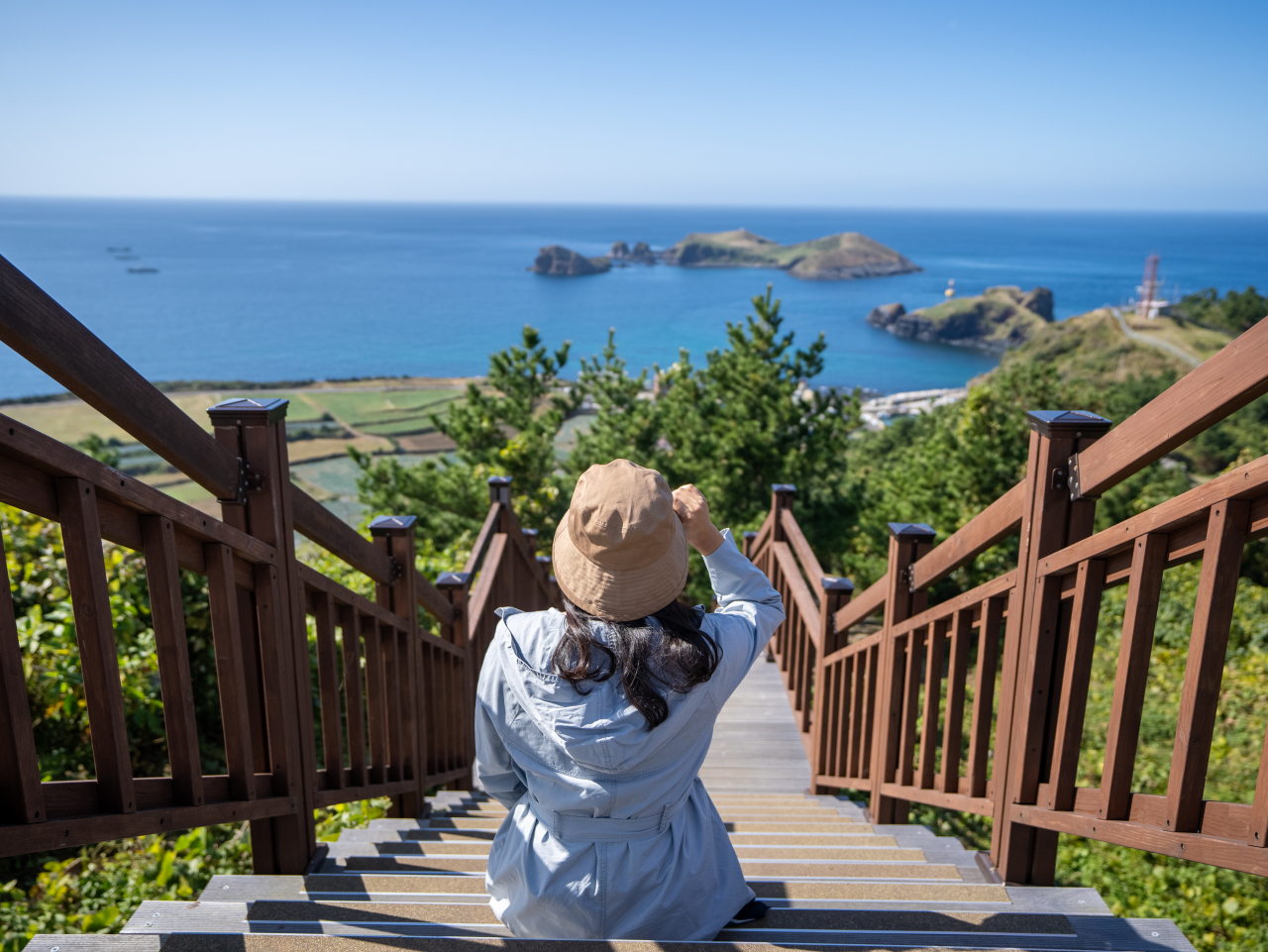
Dangsanbong, located in Gosan-ri, Hangyeong-myeon, is also called Chagwi Oreum. Chagwido as seen from Dangsanbong is breathtakingly beautiful. The panoramic view stretching from Susanbong to the Sinchang Coastal Road is like a painting no artist could fully capture. Because Dangsanbong sits along the coast and isn’t a very high oreum, the scenery feels distinctly different from what you see on other oreums. Was it just my imagination that Chagwido looked close enough to touch?
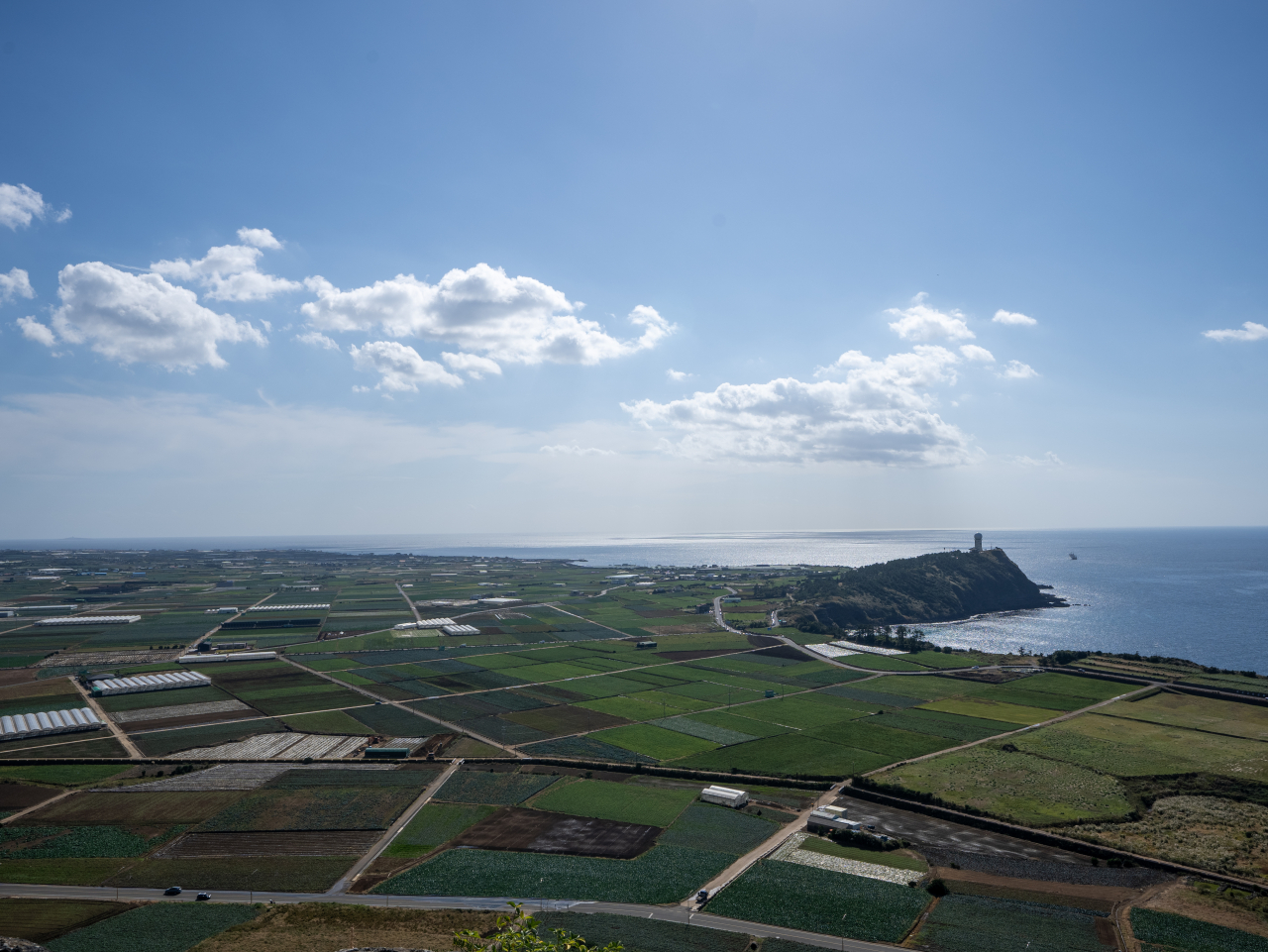
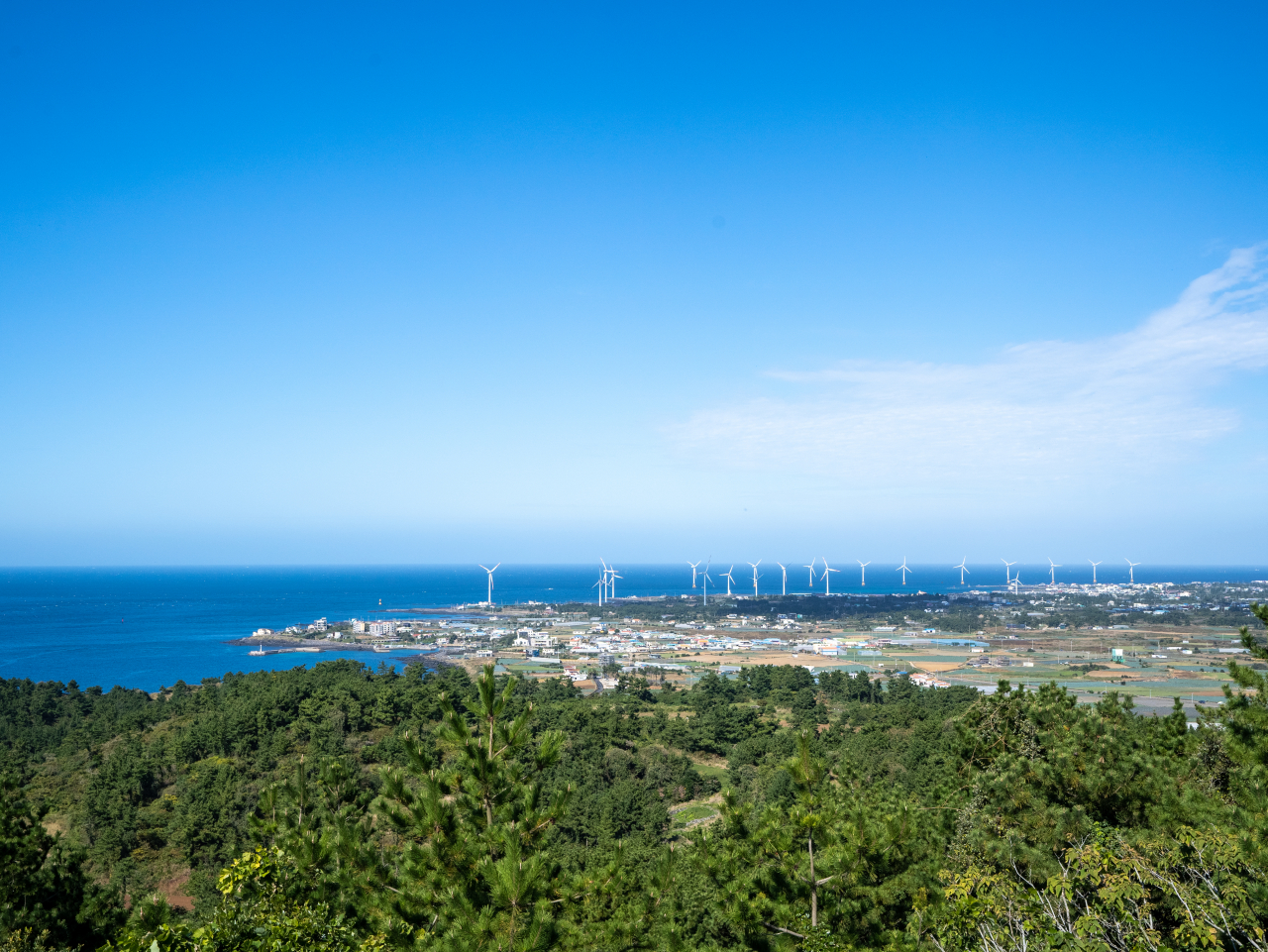
Below Dangsanbong, there used to be a shrine that worshiped a snake as a deity; the snake god’s name was said to be Sagwi. As the name spread by word of mouth, it became “Chagwi,” and it has been passed down to us today as Chagwi Oreum—or as Dang Oreum, meaning an oreum with a shrine.
Dangsanbong takes about 30–40 minutes round trip, with a medium difficulty level. If you want to look out over the blue sea and the small island of Chagwido right in front of you, Dangsanbong is highly recommended.
Gunsan Oreum
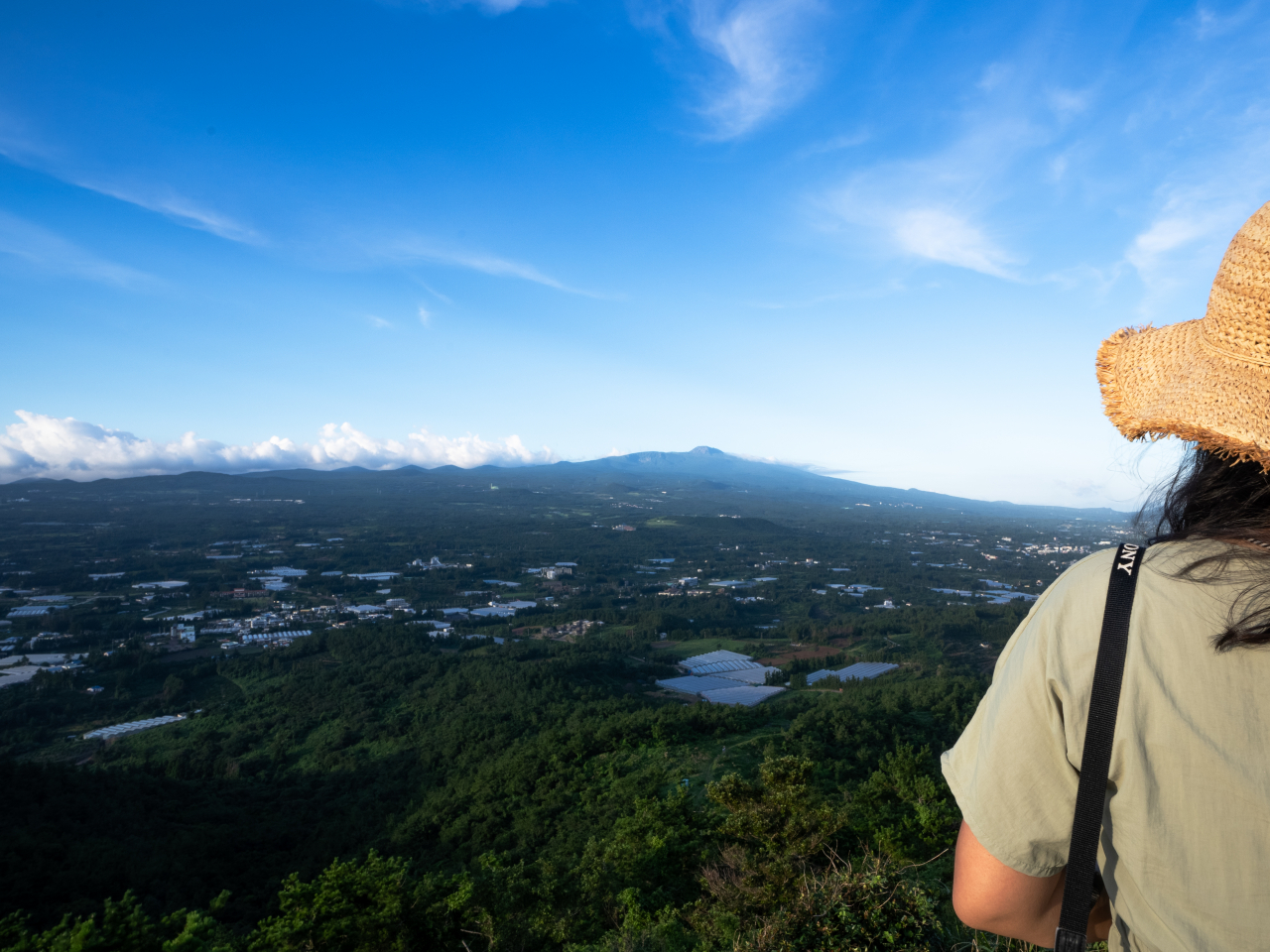
Gunsan Oreum in Andeok-myeon is an oreum you can drive up to near the top. Park near the summit area, and after just a 5-minute walk uphill, an incredible 360-degree view opens up.
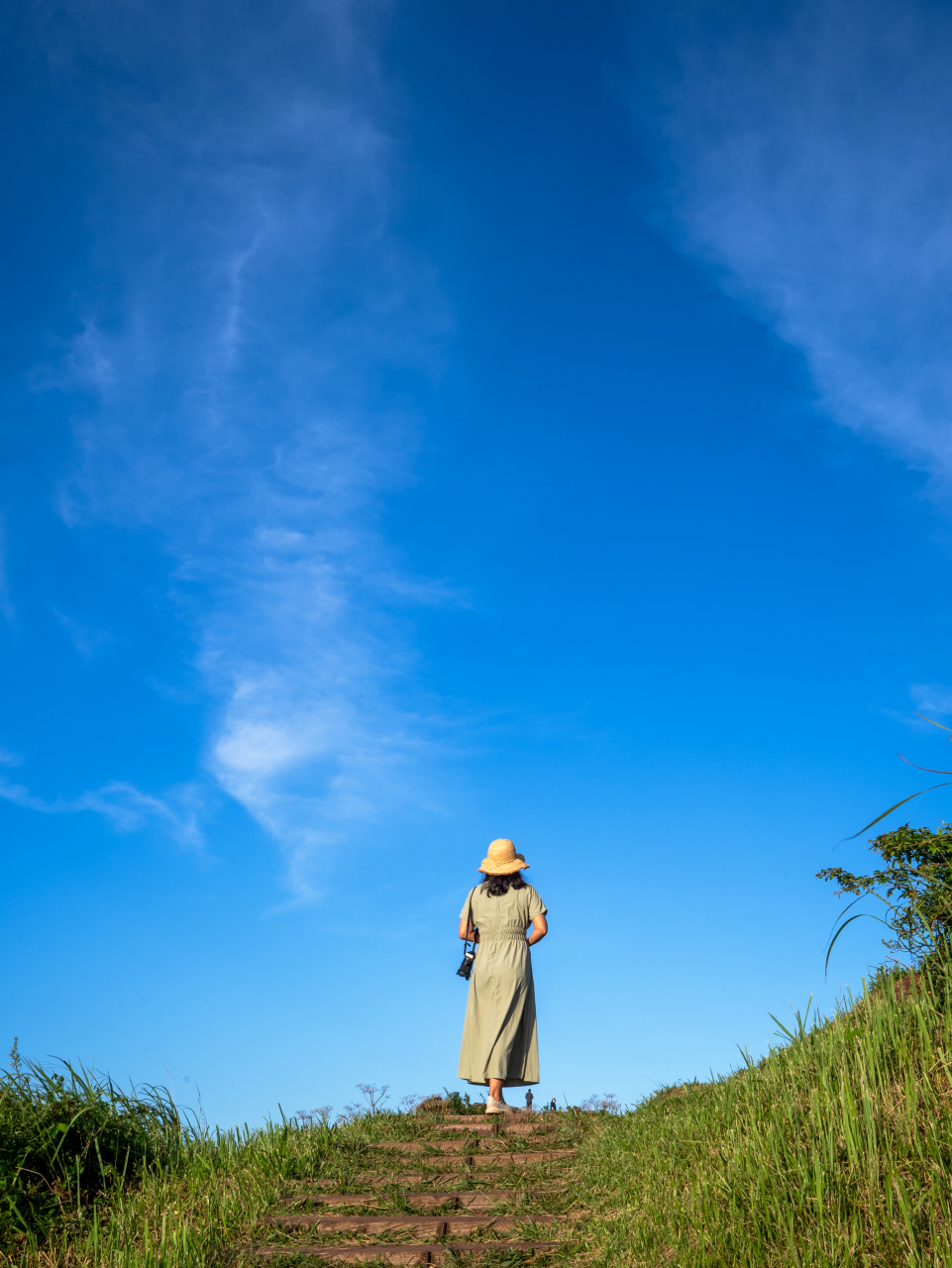
To the north of Gunsan Oreum, Hallasan rises high, while to the south you can take in an open, unobstructed view spanning the Seogwipo coastline all the way to Marado, Gapado, and Sanbangsan.
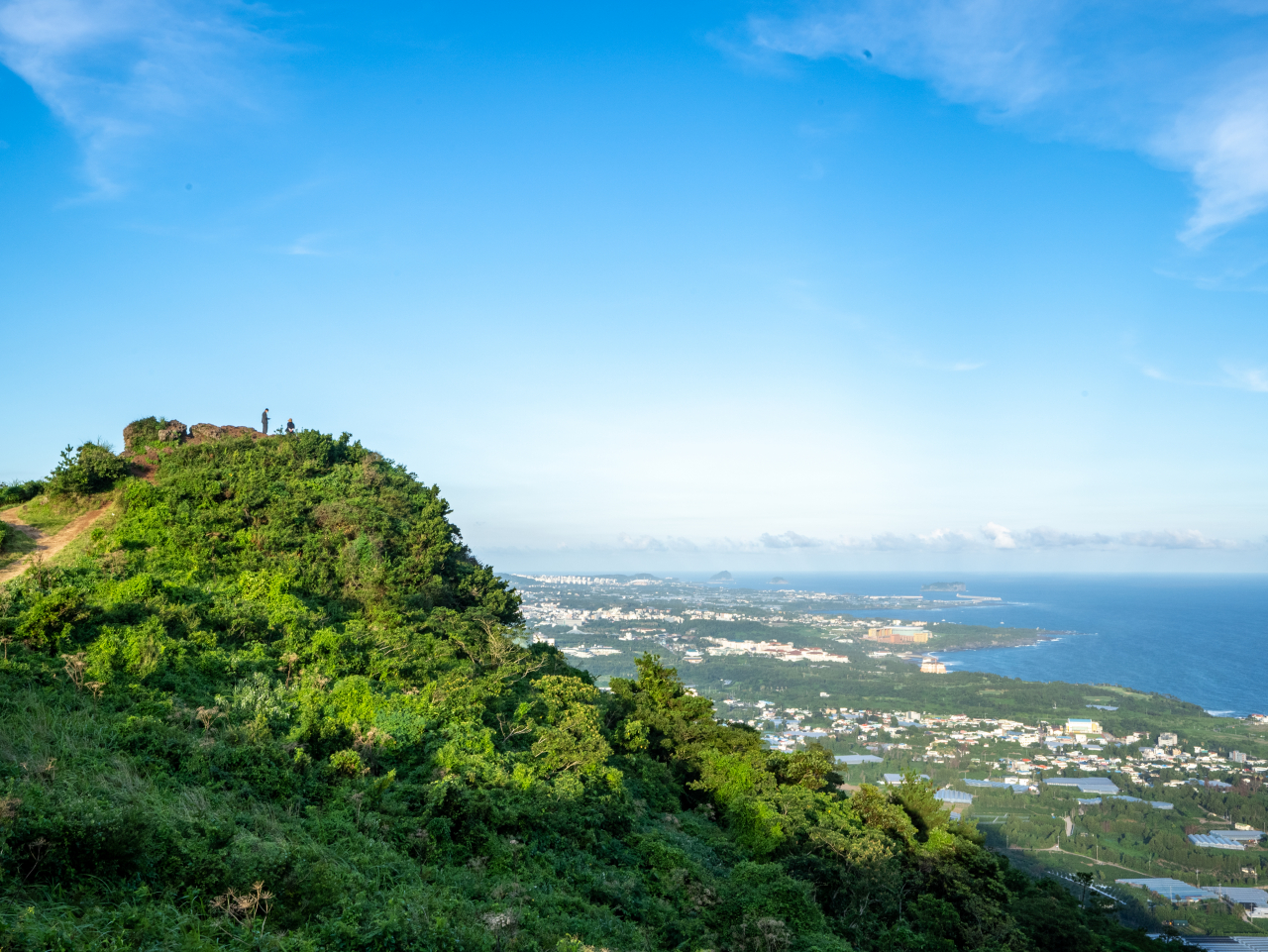
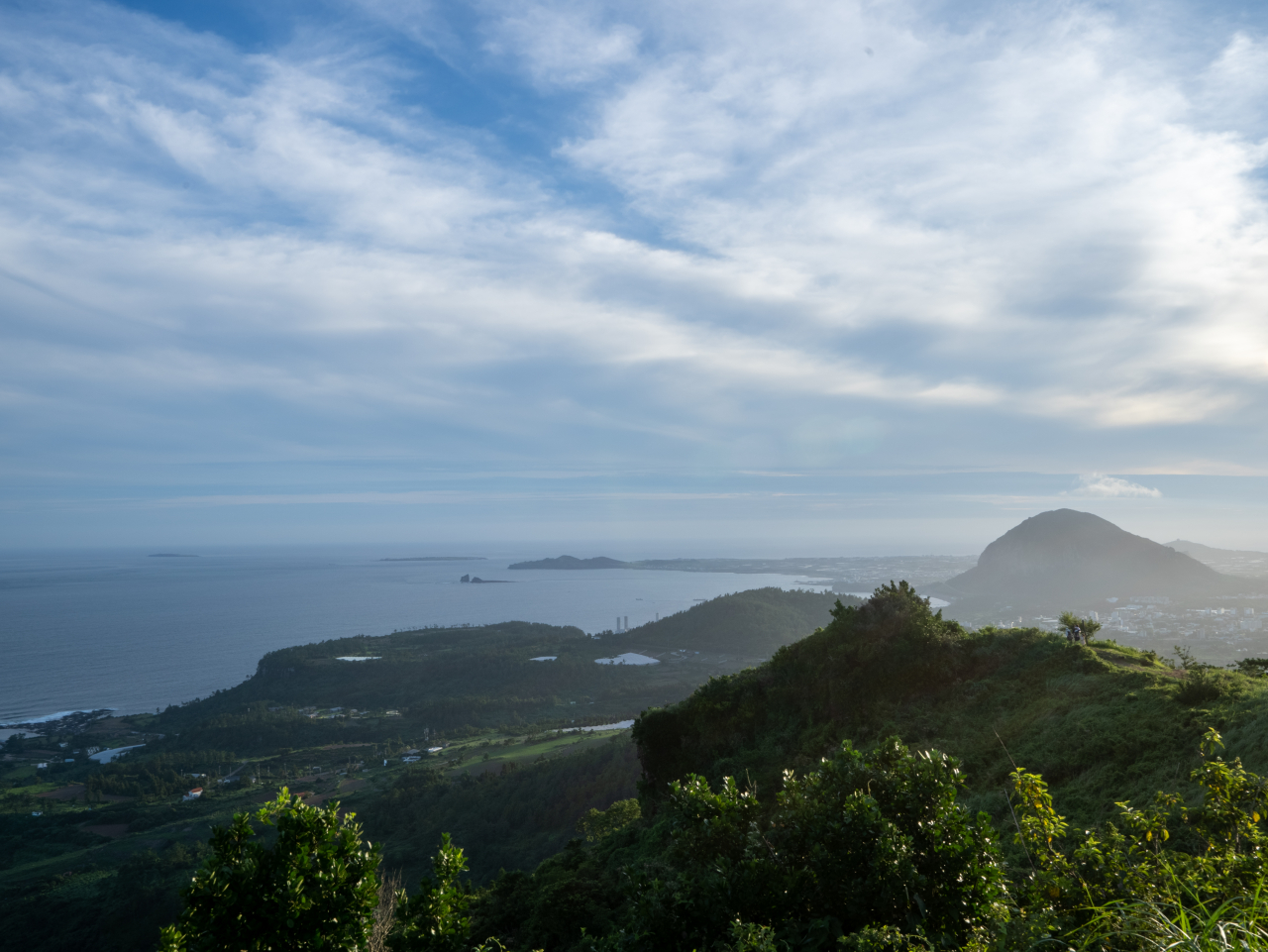
Because it’s easy to reach the summit, Gunsan Oreum is popular with many travelers. However, if you’re not confident driving, the narrow road can put you in an awkward situation when cars come from the opposite direction.
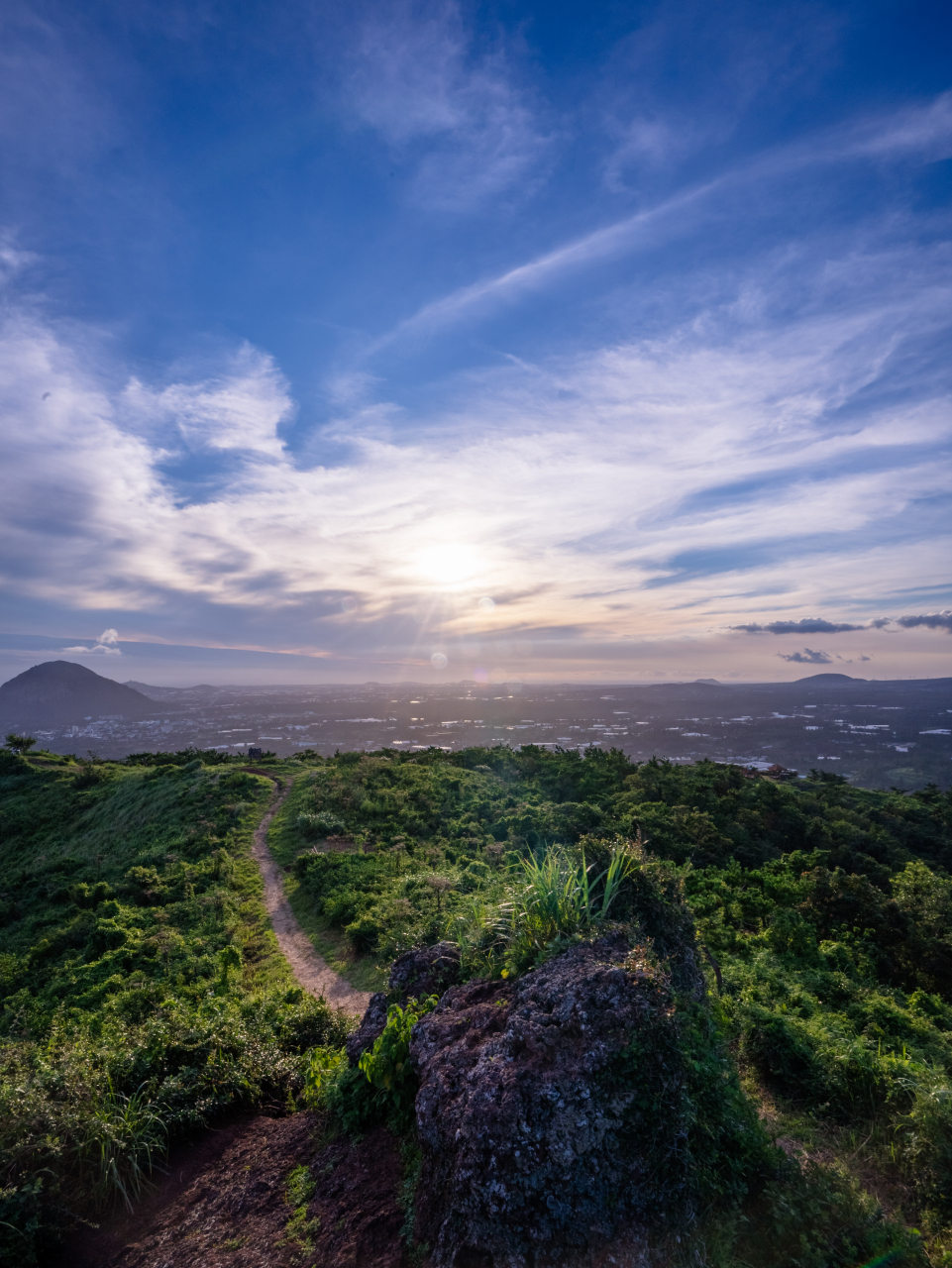
The sunset here is outstanding, so around dusk, the number of people heading up Gunsan Oreum reaches its peak.
Mundoji Oreum
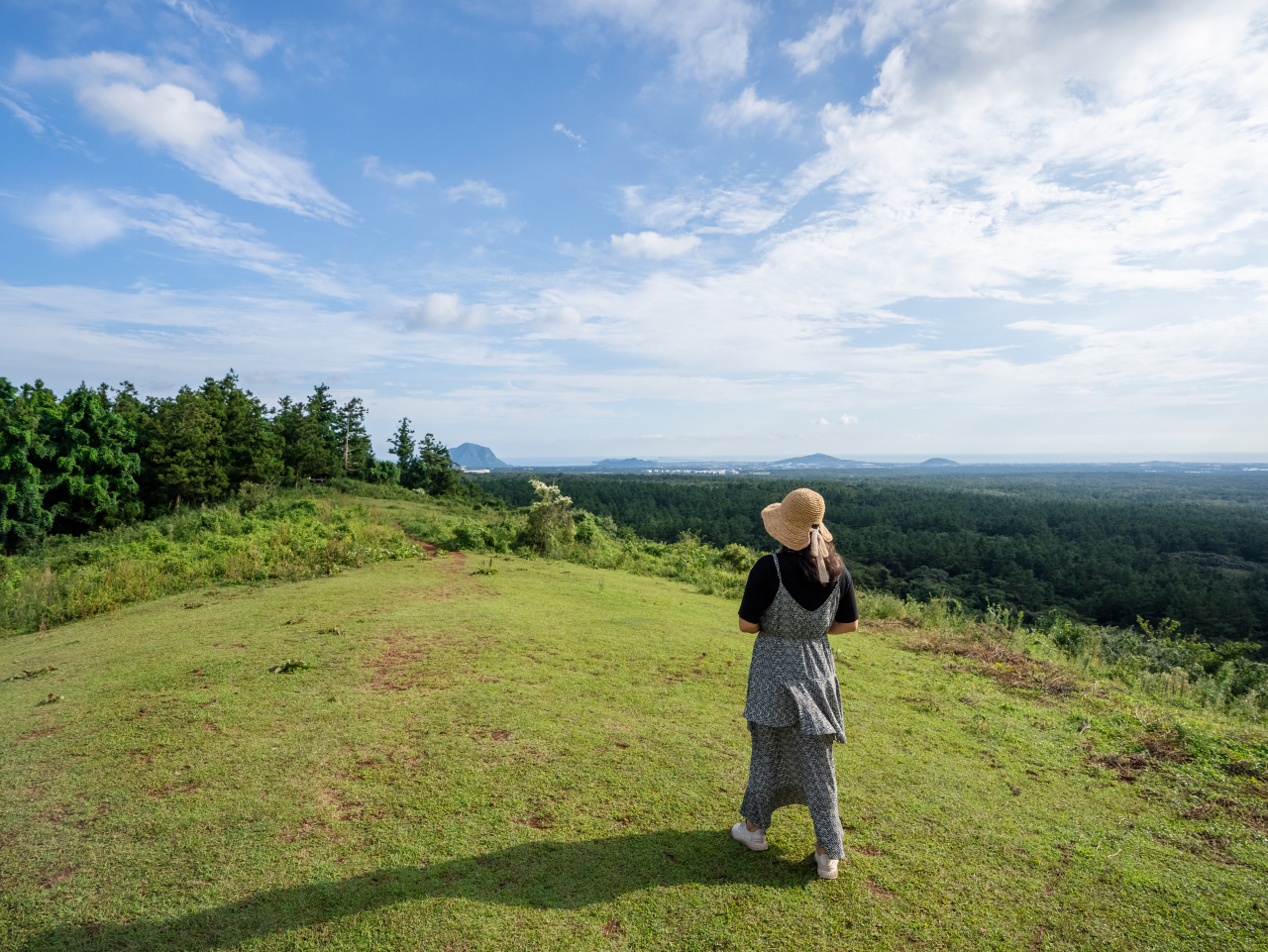
Mundoji Oreum is a small oreum tucked inside the Gotjawal forest, so it may feel unfamiliar to many people. Still, its beauty has long been recognized—photographers who fell in love with its scenery have used it for wedding shoots for years.
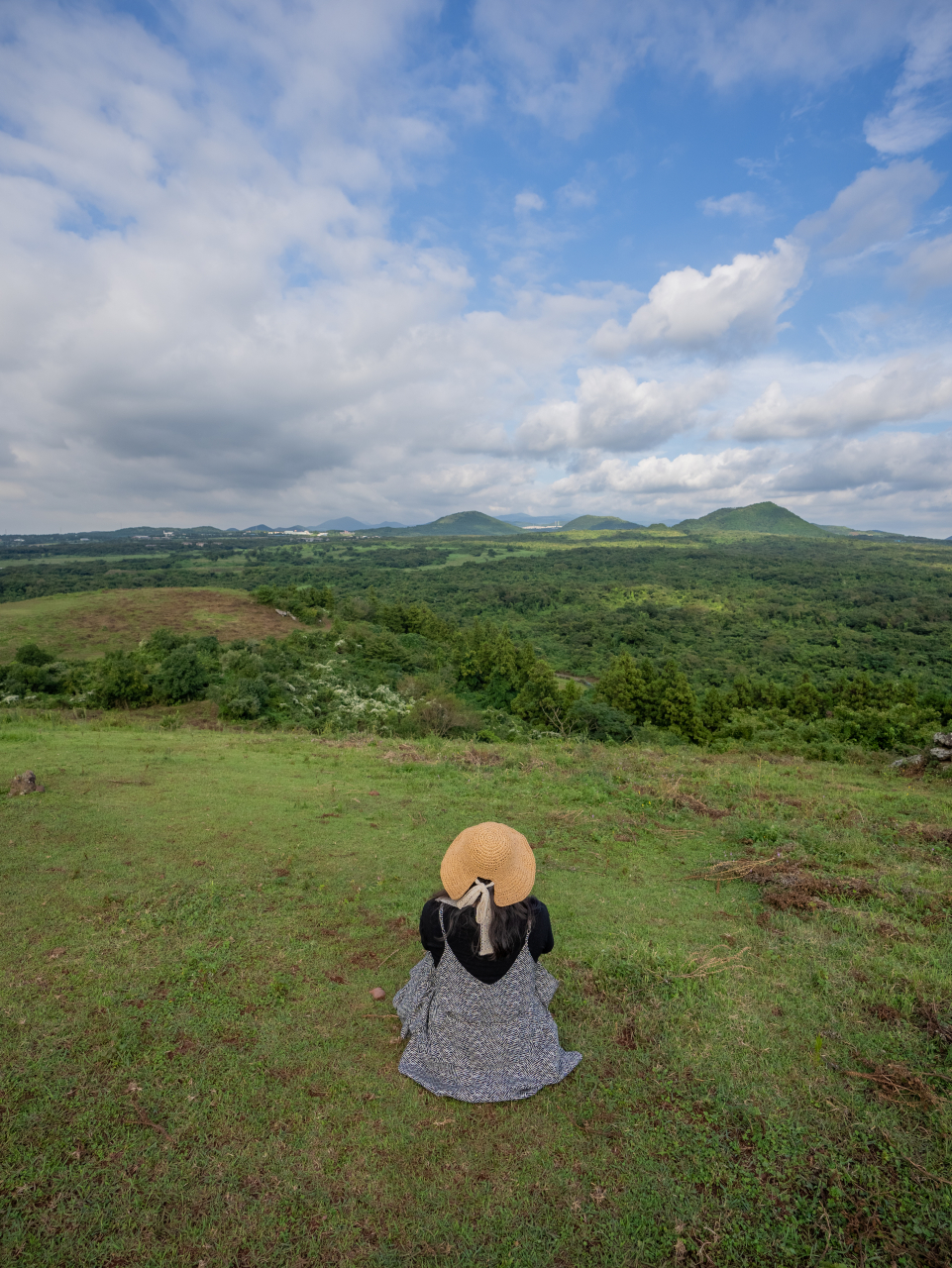
Located within the Gotjawal forest—often called the “lungs of Jeju”—it’s a wonderful place to enjoy the surrounding woodland scenery.
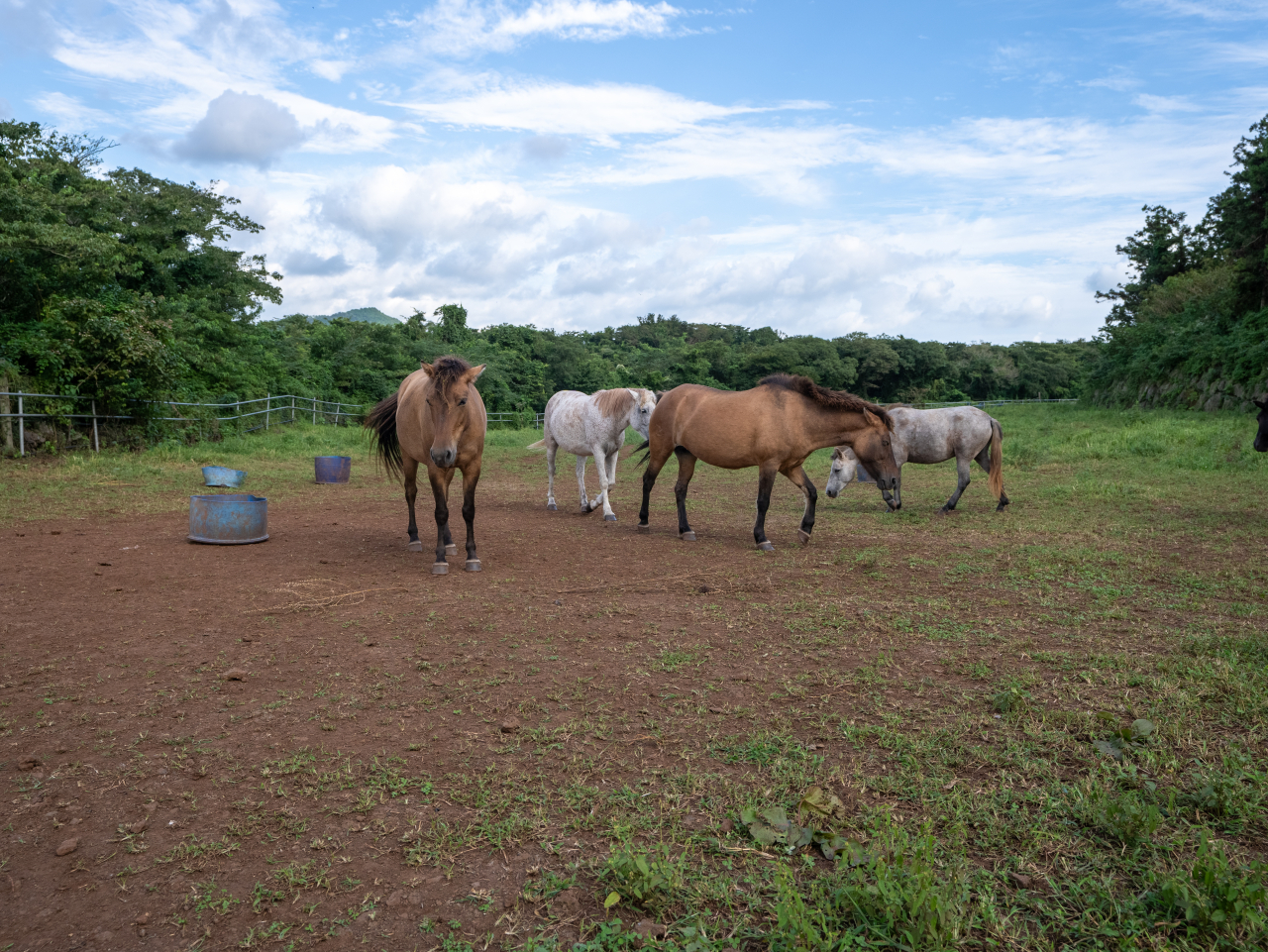
There’s a ranch below Mundoji Oreum, and these horses often come up to the top to graze, so you can see them up close—or even touch them.
The road to Mundoji Oreum continues along a narrow, unpaved path, so less-experienced drivers should take extra care. It takes about 10 minutes to reach the summit.
Geum Oreum (Geumak Oreum)
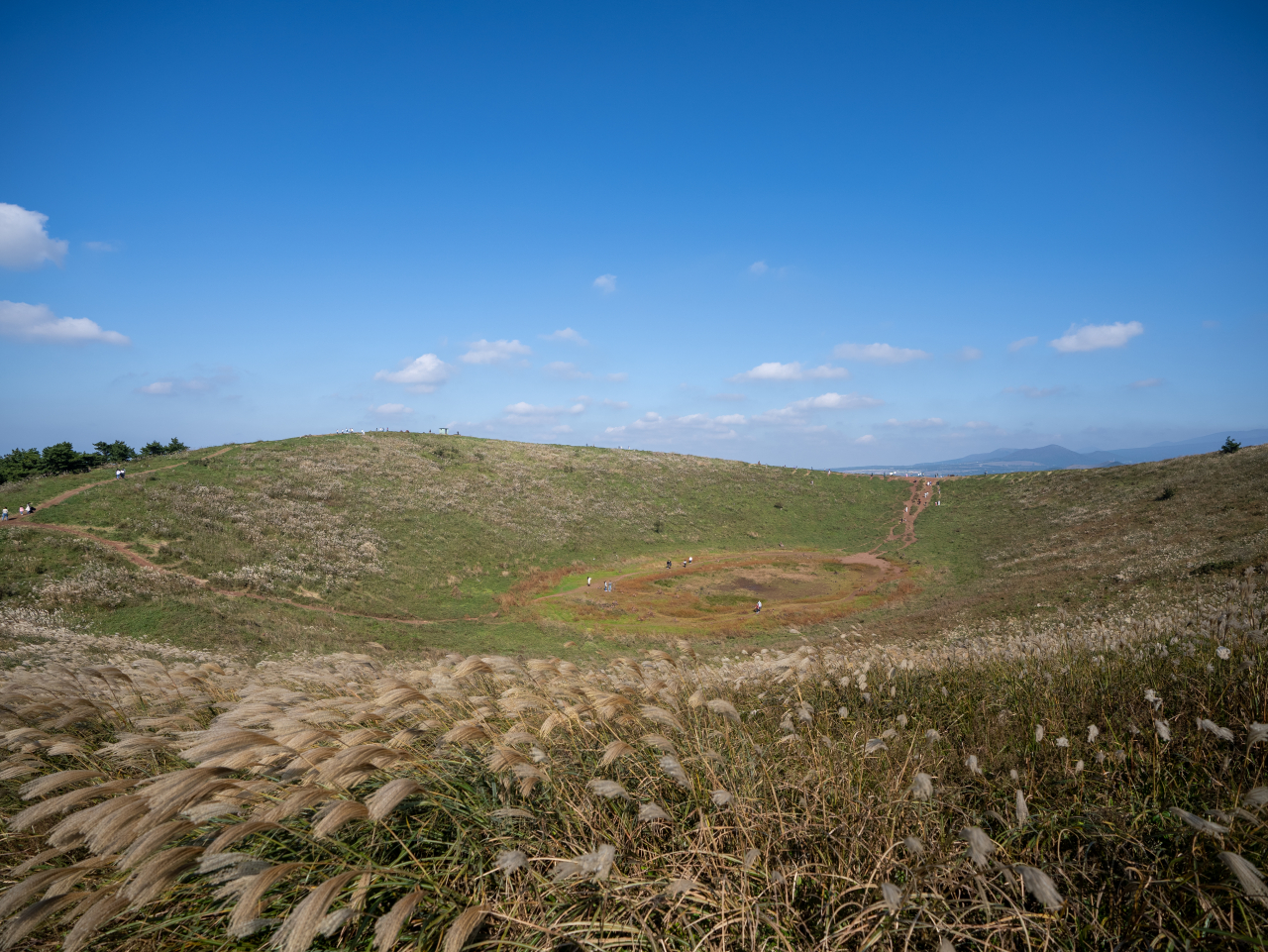
Geum Oreum in Geumak-ri is also called Geumak Oreum. The crater lake at the top, known as Wangmae, resembles Baengnokdam and looks remarkably like Hallasan.
Geum Oreum suddenly became famous after appearing on TV. When I first climbed it, you could even drive up. Now, you can’t go up by car—you have to walk.
Since you climb along the paved road, the path isn’t rough, but because the steep incline continues for a long stretch, the difficulty can be considered high, along with Saebyeol Oreum.
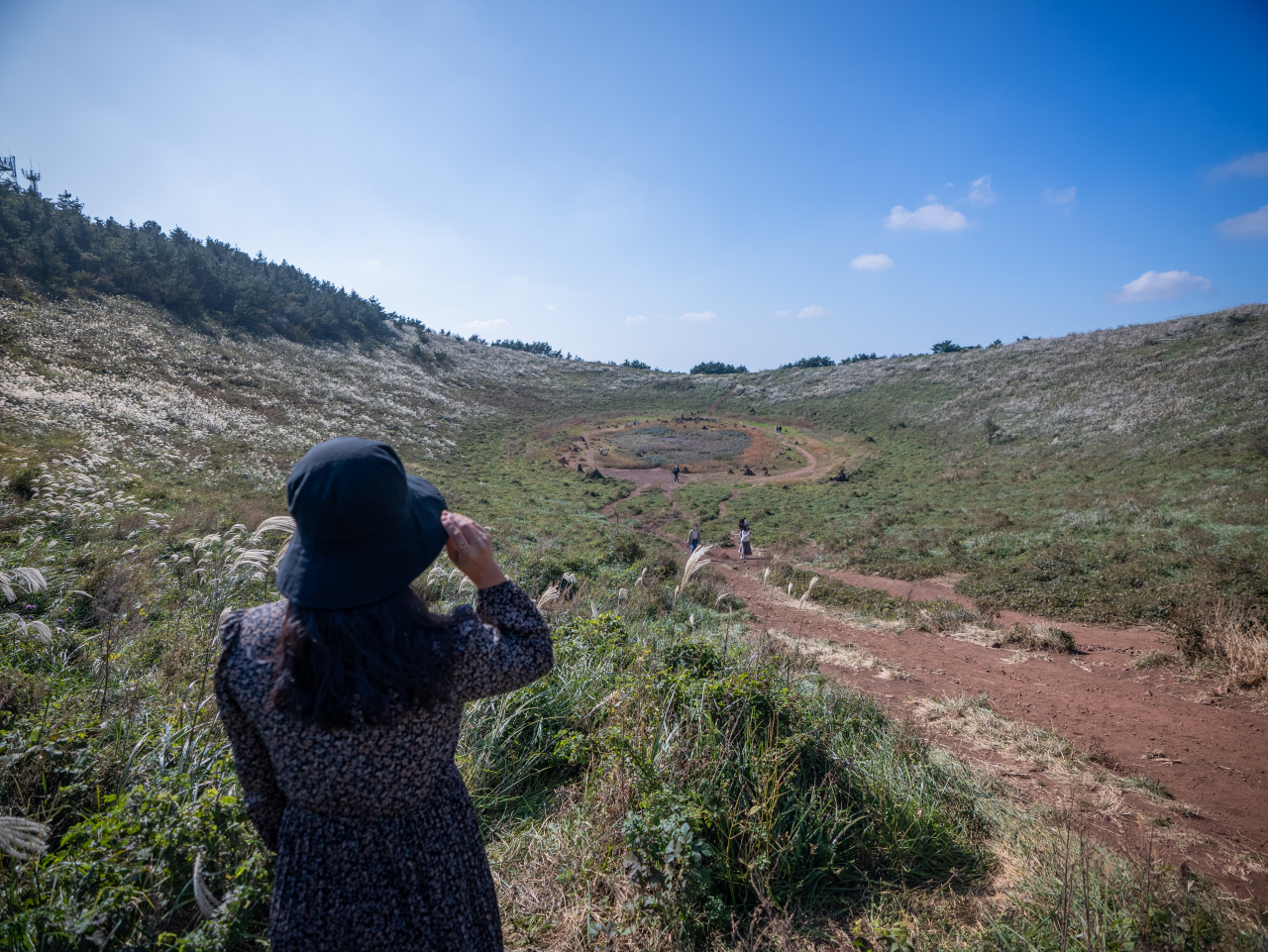
In the past, it was common to see horses running around, but these days—perhaps because of the increase in visitors—you rarely see them. Even the horse droppings you used to spot everywhere are gone, which makes it seem like it’s been a long time since the horses came up here.
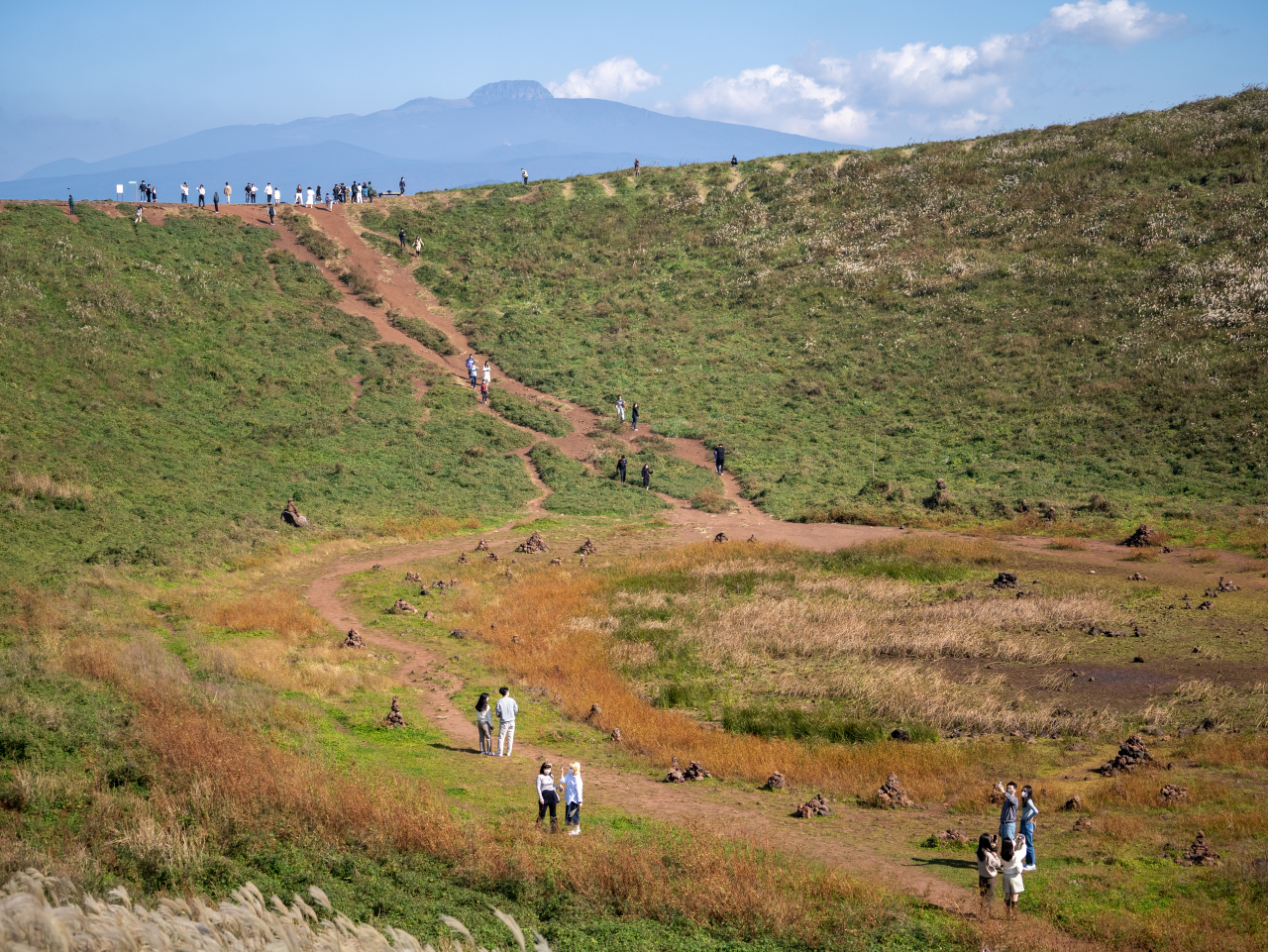
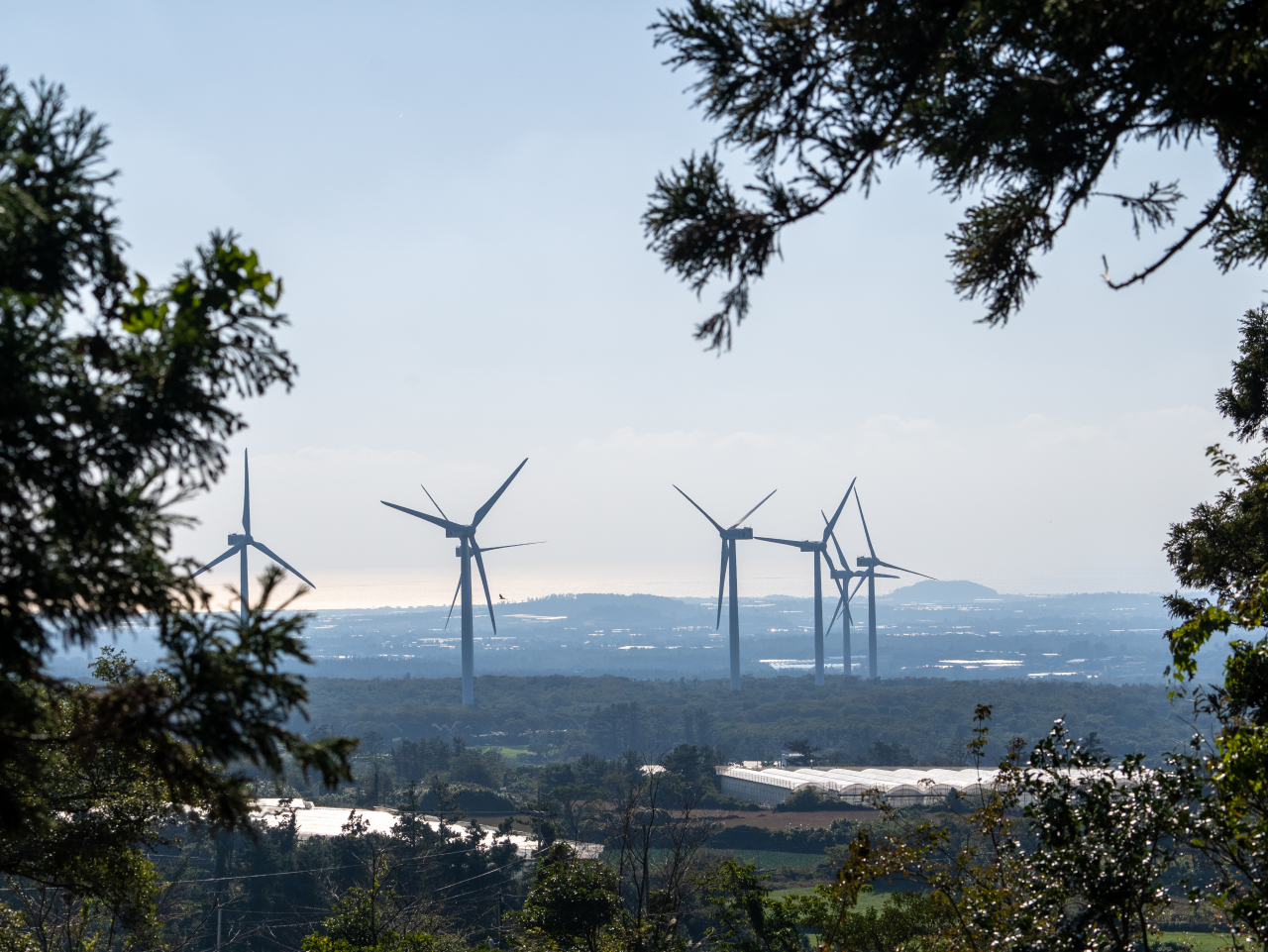
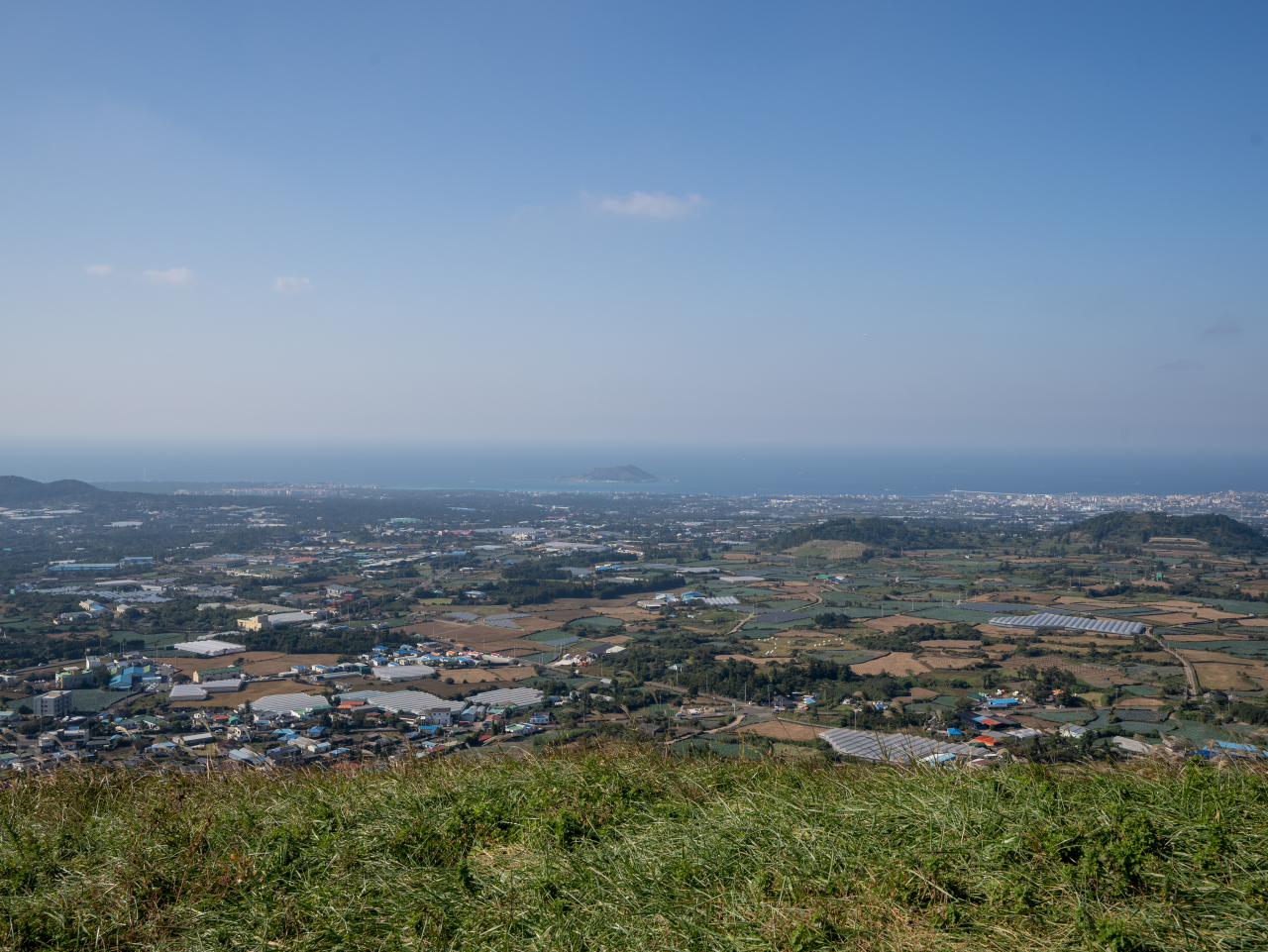
It offers an unusual mix of scenery: Jeju’s west-coast seascape with Biyangdo in view, Hallasan behind you, and the Geumak-ri wind turbines right next to you. These days it’s also known as a sunset spot, drawing huge crowds who come to watch the sun set into the sea.
Saebyeol Oreum
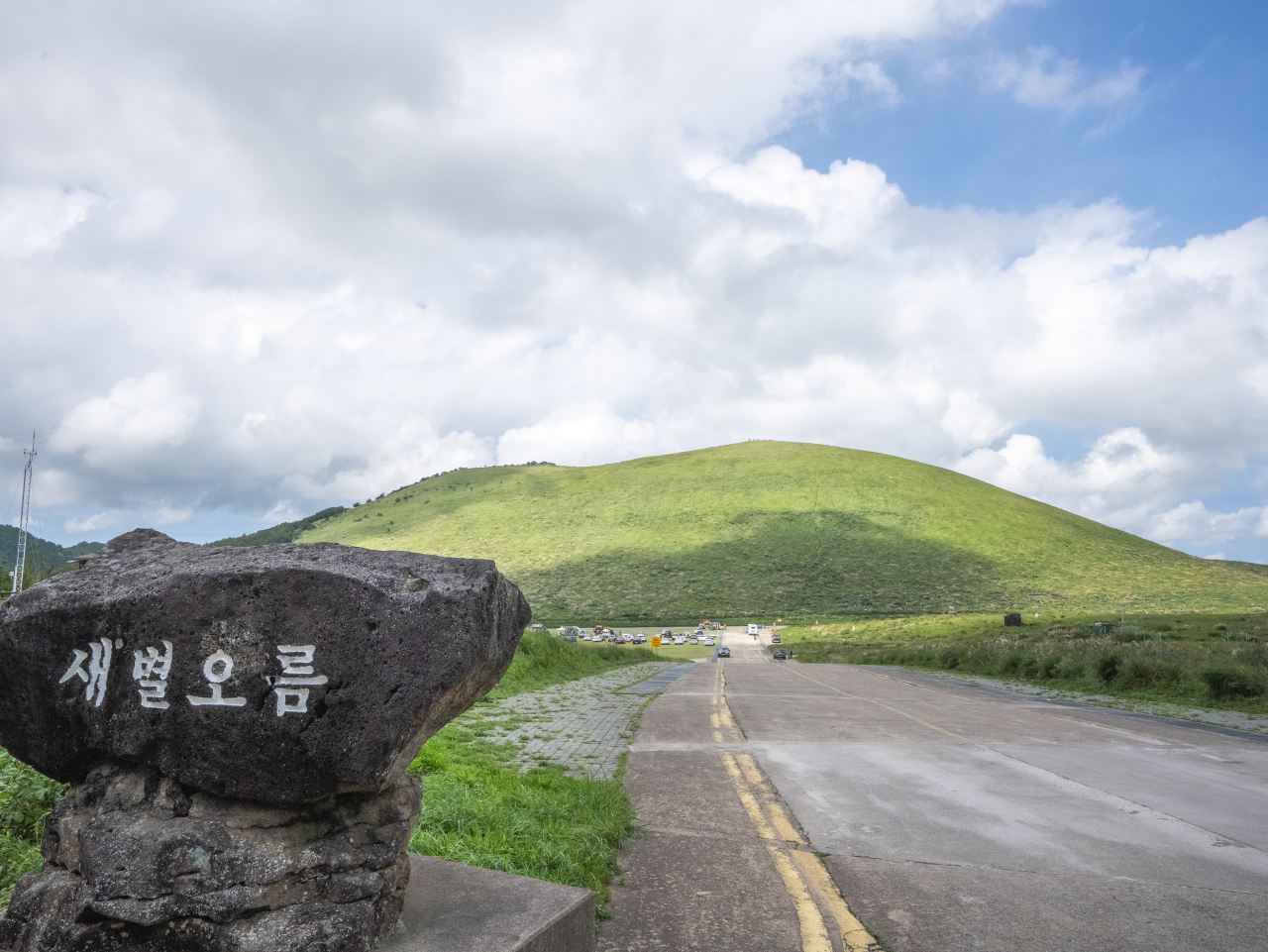
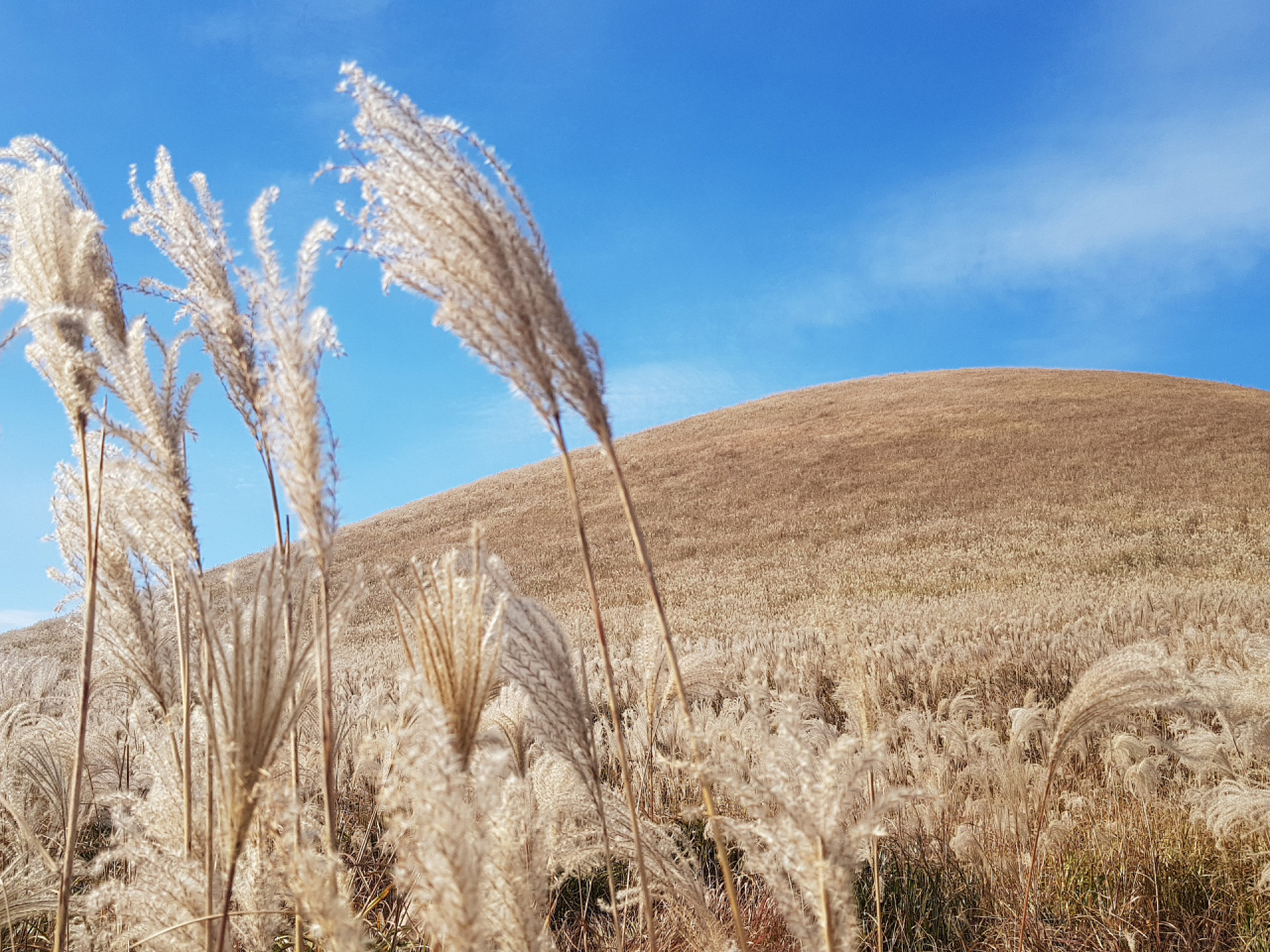
Saebyeol Oreum is already so famous that there’s hardly a traveler who doesn’t know it. In autumn, it turns silvery with reeds, and in winter, it glows red with the Fire Festival.
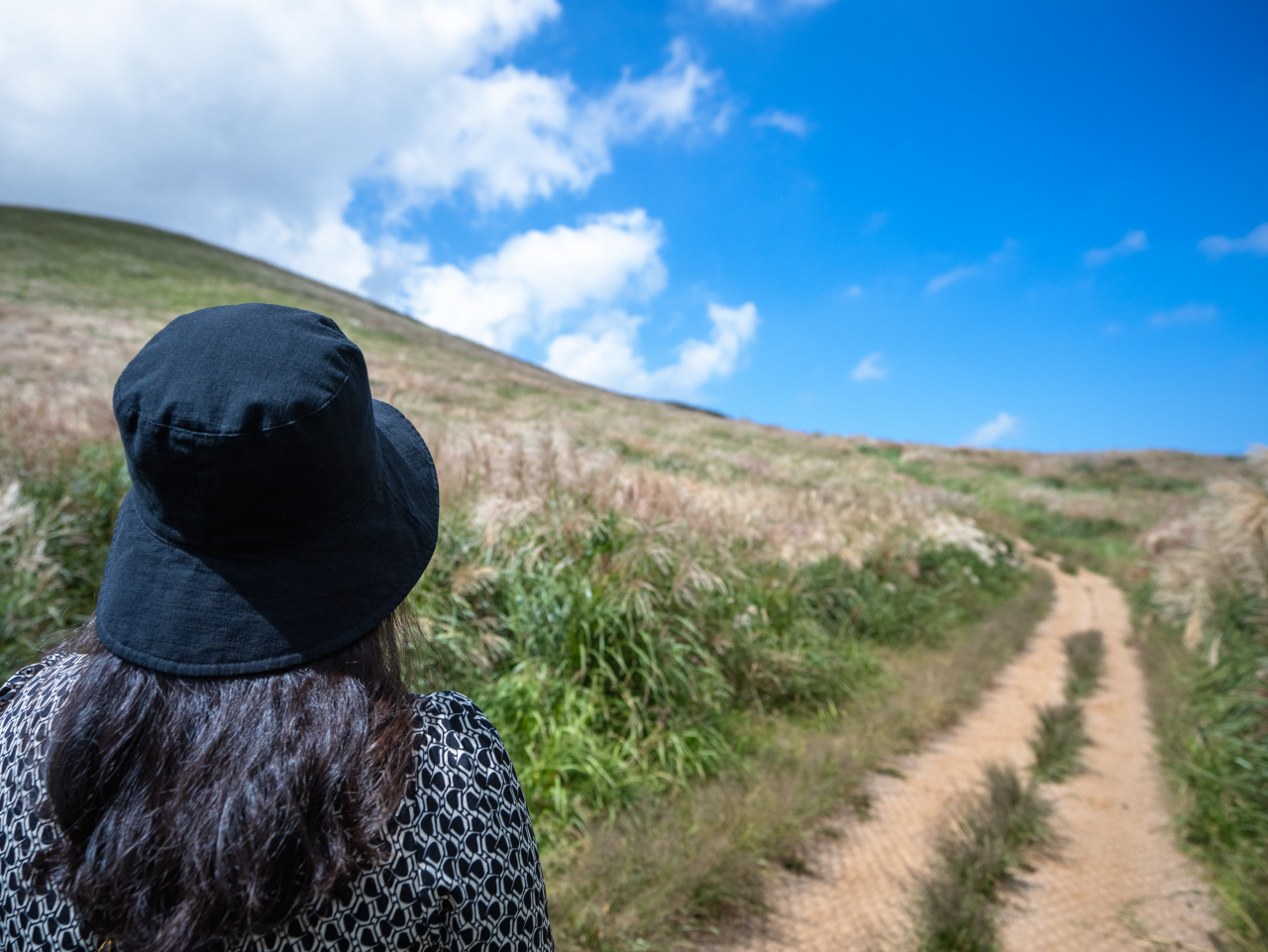
As an oreum that represents western Jeju, the emotion you feel from the summit view is beyond words.
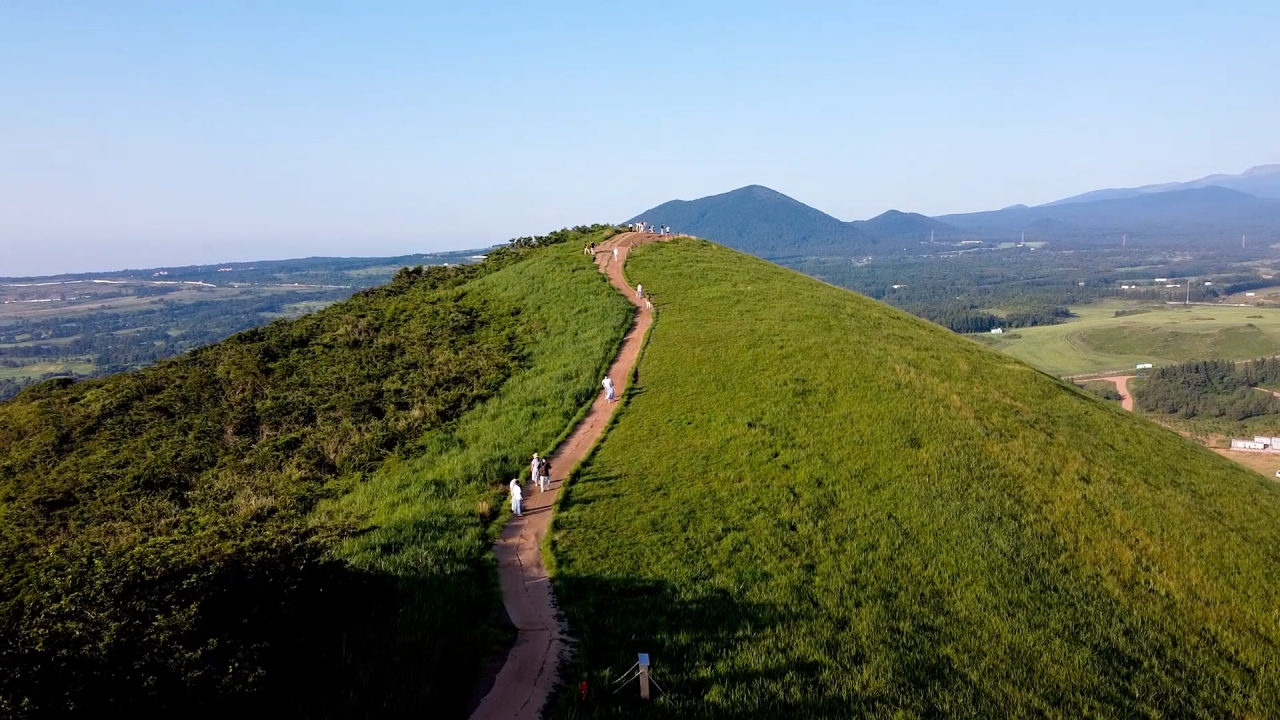
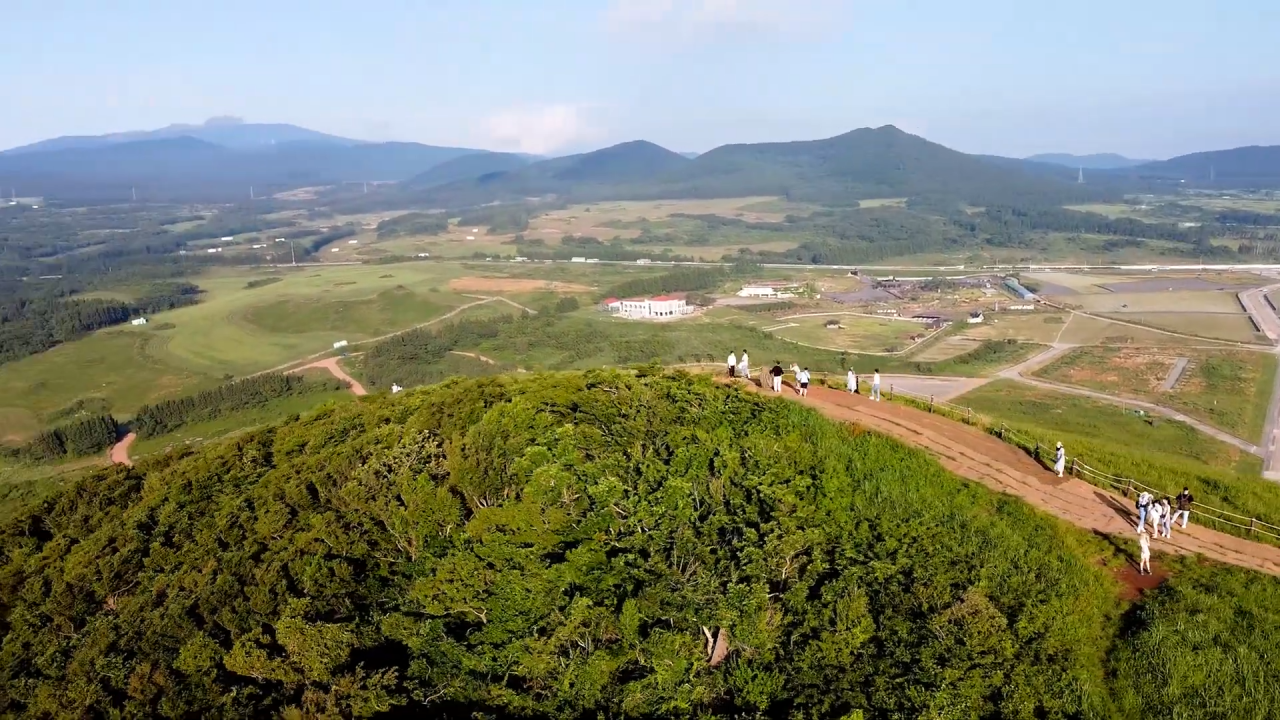
From below it doesn’t look very high, but a steep incline continues for about 10–15 minutes, making it more challenging than you might expect.

제주살이 10년 차, 일상 속 여행을 기록하는 크리에이터입니다. 바다와 바람, 낯선 골목에 스며든 제주를 좋아하고, 그 안에서 느꼈던 순간들을 글과 사진으로 전하고 있어요. 여행지보다는 여행의 온도를 담는 일을 합니다.

Comments
0No comments yet.