This is the story of a Jeju trip I took with my family last May. The theme of this trip is a family getaway. Like us, you might come with kids, or you might come with your parents—but a family trip should always go hand in hand with the word “healing.” When you’re actually traveling, there are times it’s so exhausting you can’t tell if it’s a trip or labor. The word “travel” always contains a hidden tiredness behind the excitement.
Jeju is a much bigger island than you might think, and because getting around takes time, a poorly planned schedule can leave you spending hours in the car—pushing fatigue to the limit.
<Day 1 in Jeju>
12:00 Arrive at Jeju Airport
13:30 Saryeoni Forest Path
17:00 Hotel
Our accommodation for this trip was in Seogwipo City. True to being the southernmost part of Korea, Jeju already turns quite hot from May. By June, people are enjoying the ocean, and by July 1, all beaches are warm and hot enough to officially open. With that in mind, we booked a hotel with a pool so the kids could play in the water. On Day 1, after landing at Jeju Airport, we decided to visit Saryeoni Forest Path along the route to our hotel in Seogwipo.
<Saryeoni Forest Path>
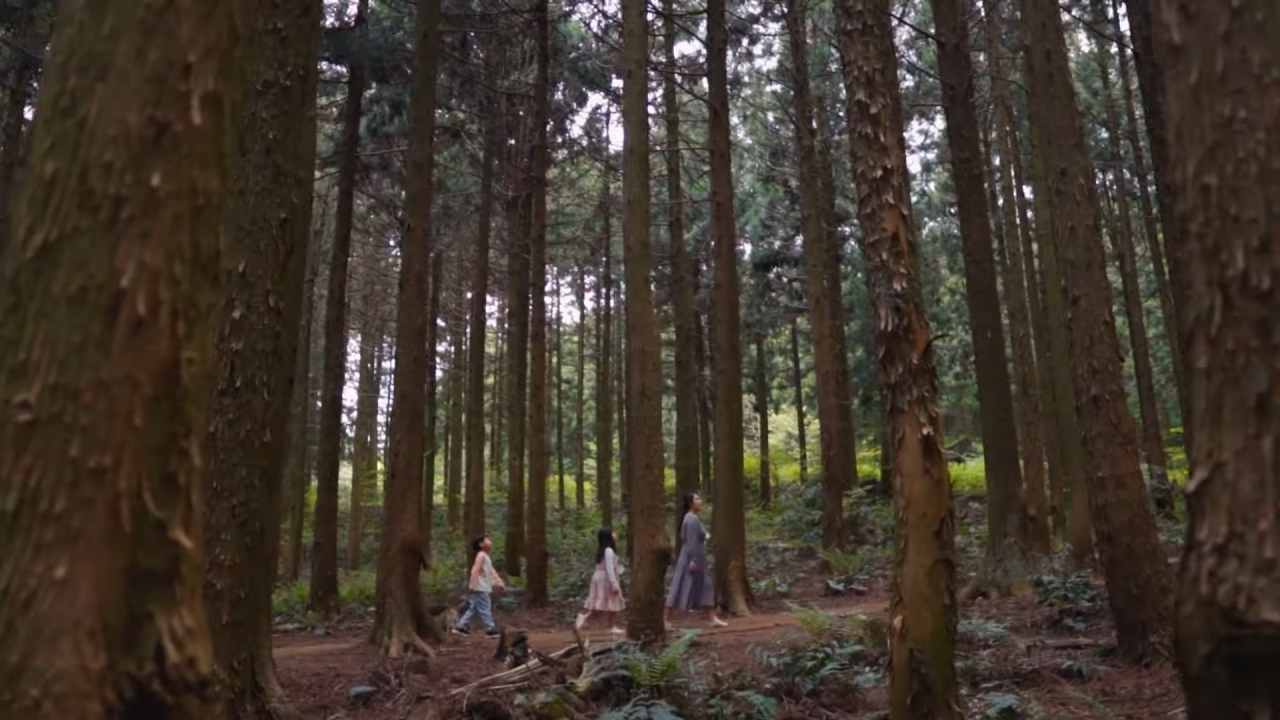
Saryeoni Forest Path is a must-visit spot for a Jeju trip in May–June. As you walk through the mysterious forest filled with dense cedar trees, it feels like you’re being comforted after a tiring city life. And as mentioned earlier, Jeju in June feels like summer compared to the mainland—so when you come to Saryeoni Forest Path, cool breezes and the fragrant scent of cedars soak into you.
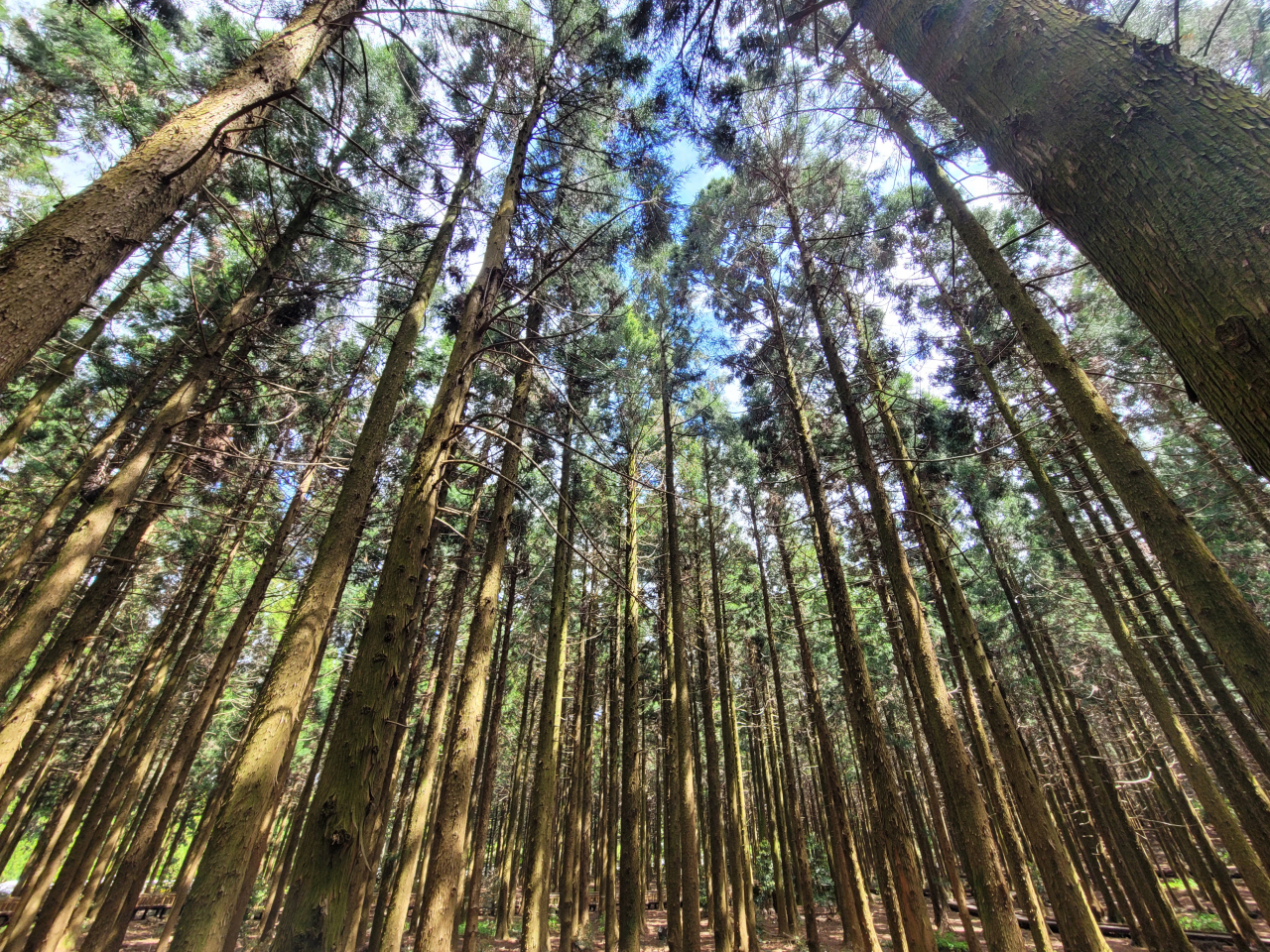
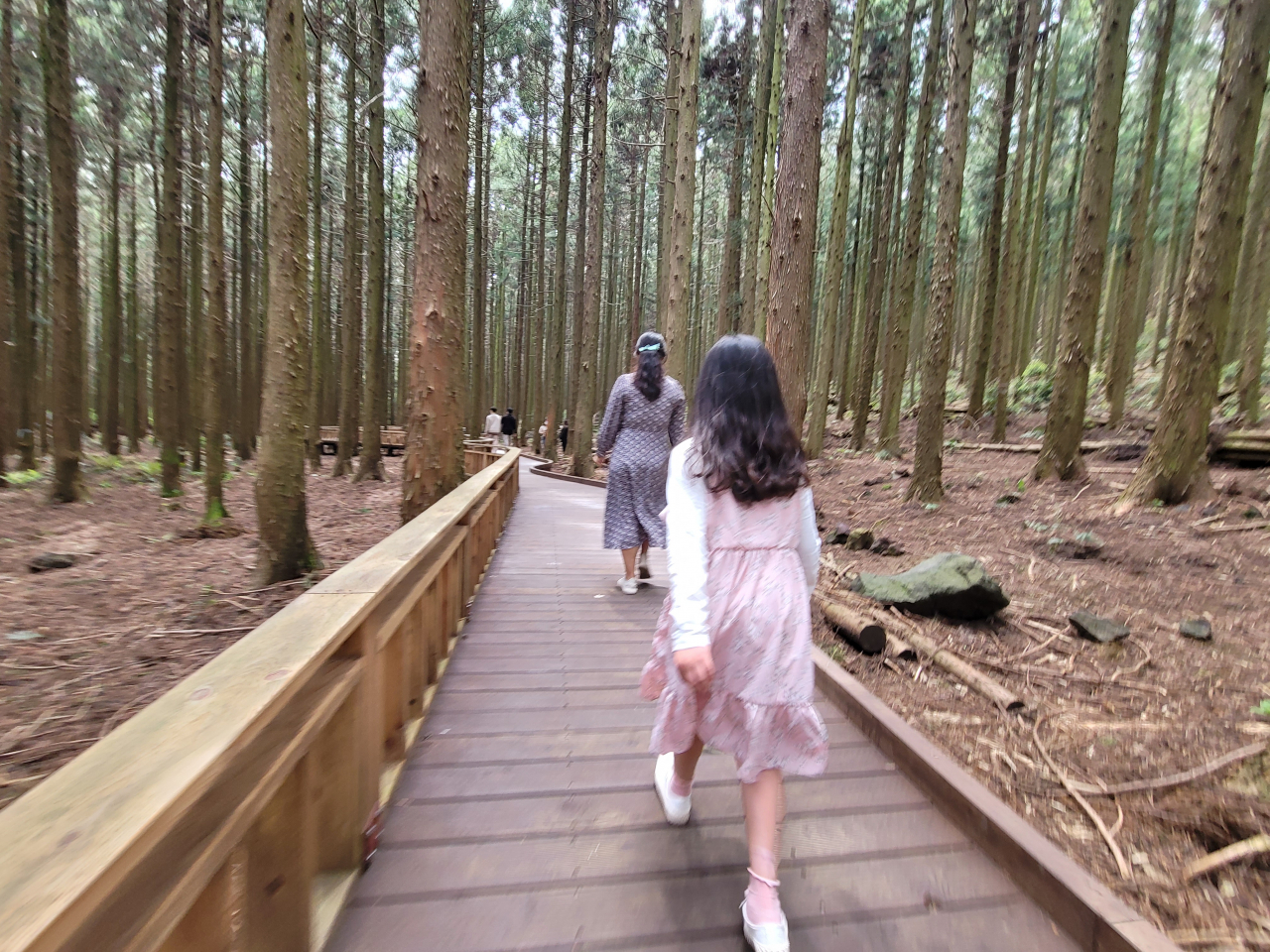
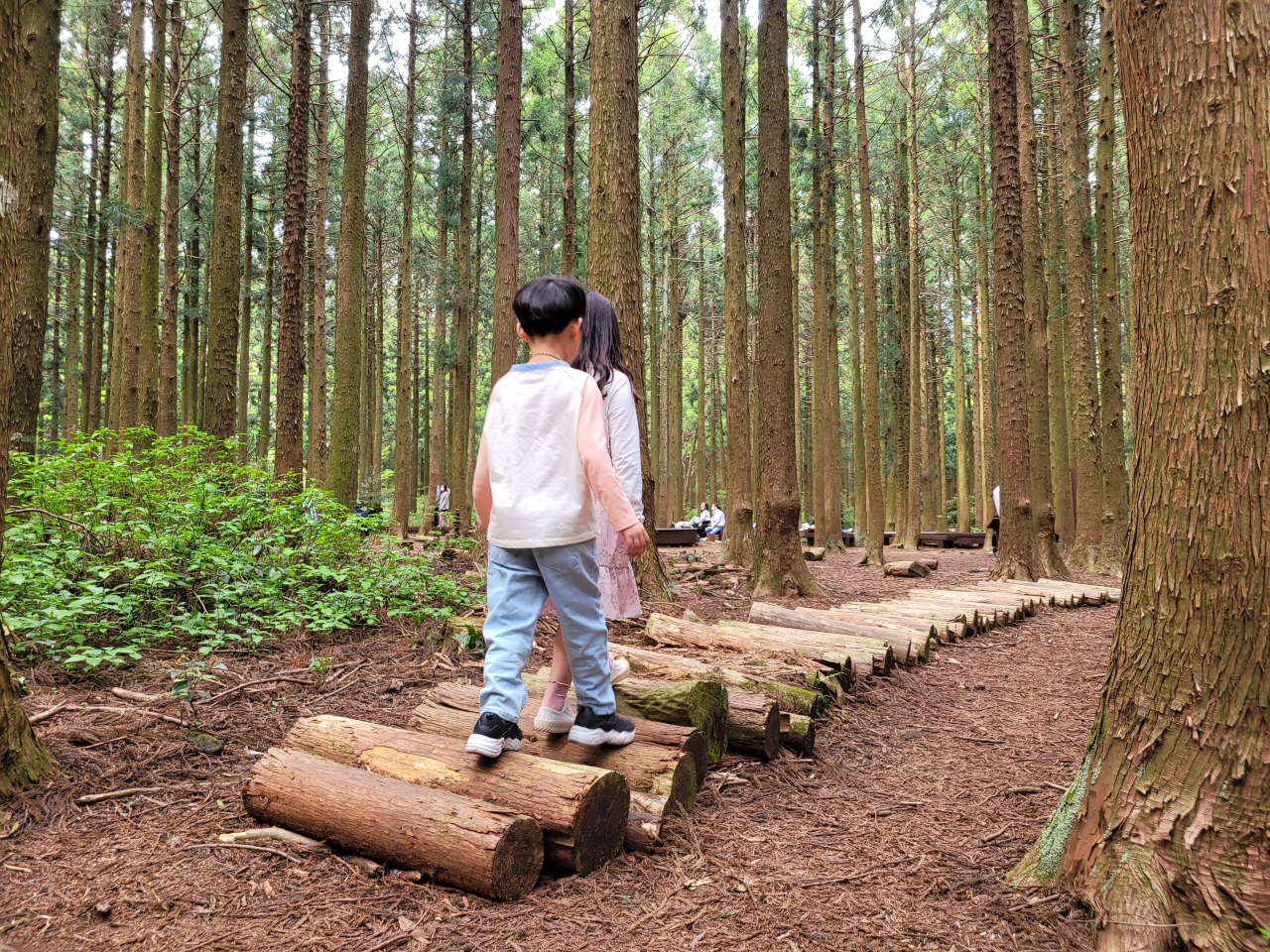
Saryeoni Forest Path is located along Bijarim-ro, and if you’re using the parking lot, it’s best to enter via the Bureunoreum entrance. The trail is wider than you might expect and offers many walking routes, so seeing everything takes a lot of time. The Bureunoreum entrance lets you see the most cedar trees and has well-prepared rest areas, so I recommend starting your walk from there.
<Hotel - The Grand Sumorum>
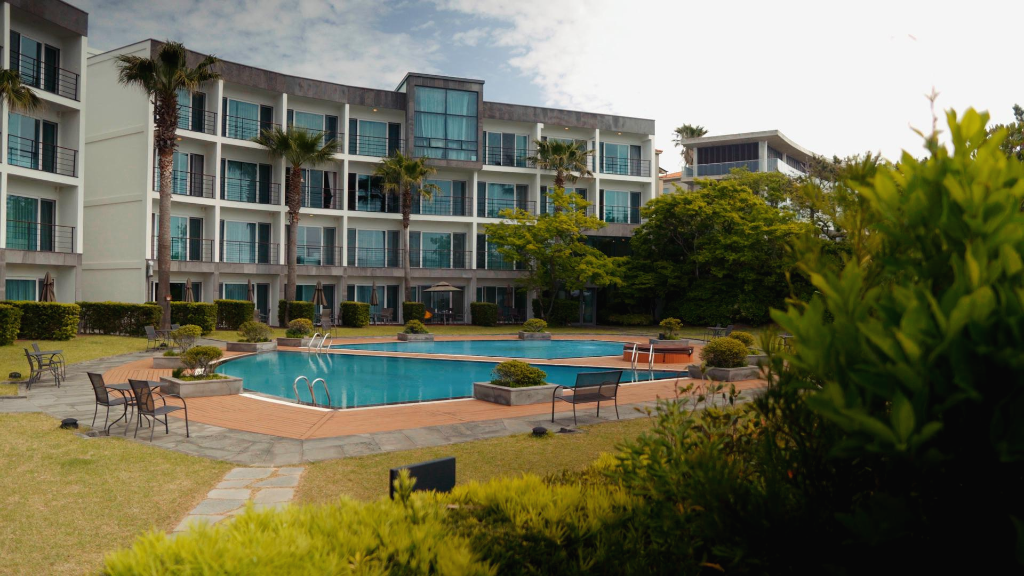
The hotel we stayed at was located in the new downtown area of Seogwipo, right in front of Beomseom, where the Olle Trail Route 7 runs.
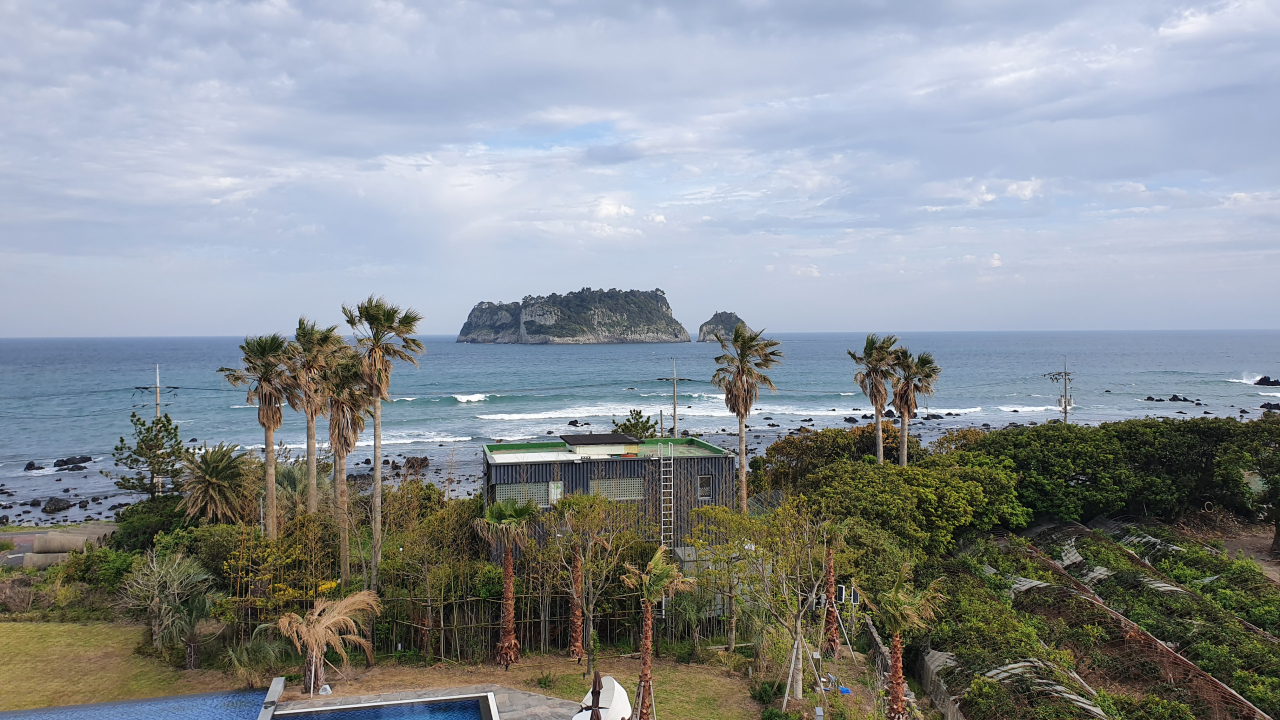
This is the Beomseom view that even Seogwipo locals love. Just as people in Seoul consider a Han River view when finding a home, people in Seogwipo see it as symbolic whether you can see Beomseom, Munseom, and Seopseom. In particular, Olle Trail Route 7—walking along the coastal road in front of Beomseom—is beloved by many trekkers and is also a favorite walking route for locals.
<Day 2 in Jeju>
13:00 Hueree Natural Park
16:00 Cheonjiyeon Waterfall
17:30 Hotel
20:00 Saeyeon Bridge night view
Maybe because it rained overnight, the morning was quite chilly. Since we were traveling with kids, we left the morning schedule open, but our plan to walk Olle Trail Route 7 in the morning ended up falling through. Luckily, the weather cleared up in the afternoon and we could follow the afternoon itinerary.
<Hueree Natural Park>
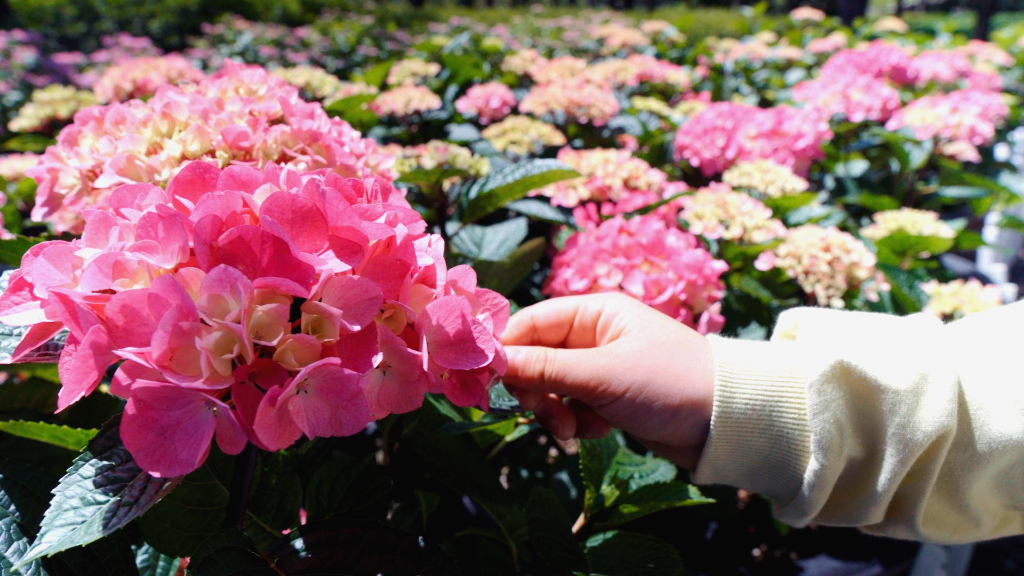
You could say June in Jeju is the season of hydrangeas. Roadside hydrangeas begin blooming in early June and often peak around mid-to-late June, but at Hueree, you can see greenhouse-grown hydrangeas starting from April. Hueree is located in Namwon-eup, not too far from where we stayed.
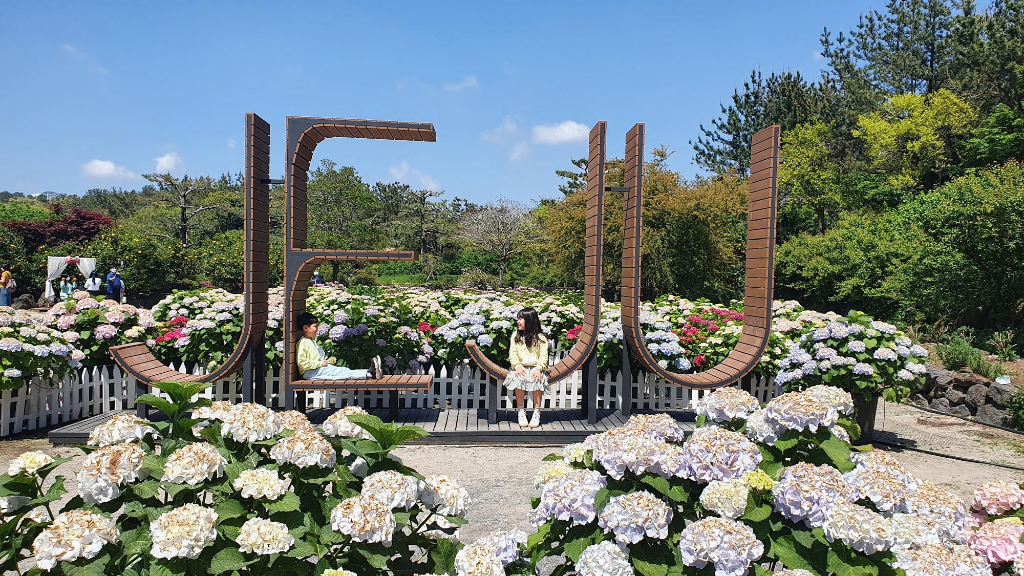
Thanks to the suddenly clear weather, I personally found this place very satisfying. However, when we visited, not many hydrangeas had bloomed yet, and the fully blooming ones were mostly inside the greenhouse. One downside was that there didn’t seem to be enough shaded rest areas to escape the sun overall.
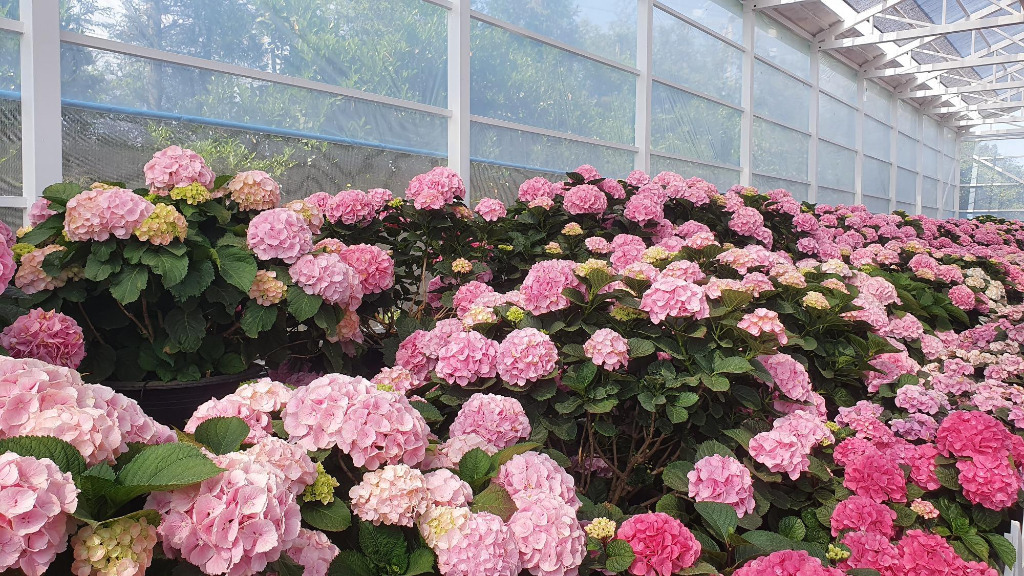
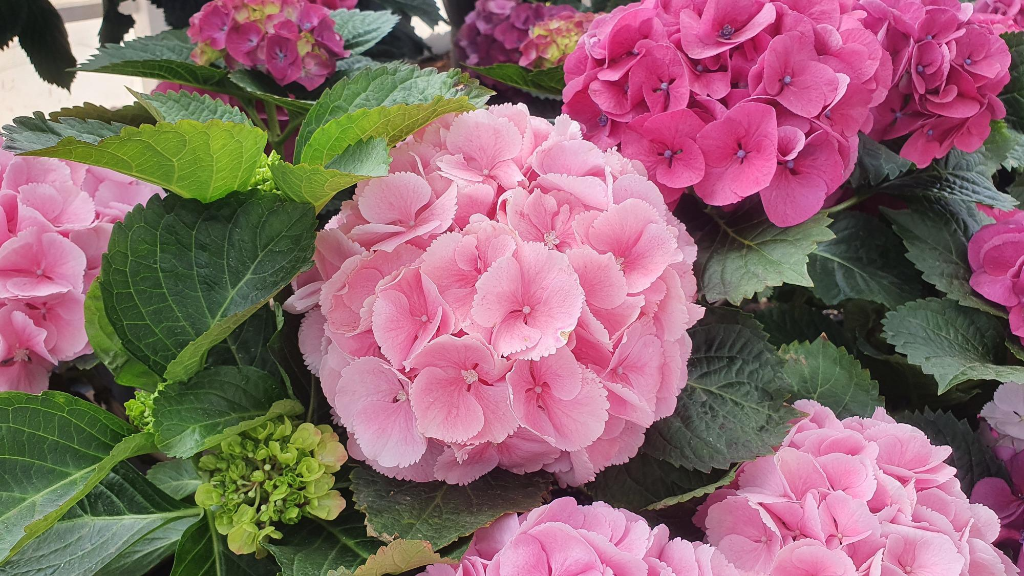
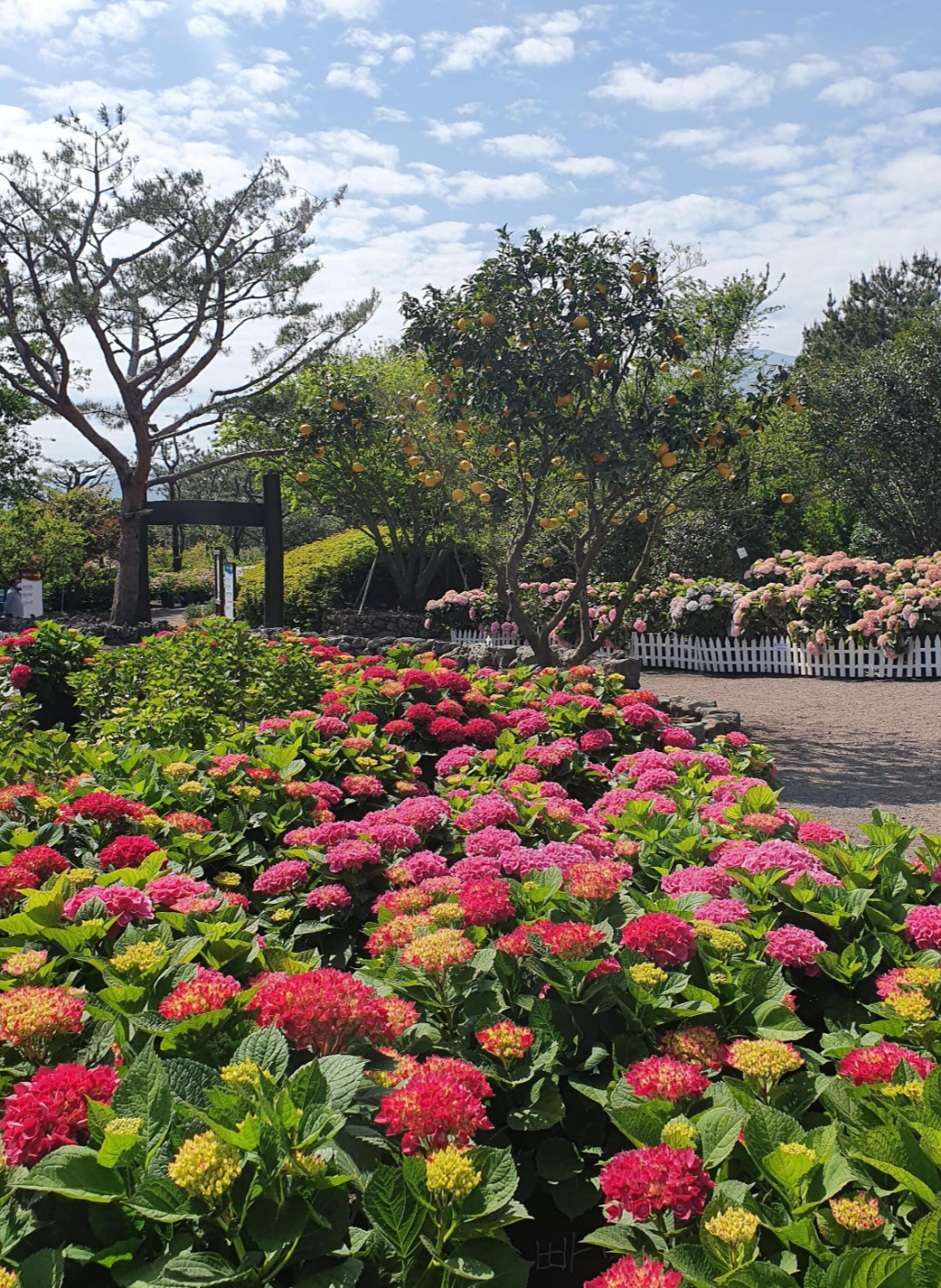
We spent a lot of time at Hueree. Walking around the entire place and taking it all in probably took over 2 hours. Many people come, snap a proof shot, and leave—but I believe travel is about leaving your home to experience and feel a new place, not about filling an SNS feed.
<Cheonjiyeon Waterfall>
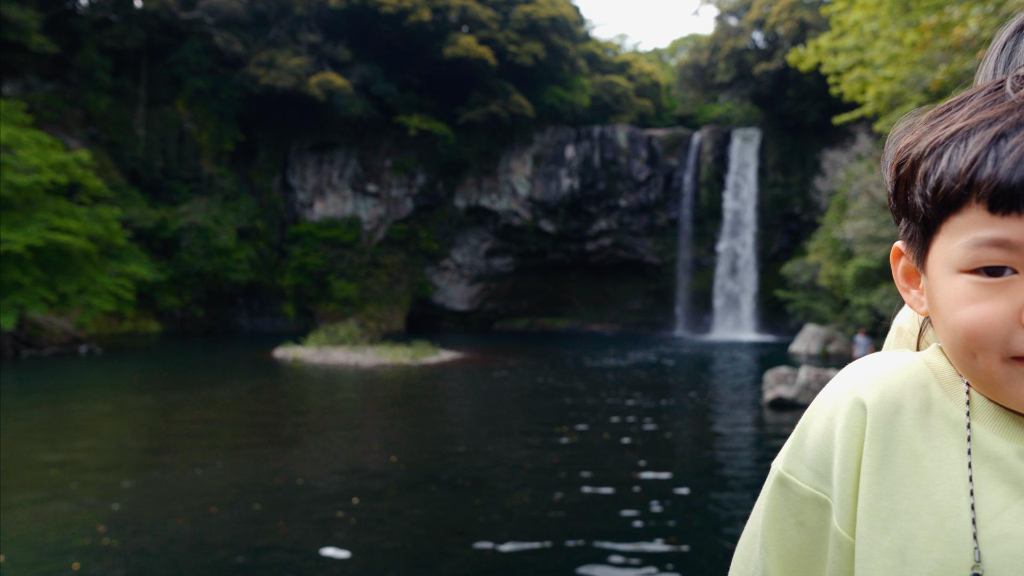
Cheonjiyeon Waterfall was a stop we chose because it was on the way back to the hotel from Hueree. The walking path is very well-maintained, and it’s not too long or difficult, so anyone can easily walk there. For example, places like Cheonjeyeon Waterfall (with a similar name) have many stairs, which can make it tough if you’re traveling with small children, a stroller, or elderly parents. But Cheonjiyeon Waterfall is a place anyone can enjoy with an easy stroll.
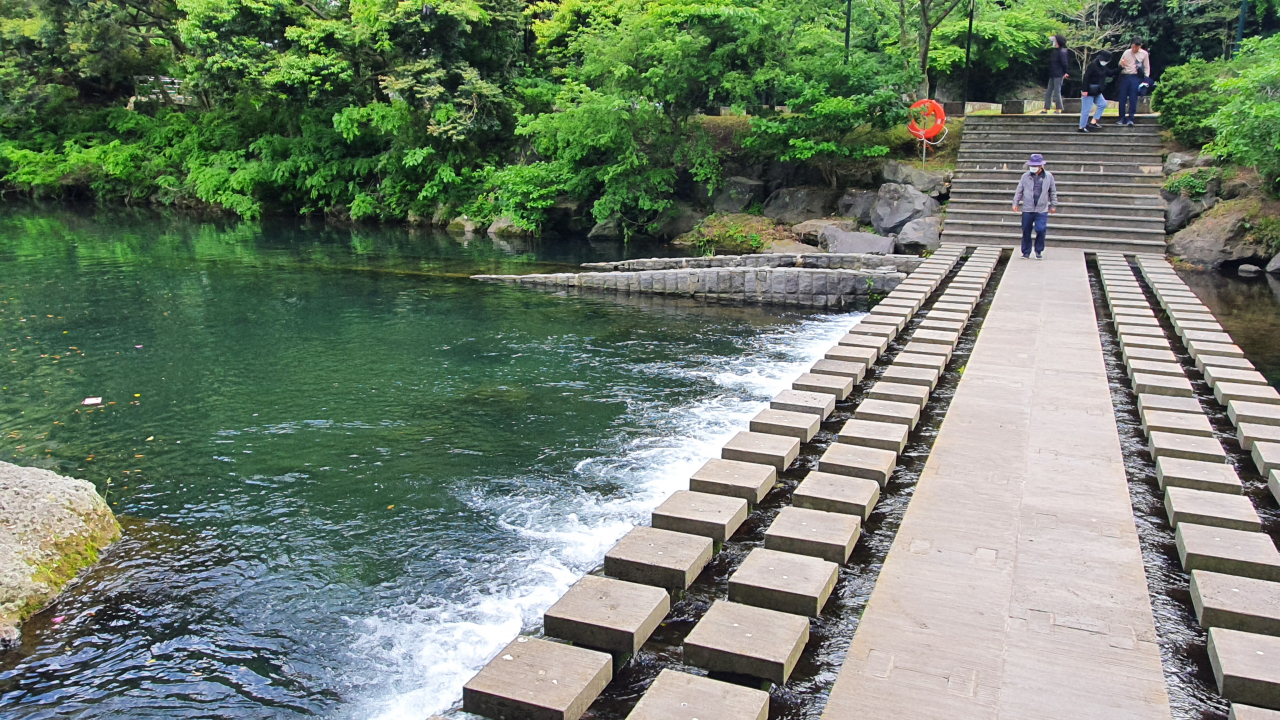
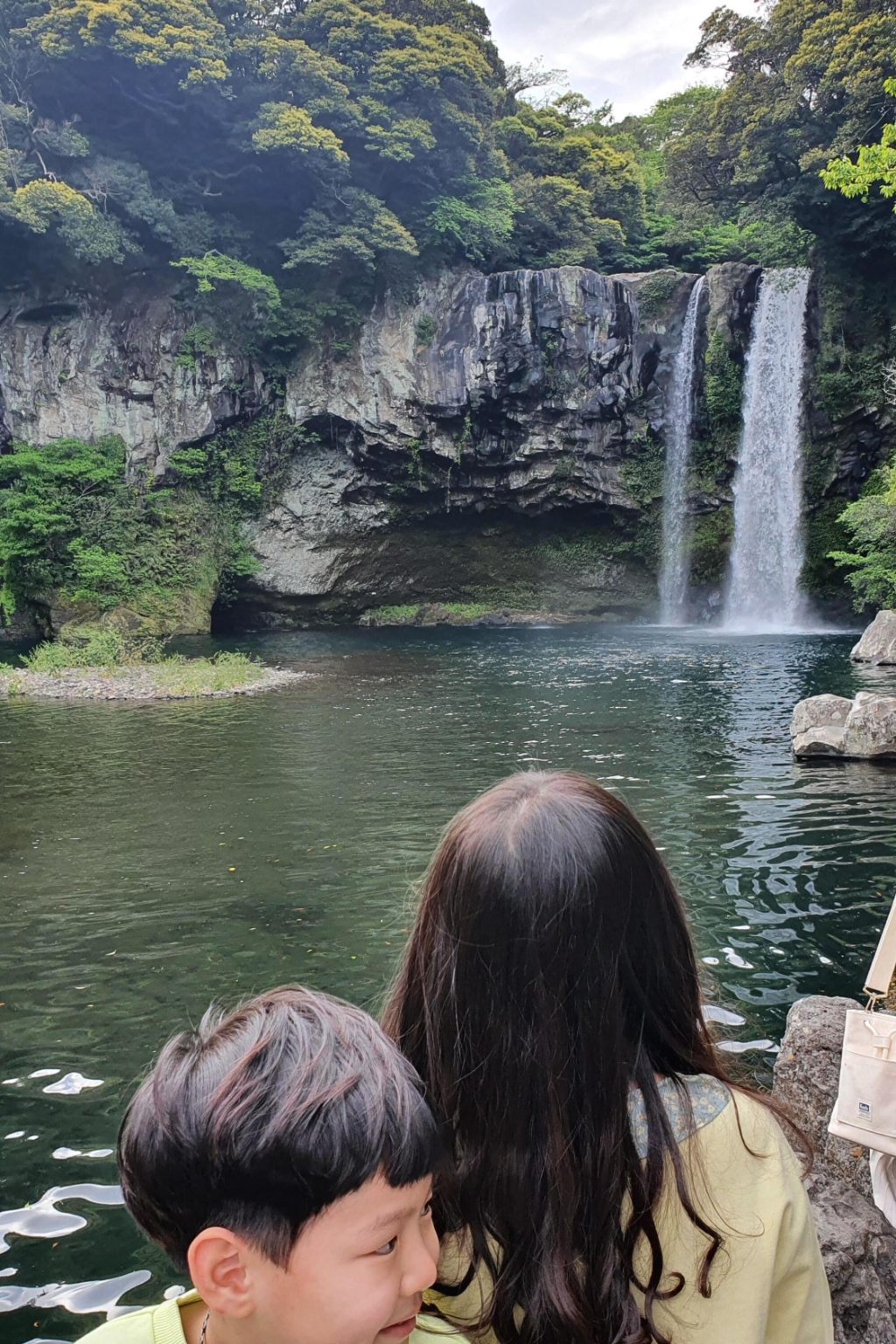
The sweat we’d built up while walking around Hueree cooled off in the refreshing breeze blowing up from beneath the waterfall, and my whole body felt invigorated. Personally, I loved how you can stroll through a forested path and then feel that cool waterfall breeze. If you’re staying in Seogwipo’s old downtown area, it’s also a great place to visit as a casual walk.
<Saeyeon Bridge night view>
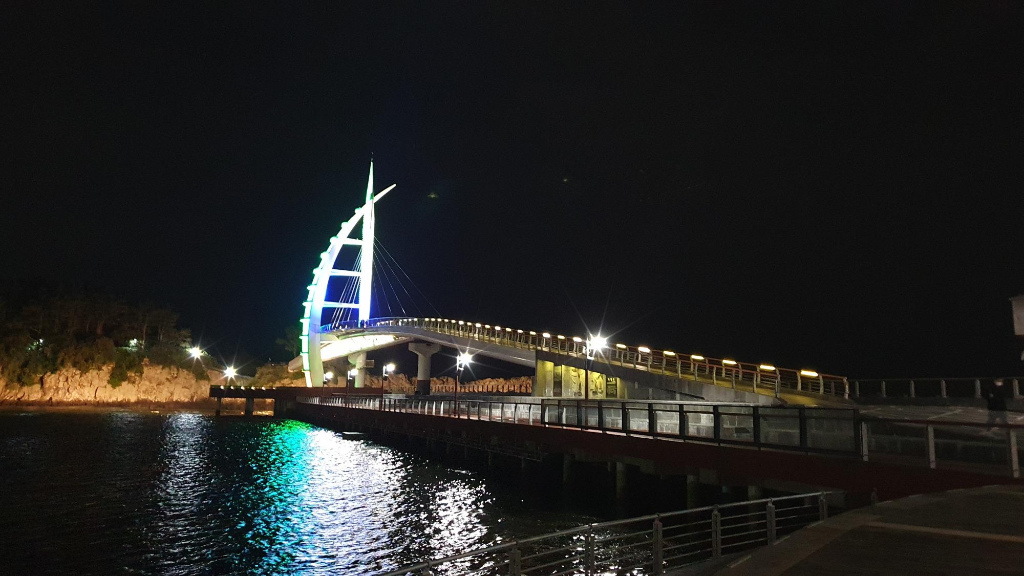
Saeyeon Bridge is a bridge that connects Saeseom, located right in front of Cheonjiyeon Waterfall. They say Saeyeon Bridge carries the deep meaning of “a bridge that creates new connections,” but I’m not sure about that—what it’s really known for is its night view, so we waited for sunset at the hotel and then visited.
In Seoul and other big cities, there are many famous night-view spots. But in Jeju, there still isn’t much to do once the sun sets, and this Saeyeon Bridge is one of the few places where you can enjoy night scenery.
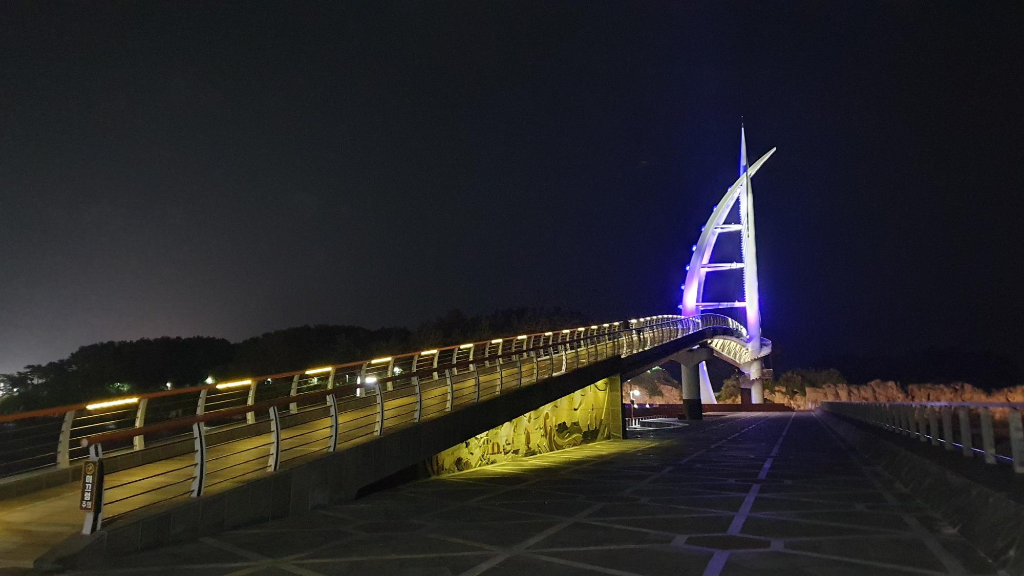
That said, Saeyeon Bridge is a place photographers often visit to take pictures—it’s not necessarily somewhere most people come for sightseeing. For us too, it was a quick stop to take photos while passing through to pick up food we’d ordered.
<Day 3 in Jeju>
11:00 Check out of the hotel
12:00 Jeju Airport
They say the day you leave is market day—and sure enough, the weather was the best on the day we left. Over the last two days, it was so windy that I really understood why Jeju’s “three abundances” are said to be stones, wind, and women.
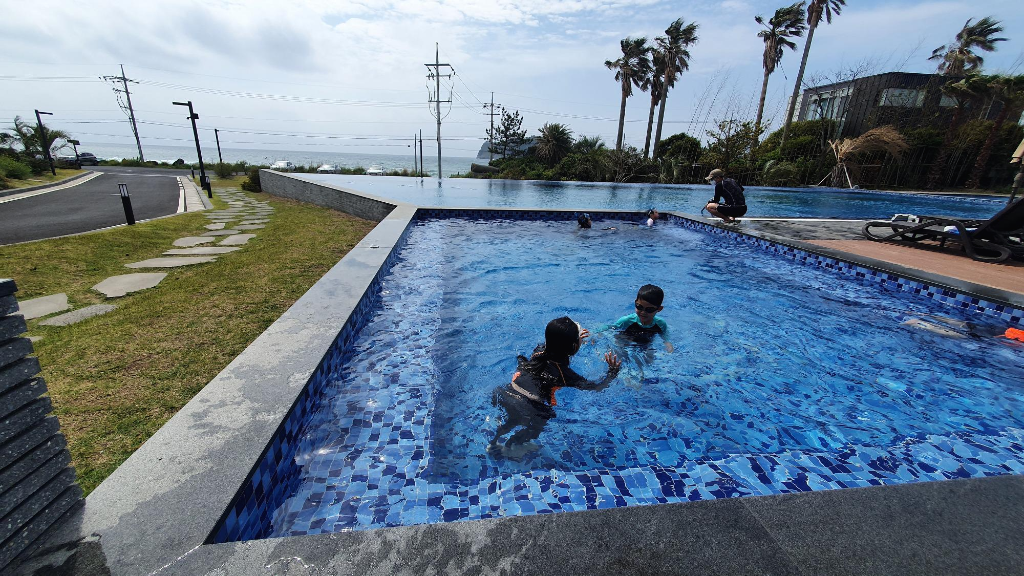
Since we had to head back to everyday life on Day 3, we didn’t plan any separate sightseeing. We planned to enjoy the hotel facilities we hadn’t had time for and then go home. The indoor pool and outdoor pool were heated, so the kids had a great time. Jeju is warm enough that you can easily enjoy swimming even in June if the weather is good—but of course, warm water is still better.

제주살이 10년 차, 일상 속 여행을 기록하는 크리에이터입니다. 바다와 바람, 낯선 골목에 스며든 제주를 좋아하고, 그 안에서 느꼈던 순간들을 글과 사진으로 전하고 있어요. 여행지보다는 여행의 온도를 담는 일을 합니다.

Comments
0No comments yet.