Flying is the most common way to reach Jeju, but if you are planning a camping trip, a long stay, or traveling with a pet, taking your own car to Jeju by ferry can also be a great option.
First-time passengers often have questions such as, "How do I load my car?", "Can I return to my car during the voyage?", and "Can electric vehicles be loaded too?" The process is simpler than you might think, but it can be confusing if you set off without knowing a few key details. Here is what you should know before your trip.
📌 What This Guide Covers
Useful information to know before loading your vehicle, including when to book, loading deadlines, boarding procedures, what to remove from your car, and special considerations for electric vehicles and roof boxes.
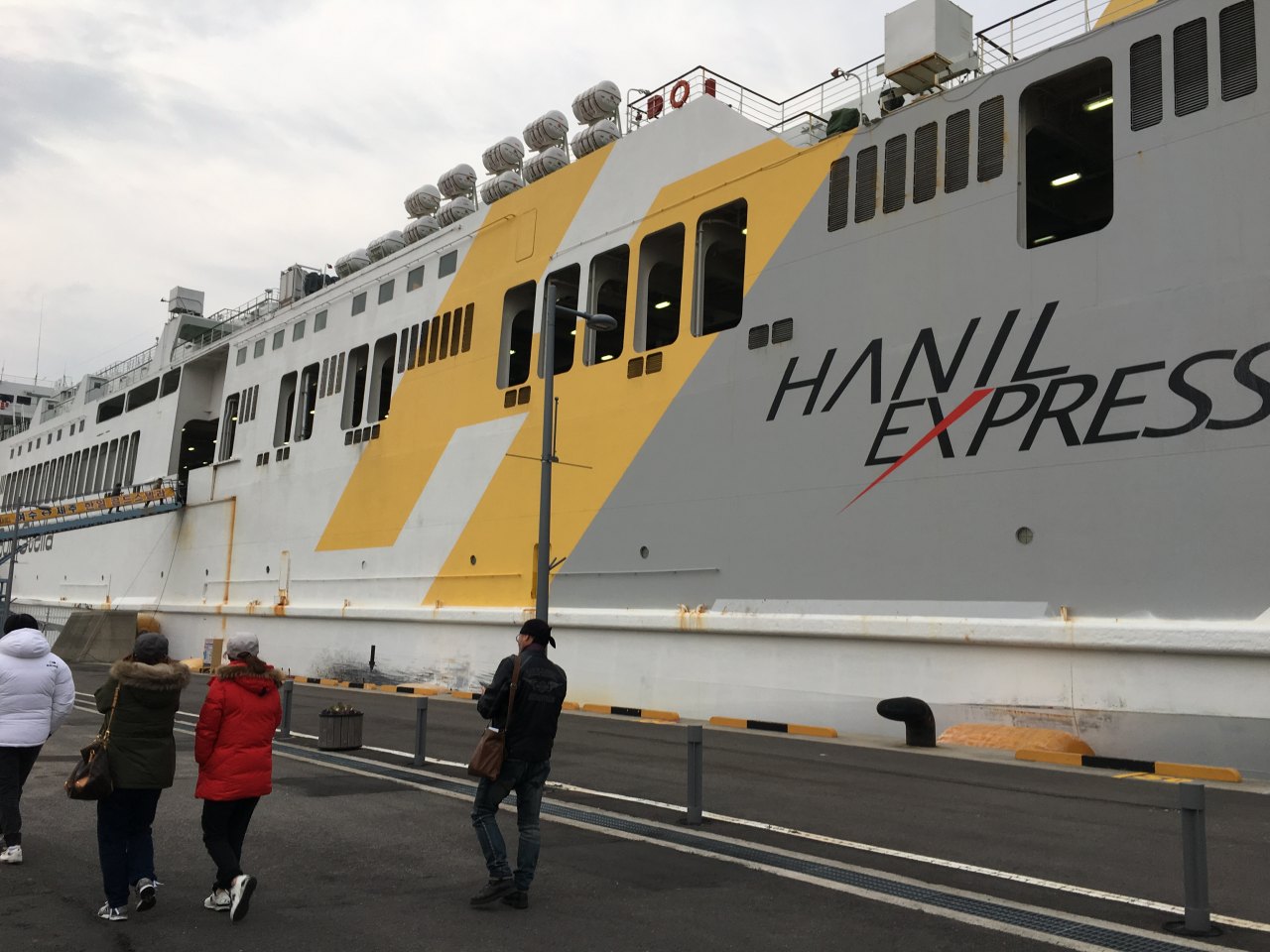
1. It Is Best to Book Vehicle Loading in Advance
Vehicle spaces on Jeju-bound car ferries fill up quickly, especially during the summer vacation season, public holidays, and weekends. Since the number of vehicles that can be loaded depends on their size, passengers often book at least several weeks ahead during peak season and more than a month ahead for holiday periods. It is safer to book even earlier for larger vehicles such as SUVs, camper vans, and trucks.
2. The Vehicle Loading Deadline Matters More Than the Departure Time
This is one of the most common misunderstandings among first-time passengers. Vehicles must be loaded before the ferry departs, so the departure time and vehicle loading deadline may differ.
⚠️ Rules vary slightly by ferry operator, but vehicle loading generally closes around 1 hour before departure. Be sure to check the time provided after booking. (Seoul Shinmun)
3. Often, Only the Driver Takes the Vehicle to the Loading Area
When moving a vehicle onto the ferry, generally only the driver enters the loading area in the vehicle. Passengers usually get out beforehand and complete boarding procedures at the passenger terminal, then rejoin the driver after the vehicle has been parked. Procedures may vary by route or ferry operator, so check the boarding instructions in advance.
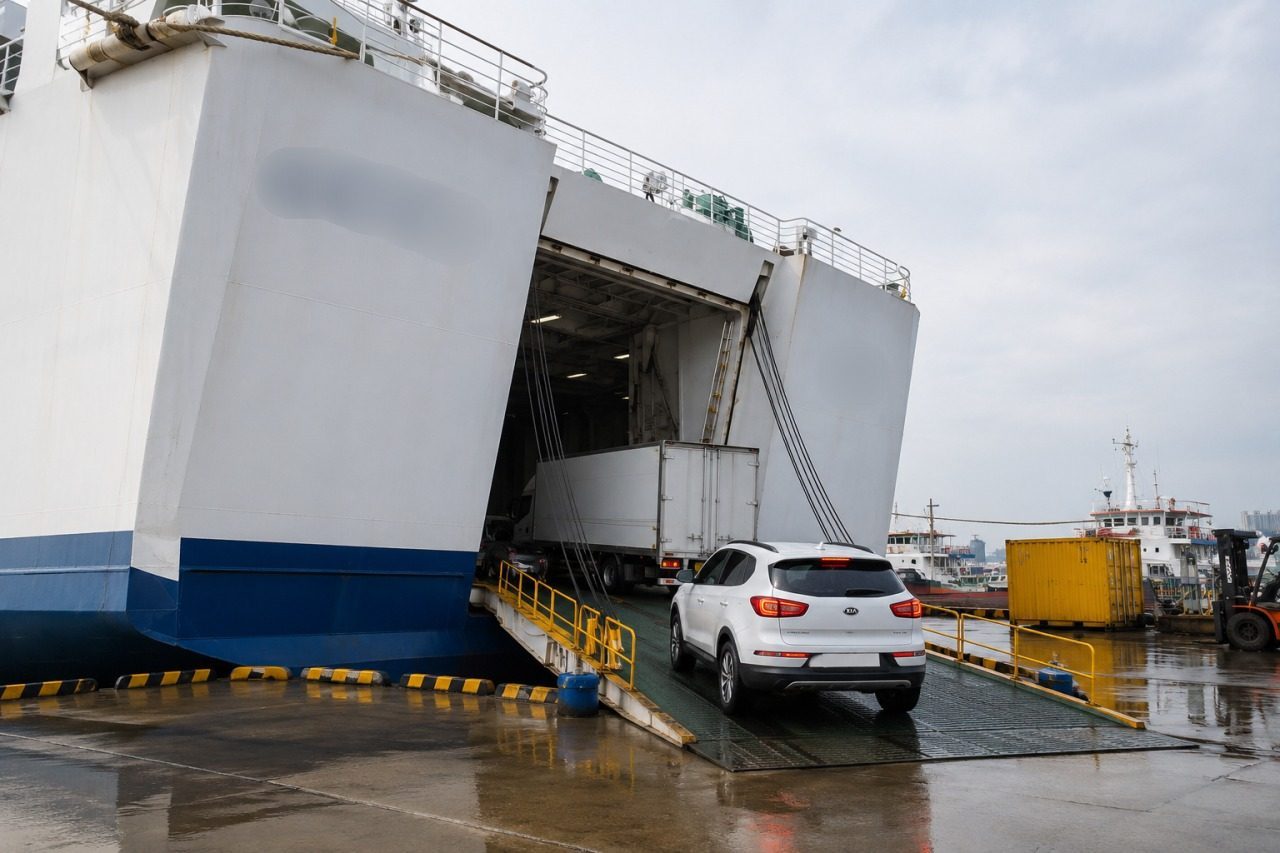
4. Some Items Should Not Be Left in Your Vehicle
After your vehicle has been loaded, access to the vehicle deck is restricted during the voyage. Be sure to remove the following items beforehand.
✅ Phone charger
✅ Power bank
✅ Essential medication
✅ Motion sickness medicine
✅ Toiletries
✅ Change of clothes
✅ Valuables
✅ Pet supplies
On overnight sailings in particular, a surprising number of passengers accidentally leave their pajamas or toiletries in the car. (Seoul Shinmun)
5. Take a Photo of Your Vehicle’s Location
The levels and passageways on a ferry’s vehicle deck can look similar, making it easy for first-time passengers to forget where they parked. After parking, take a photo showing both the deck level and section number so you can easily find your car upon arrival in Jeju. It is a simple tip that many experienced passengers recommend.
6. Can Electric Vehicles Be Loaded?
Yes, they can.
🔌 However, ferry operators have recently introduced their own boarding procedures and guidance for electric vehicles to enhance safety. Vehicles with a battery warning light or an accident history may be restricted, and some operators may conduct additional checks. If you are traveling with an electric vehicle, check the operator’s latest boarding requirements before booking. (Seoul Shinmun)
7. Check Roof Boxes and Bicycle Racks Too
For vehicles fitted with a roof box, rooftop tent, bicycle rack, or similar equipment, the vehicle category or fare may vary depending on the total height and length. If the vehicle information provided during booking differs from its actual condition, additional fees may be charged at the terminal or boarding may be delayed. If you have installed camping equipment, be sure to check before departure.
8. Do Not Miss the Announcement Before Arriving in Jeju
As the ferry approaches Jeju Port, an announcement will instruct passengers to return to their vehicles. Follow the instructions to the vehicle deck and get into your car. Once docking is complete, disembark in order as directed by the staff. There is no need to rush or follow the vehicle ahead too closely.
9. Things to Check Before Loading Your Vehicle
A quick check before departure can make your trip much more comfortable.
✅ Check the vehicle’s fuel level
✅ Check tire pressure
✅ Check whether the dashcam’s parking mode is enabled
✅ Remove the Hi-Pass card if necessary
✅ Do not leave valuables in the vehicle
✅ Remove anything you will need from the vehicle beforehand
If you are loading the vehicle immediately after a long drive, it is also a good idea to check its condition.
10. The Ferry Journey Is Part of the Trip
Flying is fast, but the journey itself is short. A ferry, on the other hand, offers the unique pleasure of watching the sea from the deck and enjoying the sunset or sunrise along the way. Being able to carry plenty of luggage and use your familiar car in Jeju are major advantages unique to ferry travel.
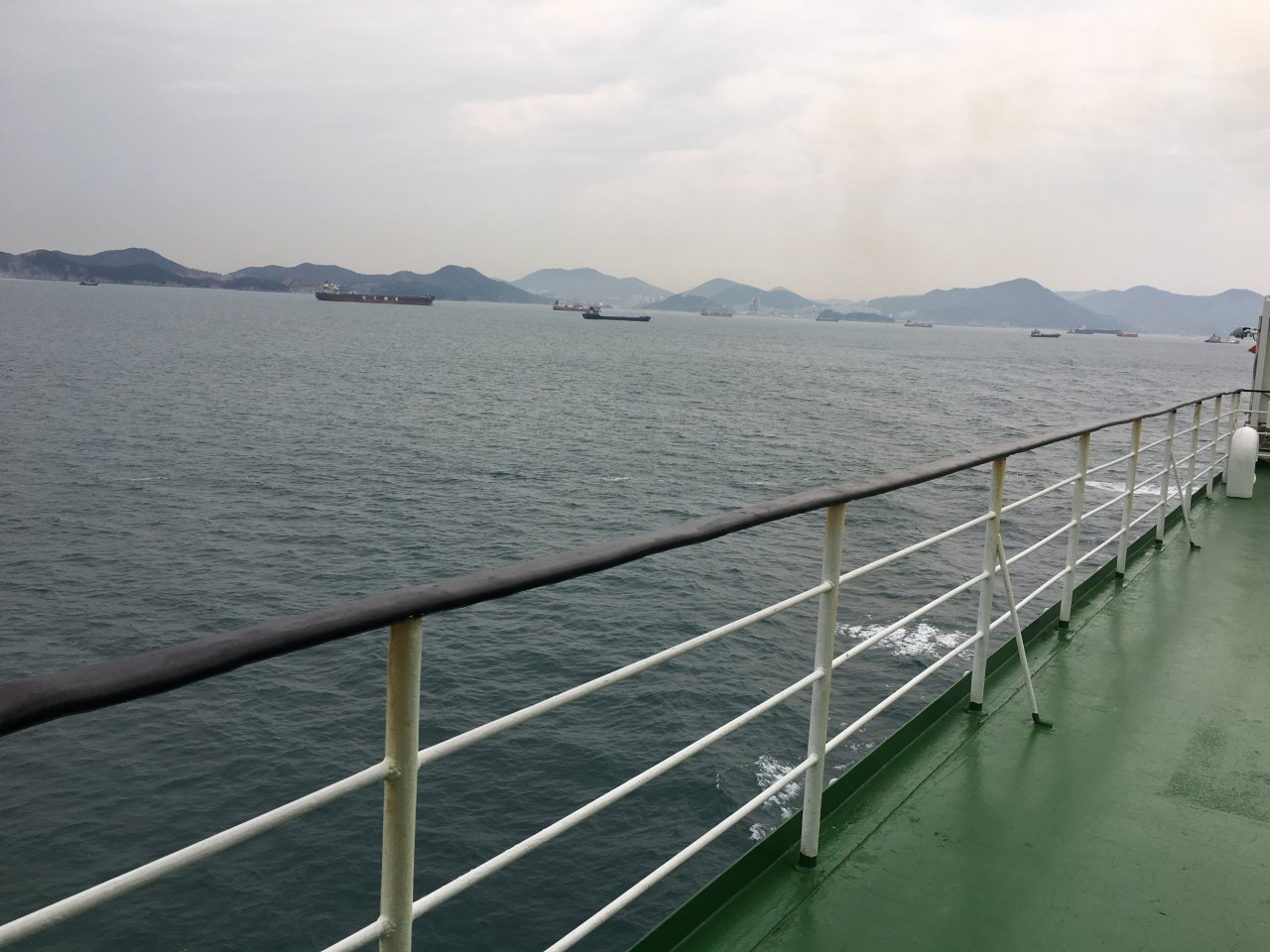
If you have time to spare, it is a travel experience worth trying at least once.
✅ Final Vehicle Loading Checklist
☐ Confirm vehicle booking details
☐ Check the loading deadline
☐ Bring identification
☐ Remove any luggage you will need from the vehicle beforehand
☐ Keep valuables with you
☐ Take a photo of your vehicle’s location
☐ Check special conditions for electric vehicles, roof boxes, and more
☐ Check the disembarkation procedure upon arrival in Jeju
📝 Final Thoughts
Getting the loading time and luggage preparation right is half the battle
Loading a vehicle for the first time may seem complicated, but the most important things are arriving by the loading deadline and preparing the luggage you will need in advance. Before departure, be sure to confirm that access to the vehicle deck is restricted during the voyage after loading and that boarding conditions may vary depending on vehicle height and cargo. Detailed rules may differ by ferry operator, so the most reliable approach is to review the instructions received after booking or the operator’s official notices.


제주의 사계절을 글과 사진으로 담아내는 로컬 크리에이터, 제주 쏭입니다. 도민의 시선으로 직접 검증한 알짜 정보와 따뜻한 일상을 기록합니다. 여행자에게는 유용한 팁을, 이웃에게는 공감을 전하며 머무는 모든 순간이 특별해지는 깊이 있는 여정을 제안합니다.

Comments
0No comments yet.