Even though Jeju in August may still feel like the height of summer, planning a September trip means it is time to start looking for autumn scenery. However, Jeju's autumn flowers do not all burst into bloom as soon as the calendar turns to September. Pampas grass is the first to unfurl its soft plumes, followed by buckwheat blossoms that blanket the fields in white, and finally silver grass that carries the season toward its close in shimmering waves.
So this map is not a list claiming that everything is at its peak in September. Instead, it is closer to a travel plan that follows the deepening of autumn in Jeju from mid-September through October. If you want to see the flowers at their fullest, choose a destination that matches your travel dates.
When is the best time to see Jeju's autumn flowers?
Mid-September Pampas grass is the first to create an autumn atmosphere.
Late September–early October Time to check whether the autumn buckwheat flowers are blooming.
October The best time to see buckwheat blossoms and silver grass together.
October–November Silver grass on the oreums and fields is at its most abundant.
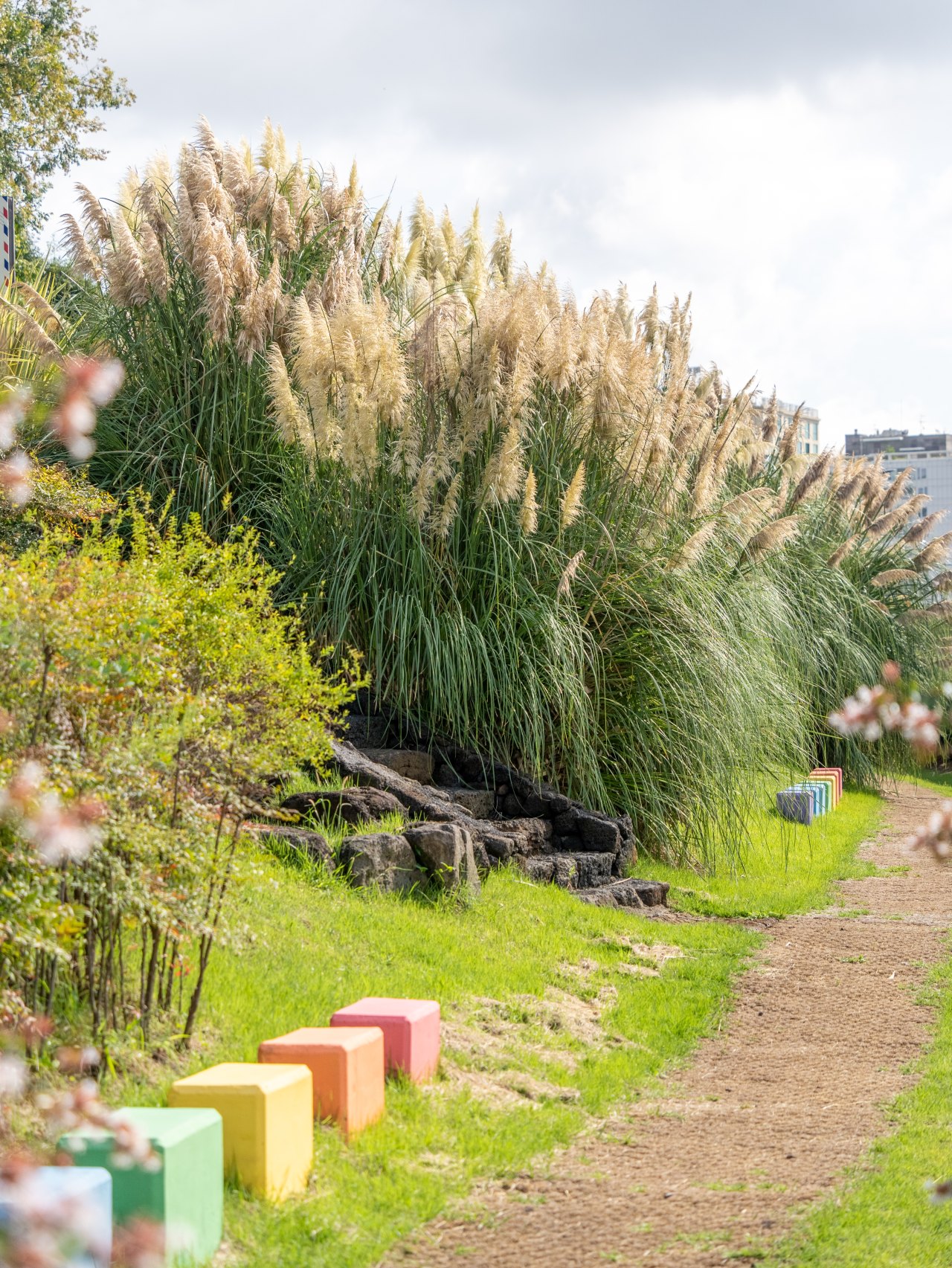
Mid-September: Pampas Reed Garden, the first sign of autumn
If you want an early start to your autumn flower trip in Jeju, Pampas Reed Garden is an ideal choice. Its thick, luxuriant plumes sway in the wind, announcing the change of seasons even under the still-intense sun.
Walk slowly along the paths between the pampas grass and the landscape begins to feel distinctly exotic. In sections where the grass grows taller than you, the surrounding plumes naturally frame the background, making them excellent photo spots. Visit in the late afternoon rather than under the harsh midday light to see the soft texture of the plumes more clearly, while their backlit fibers glow with extra warmth.
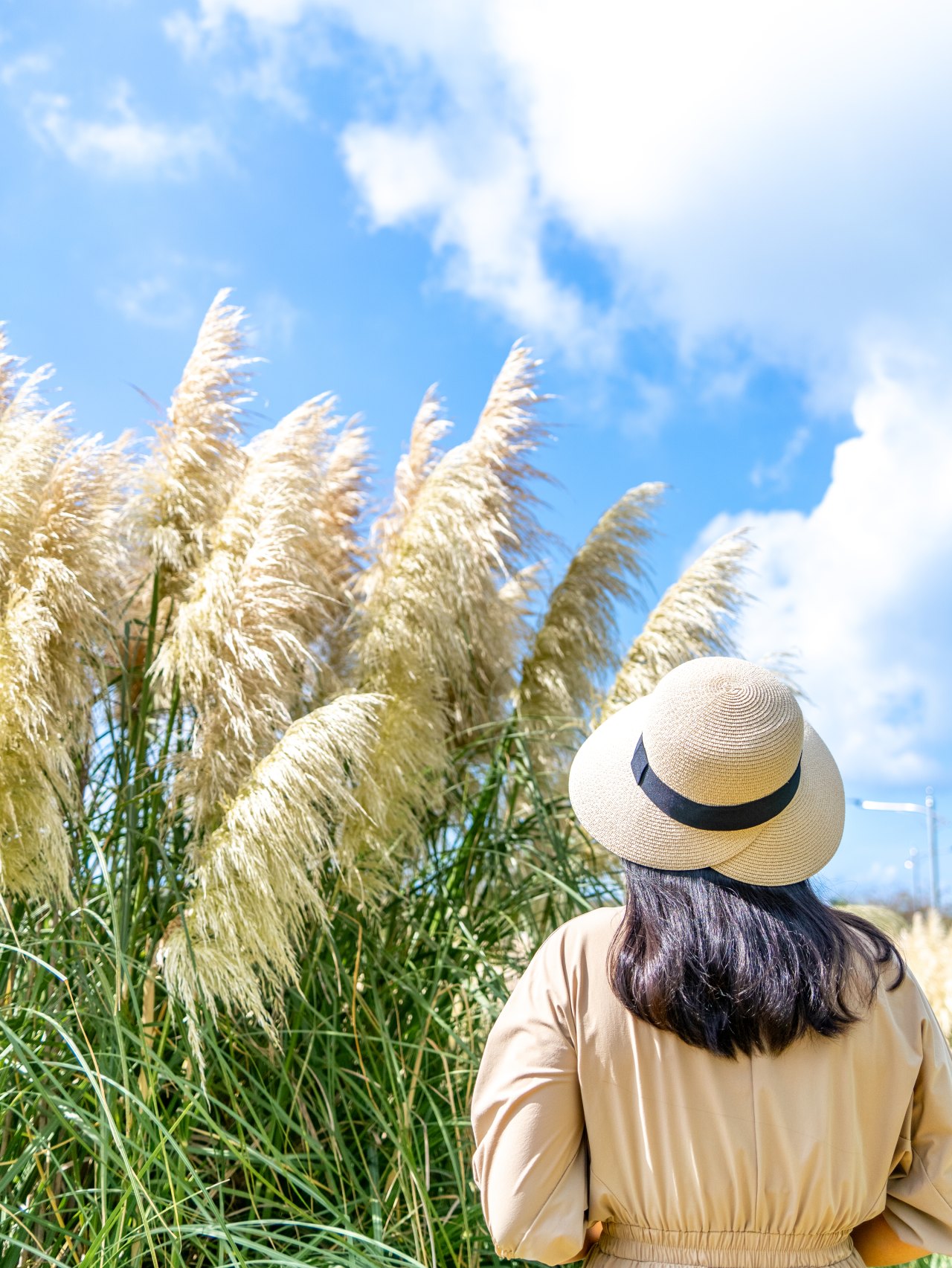
For a mid-September trip, it is realistic to make this your first choice and save the silver grass colonies for your next visit to Jeju. Check the latest information before visiting to confirm whether the garden is open and its viewing hours.
Donggwang Rotary Buckwheat Field, eagerly anticipated from late September
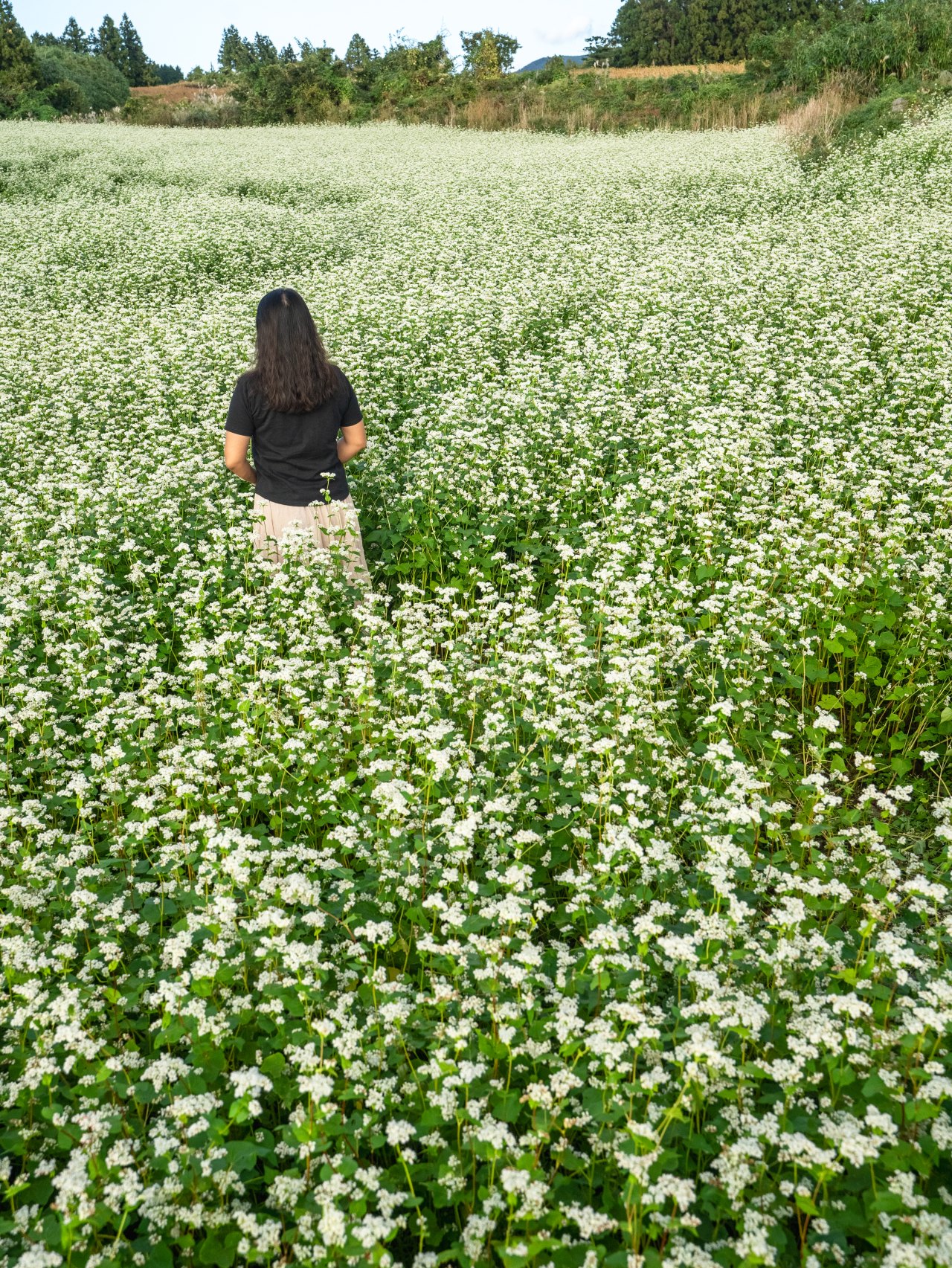
When you pass Donggwang Rotary and come across a field opened wide in white, the view outside the car window suddenly seems a shade brighter. Up close, buckwheat blossoms are modest little flowers, but when they fill a broad field, they bring Jeju's stone walls and low sky together like a painting.
The appeal of this place lies less in spending a long time at the destination and more in stopping briefly during a drive to take in the season. It fits naturally into an itinerary toward Sanbangsan, Andeok, or western Seogwipo. Admire the view from the edge of the flower field and capture both the paths running between the plots and the atmosphere of the surrounding farmland.
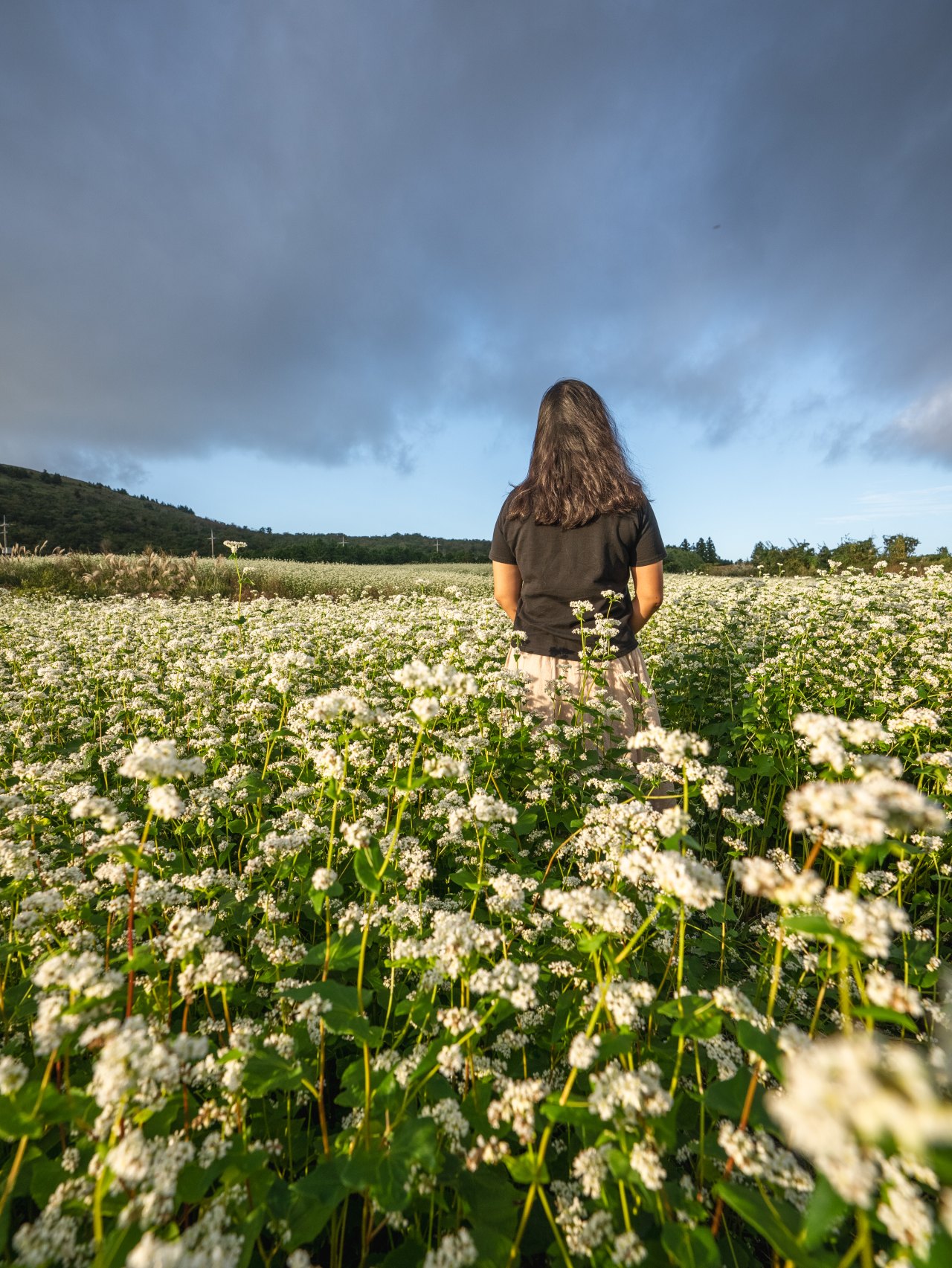
Buckwheat fields are often privately owned farmland, so the planting locations and flowering periods may change every year. Rather than entering the field when you arrive, view it only from permitted paths and edges, and park where your vehicle will not obstruct traffic.
Strolling through a stone-wall village at Waheul Buckwheat Village
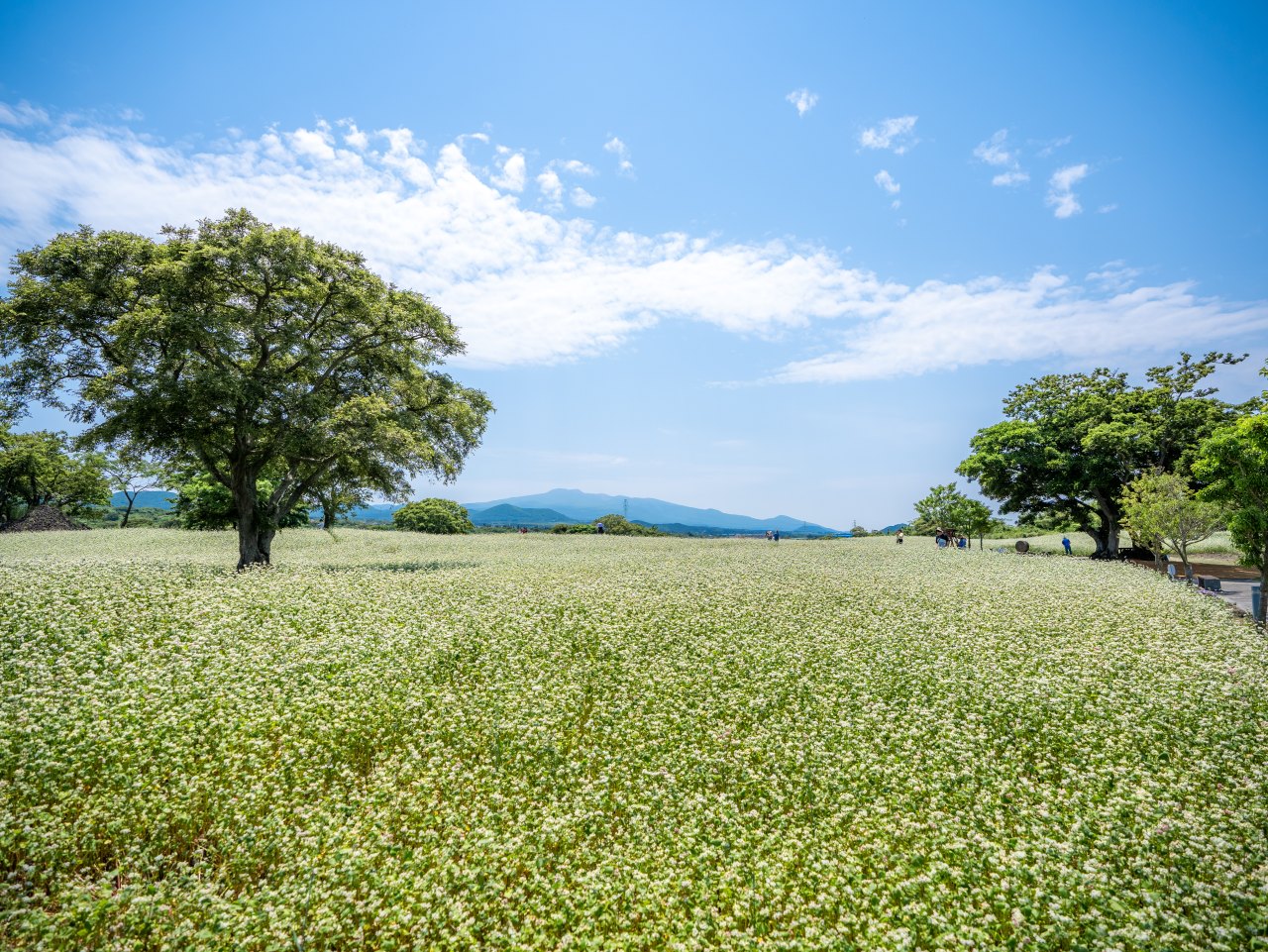
Waheul Buckwheat Village is a place best explored slowly at the pace of the village, rather than turning back after seeing just one flower-field view. Beyond the white buckwheat blossoms, stone walls, trees, and low houses continue into the distance, presenting a tranquil side of Jeju that differs from its more vibrant tourist attractions.
Buckwheat flowers bloom twice a year, in spring and autumn, but the autumn flowering period is heavily affected by sowing dates and weather. If you are traveling in late September, be sure to check recent photos or village updates before setting out. When the timing is right, the contrast between the white fields and blue sky becomes vivid, while cloudy and clear days each create a different mood.
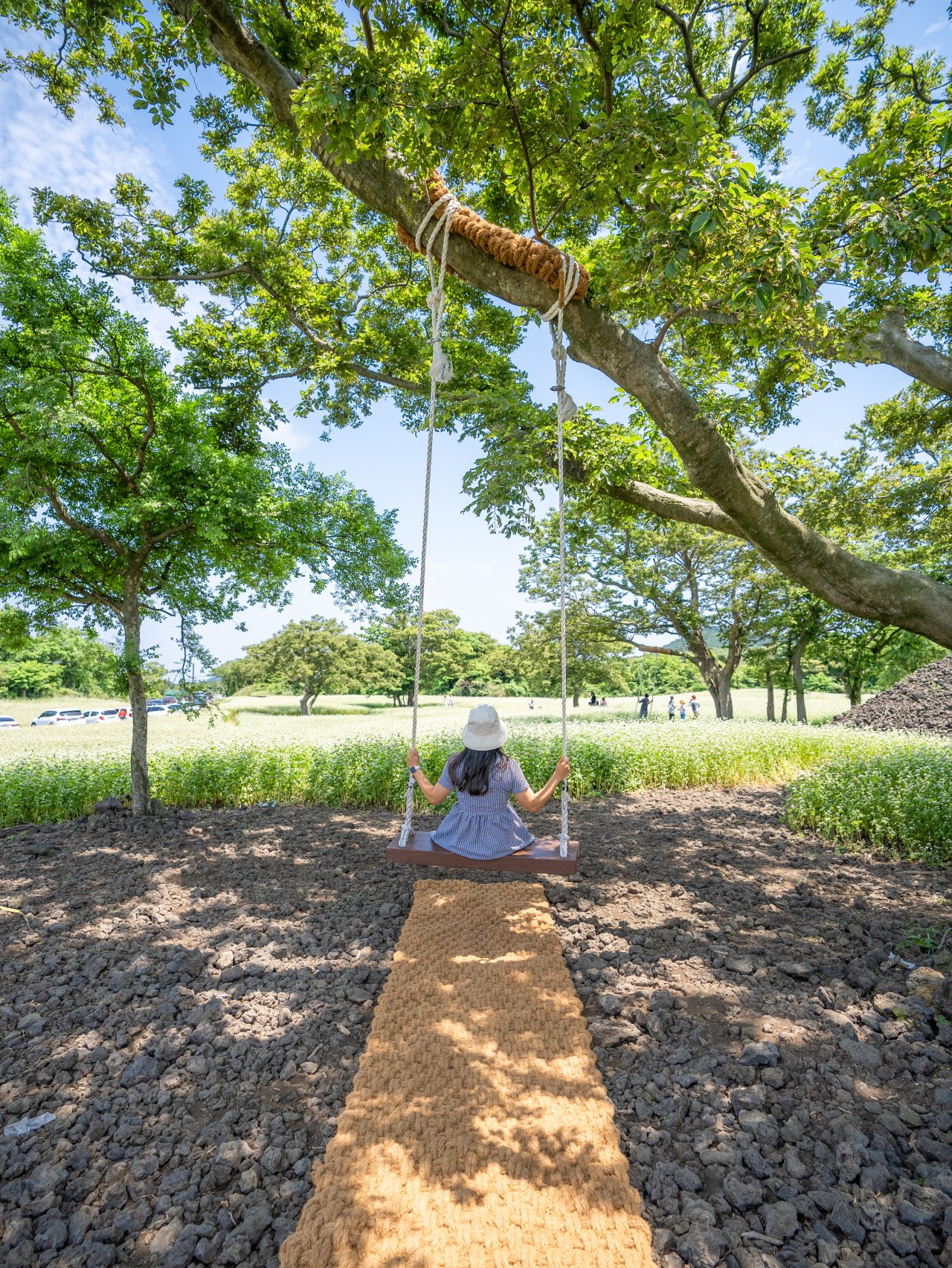
A calm morning is ideal for close-up photos of the buckwheat flowers' delicate shapes, while in the afternoon, low-angled light reveals the contours of the fields. Whatever time you visit, the priority is to avoid stepping on crops or picking flowers and to respect the residents' living spaces.
Eoeum-ri Silver Grass Colony, a silver field in October
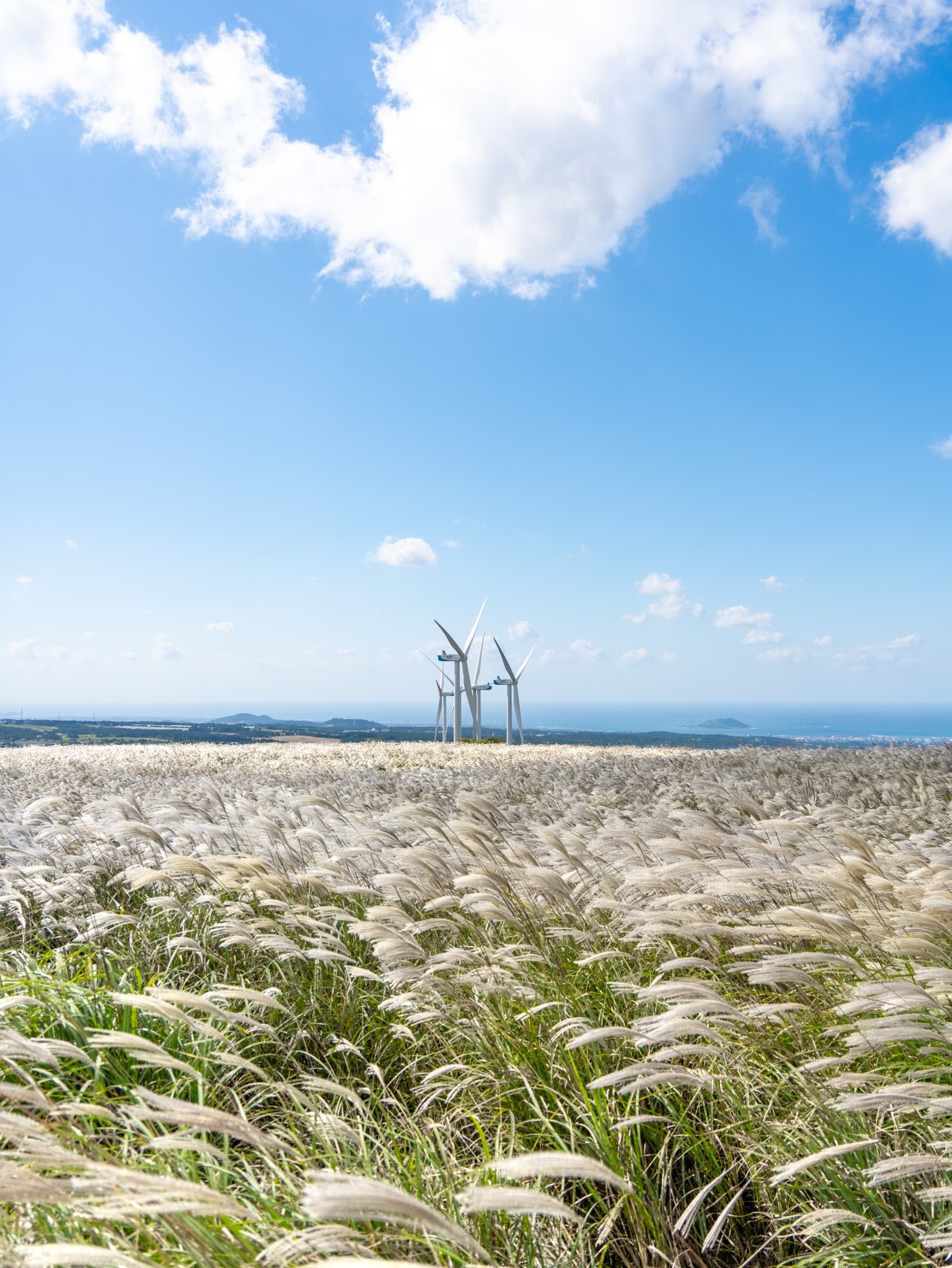
Silver grass begins to raise its plumes gradually from late September, but the true spectacle of the Eoeum-ri fields usually becomes more pronounced as October approaches. Filling the wide-open fields, the grass bends and rises in one direction whenever the wind passes through, moving like enormous waves.
This is less like a park with well-maintained walking trails and facilities and more like a place to encounter Jeju's expansive fields. That makes it feel more natural and peaceful, but you should check accessible routes and parking areas in advance. The ground may become muddy after rain, so comfortable walking shoes are a better choice than light-colored footwear.
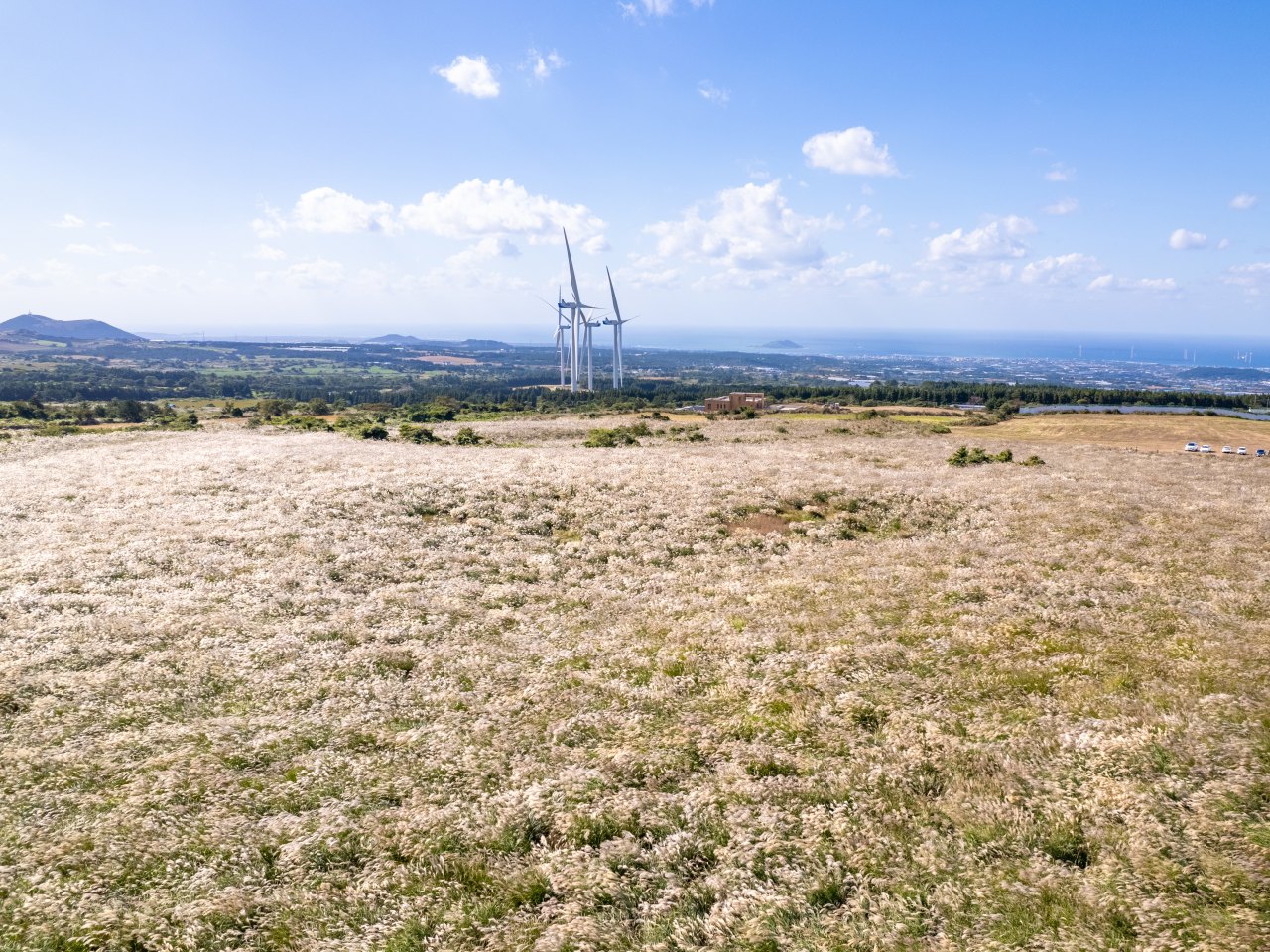
The best time for photos is when the sun begins to set. With front lighting, the shapes of the grass are clearly defined; with backlighting, the plumes glow silver. In Jeju's windy mid-mountain areas, a lightweight outer layer is more reassuring than you might expect.
Ttarabi Oreum, the final scene of a silver grass journey
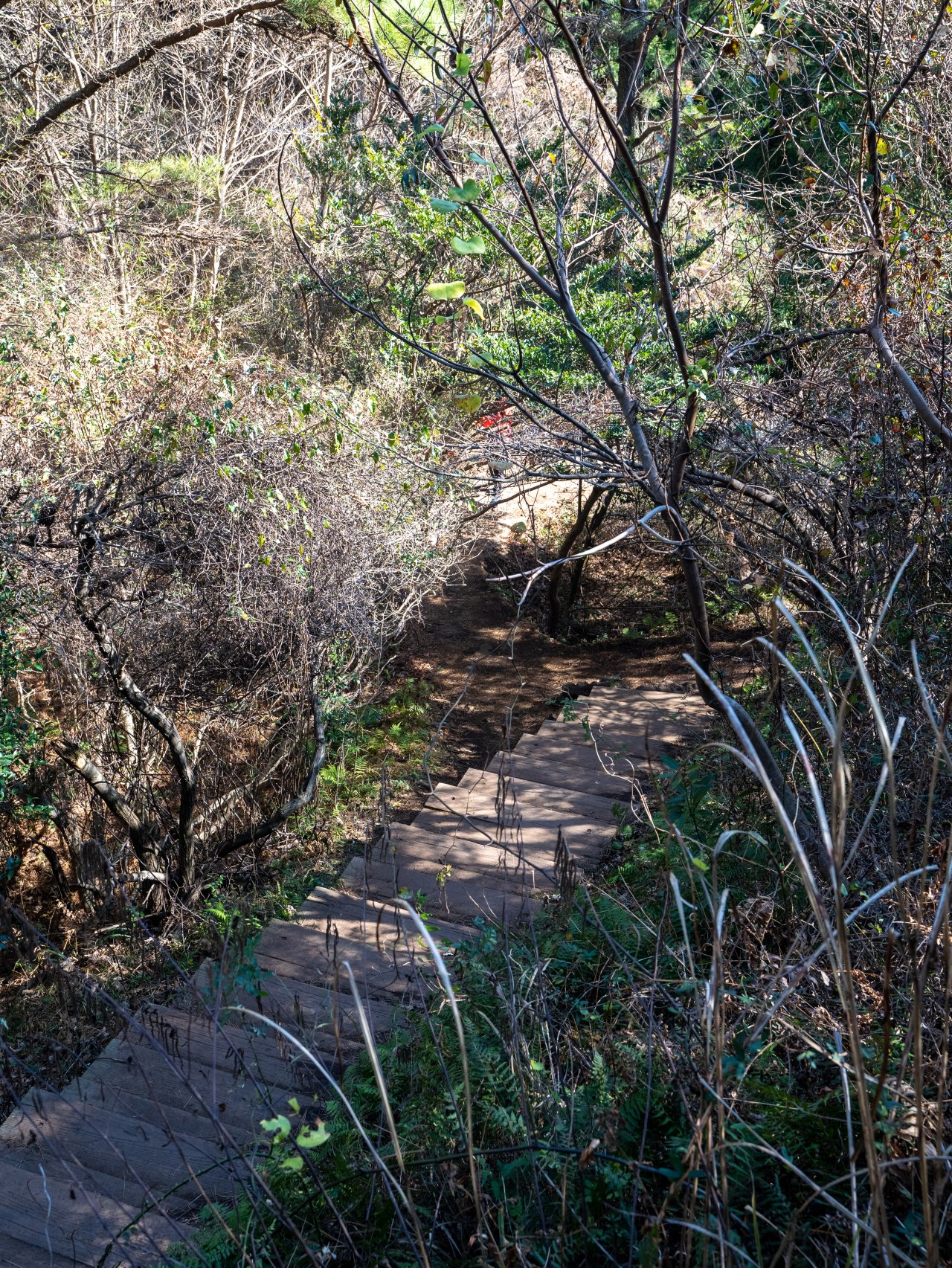
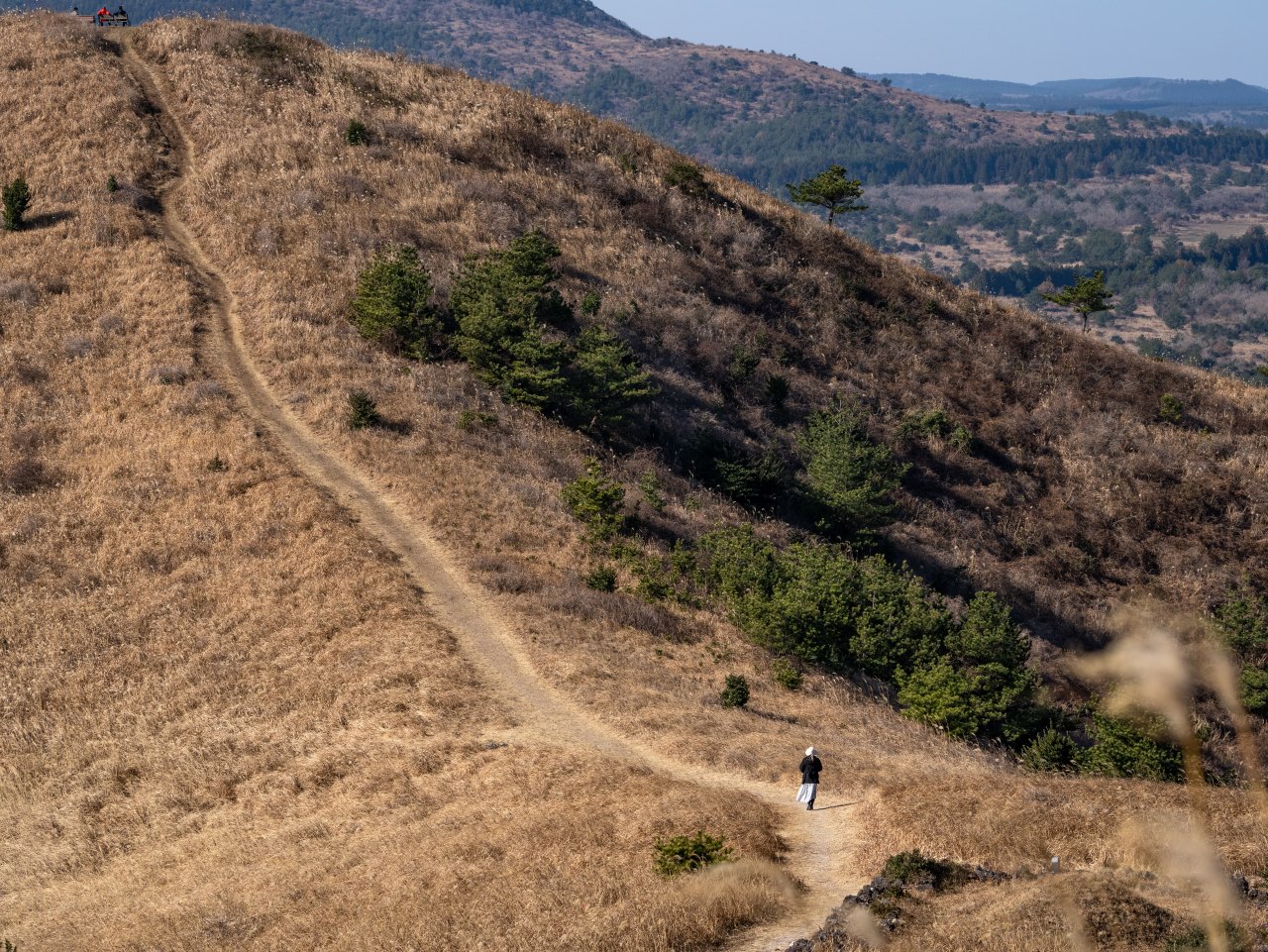
After admiring flower fields on level ground, finish by walking up Ttarabi Oreum and entering the scenery itself. Its gentle ridgelines connect three craters and several peaks, so the view continually changes depending on the direction you walk. As you follow the path through the silver grass and approach the summit, a sweeping view of Jeju's southeastern mid-mountain region opens up as well.
The silver grass at Ttarabi Oreum grows fuller in October and November. In late September, you can see early autumn greenery mingling with newly emerging plumes, but October or later is more reliable if you are hoping for waves of silver. As the walk takes longer than visiting a level flower field, bring water and comfortable shoes, and allow enough time to descend before it gets dark after sunset.
Recommended combinations by travel date
Mid-September Start with an easy visit centered on Pampas Reed Garden
Late September Check the latest flowering conditions and choose between pampas grass and buckwheat fields
Early to mid-October Combine buckwheat blossoms with Eoeum-ri's silver grass
Late October–November Enjoy a deeper silver grass journey centered on Ttarabi Oreum
What to check before setting out
Flowering periods vary with the weather and sowing schedule, so check the latest visitor photos.
View farmland and private property only from permitted paths, and do not pick flowers.
Bring a lightweight outer layer, as wind and temperatures can change significantly in the mid-mountain areas.
When parking, leave enough room for farm machinery and residents' vehicles to pass.
September in Jeju is less like a fully formed autumn and more like the moment when summer and autumn exchange places. Some days remain hot enough to bring the sea to mind first, while on other afternoons, hints of autumn light appear at the tips of the pampas grass and along the oreum ridges.
That is why a September autumn flower trip in Jeju is less about confirming peak bloom and more about enjoying the changing direction of the season. Choose one flower that suits your travel dates and set out, leaving later-blooming landscapes for another itinerary. Autumn does not arrive in Jeju all at once, so there is no need to hurry.

제주살이 10년 차, 일상 속 여행을 기록하는 크리에이터입니다. 바다와 바람, 낯선 골목에 스며든 제주를 좋아하고, 그 안에서 느꼈던 순간들을 글과 사진으로 전하고 있어요. 여행지보다는 여행의 온도를 담는 일을 합니다.

Comments
0No comments yet.