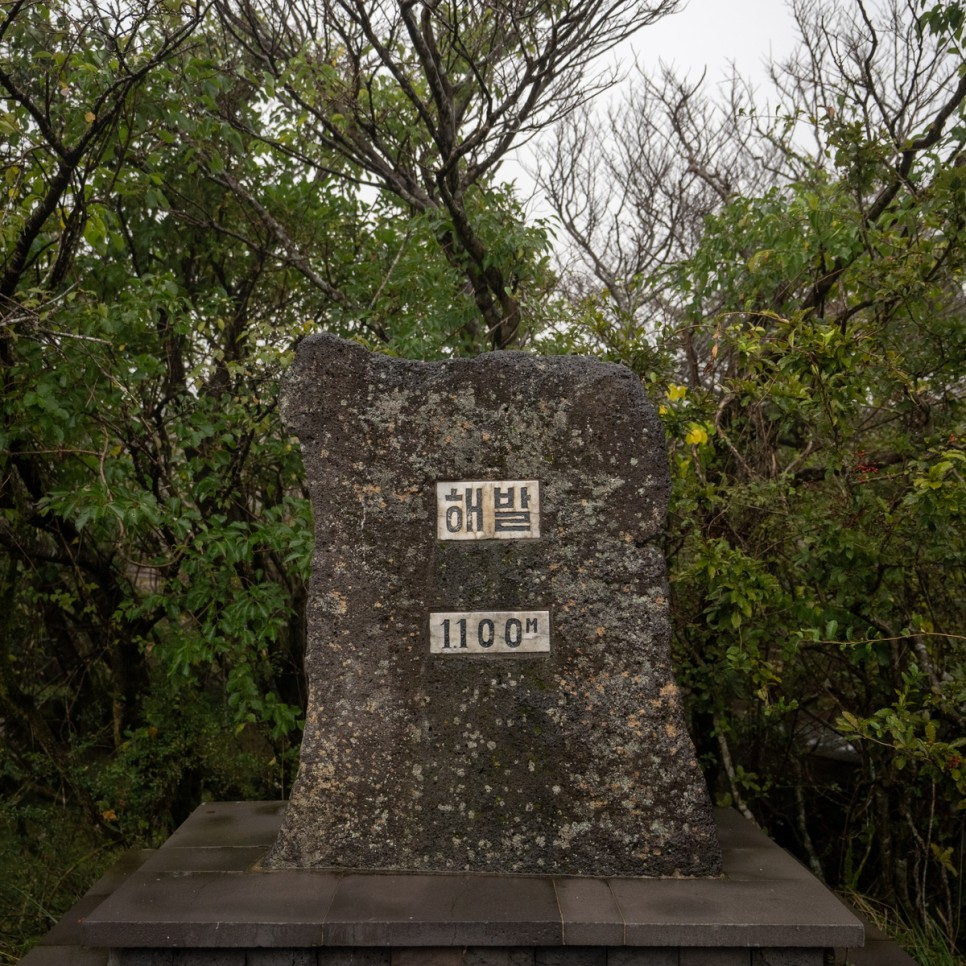
Following the 1100 Road that connects Jeju City to Jungmun in Seogwipo City, you’ll find the 1100 Highland Wetland at the highest point.
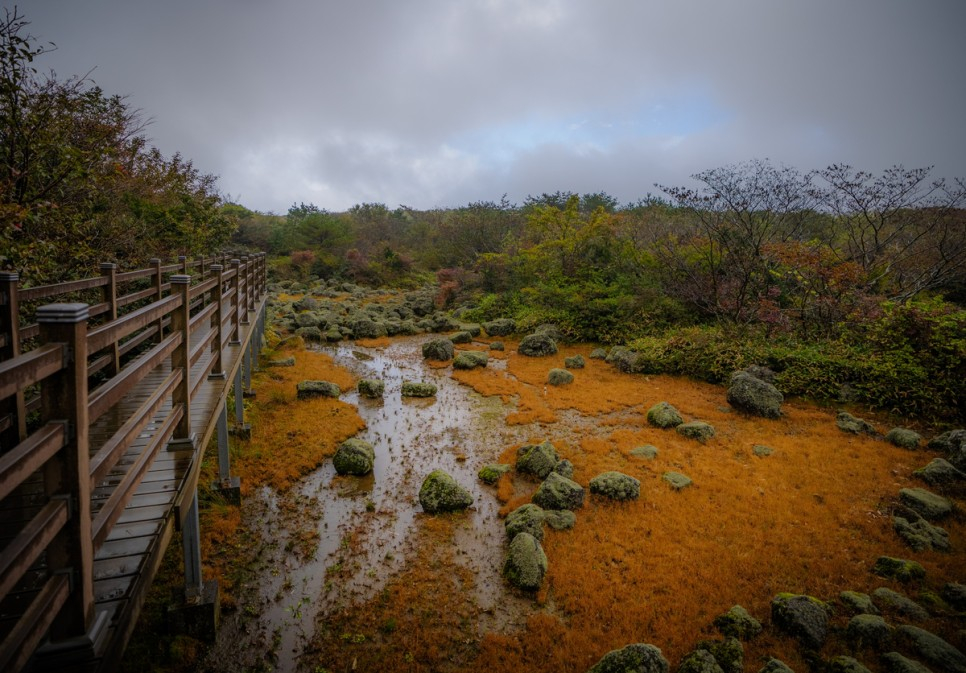
Because wetlands like this don’t form easily in high-altitude areas, it’s not a common sight. Considering that, as a volcanic island, Jeju has many landforms where water doesn’t easily collect, this is a truly unique landscape.
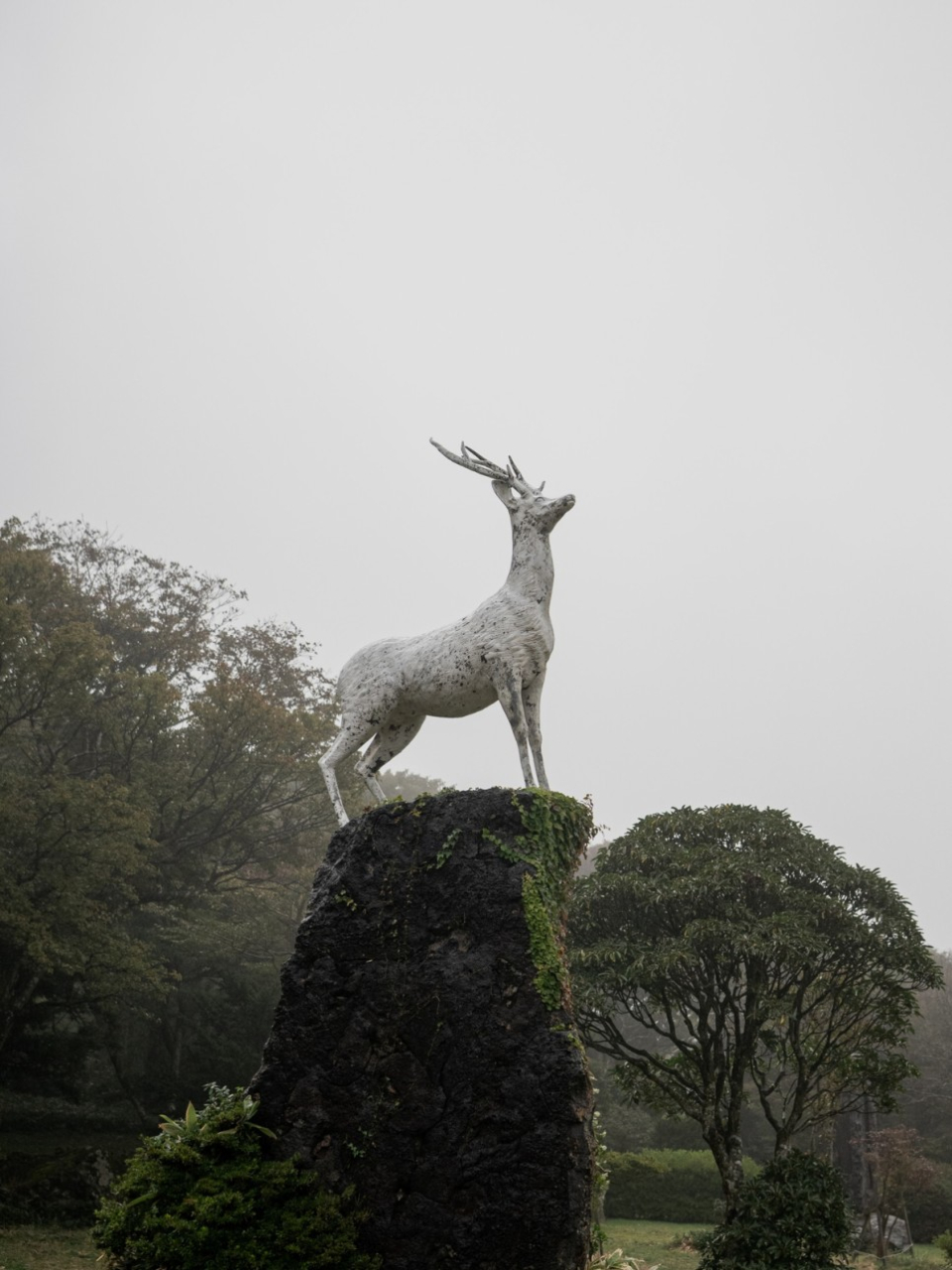
As you head up Hallasan along the 1100 Road, you’ll come to the Octagonal Rest Area. After seeing the Baengnok statue—the symbol of the 1100 Highlands—cross to the wetland on the opposite side.
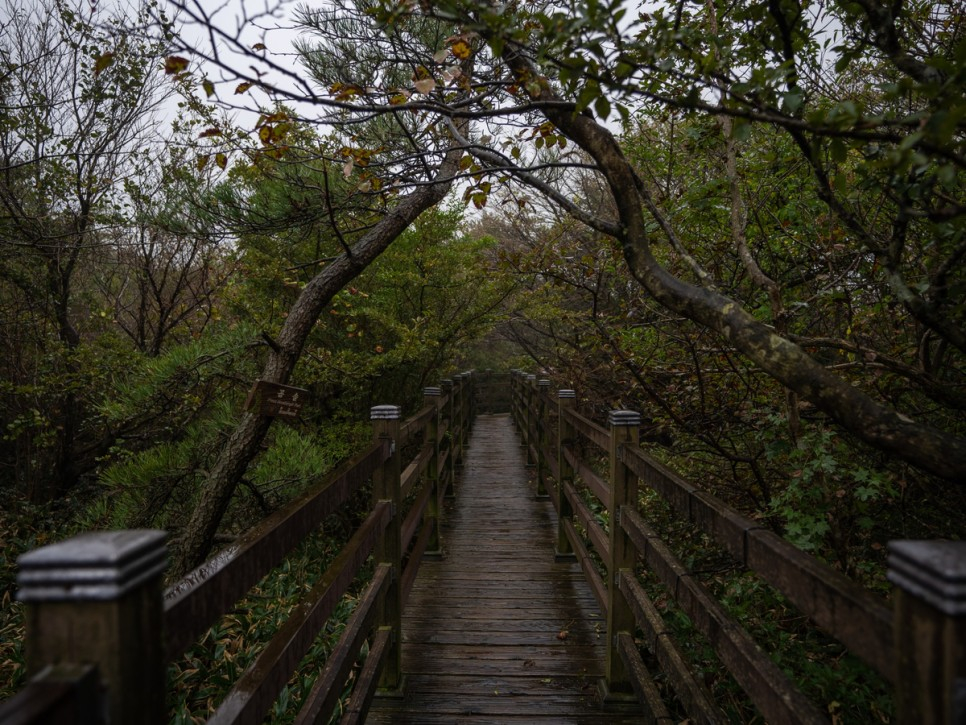
A well-maintained walking path circles the wetland. The loop takes only about 15 minutes, making it perfect for a simple stroll and a quick look around.
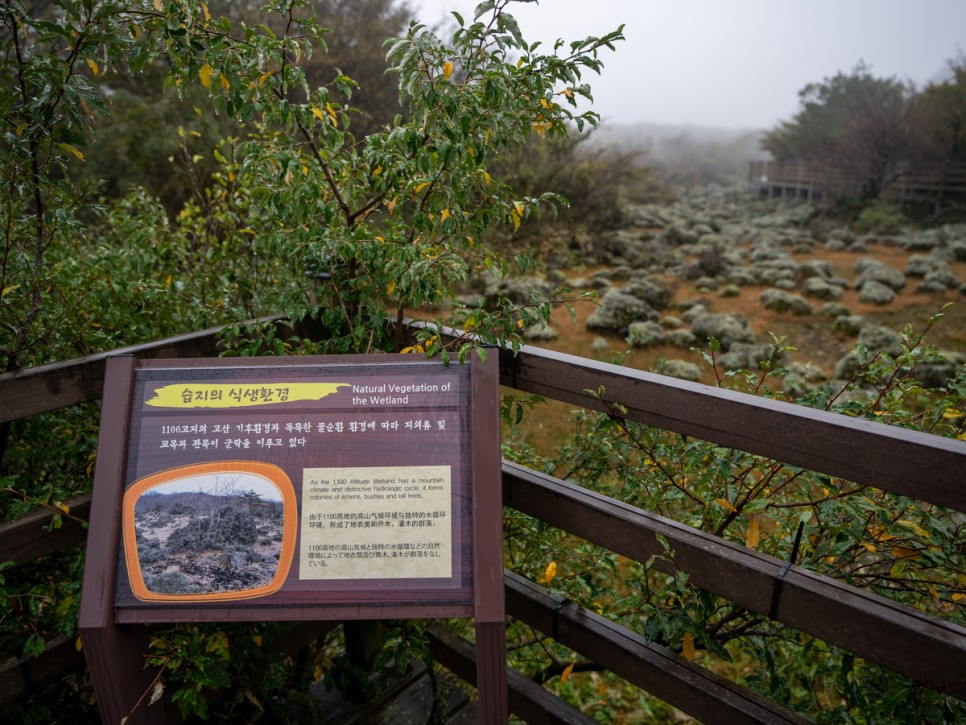
An alpine wetland like this helps create a diverse ecosystem, and the 1100 Highland Wetland is home to Class 1 endangered wildlife found only on Hallasan. In 2009, its value was recognized and it became Korea’s 12th site registered as a Ramsar Wetland.
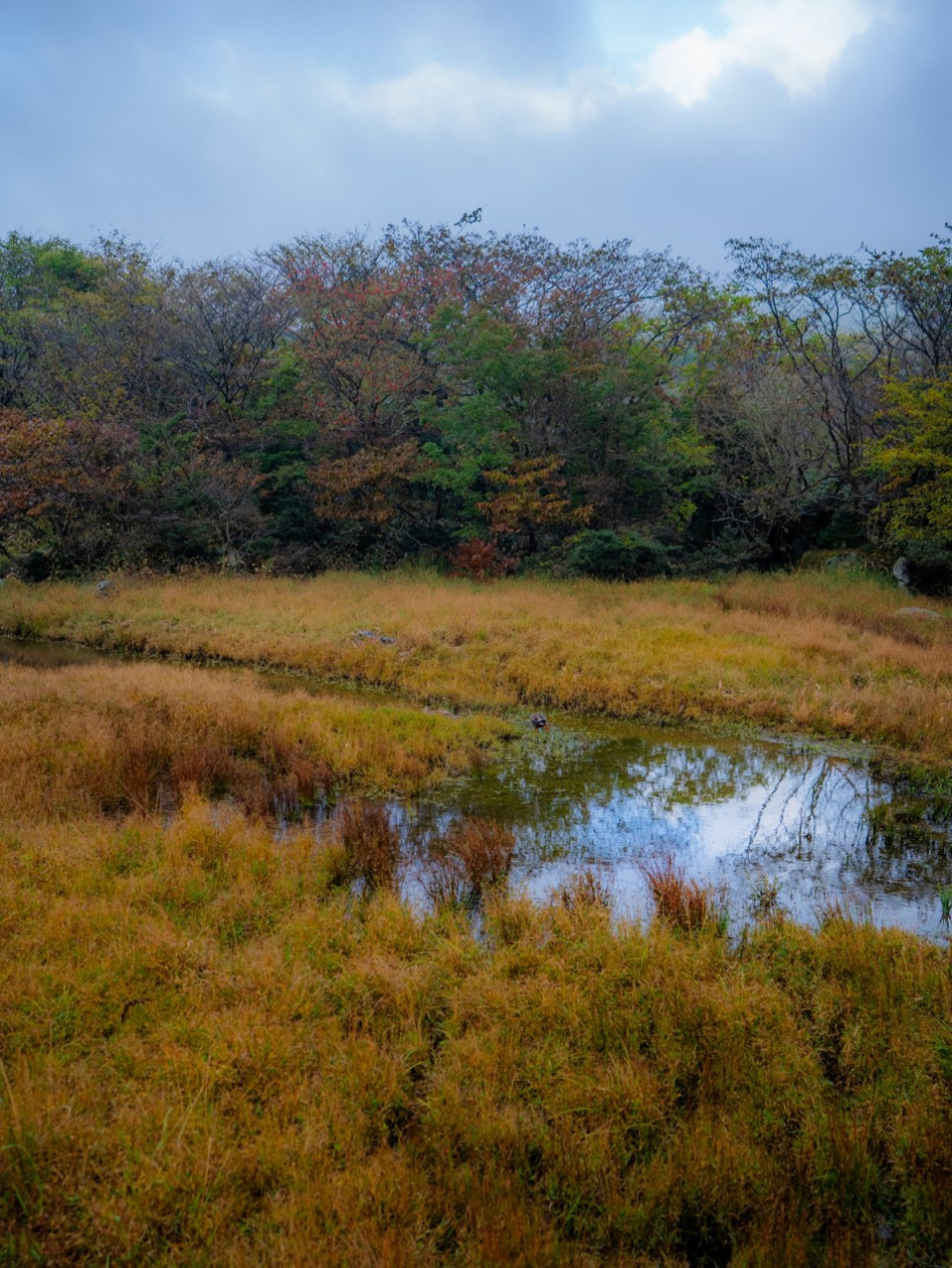
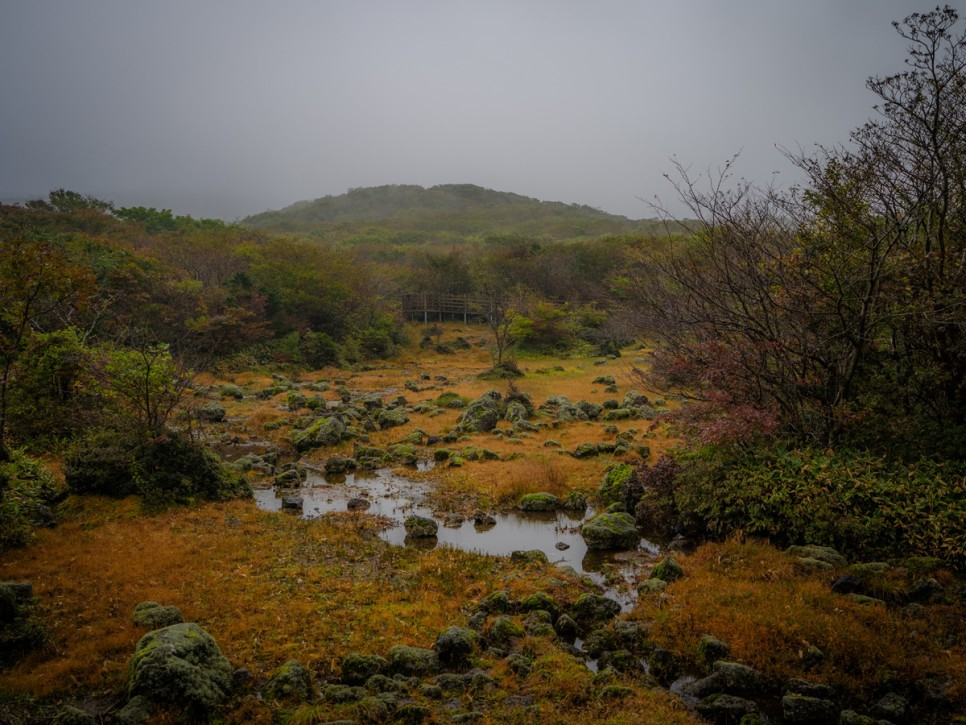
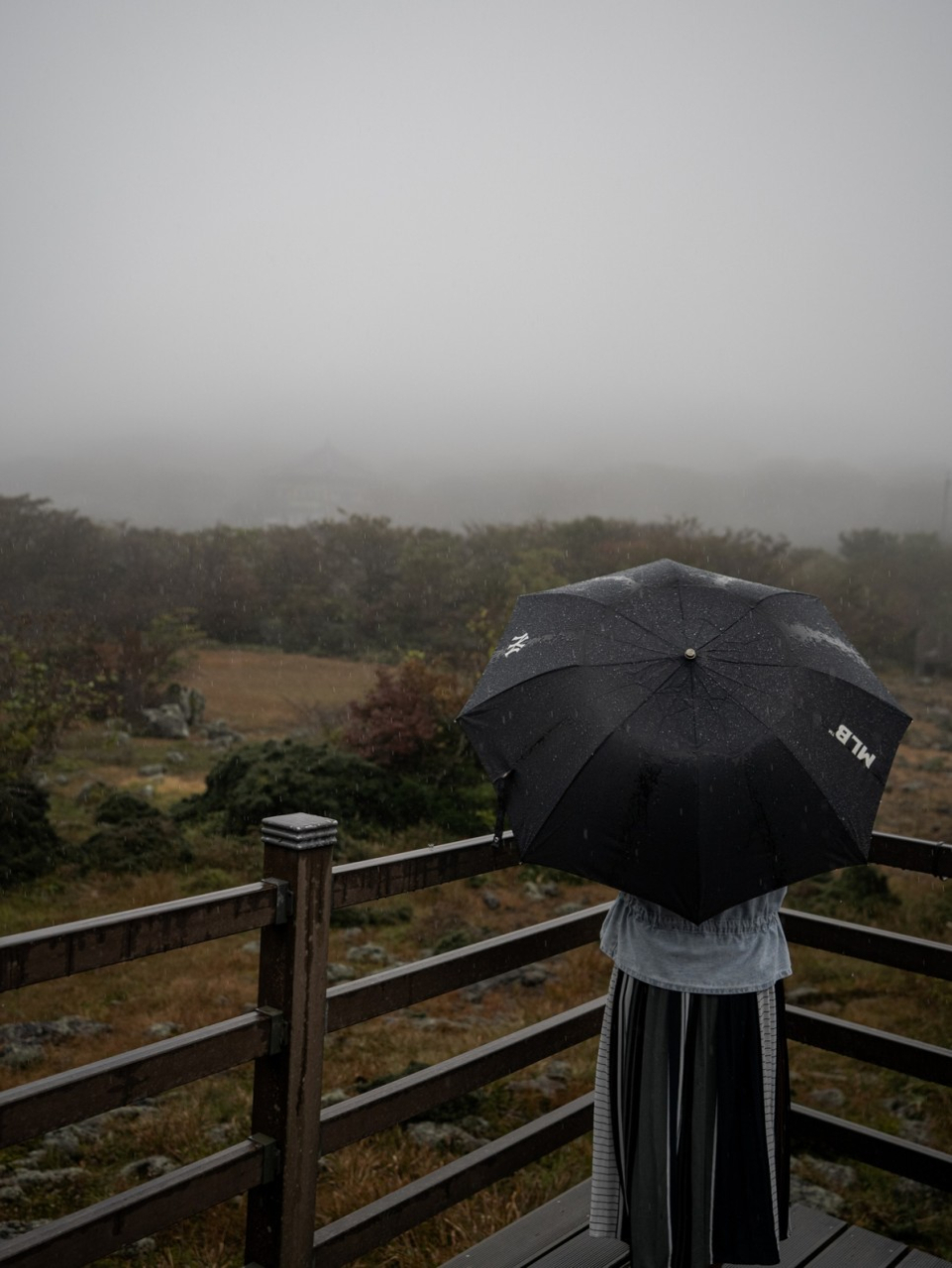
The wetland is lovely on clear days too, but it’s especially beautiful in the rain—when the water ripples and mist settles in, adding even more atmosphere.
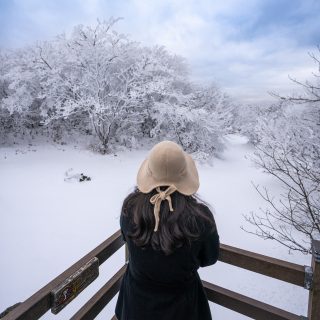
A 대표 natural attraction in Jeju located midway along 1100-ro in Seogwipo. It’s one of the rare mountain wetlands formed in a high-altitude zone in Korea, allowing visitors to experience a montane wetland up close. Recognized for its high ecological value, it was designated as a Ramsar Wetland in 2009. Anyone can enjoy an easy walk along the wooden boardwalk while taking in the wetland and the nature of Hallasan. The trail is short at about 675 m, but its biggest charm is how completely different it feels in every season. In winter, it’s counted among Jeju’s top snowy scenery spots thanks to snow-covered trees and rime ice, while in summer it’s a popular healing walk thanks to the cool highland breeze. With a parking lot and rest area right nearby, it’s highly accessible and makes a great stop on a mid-mountain drive route in Jeju.
플레이스 보기

제주살이 10년 차, 일상 속 여행을 기록하는 크리에이터입니다. 바다와 바람, 낯선 골목에 스며든 제주를 좋아하고, 그 안에서 느꼈던 순간들을 글과 사진으로 전하고 있어요. 여행지보다는 여행의 온도를 담는 일을 합니다.

Comments
0No comments yet.