Early in the morning, I headed to Baegyak-i Oreum. I’d long wanted to visit both Yongnuni Oreum and Baegyak-i Oreum, but with Yongnuni Oreum entering its nature rest-year period this year and no longer open for climbing, I found myself worrying that Baegyak-i Oreum might end up off-limits as well.
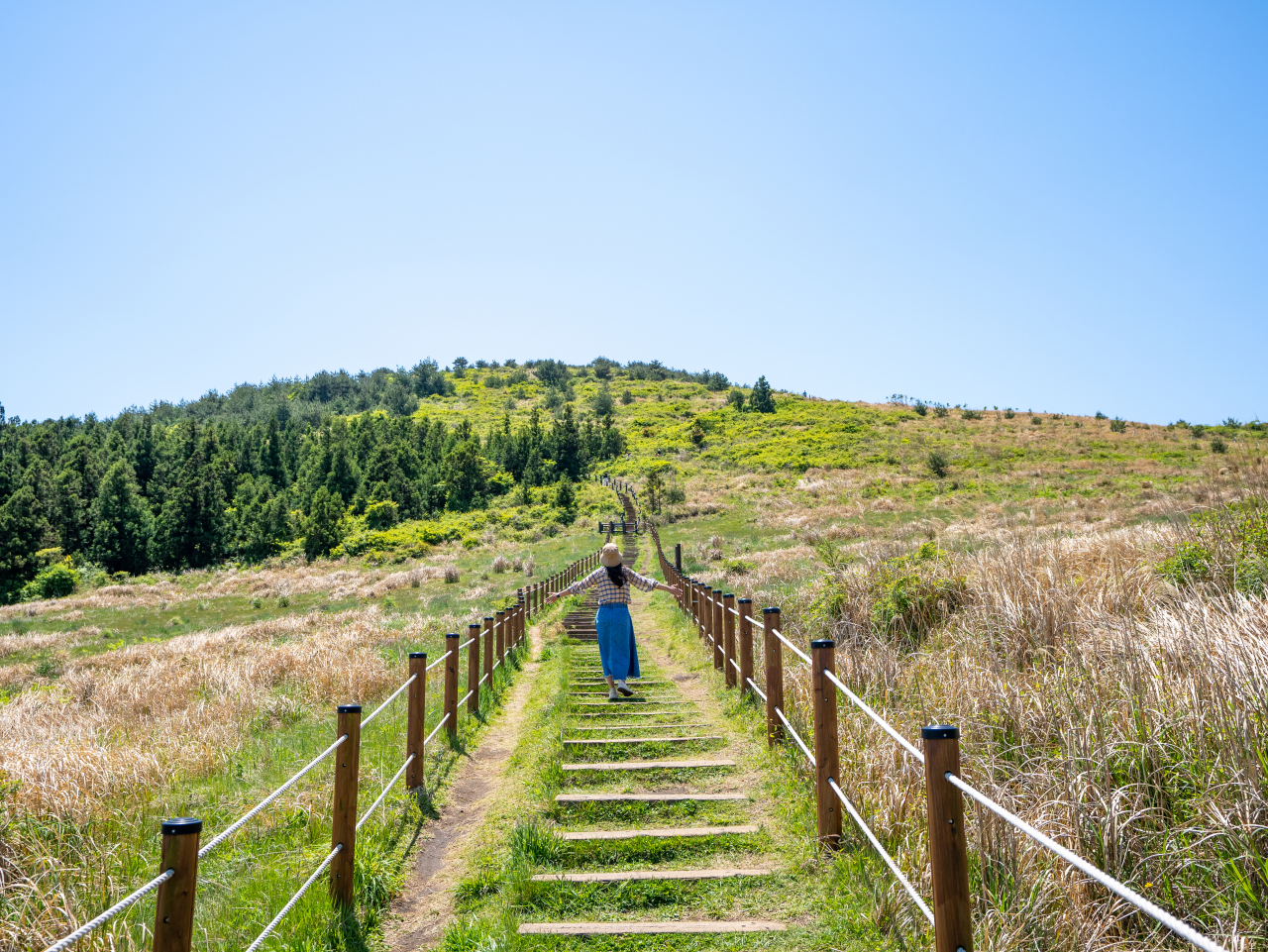
Seen from the trailhead, Baegyak-i Oreum was beautiful—even the path up was a view in itself. That said, because you’re walking across open grassland rather than a shaded forest path, it doesn’t look like an easy climb in midsummer.
They say Baegyak-i Oreum got its name because it was known for having many medicinal herbs. In fact, inside the crater (geumburi)—which is currently closed off—lots of medicinal plants are still growing.
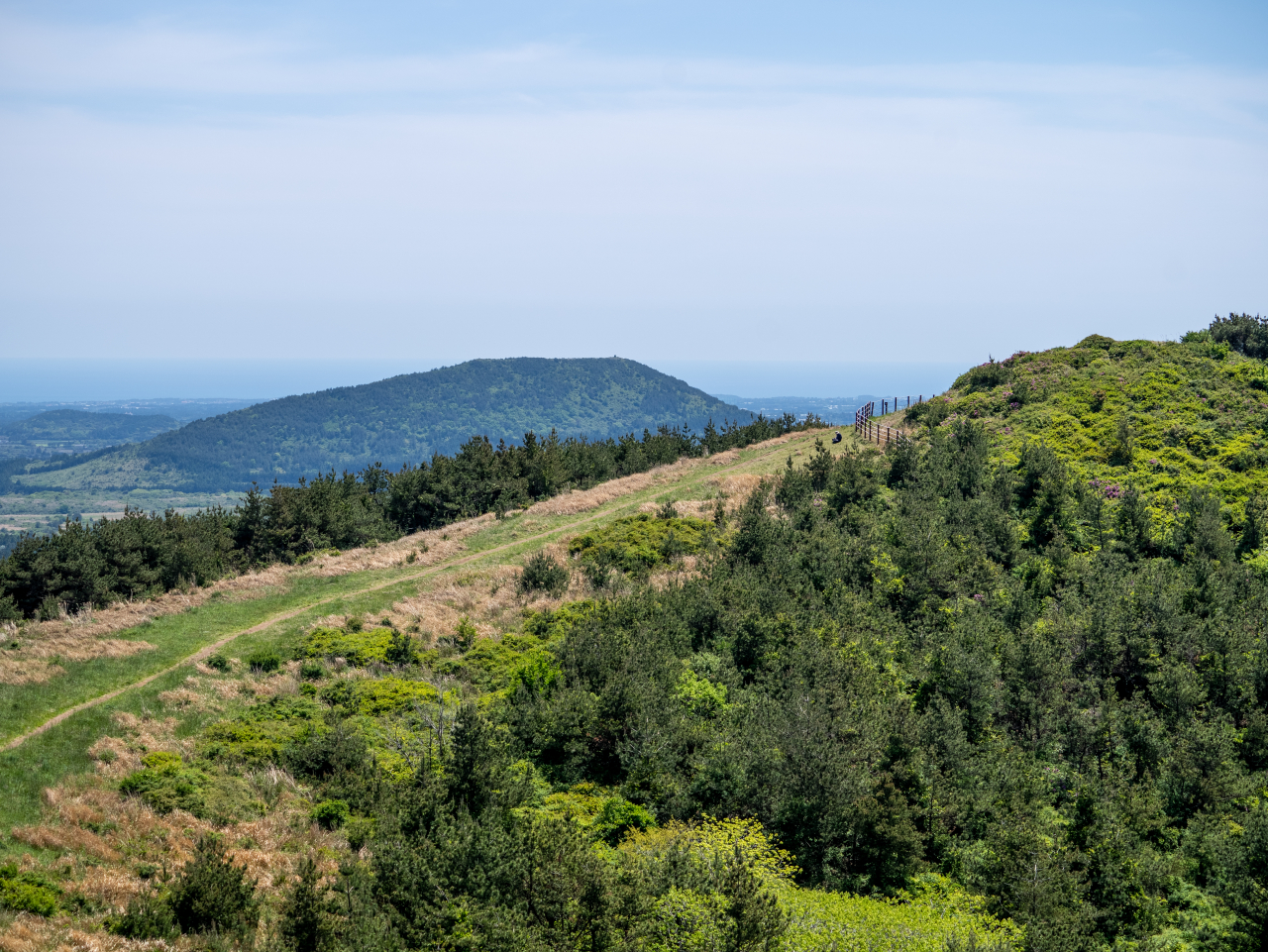
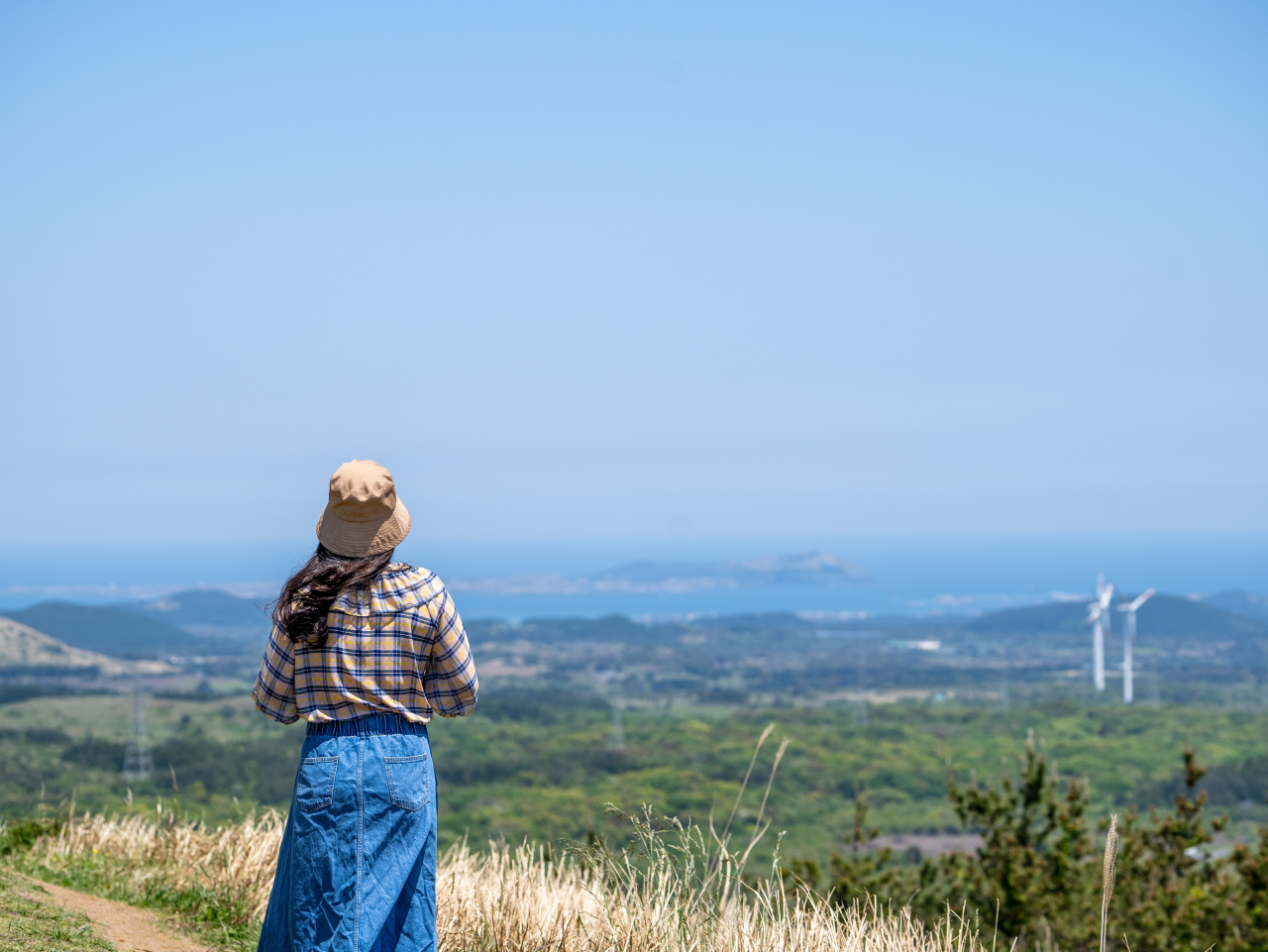
At the top of Baegyak-i Oreum, there was nothing blocking the view—Jeju’s eastern scenery spread out in one sweeping panorama. Where else on Jeju could you climb an oreum and see a vista like this? Everywhere your eyes land is beautiful.
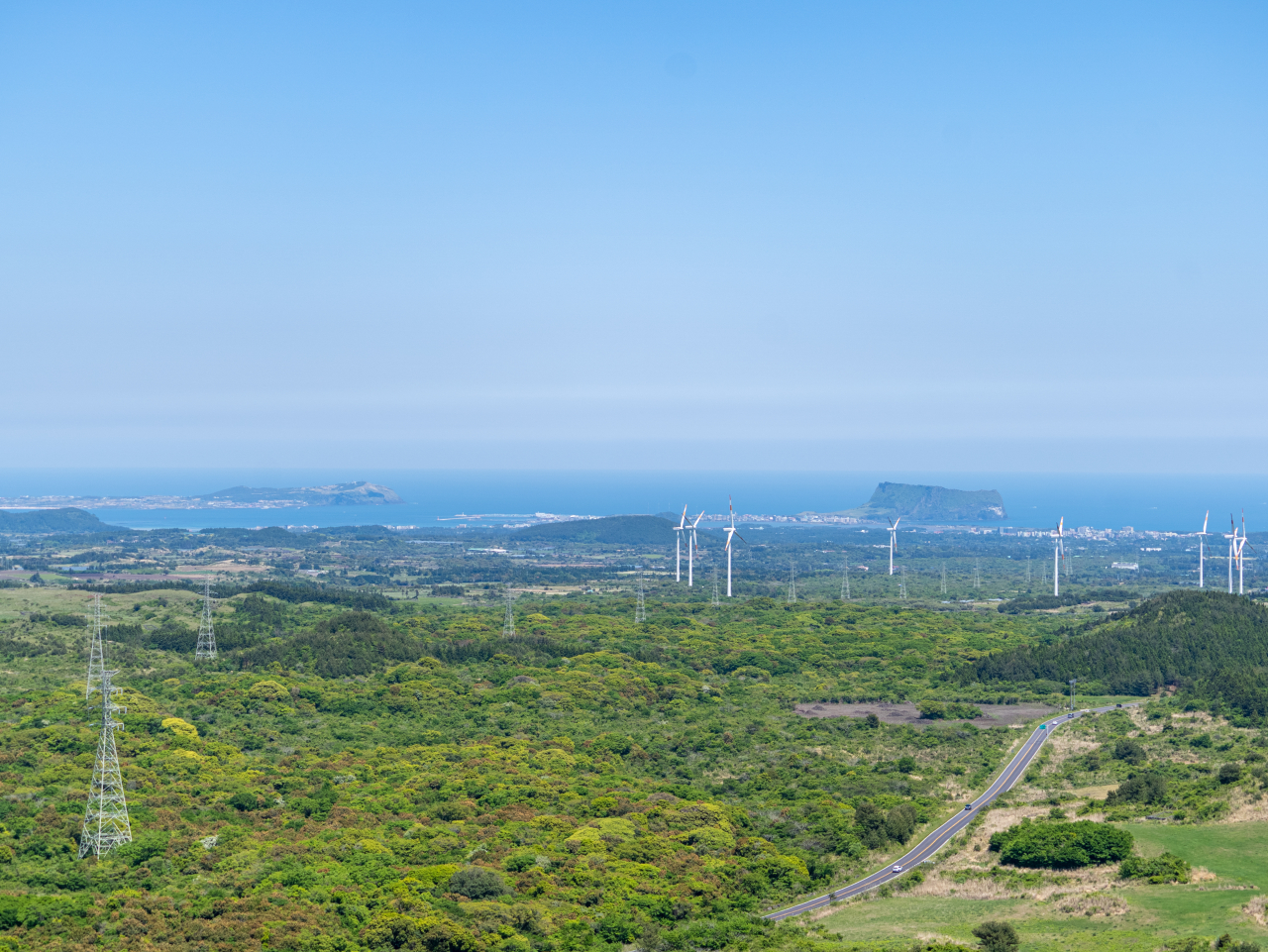
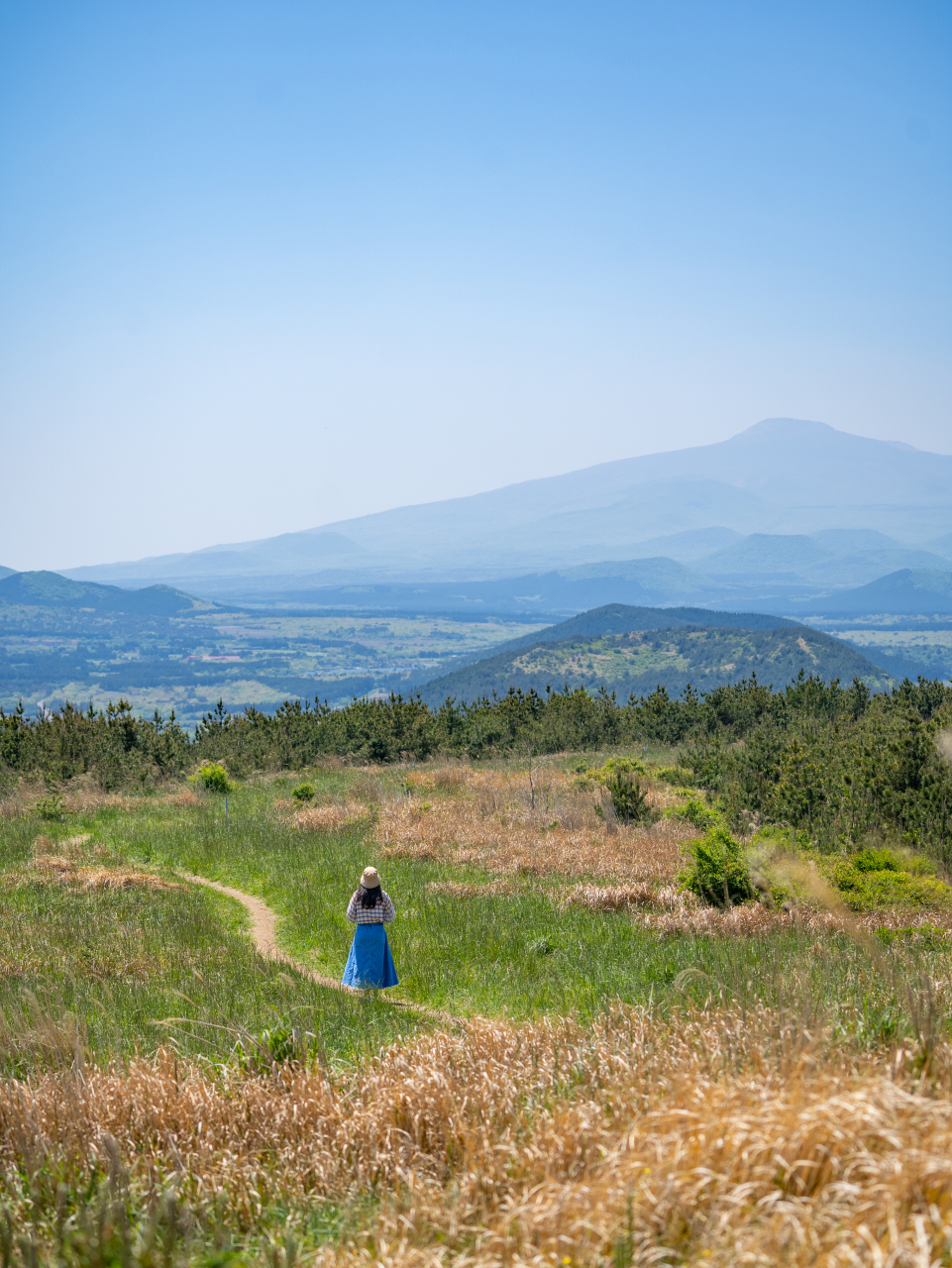
At the summit, a rim trail runs along the huge geumburi (crater), and it took about 20 minutes to walk it. It took 20 minutes to climb up, and another 20 minutes to do the loop.
After walking the trail, I unfolded a chair and sat on a hill with a great view. Sometimes I fall into Jeju’s nature like this. I wasn’t thinking about anything in particular, but without realizing it, I was daydreaming.
To cool down from the sweat I’d worked up climbing Baegyak-i Oreum, we headed to Manjanggul.
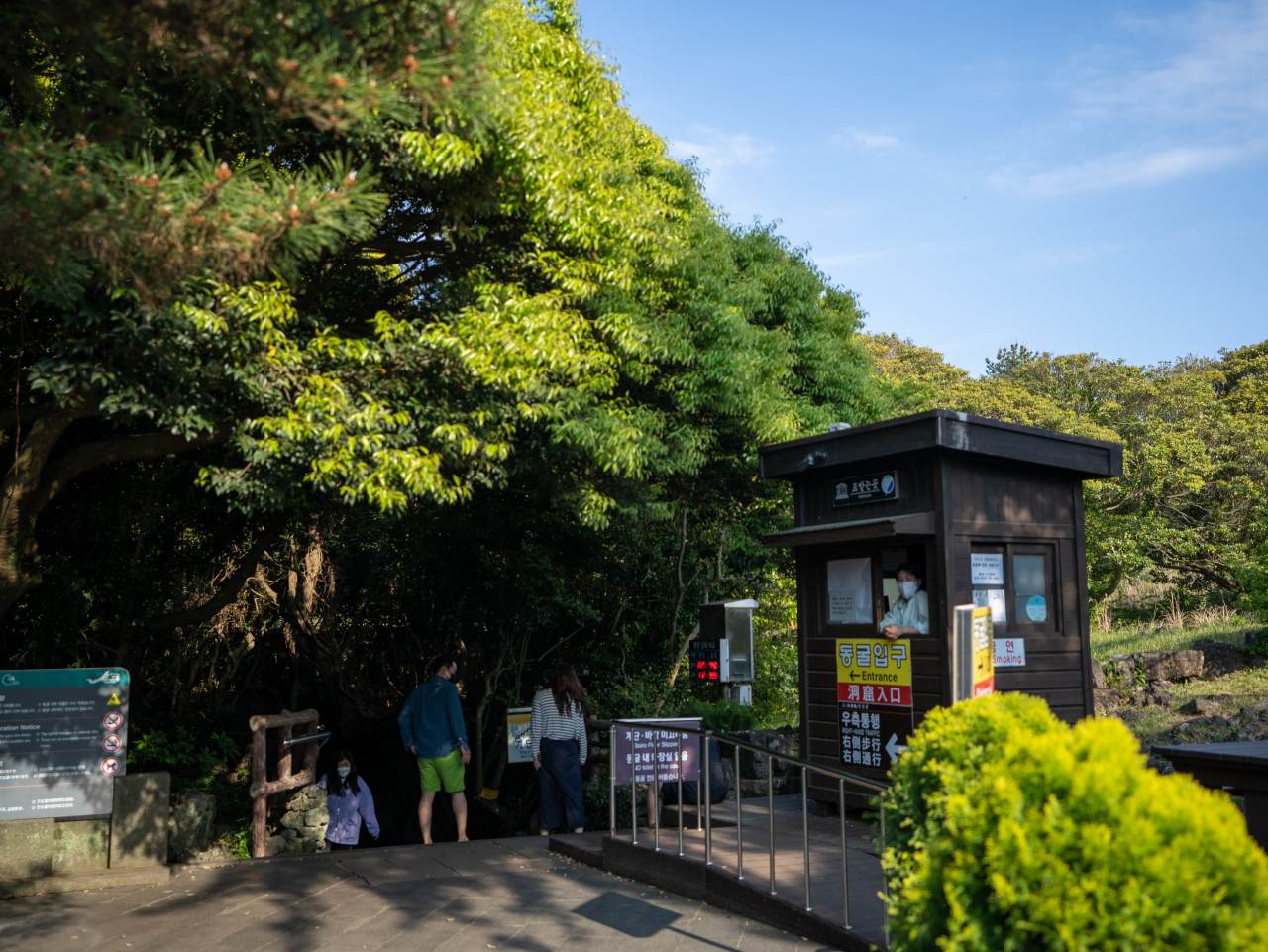
Manjanggul is a natural cave formed by lava. Lava that began near Geomun Oreum flowed through the cave and all the way to the sea at Woljeongri. With a total length of 7.4 km, it’s the world’s 12th-largest lava tube.
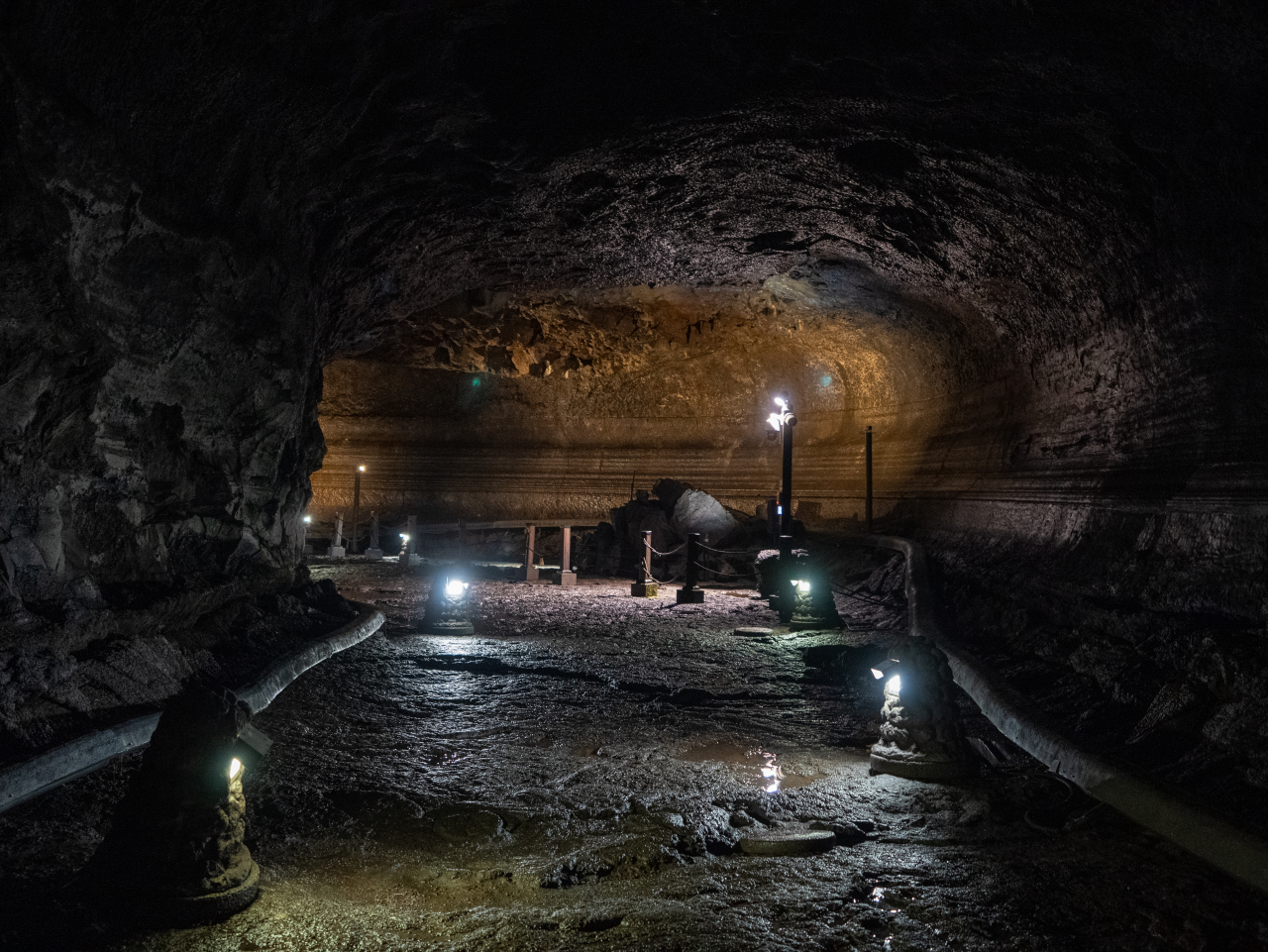
As soon as we entered, I was startled by how large it was. I’d never imagined there could be such a huge cave beneath ground we’d known nothing about. Even more than that, the cool breeze blowing from deep inside the cave instantly cooled the sweat from Baegyak-i Oreum. Manjanggul stays cool enough to maintain an average of about 13°C even in the height of summer.
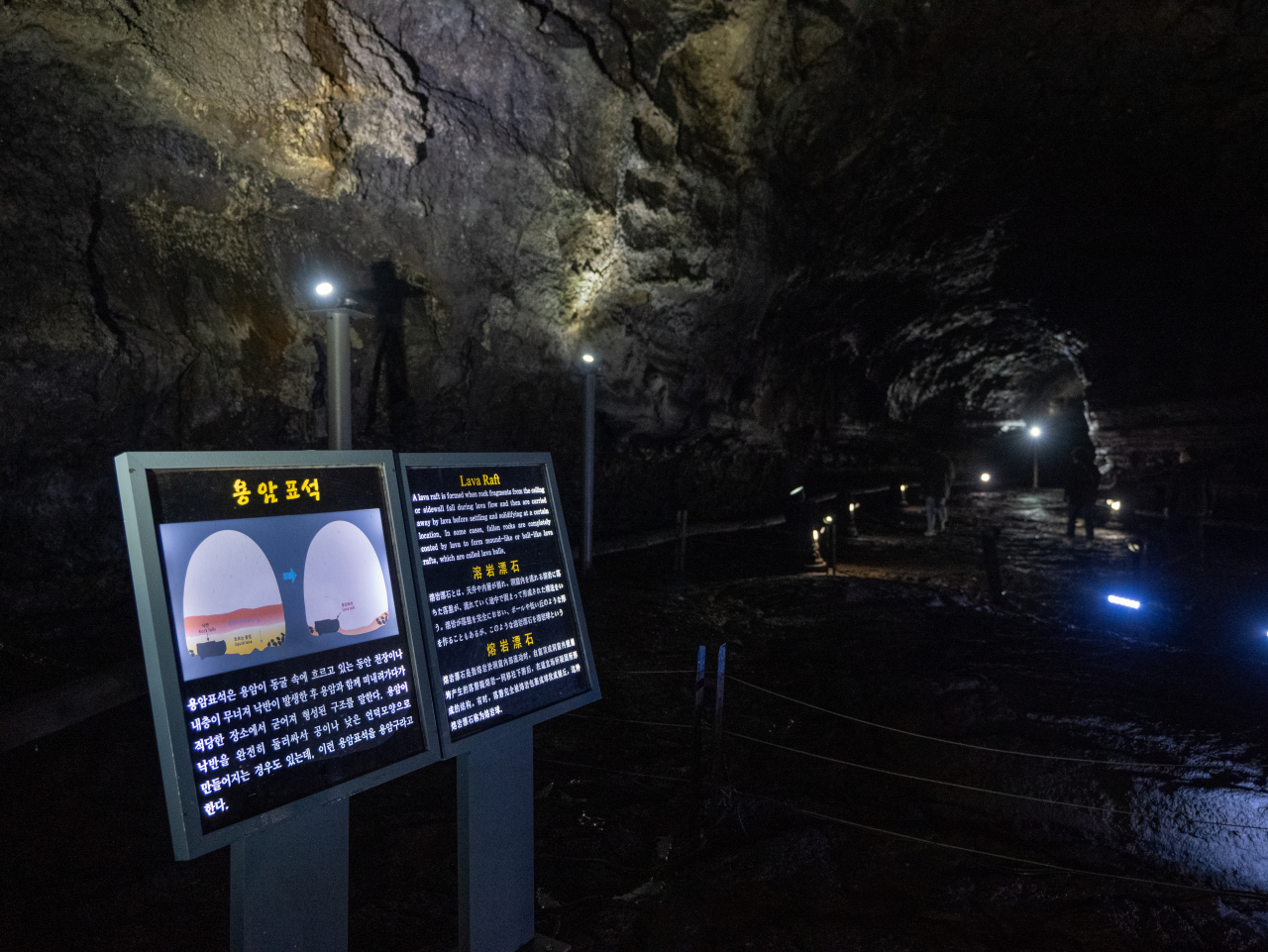
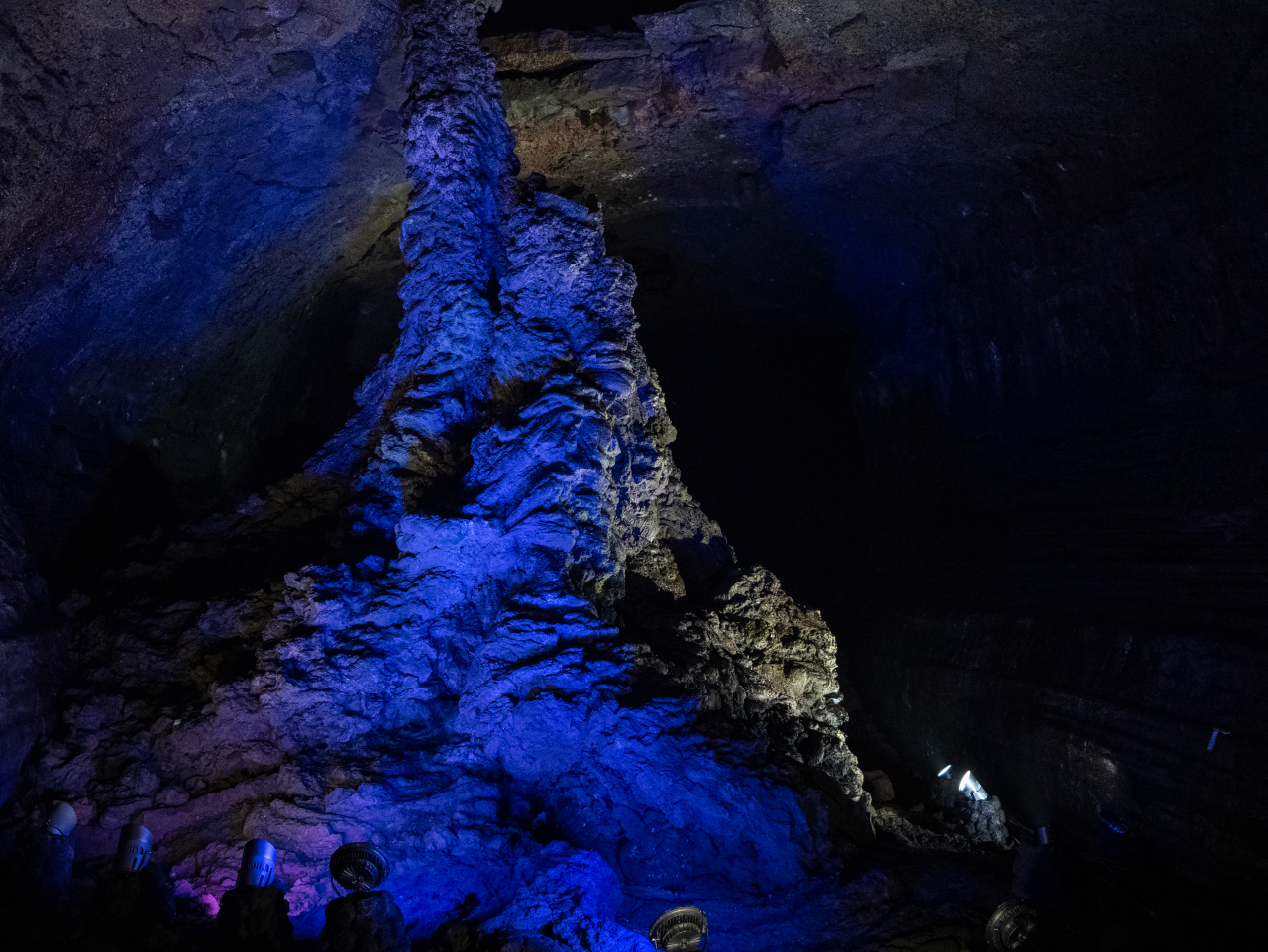
At the end of the 1 km section open to visitors, Manjanggul is home to the world’s largest lava column.
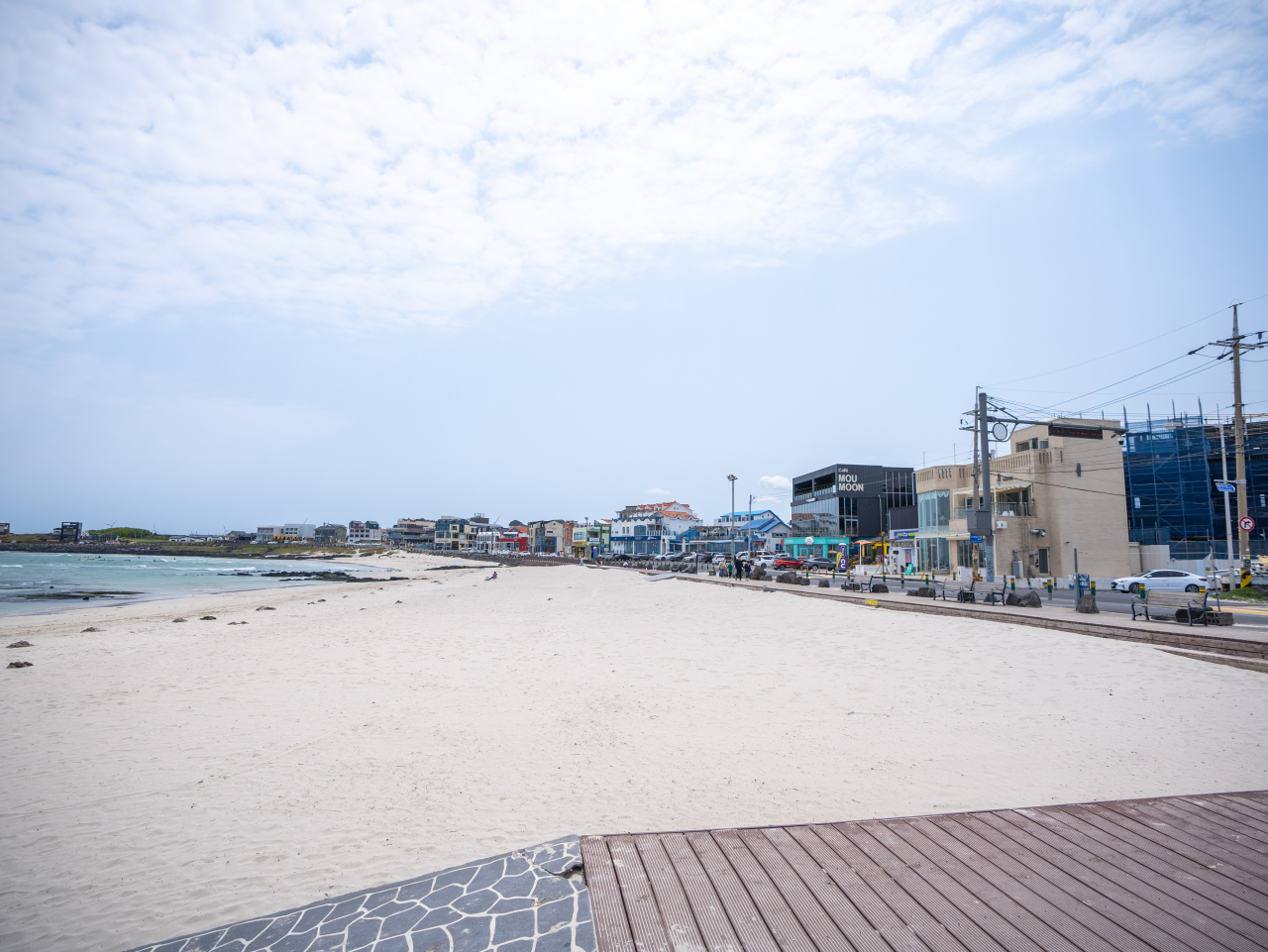
So much has changed. It’s already been six years since I first saw Woljeongri. Back then, I happened upon Woljeongri Beach while driving along the coast—it was simply a quiet fishing village with a small, cozy shoreline. Sitting at the entrance of the village and looking out, the beach felt so small I could take it all in at once, and I remember the owner of a tiny shop that watched over the place—rather than waiting for customers, they seemed to sit there painting their own life.
Maybe the reason I loved Woljeongri Beach was that I grew up seeing only seas surrounded by glittering neon lights—this was a shoreline with scenery you just couldn’t find in the city.
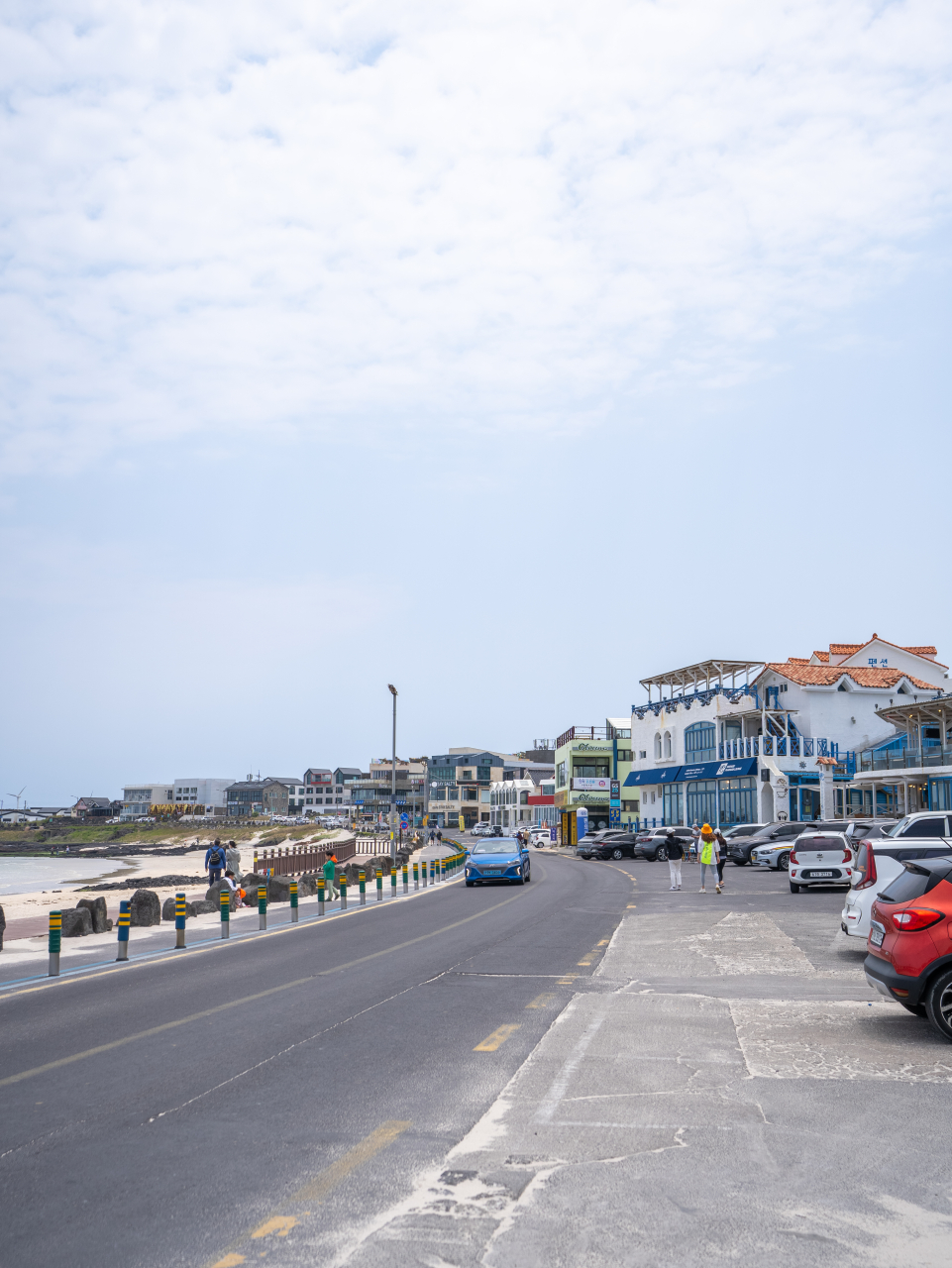
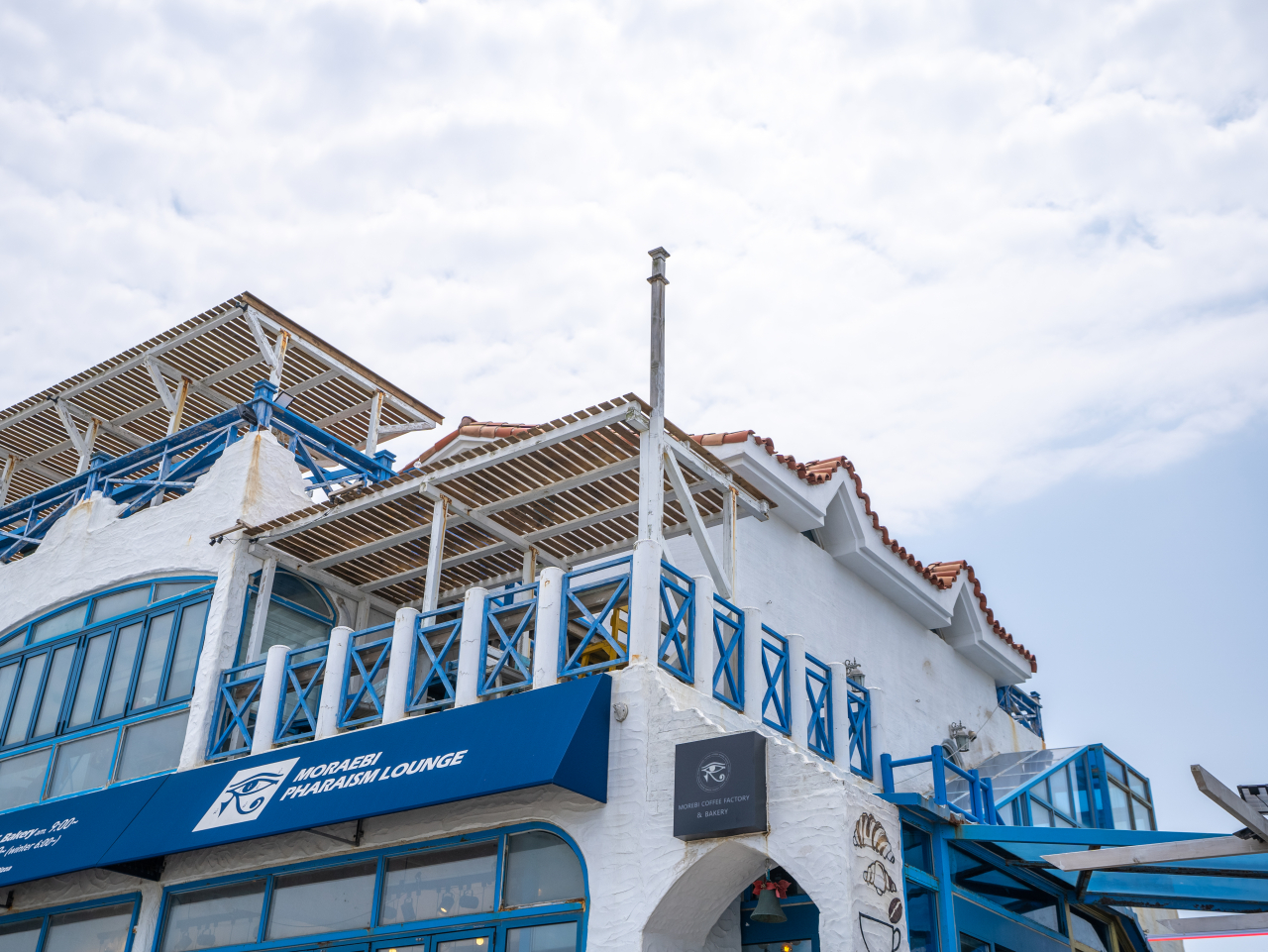
Gentrification doesn’t seem to be a story unique to Seoul. In Woljeongri, it feels like the only thing that hasn’t changed is the beautiful sea.
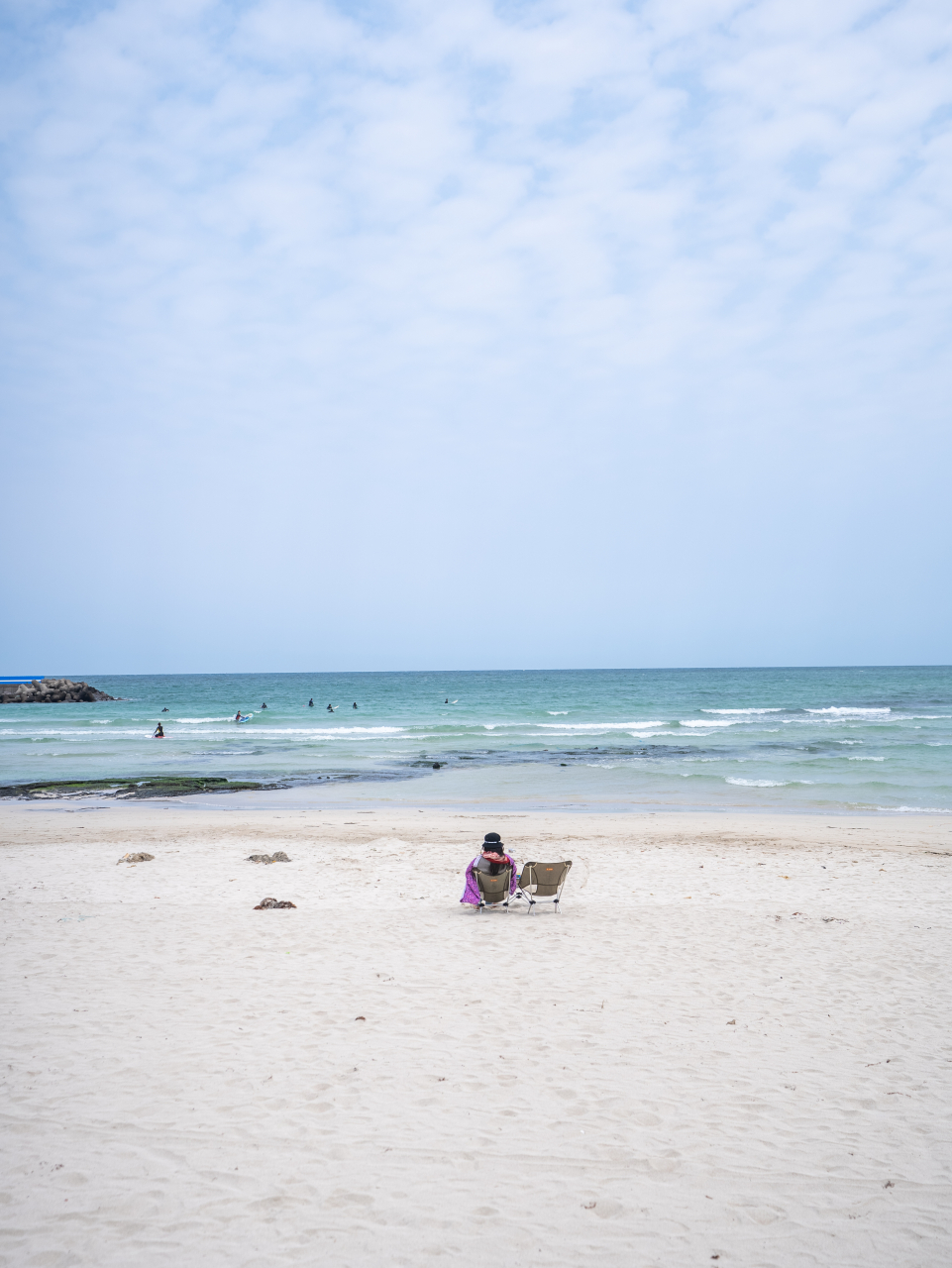
Still, thankfully, Jeju’s vibe lingered on along the village olle trail.
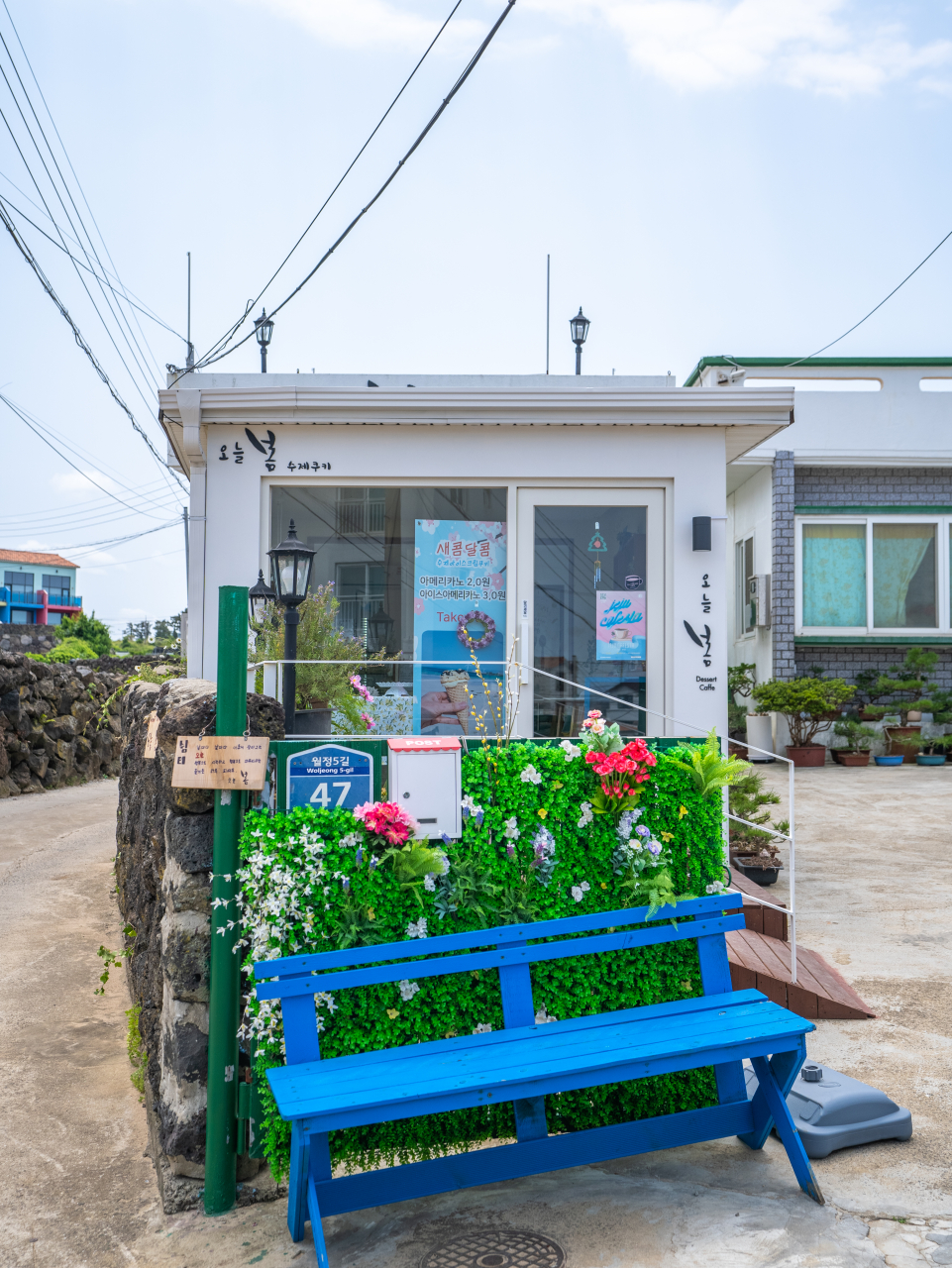
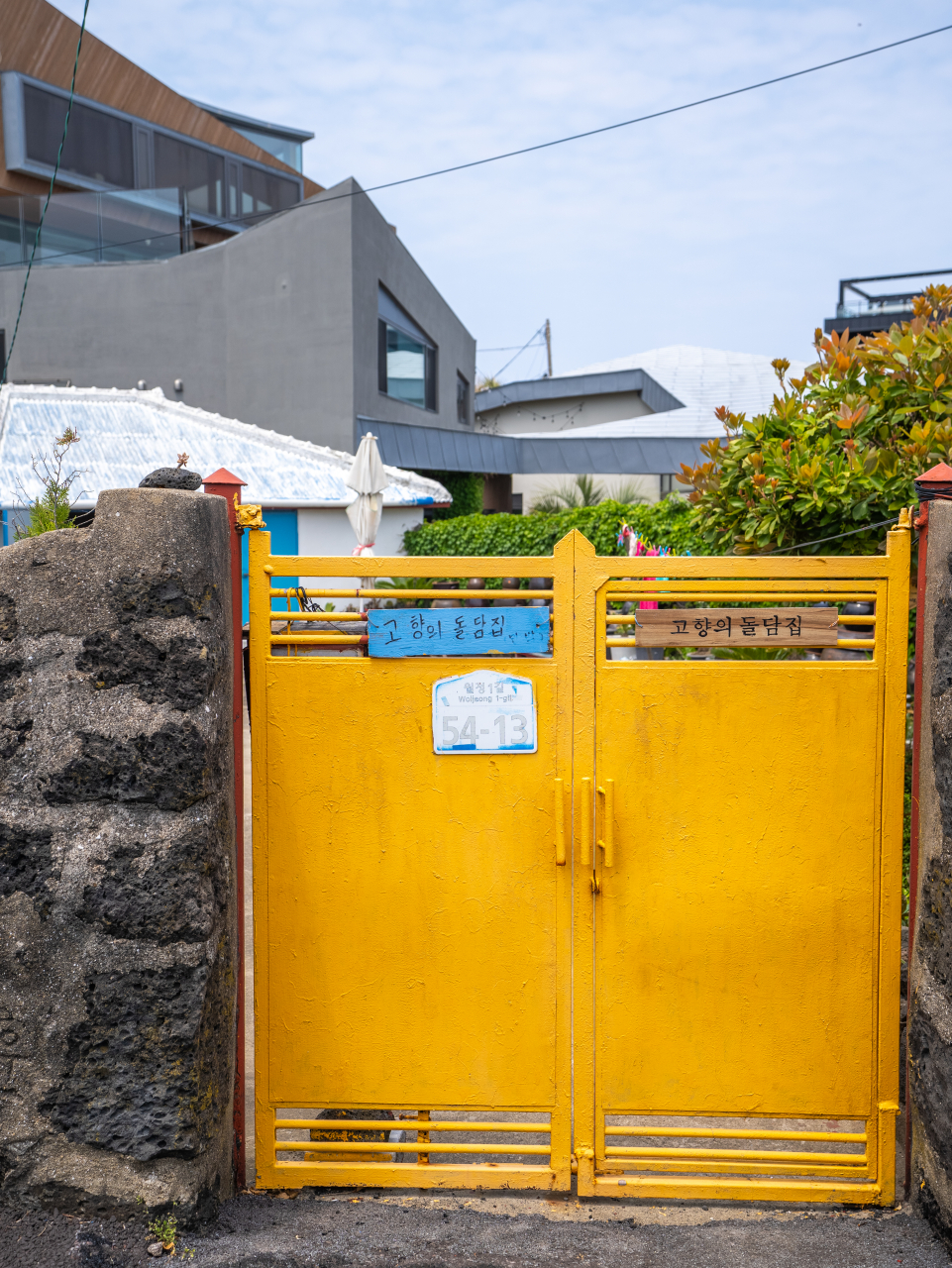
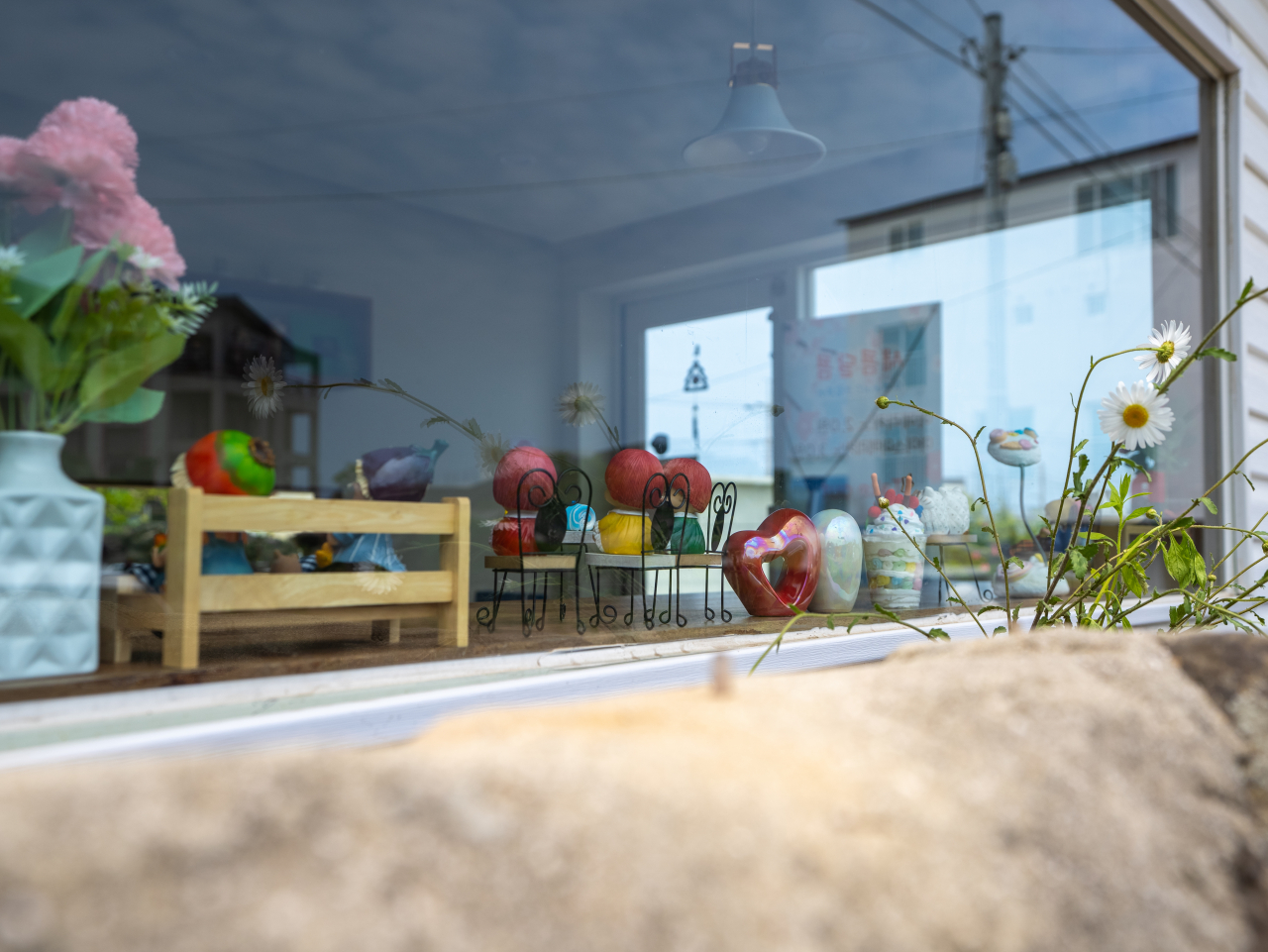
Jeju Island has many coastal roads. Among them, the stretch from Woljeongri to Gimnyeong is where you can see countless wind turbines, emerald-colored water, and unique landforms you’ll only find on Jeju.
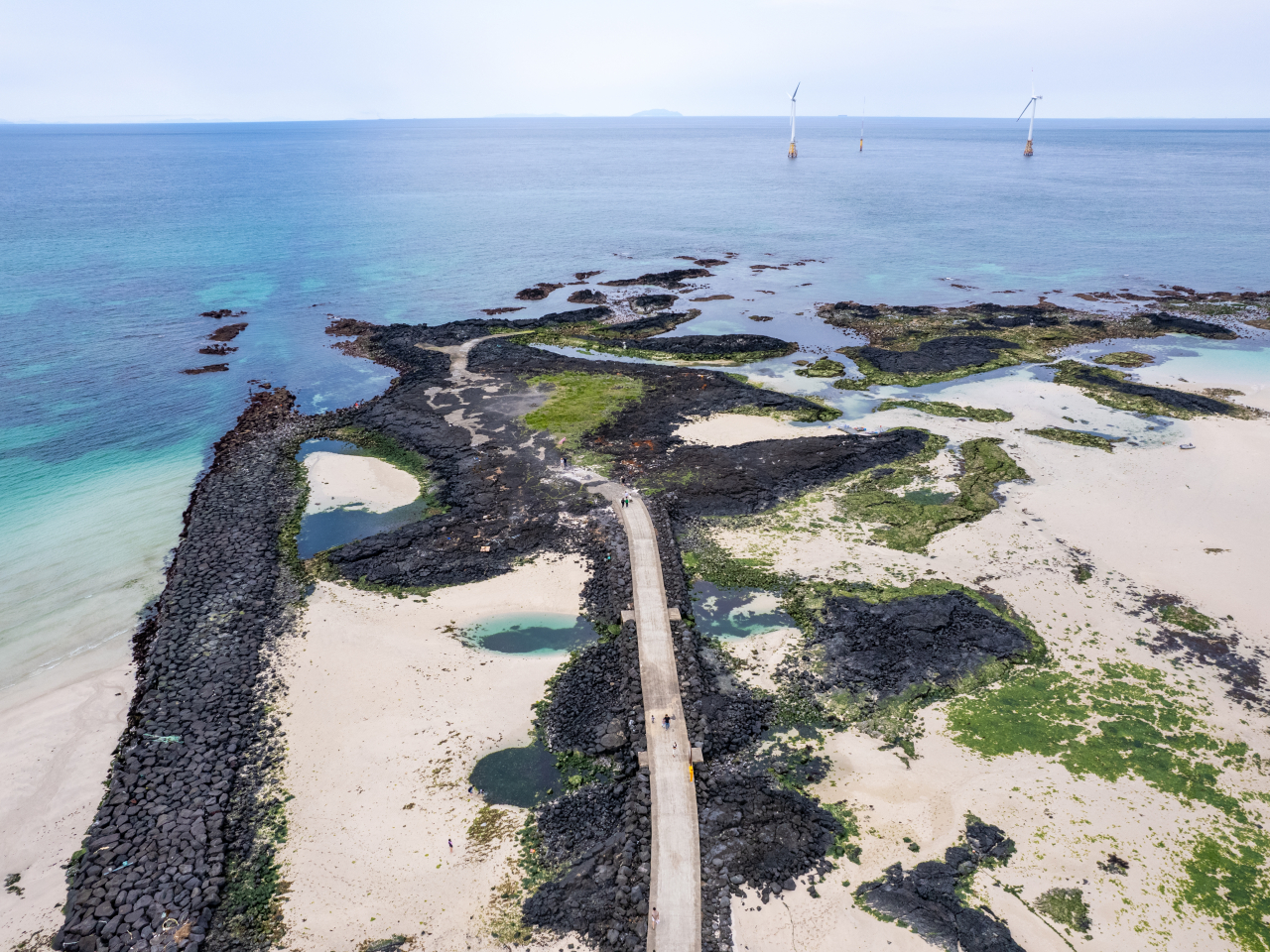
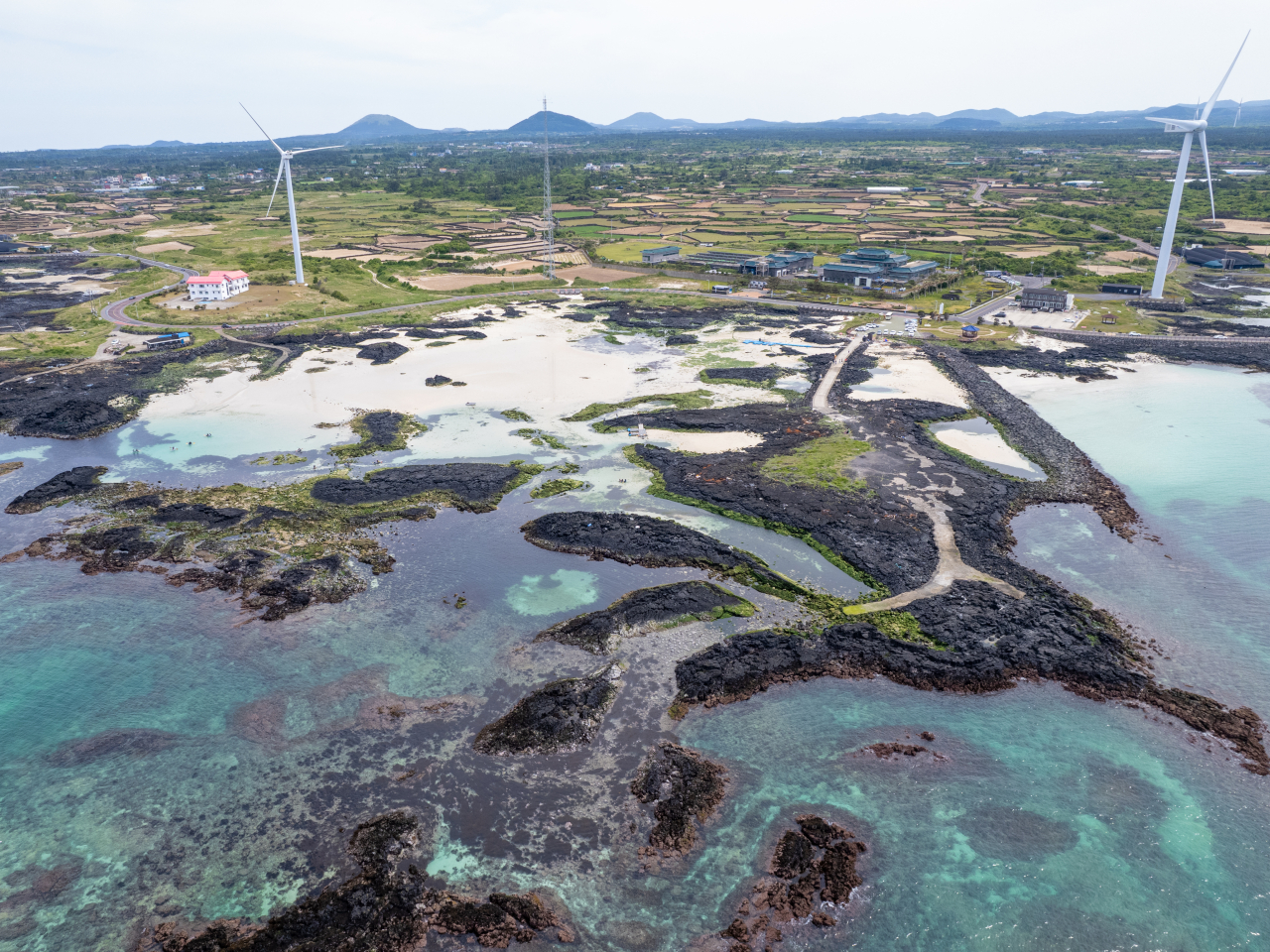
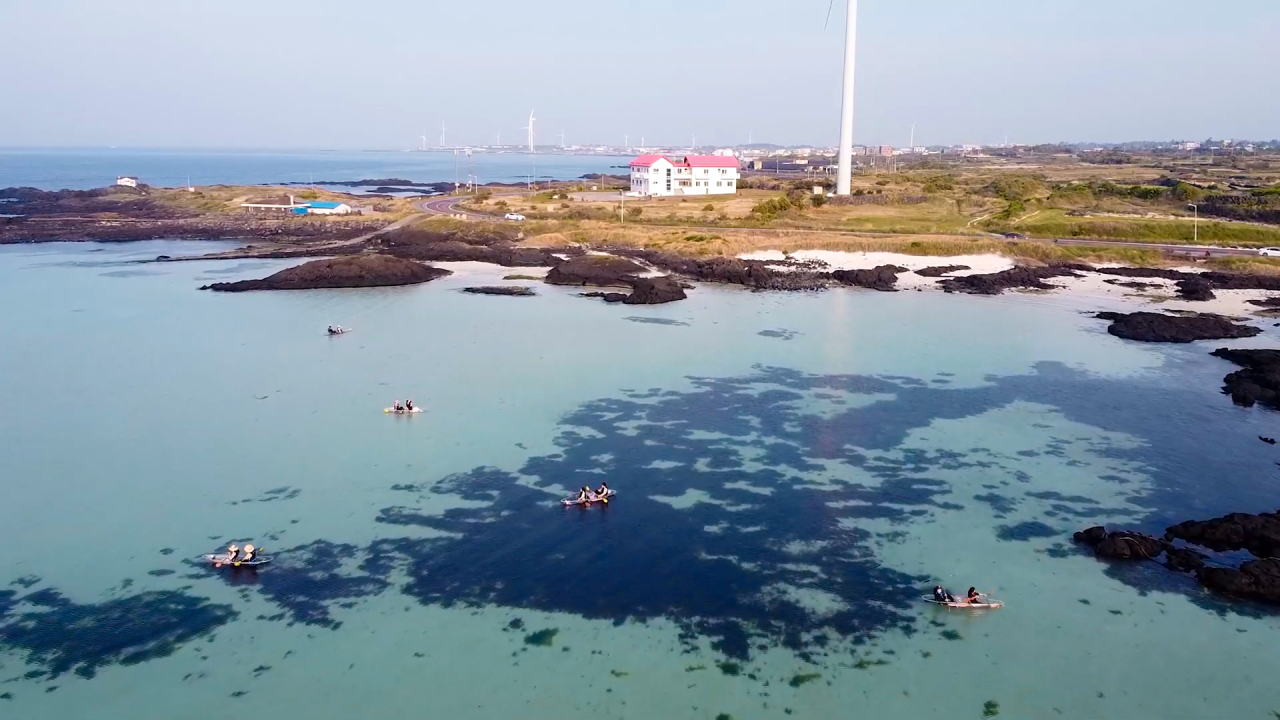
All around Jeju, you’ll find freshwater springs called yongcheonsu flowing out from the ground. Rainwater that seeps into Hallasan moves through underground aquifers and then rises to the surface through cracks. Yongcheonsu that bubbles up by the sea has long been used by Jeju locals for bathing, and in Gimnyeong we could visit Cheonggulmul, where spring water emerges as well.
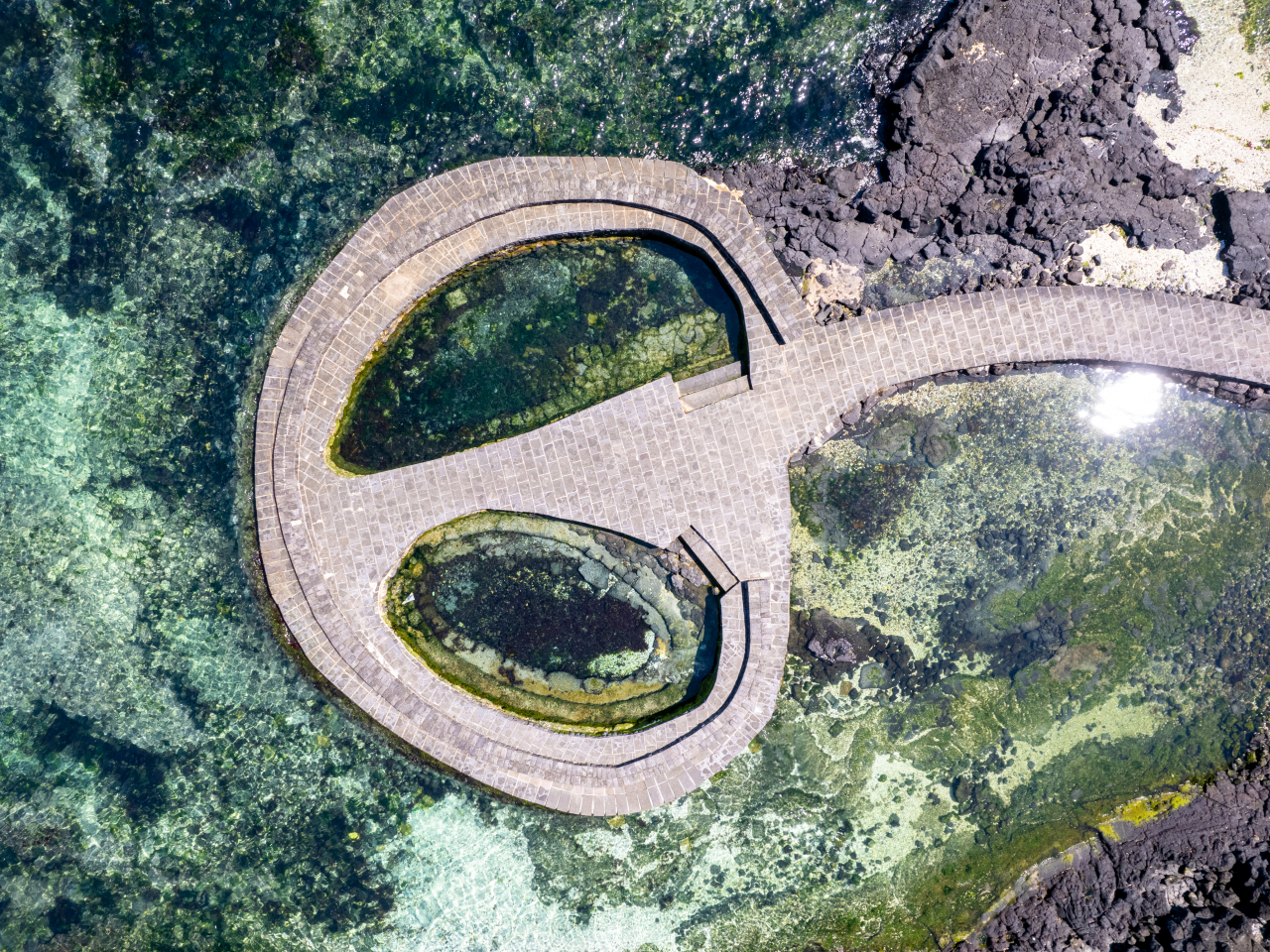
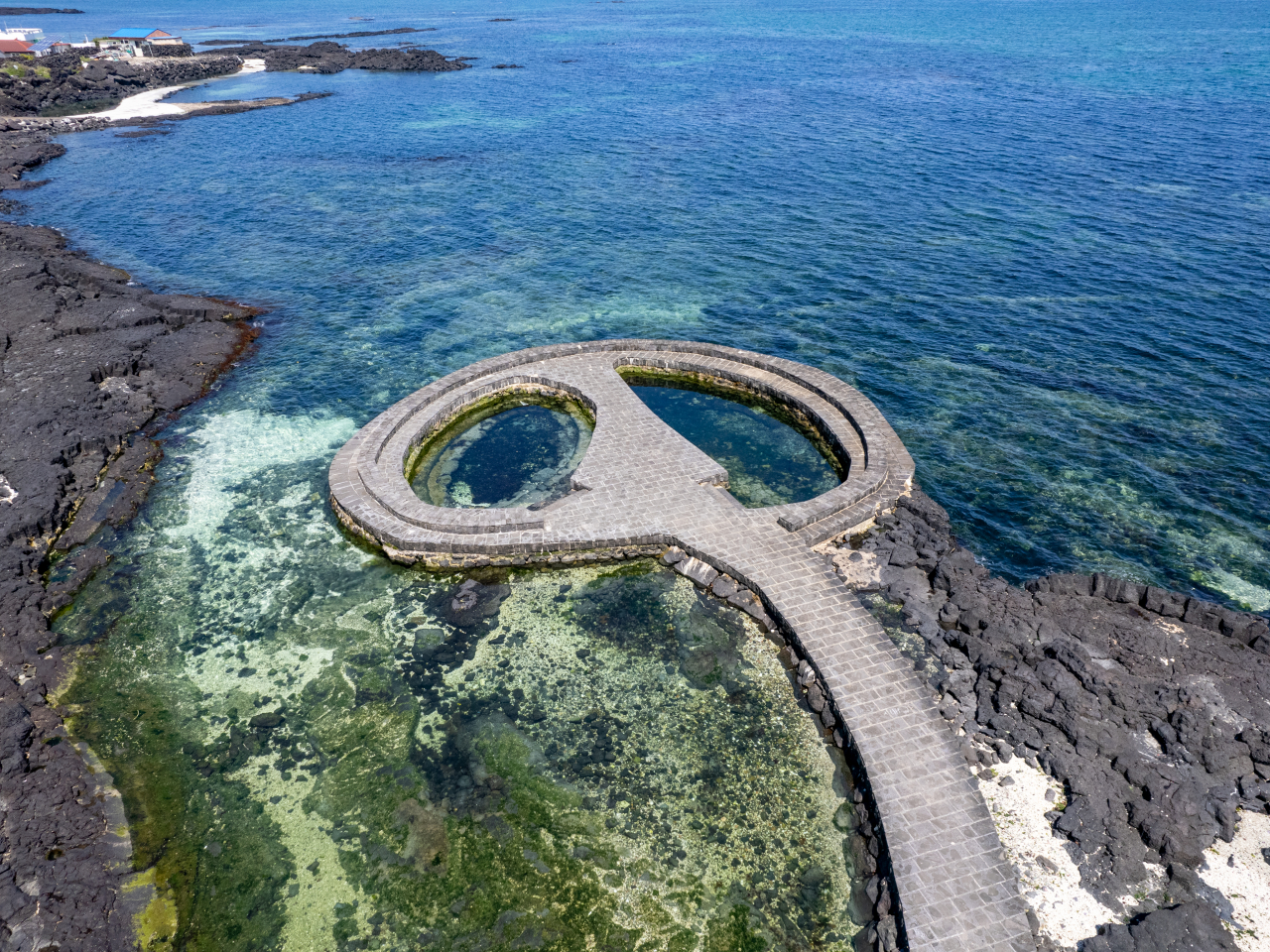
Cheonggulmul takes its name from Cheongguldong, the area’s old place name. As word has spread that it’s a great photo spot, it has become a place many people visit.

제주살이 10년 차, 일상 속 여행을 기록하는 크리에이터입니다. 바다와 바람, 낯선 골목에 스며든 제주를 좋아하고, 그 안에서 느꼈던 순간들을 글과 사진으로 전하고 있어요. 여행지보다는 여행의 온도를 담는 일을 합니다.

Comments
0No comments yet.