Early in the morning, we climb Mundoji Oreum.
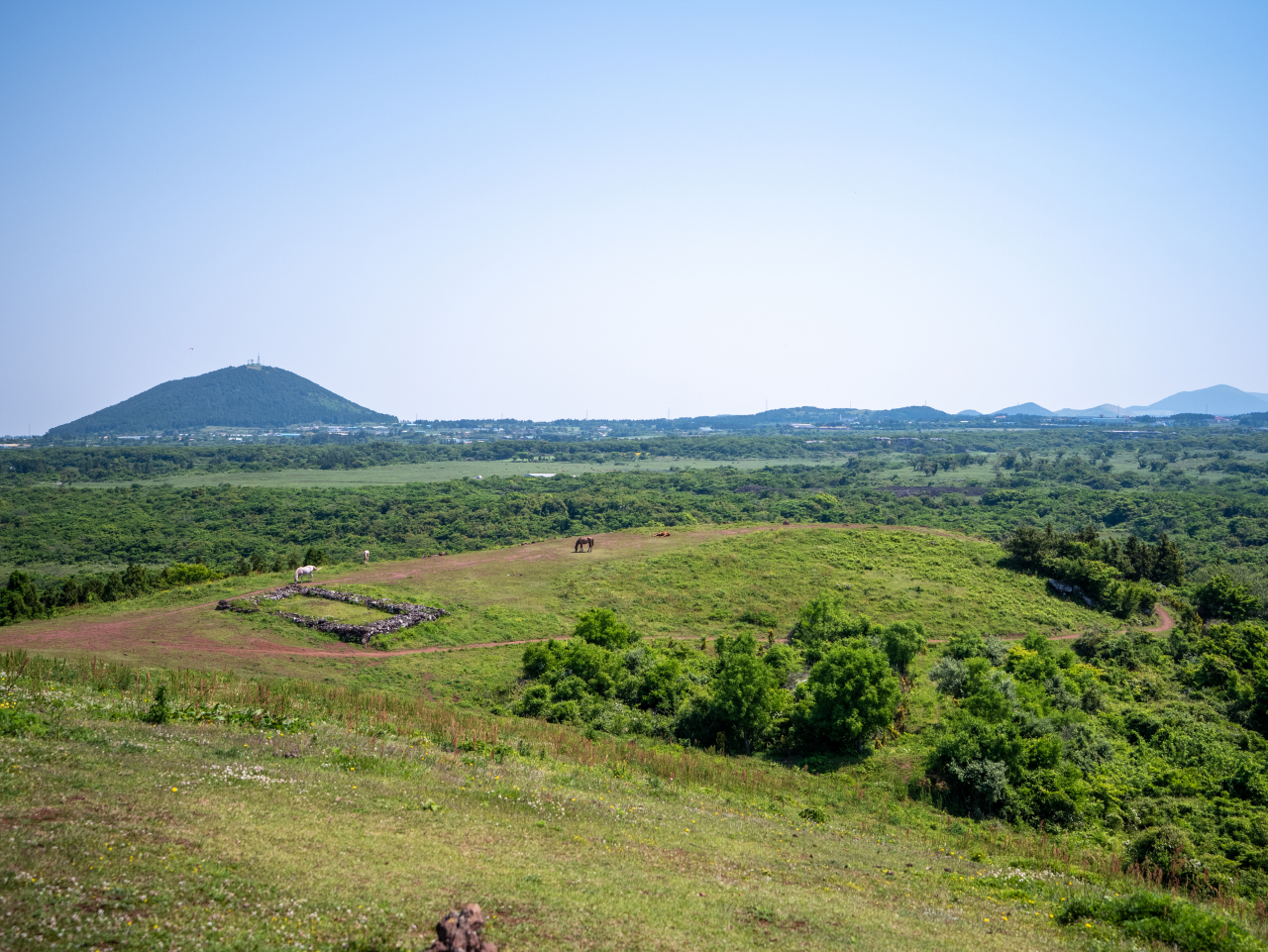
It’s one of the few oreum where you can truly enjoy the place in peace, thanks to how quiet it is. In particular, the view—an immense field on top of the oreum and a sweeping Gotjawal forest spread out at a glance—has a strange charm that draws anyone in.
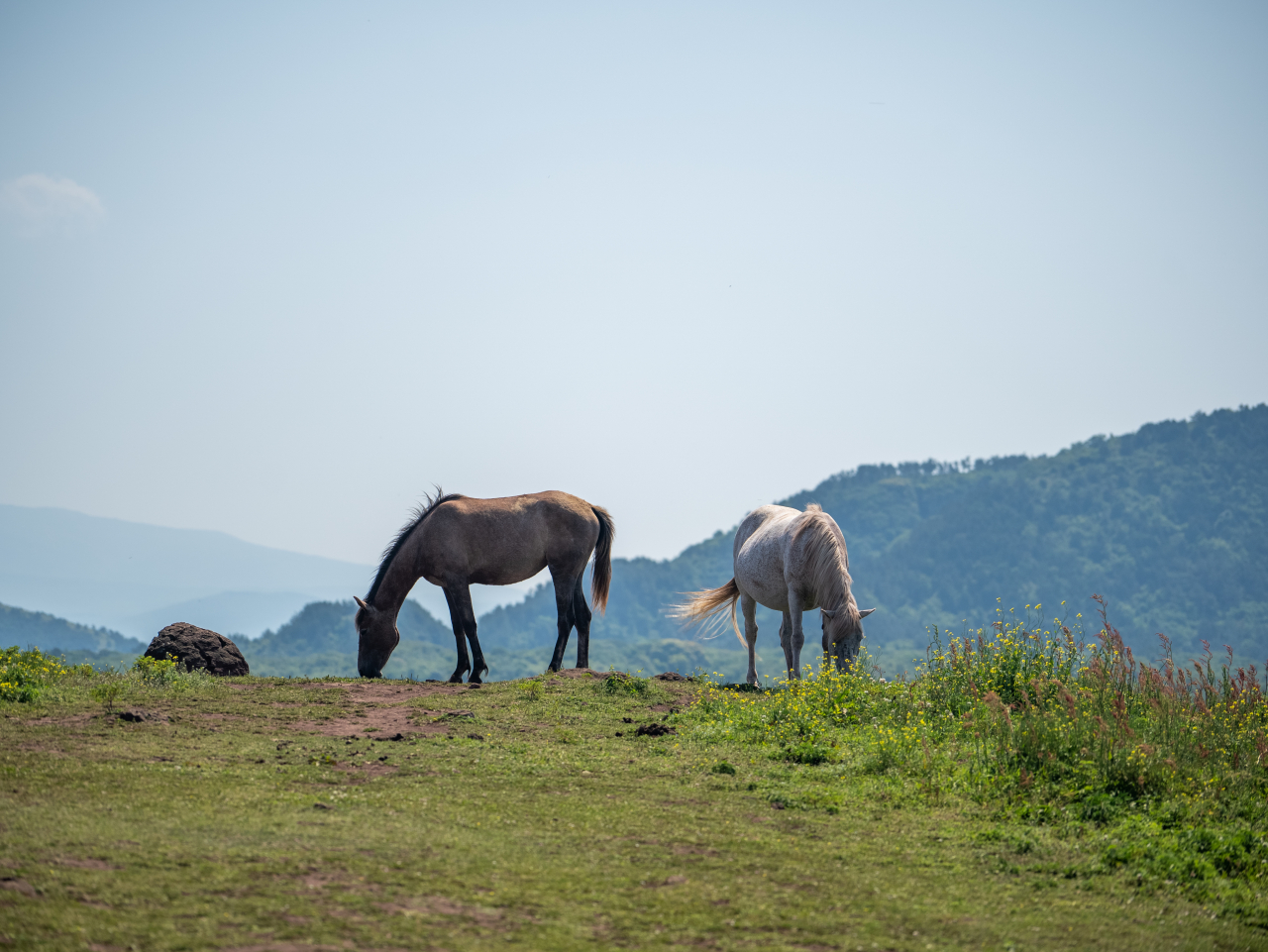
Jeju always gives me something new. I never imagined a small oreum tucked inside Gotjawal could be hiding such a vast, stunning scene.
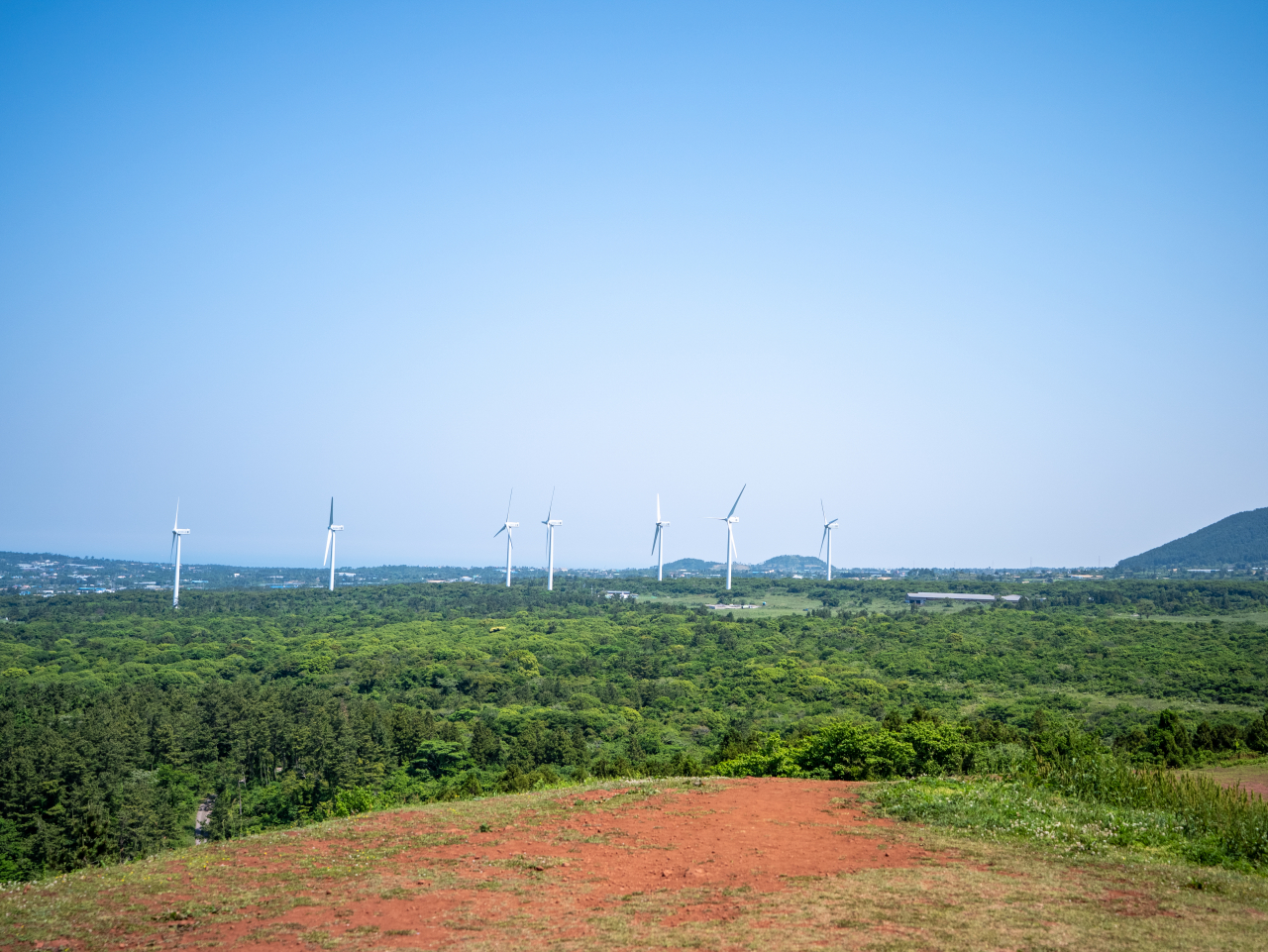
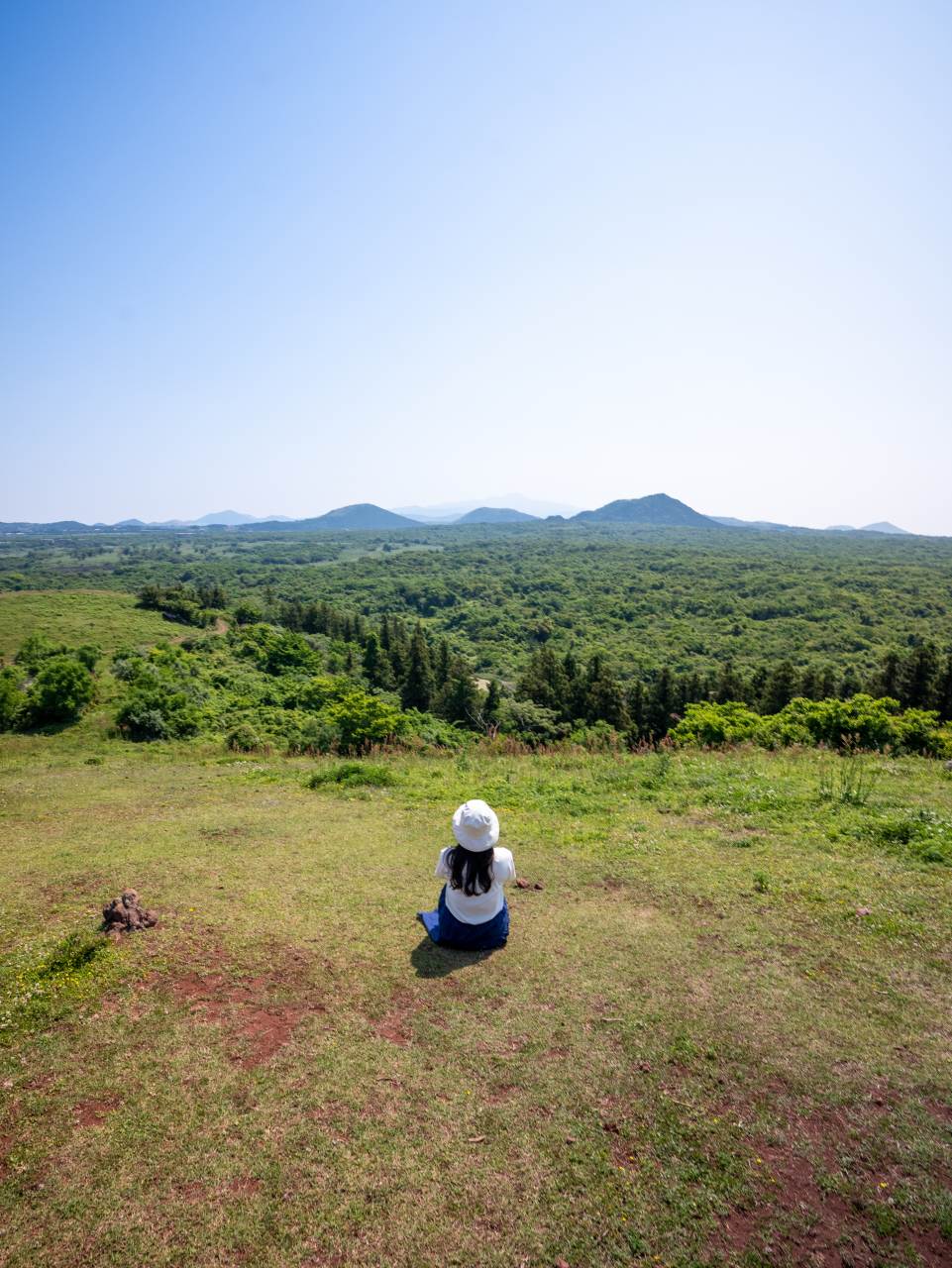
Wind turbines far out over the sea, Gotjawal that seems to go on forever, and behind it the ridgeline of Hallasan like a folding screen—everything feels perfect.
On the way down from Mundoji Oreum, we were drawn in by flowers in full bloom.
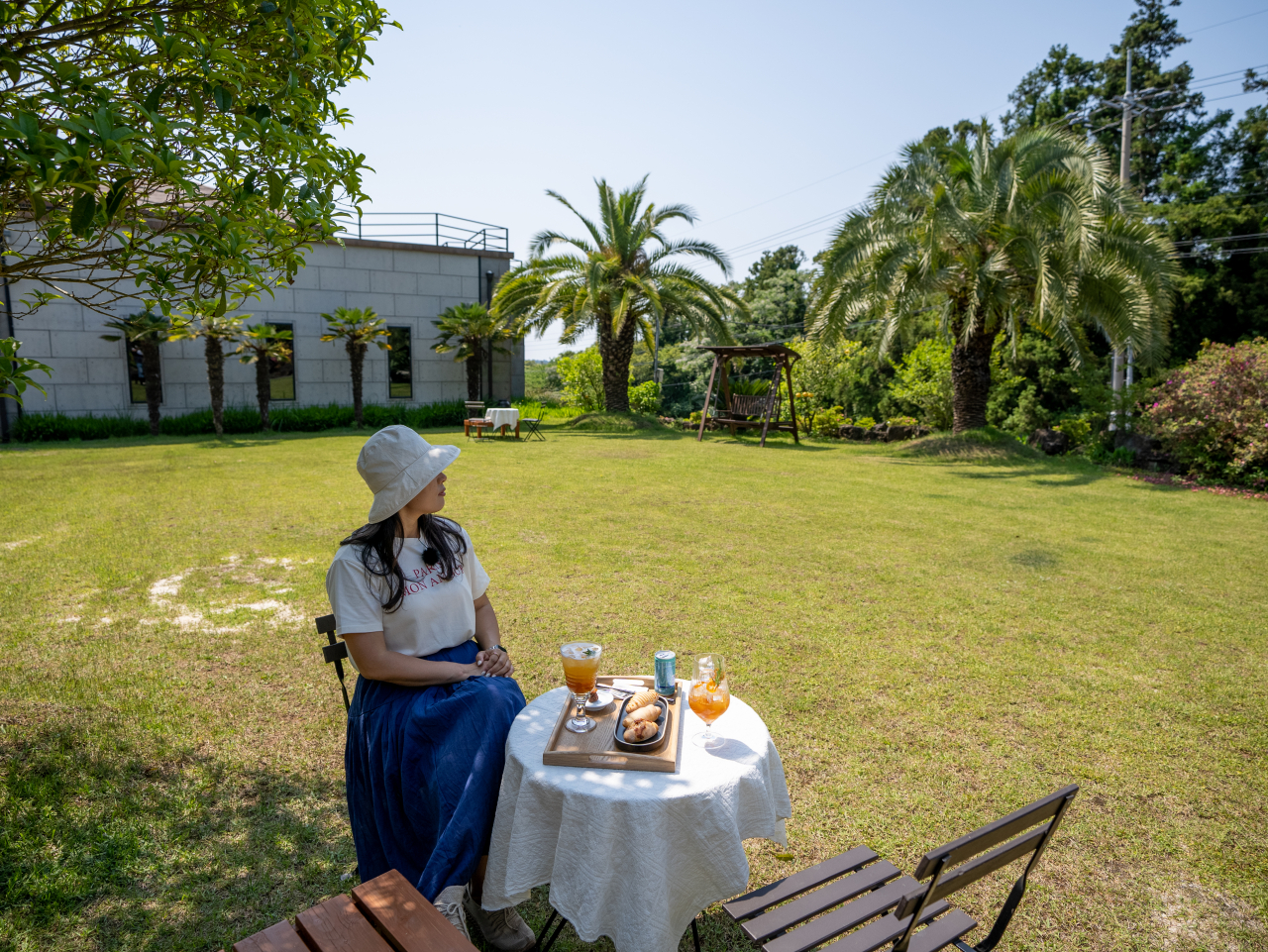
Chasaenghwal is a place run by two close sisters, offering passersby a moment of rest by capturing Jeju’s nature in tea.
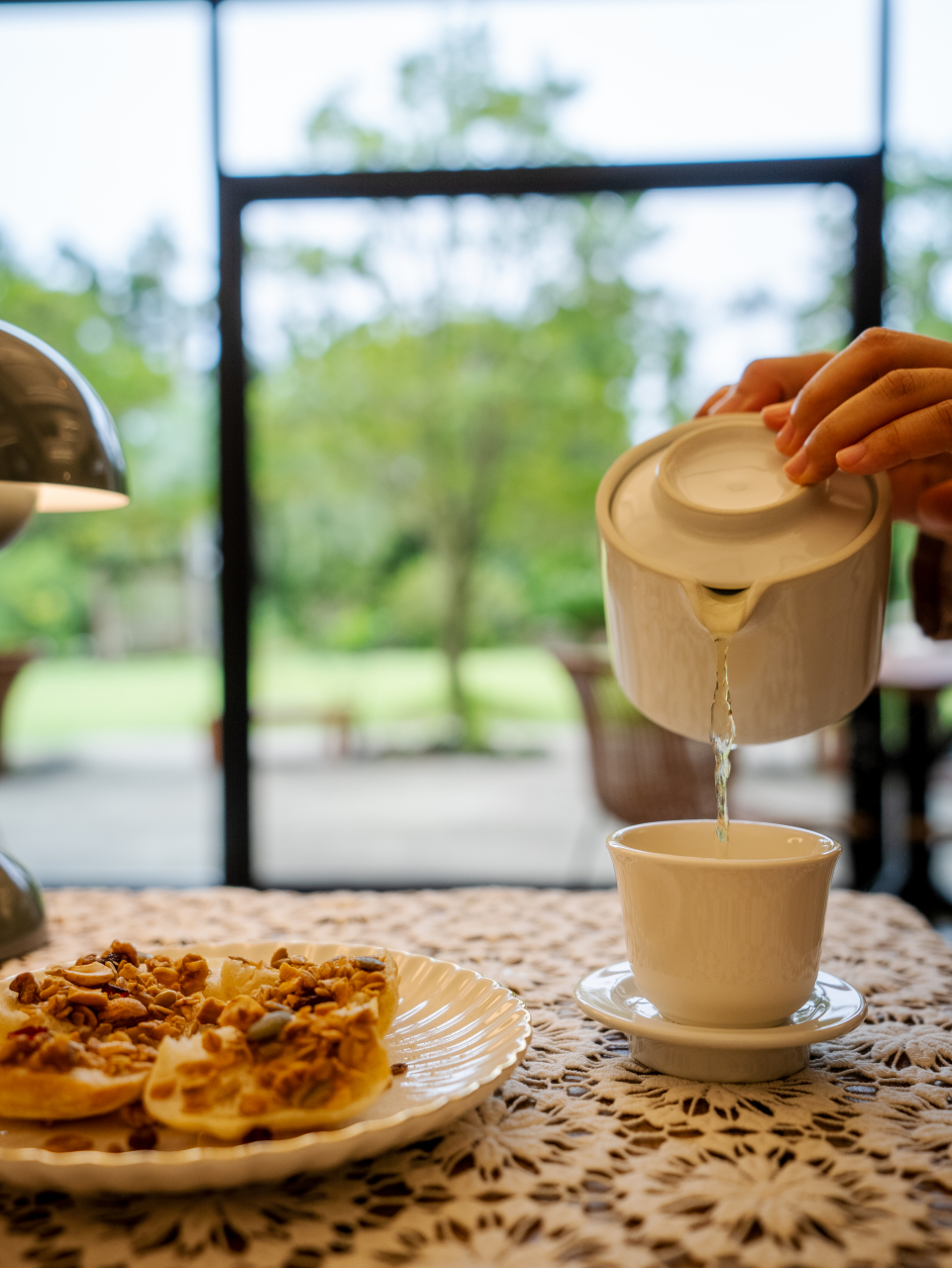
One day, the coffee I drank every day suddenly tastes bitter.
I, who used to be led by what I saw, am now led by fragrance,
I, who used to seek something special, begin to seek something subtle,
I, who said I hated stiff, by-the-book “kkondae,” now find myself insisting on the steps.
The once-flamboyant petals fall, and turn into firm fruit.
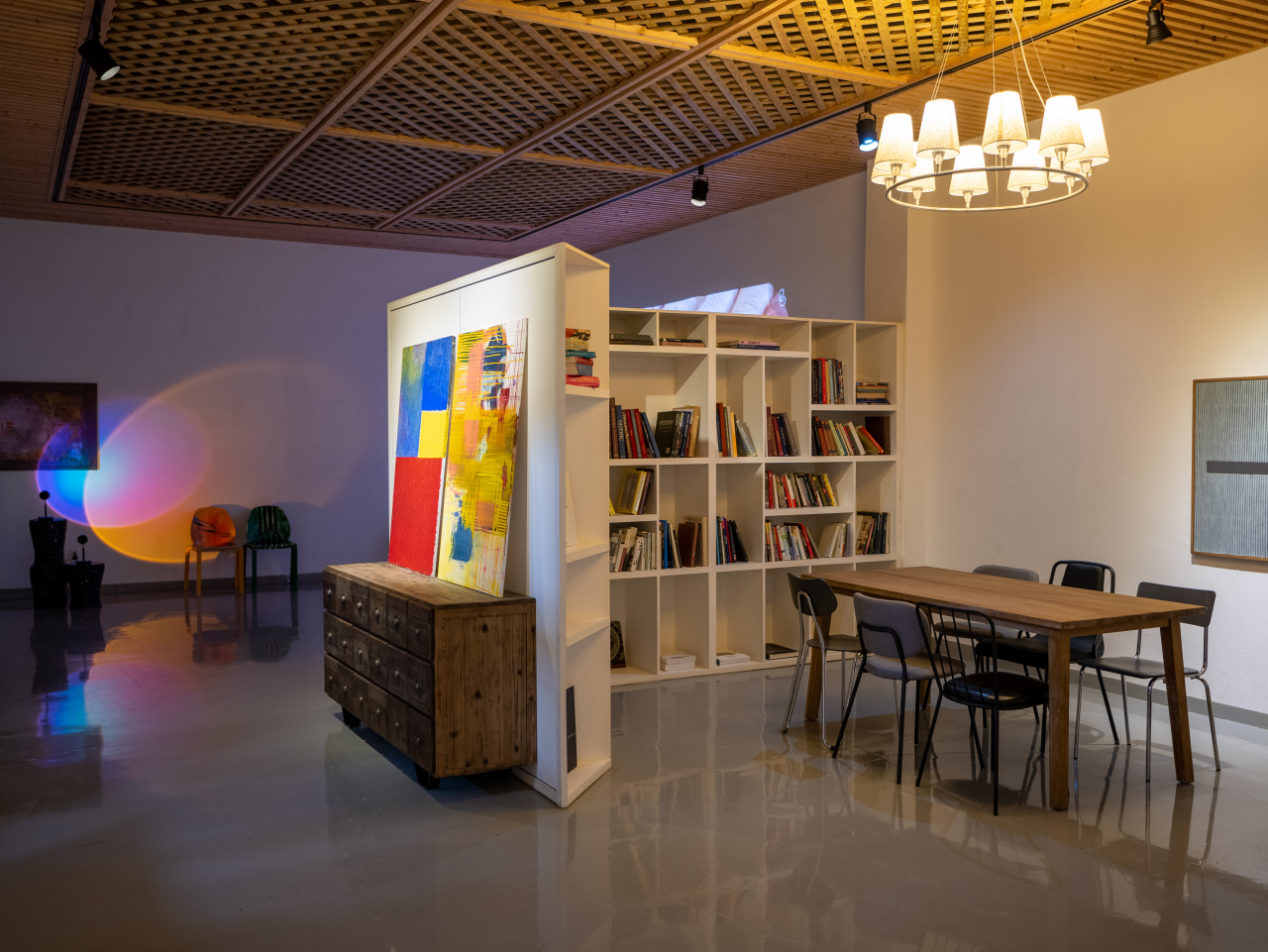
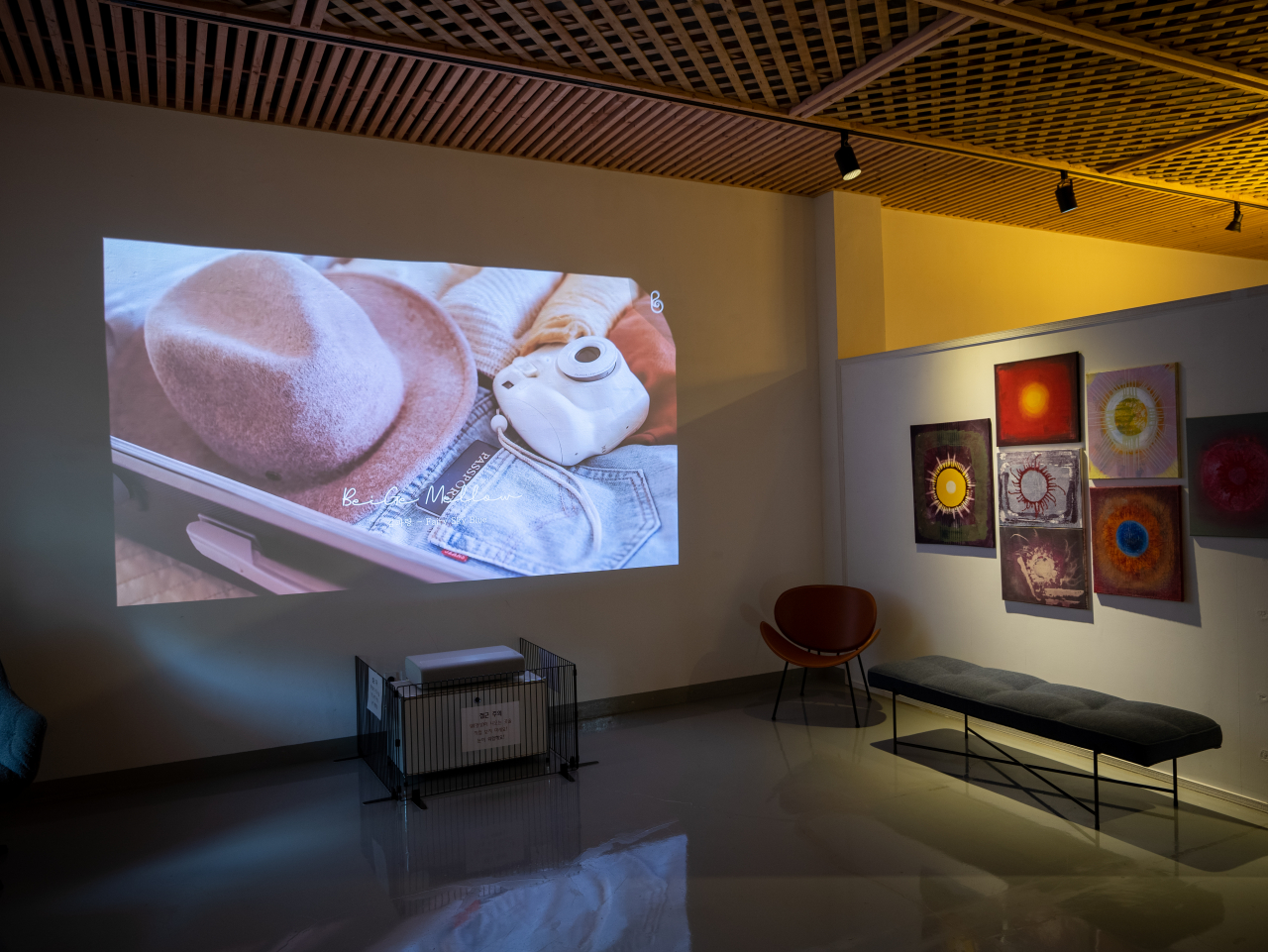
The owner has set up a gallery in the next building, exhibiting paintings they drew themselves. A book stand catches my eye. Next time, I should bring a book.
Since we were already out, we decided to look around Jeoji Artist Village, not far from Chasaenghwal.
Well-known artists from across the country have gathered here to form a cultural arts community. With each person’s distinct style, the village has a uniquely rich atmosphere.
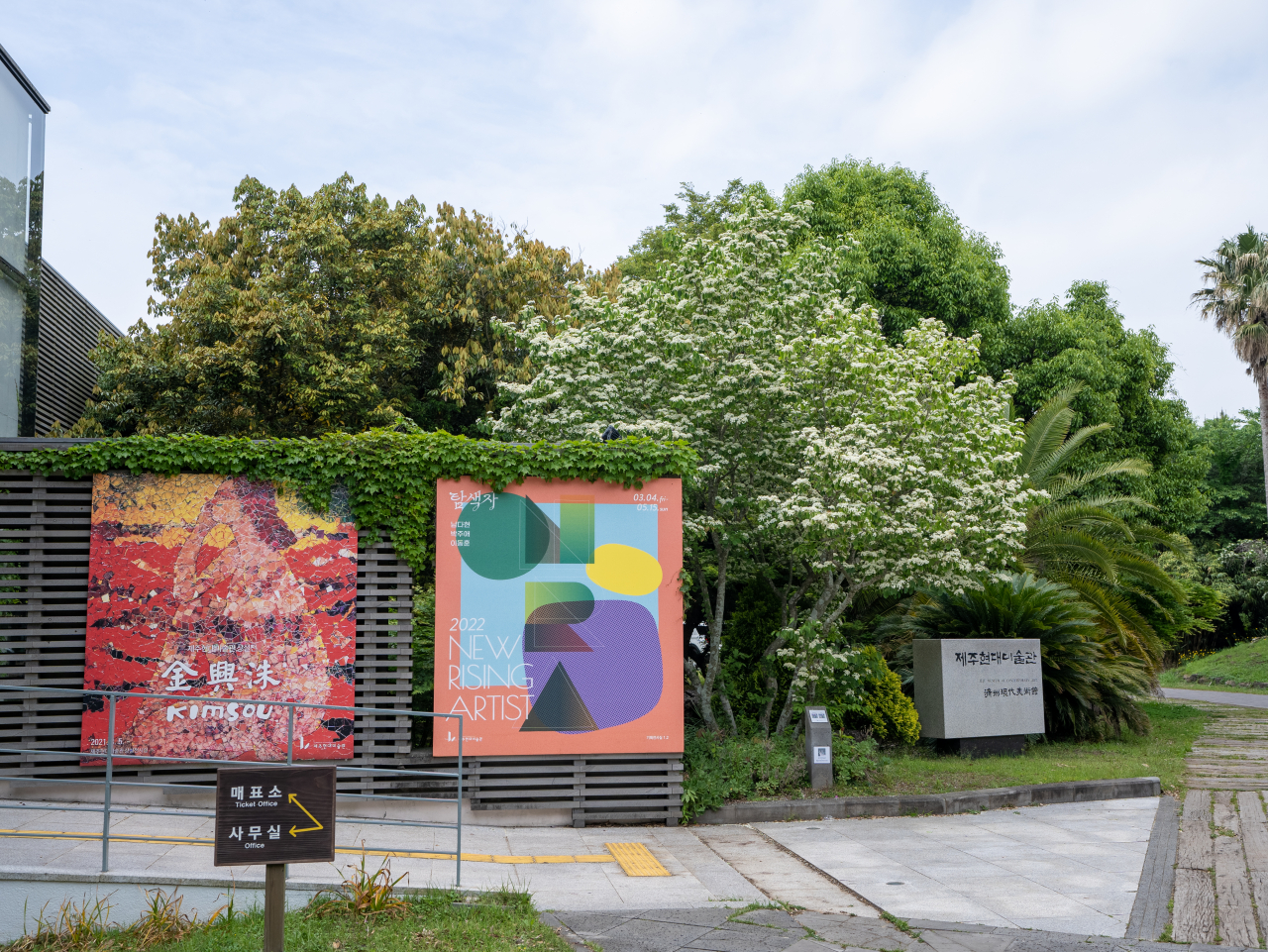
We headed to the museum, where an exhibition under the theme “Explorer” was in full swing. Compared to its beautiful natural scenery, Jeju lacks cultural spaces. Still, it’s also where you can see the most Jeju-like artworks you can’t find anywhere else.
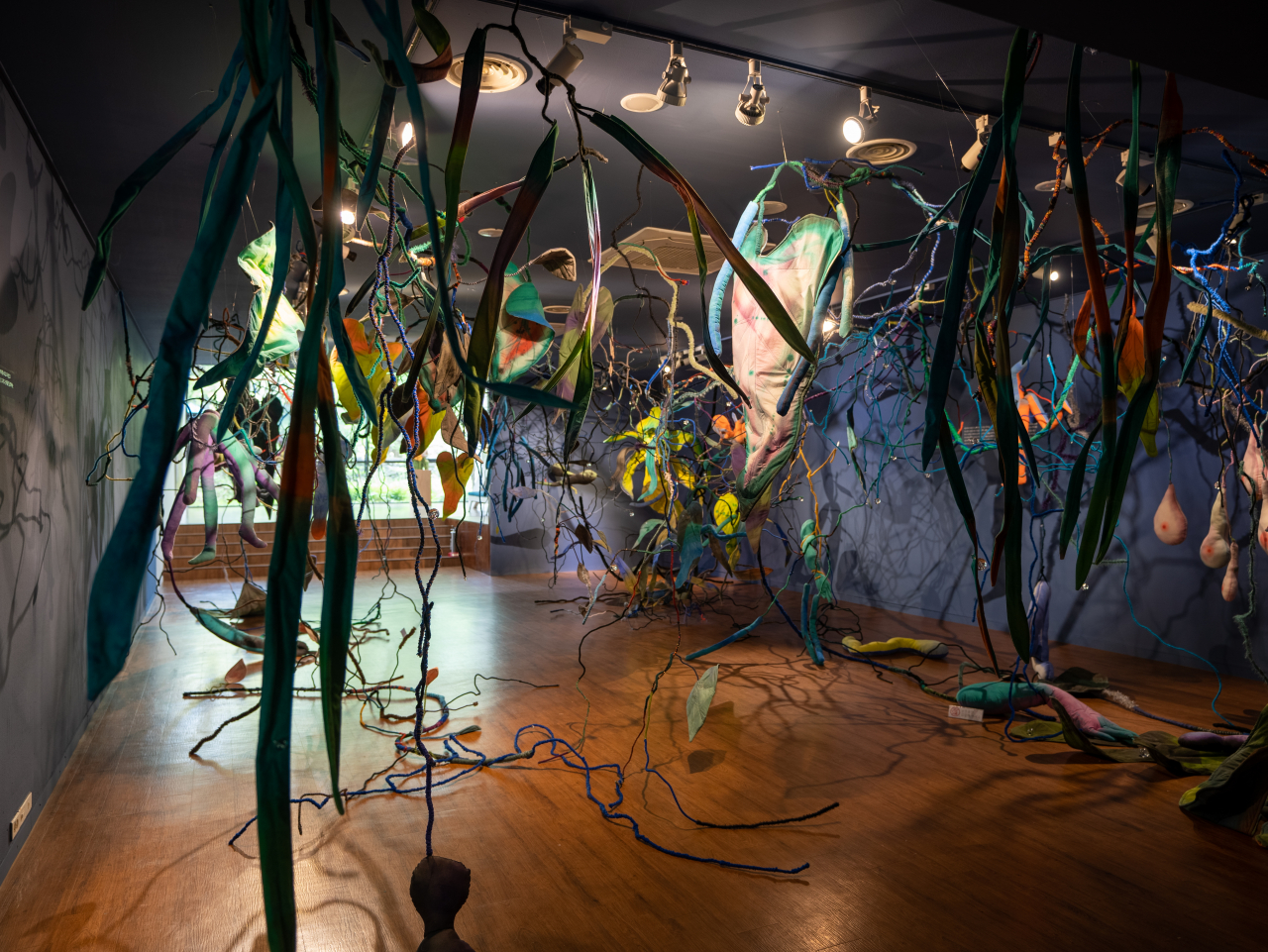
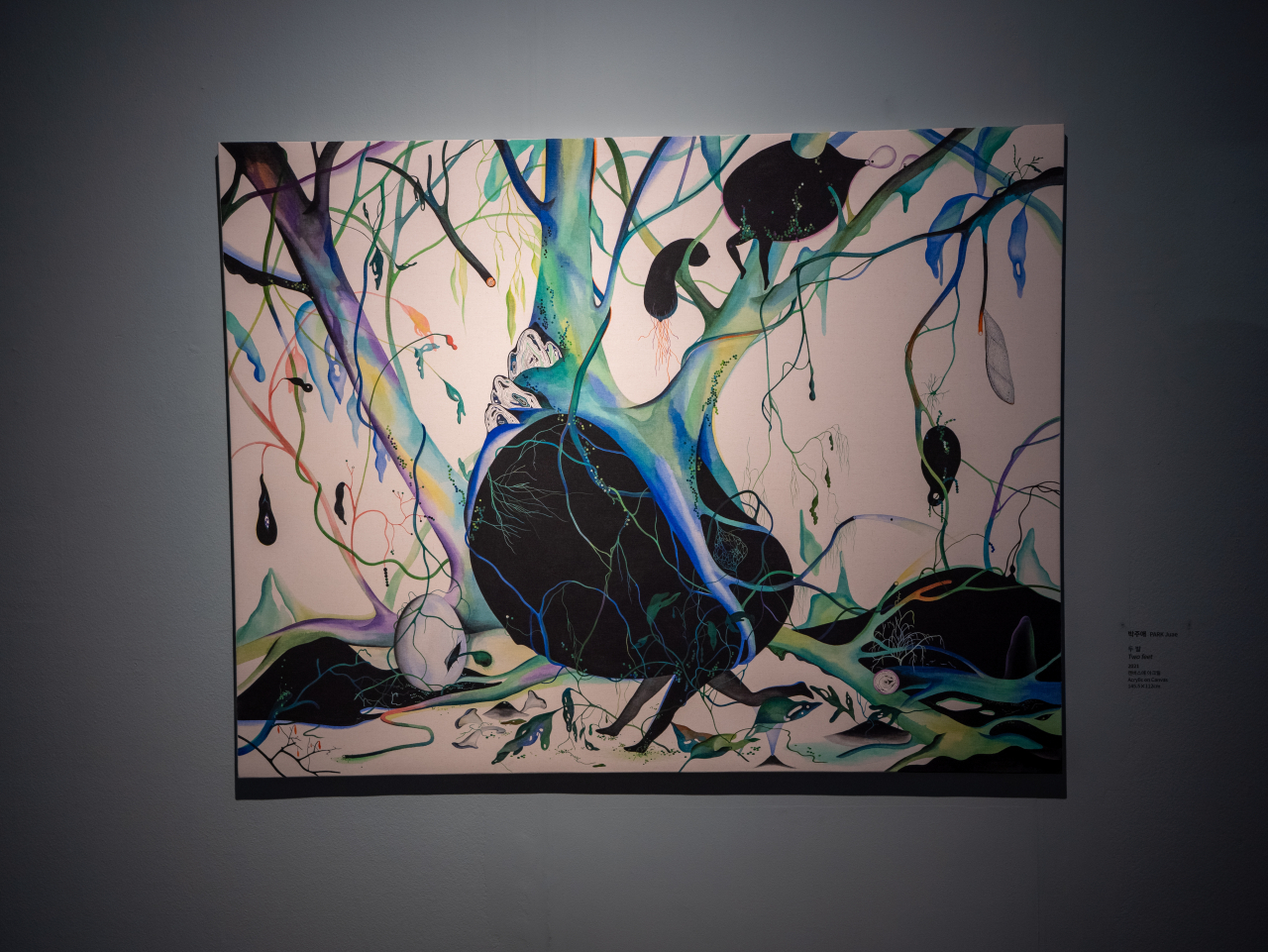
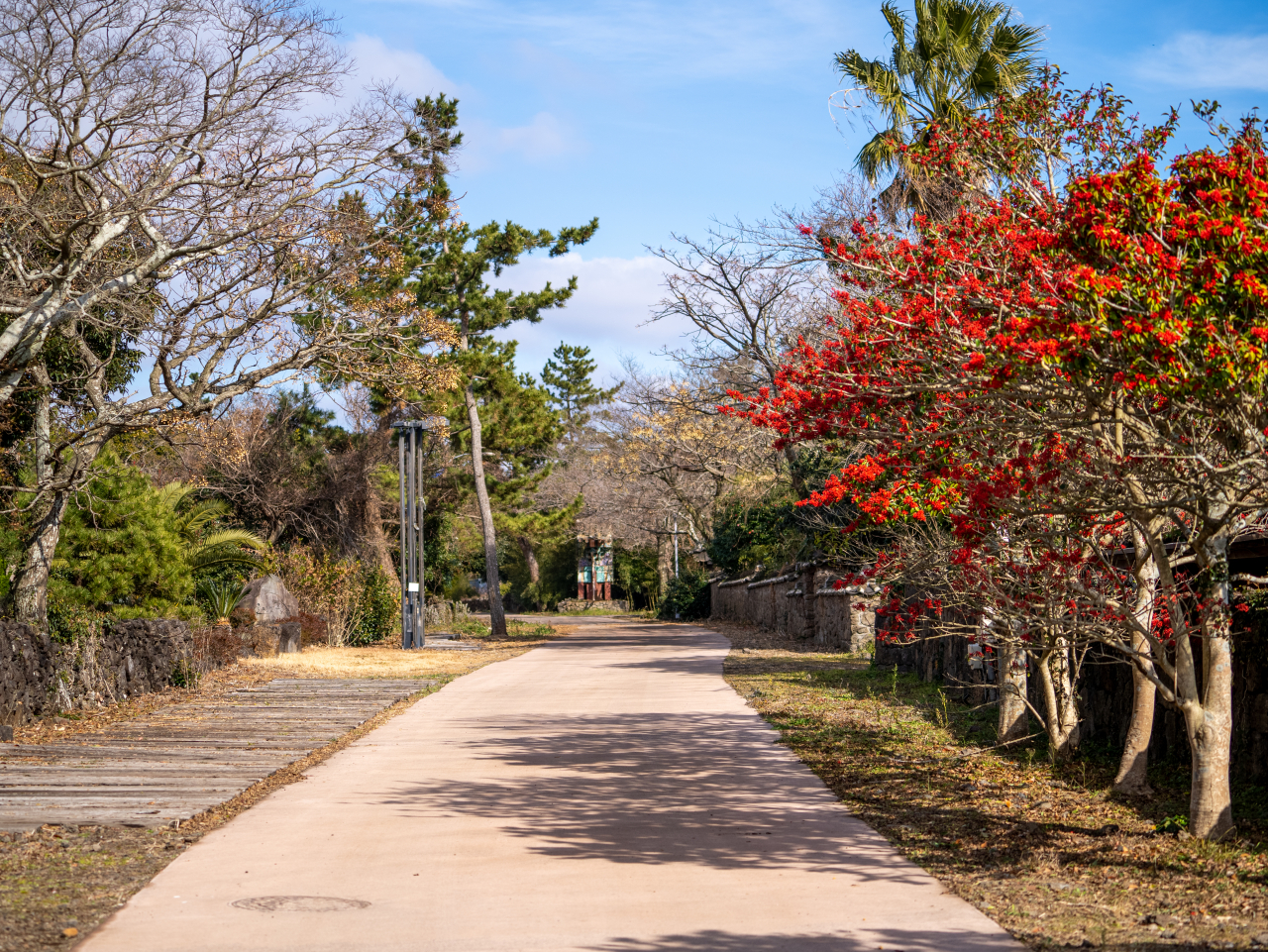
We strolled along the village’s “Path of Contemplation,” then stopped by the Public Storage to take in media art—often called the defining trend of contemporary art.
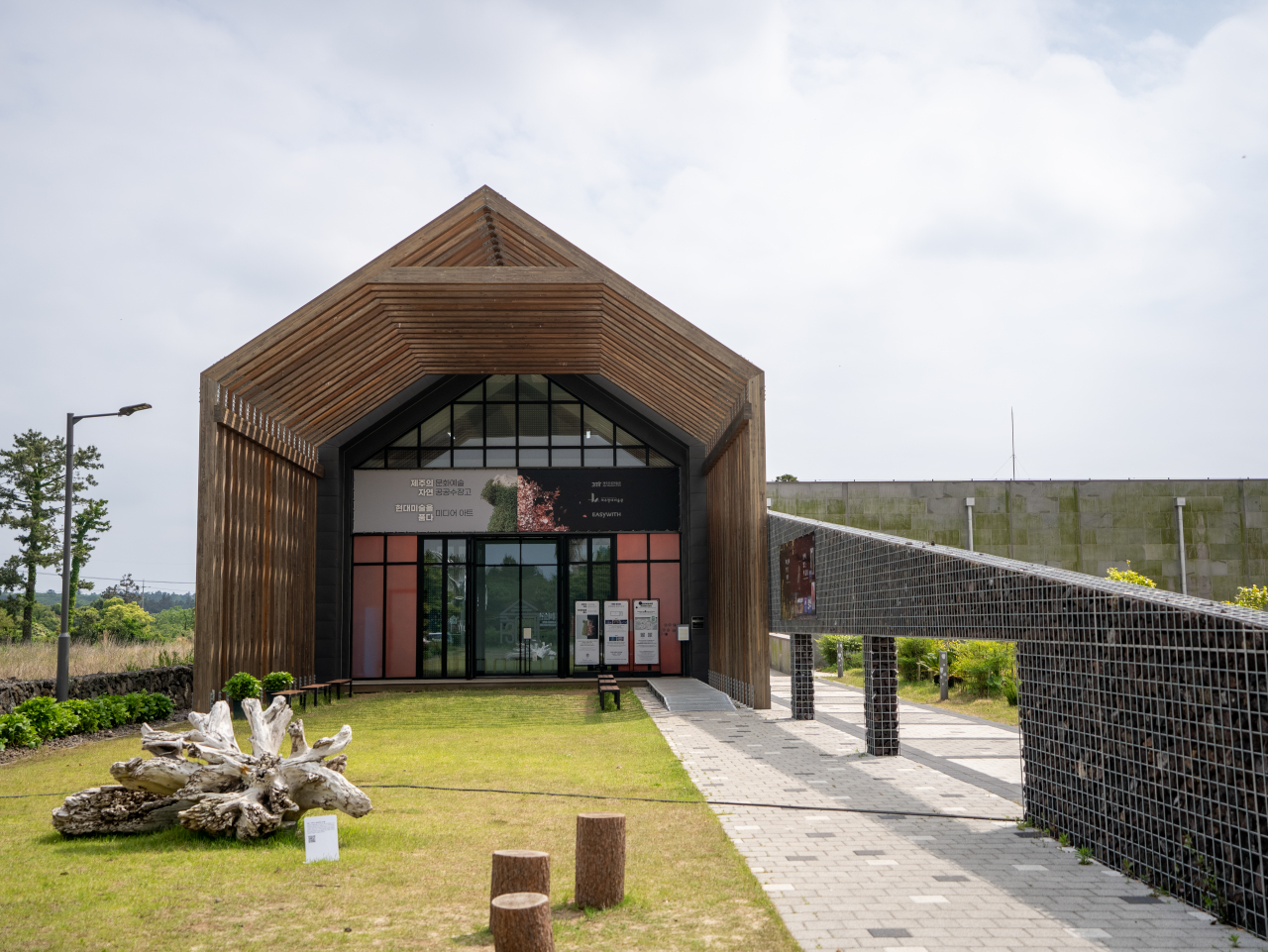
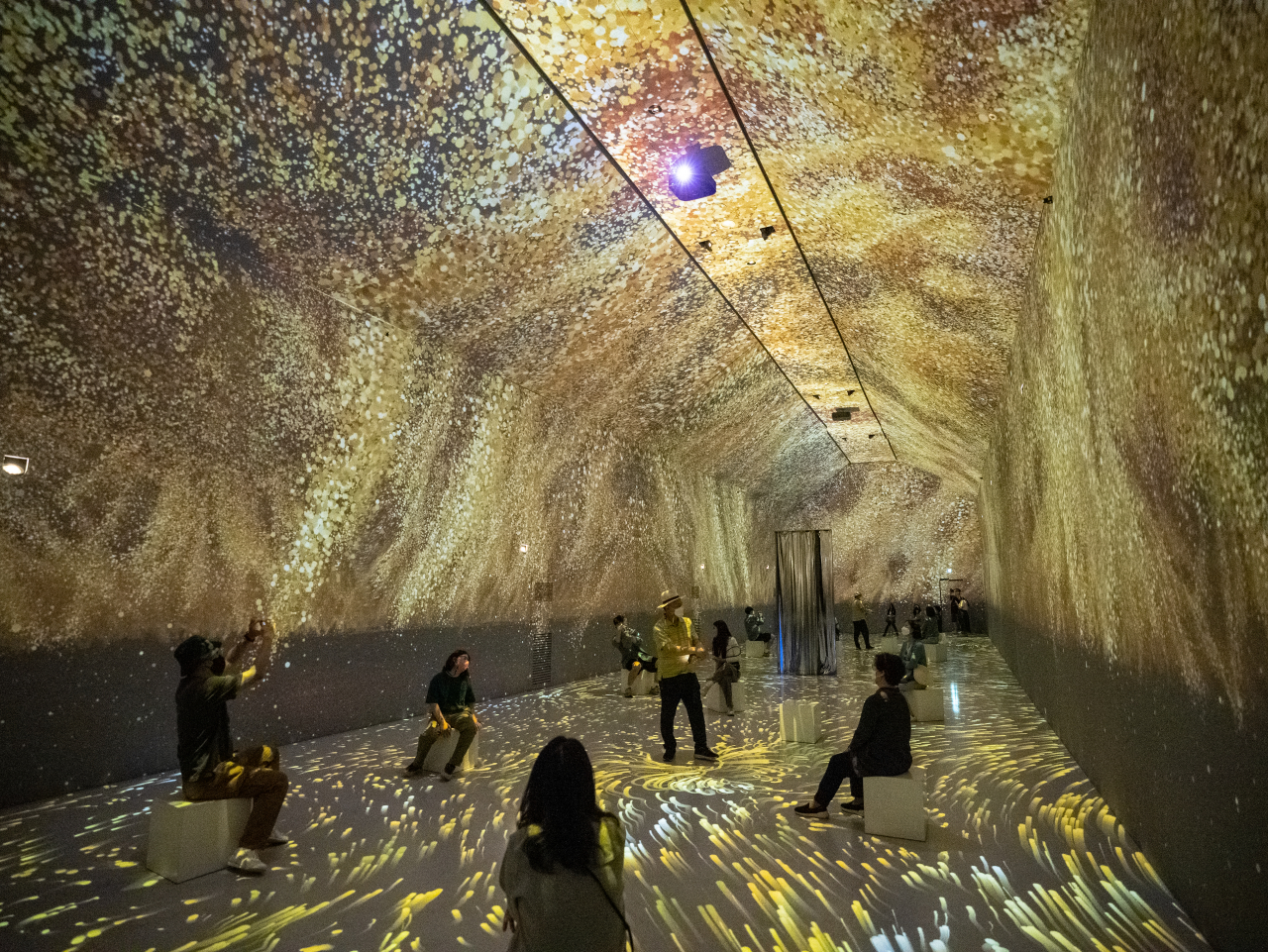
The media art was impressively high-quality. I still vividly remember the piece that expressed Jeju’s four seasons.
We visited Seongisidol Ranch to see the uniquely shaped Tesshphon, an architectural style originating from Iraq. You can sit on the Tesshphon window frame and take great photos.
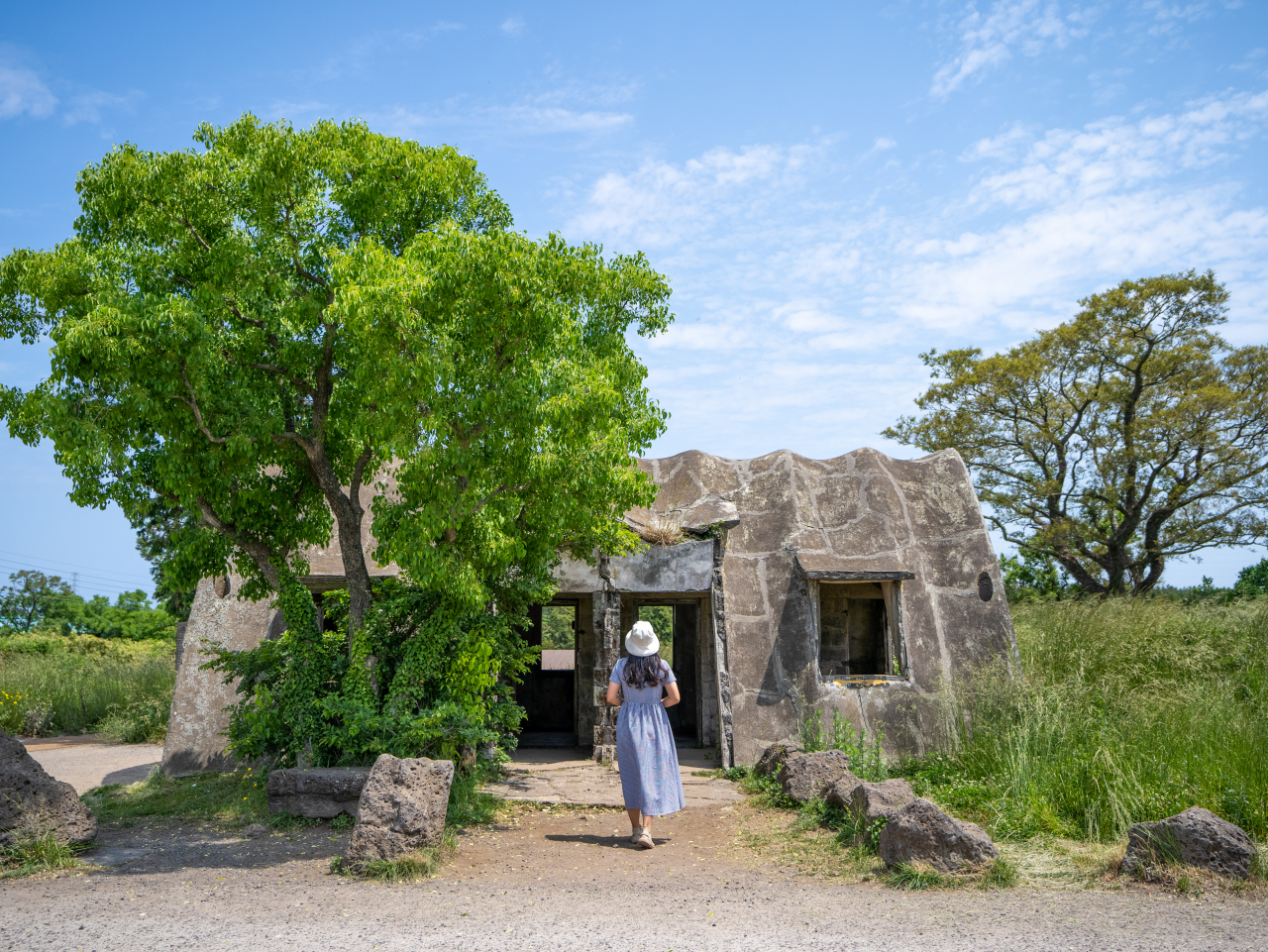
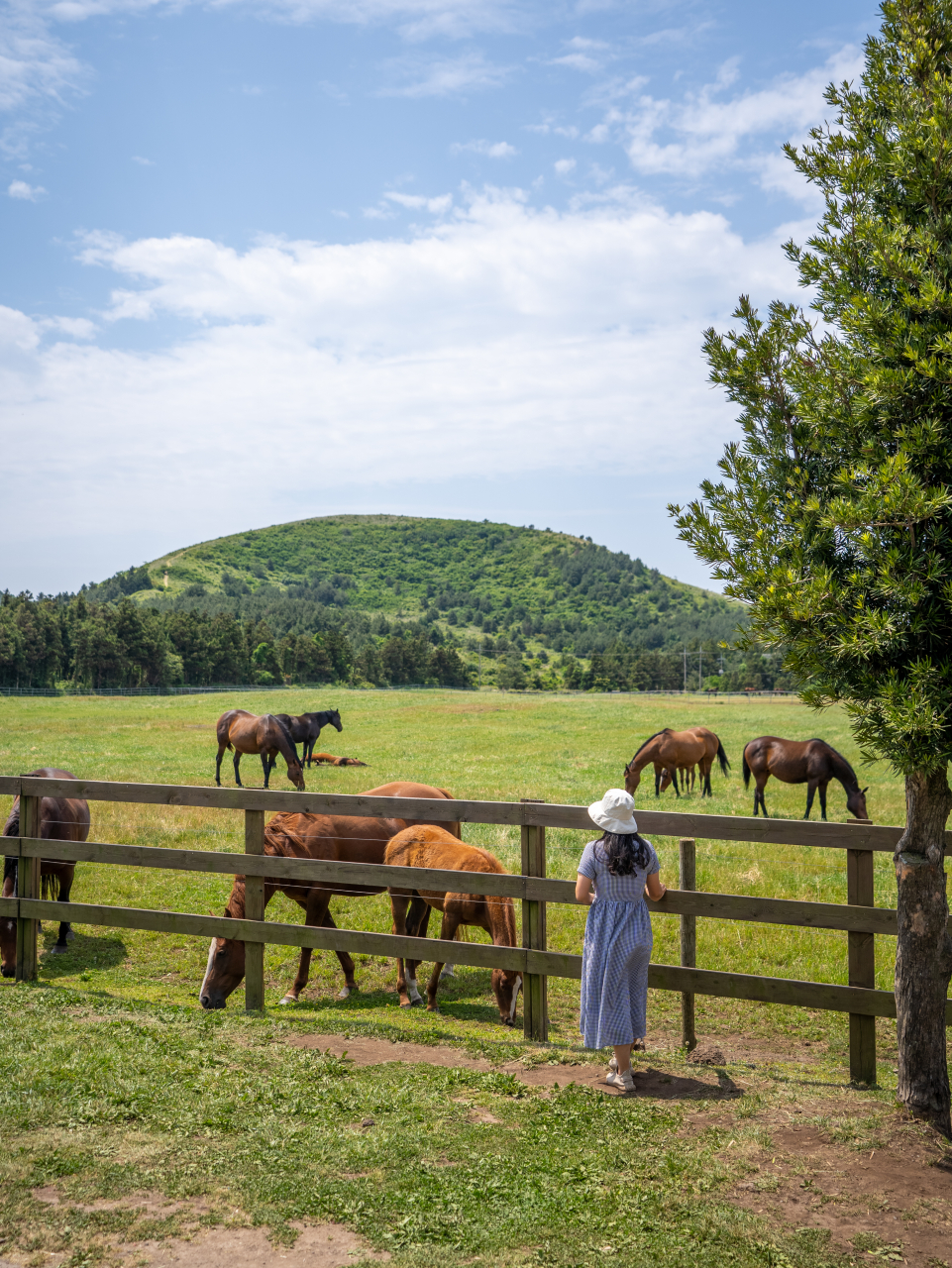
Follow the road through Seongisidol Ranch, pass through a forest tunnel, and you’ll come to a pilgrimage trail called Saemi Grace Garden.
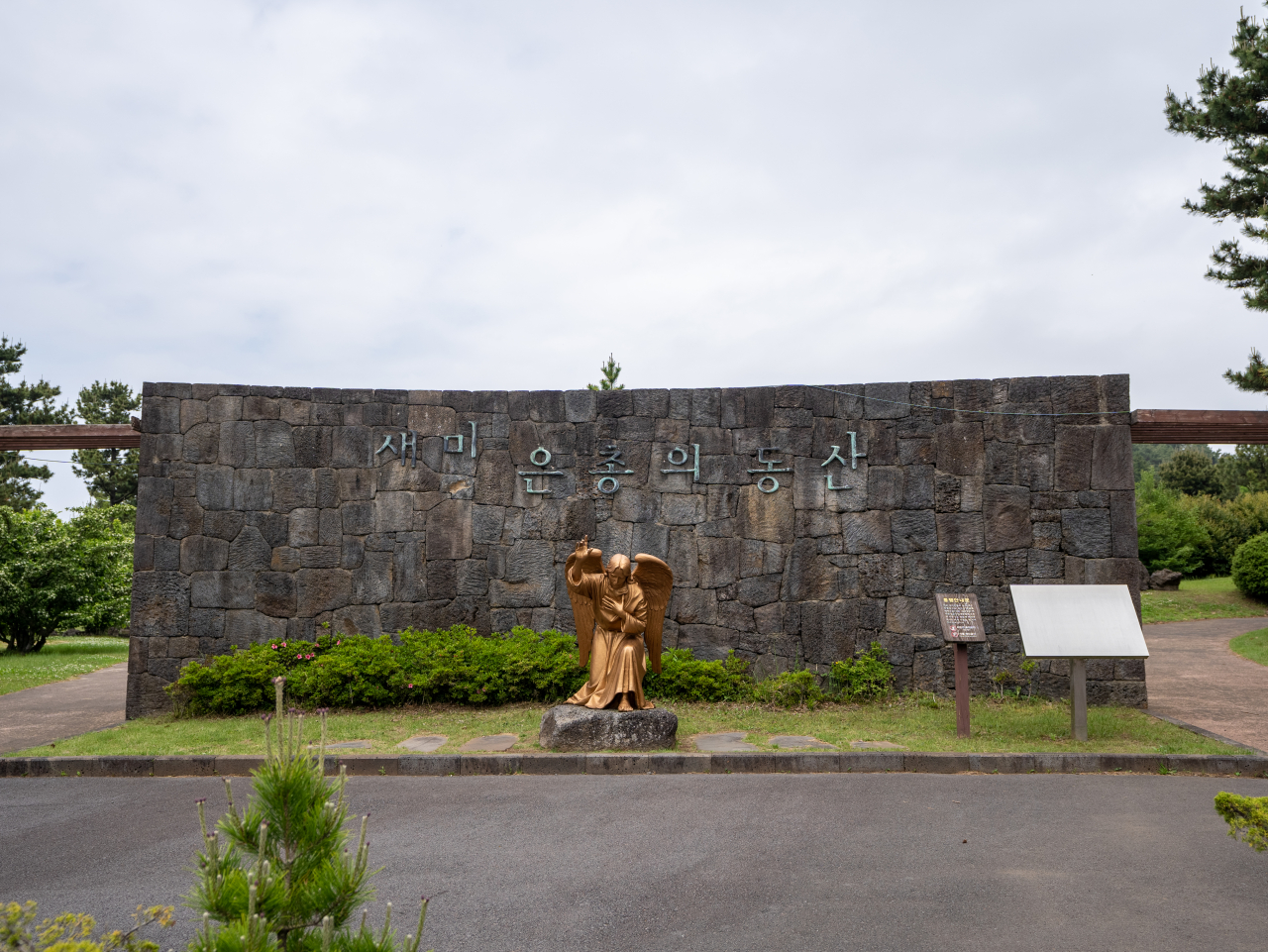
Filled with a sense of the sacred, this is a place where believers can visit at any time to pray together. If you walk along the pilgrimage path, you’ll arrive at a pond called Sammoeso.
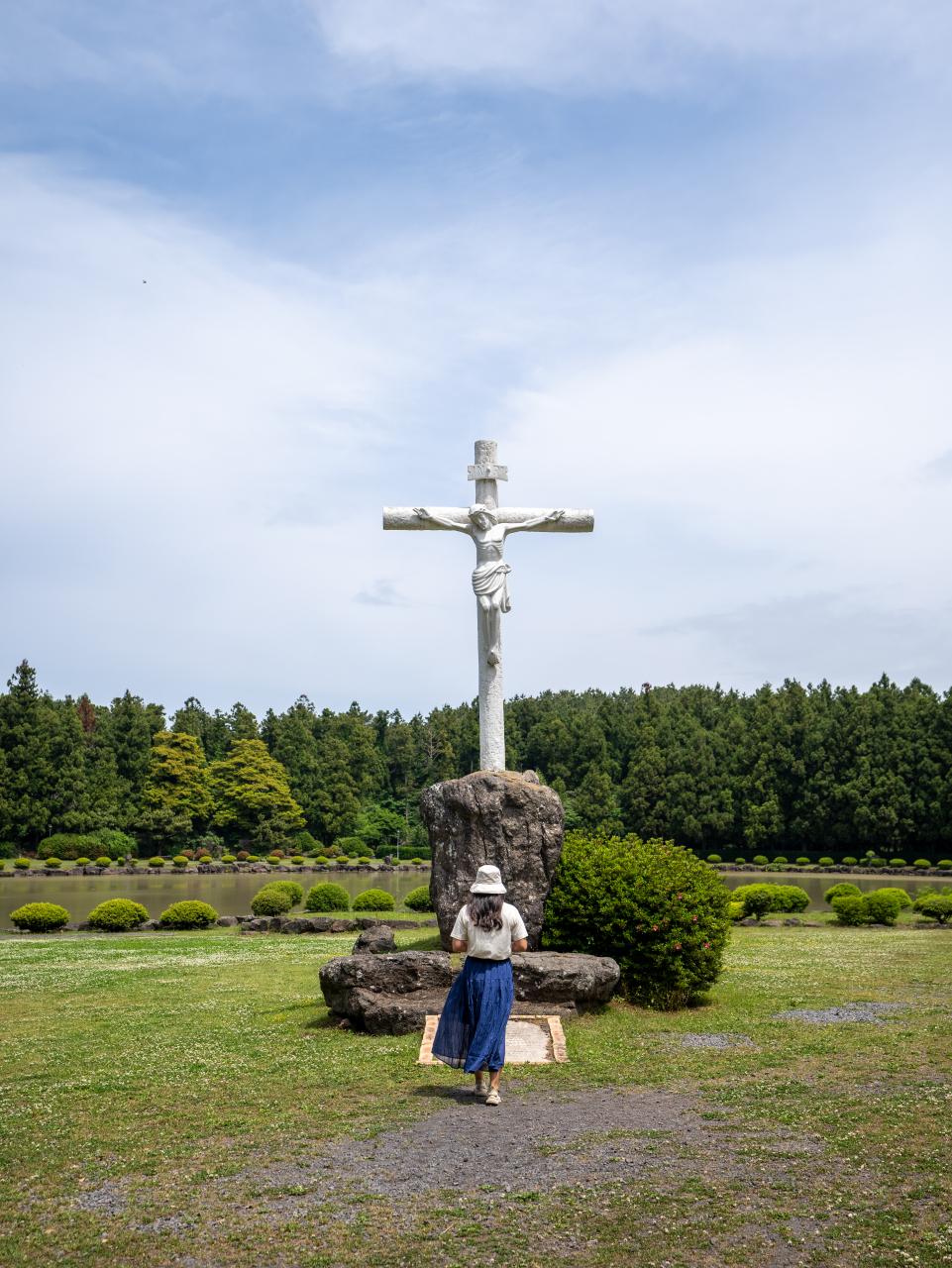
My wife, who was baptized as a child, recites the Apostles’ Creed.
I watch this unfamiliar side of her from a distance.
Even if you’re not a believer like me, there’s no need to worry. There’s no discrimination here when it comes to faith.
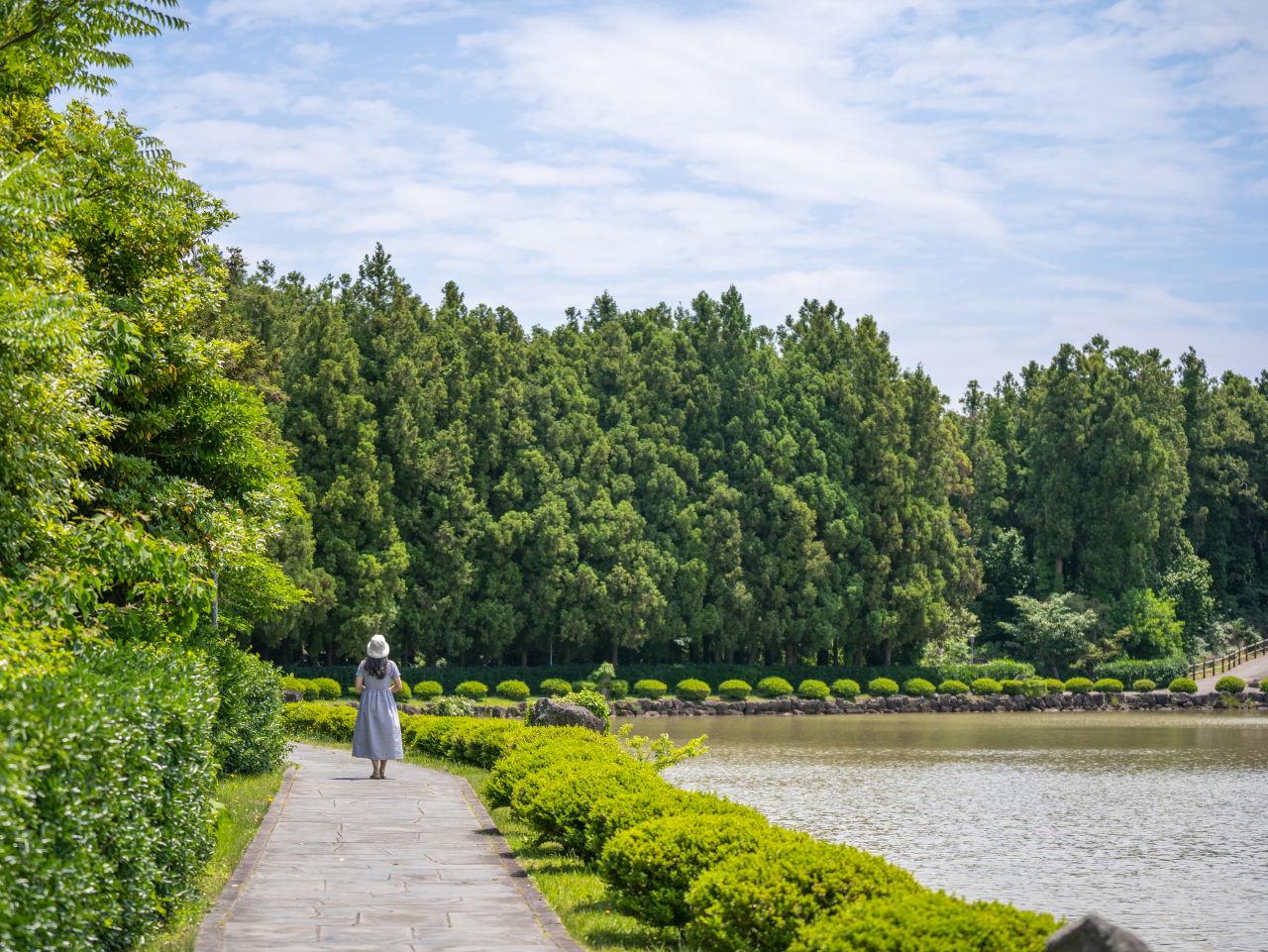
Saemi Grace Garden, located in the mid-mountain area of Jeju Island, is a place that holds crystal-clear skies, clouds you can almost touch, and wide open grasslands beneath them.
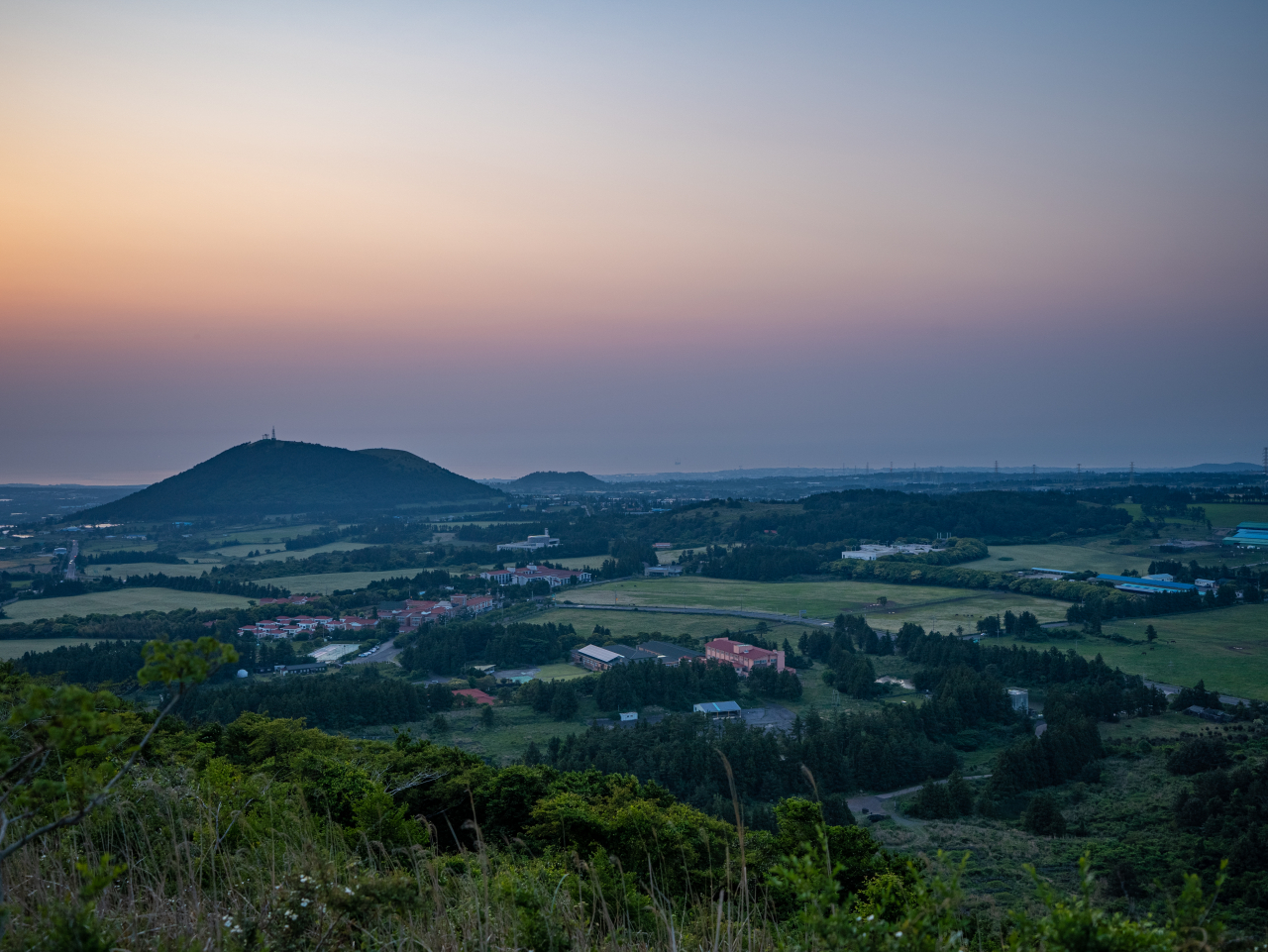
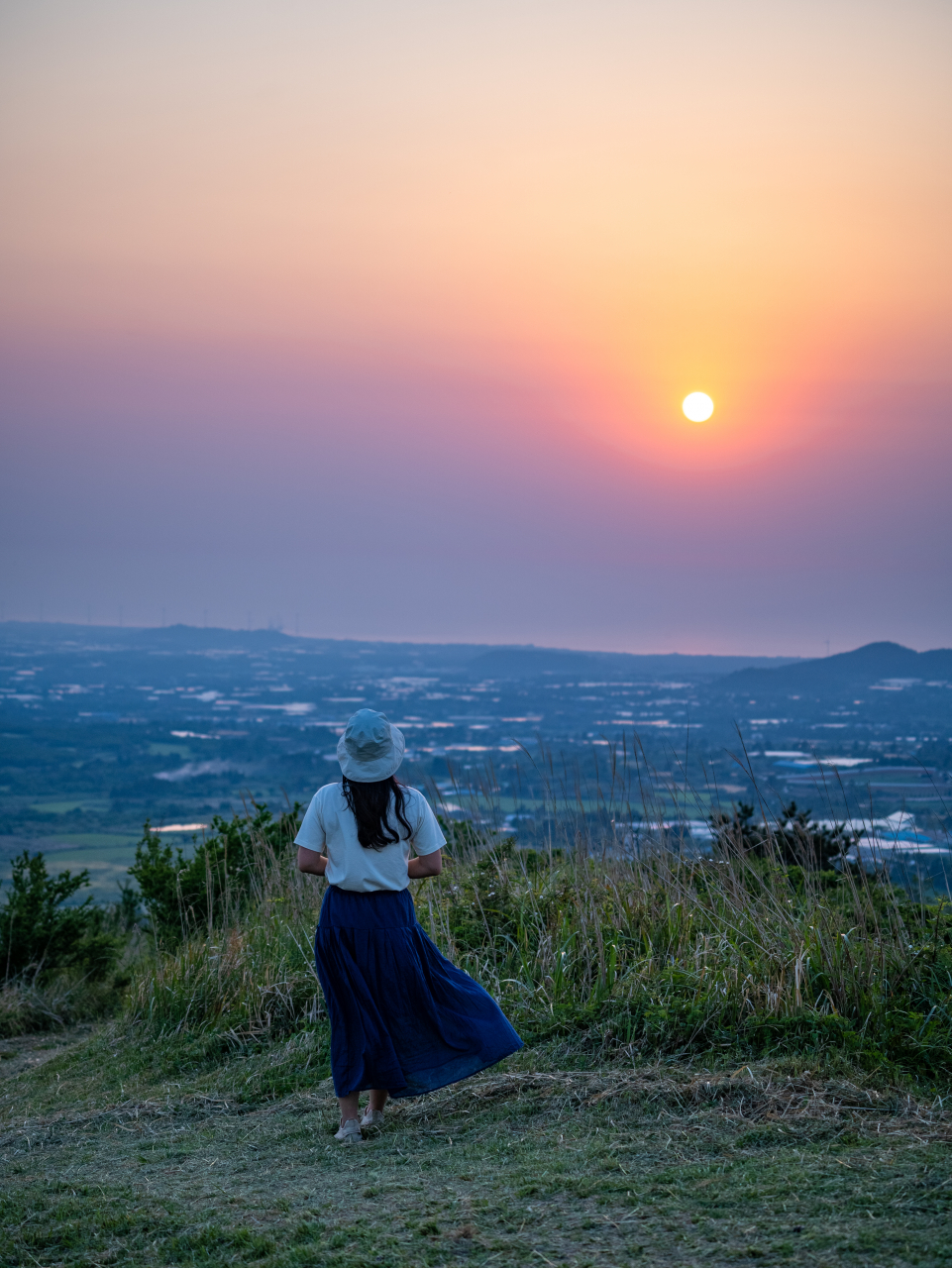
Before we know it, the sun is sinking low. As the west sea of Jeju fills with sunset colors, we climb Jeongmul Oreum.
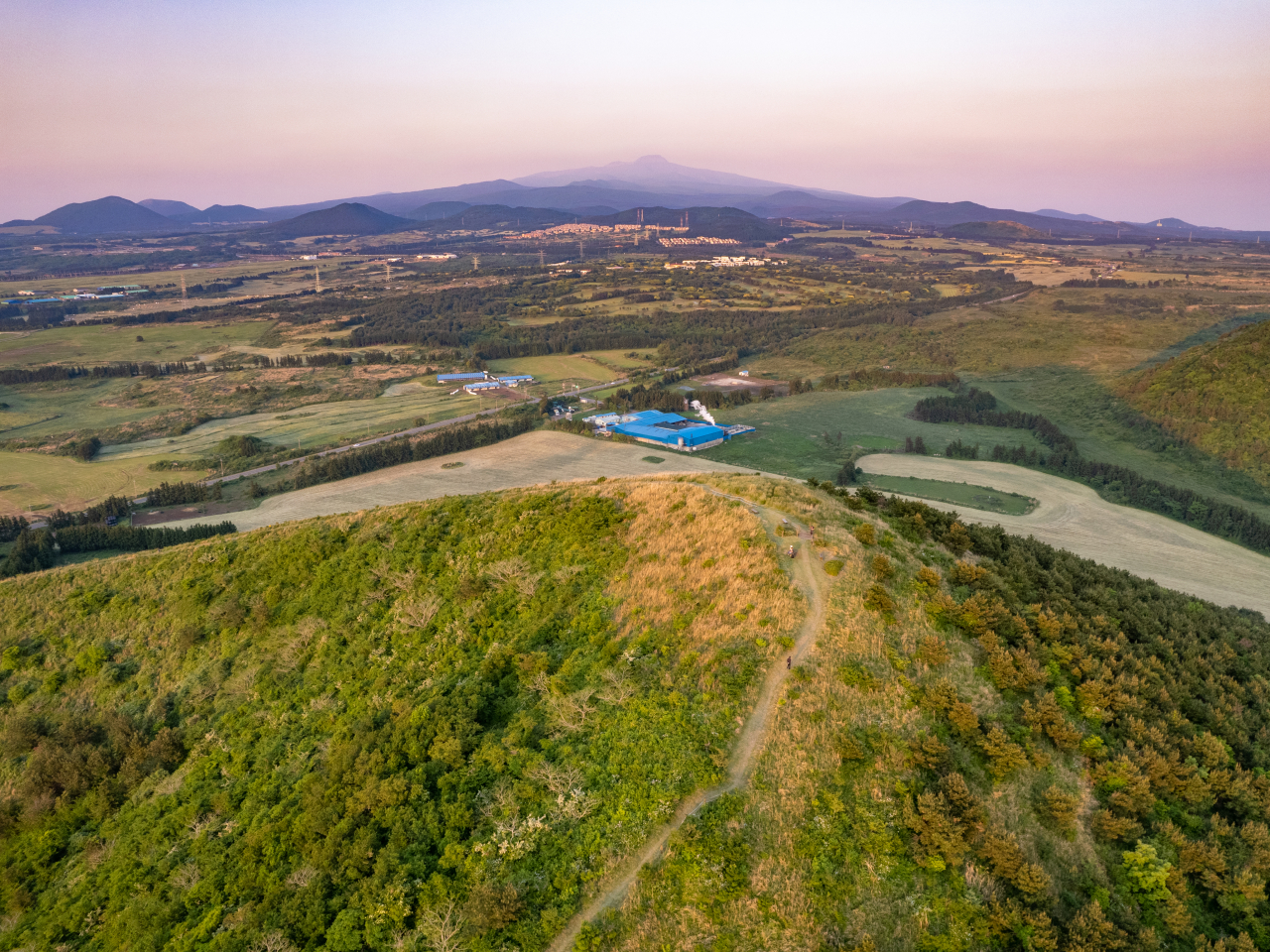
It’s an oreum my spouse and I visit often. Nearby, the famous Geumoreum and Saebyeoloreum are always packed with travelers.
The summit of Jeongmul Oreum is a small oreum that’s not widely known—there are only four chairs up there. But it’s more than enough to capture my own Jeju.

제주살이 10년 차, 일상 속 여행을 기록하는 크리에이터입니다. 바다와 바람, 낯선 골목에 스며든 제주를 좋아하고, 그 안에서 느꼈던 순간들을 글과 사진으로 전하고 있어요. 여행지보다는 여행의 온도를 담는 일을 합니다.

Comments
3새미은총의 동산...제가 정말 애정하는 곳입니다^^
@김미라 저희는 이번에 준비하면서 알게 되었는데 정말 너무 예쁜 곳이에요!!
@햇님 아름다운 영상에 좋은 정보들 감사해요!^^